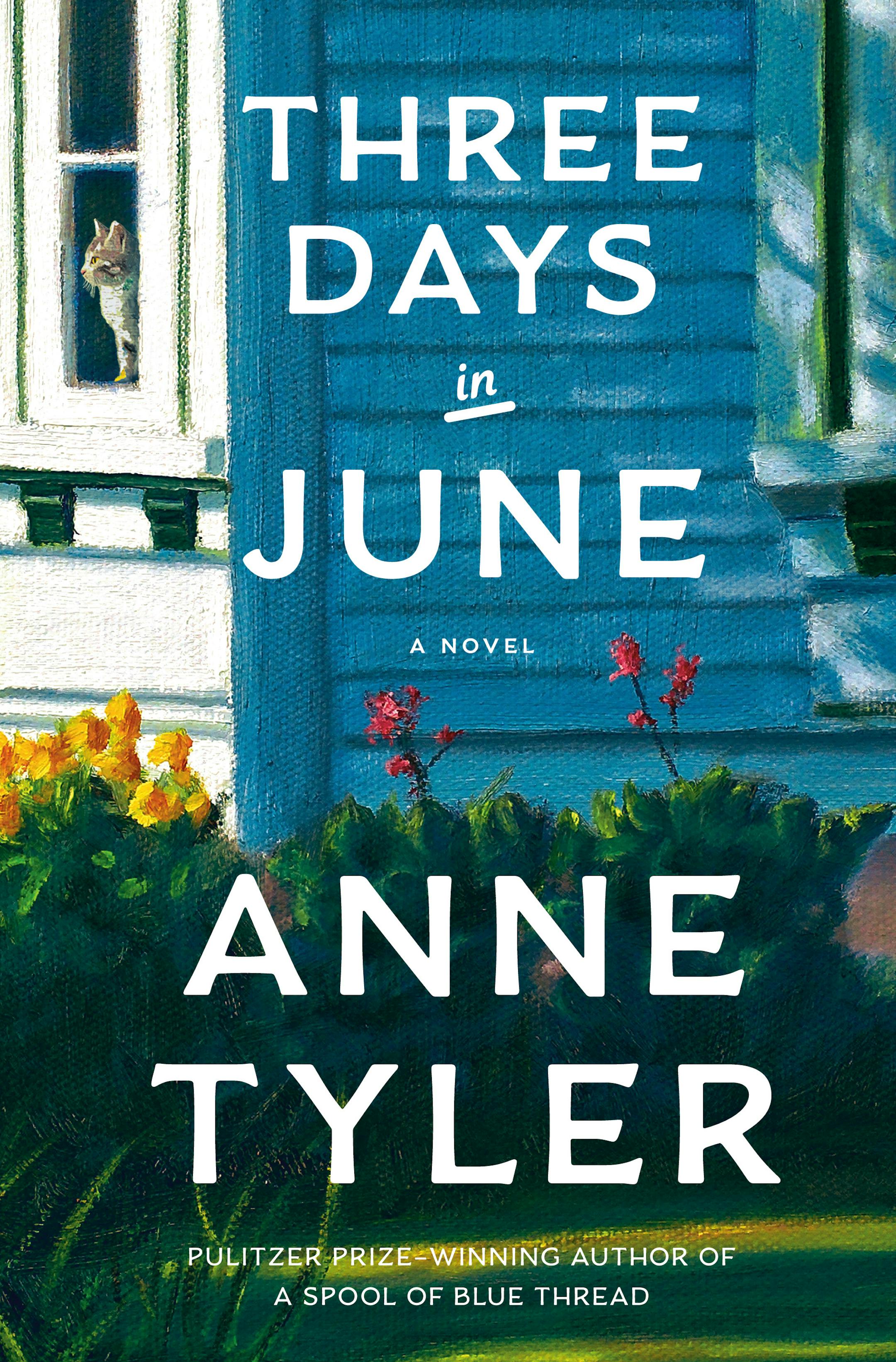
Anne Tyler won the 1989 Pulitzer Prize for Fiction for her eleventh novel, Breathing Lessons, published in 1988. The novel chronicles twenty-eight years of marriage through a single-day road trip taken by a middle-aged Baltimore couple, Maggie and Ira Moran. It was recognized for its perceptive, humorous, and poignant exploration of domestic life, marital compromise, and ordinary human relationships.
Breathing Lessons: Plot Overview and Premise
Published in September 1988 by Alfred A. Knopf, Breathing Lessons concentrates the expansive weight of a long marriage into the span of approximately fourteen hours. The narrative unfolds over a single summer day as Maggie Moran, aged forty-eight, and her husband Ira, aged fifty, travel from their home in Baltimore, Maryland, to Deer Lick, Pennsylvania.
The immediate catalyst for the journey is a funeral. Serena Gill, Maggie’s childhood best friend, has invited Maggie and Ira to the service for her husband, Max Gill. Serena has planned an unusual ceremony in which guests are asked to sing popular love songs from their youth, turning a solemn event into a strange re-enactment of past romantic ideals.
- Baltimore, MD [Morning Departure]
- Road trip via highway & detours
- Deer Lick, PA [Funeral & Detours]
However, the funeral serves merely as the framework for Maggie’s chaotic internal motivations and impulsive actions. Throughout the drive and its subsequent detours, Maggie attempts to stage-manage the lives of those around her. Her primary obsession is orchestrating a reconciliation between her grown son, Jesse, and his estranged ex-wife, Fiona, who lives in Pennsylvania with Maggie's young granddaughter, Mrs. Walter (named Leroy).
Maggie's well-intentioned but intrusive interference contrasts sharply with Ira’s quiet resignation and pragmatic worldview. As the car moves down the highway, the physical journey becomes an investigation into how two fundamentally mismatched individuals construct a shared life over decades.
Character Analysis: Maggie and Ira Moran
The emotional engine of Breathing Lessons relies on the complex, counterbalanced dynamic between Maggie and Ira Moran. Tyler constructs both characters with realistic flaws, avoiding easy idealization or cynical caricature.
- MAGGIE MORAN (48)
- Impulsive, meddlesome, deeply empathetic
- Works as an aide in a home for the elderly
- Romanticizes relationships; seeks to fix lives
- MARRIAGE OF 28 YEARS
- IRA MORAN (50)
- Pragmatic, quiet, emotionally restrained
- Manages a family frame shop
- Resigned to life's limits; values solitude
Maggie Moran
Maggie is an aide at a local nursing home, a career that highlights her natural impulse to care for, comfort, and direct the lives of vulnerable people. She is erratic, chatty, emotionally transparent, and chronically incapable of leaving well enough alone. Maggie views the world through a lens of romantic possibility, believing that any interpersonal rift can be repaired if people are simply pushed together with enough vigor.
Her key personality traits include:
- Compulsive Intervention: She lies, manipulates circumstances, and invents stories to force reconciliations, particularly between her son Jesse and his ex-wife Fiona.
- Selective Memory: Maggie rewrites past events in her head to fit a more optimistic narrative, often ignoring explicit evidence that her plans are failing.
- Radical Empathy: Despite her meddling nature, her actions stem from a desire to relieve loneliness in others, even when her efforts cause friction.
Ira Moran
Ira works at his family’s picture-frame shop, taking over the business to support his family after abandoning his youth ambition to study medicine. Where Maggie is expansive and disorderly, Ira is methodical, emotionally guarded, and quiet. He passes the time on long drives playing solitaire in his head or listening to classical music tapes, using routine as a buffer against life's disappointments.
Ira's defining characteristics center on:
- Emotional Self-Containment: Ira rarely expresses anger or affection directly, preferring sarcasm or silence when confronted with Maggie’s outbursts.
- Pragmatic Realism: He accepts the world as it is, recognizing that his son Jesse is irresponsible and that Jesse’s marriage to Fiona is permanently fractured.
- Steadfast Commitment: Despite his constant exasperation with Maggie’s antics, Ira demonstrates a deep, fundamental loyalty to his wife, recognizing that her vitality keeps his own life from stagnating.
Supporting Figures
The surrounding cast serves as mirrors for Maggie and Ira's marital struggles:
- Jesse Moran: Maggie and Ira's son, a talented but directionless musician who blames others for his failures.
- Fiona: Jesse’s ex-wife, who has moved on to a structured life with her mother, resistant to Maggie’s attempts to pull her back into the Moran family fold.
- Serena Gill: Maggie's childhood friend, whose obsession with recreating the past at her husband's funeral reflects Maggie's own difficulty accepting the passage of time.
- Mr. Otis: An elderly Black gentleman whom Maggie and Ira pick up along the road, leading to an awkward yet revealing sequence that highlights Maggie's naive idealism and Ira's cautious patience.
Narrative Architecture: Structuring 28 Years into a Single Day
One of the achievements noted by the Pulitzer committee was Tyler’s structural efficiency. Rather than employing a sprawling historical timeline, Tyler uses a tightly compressed frame to convey decades of family history.
- Morning
- Departure from Baltimore
- Accident at gas station
- Midday
- Arrival at Funeral Service
- Serena's musical tribute service
- Afternoon
- Detour to Fiona's House in PA
- Attempted family reunion meal
- Evening
- Return to Baltimore; Reflection & Bedtime
- Quiet resolve in bed; solitaire
The Microcosm of the Road Trip
The classic American road trip serves as an effective literary device for marital examination. Locked in the small space of an automobile, Maggie and Ira cannot escape each other’s habits, voices, or memories.
Every minor event during the drive—a wrong turn, a near-miss car collision, an argument over radio stations, a brief stop at a convenience store—triggers memories of earlier points in their marriage.
Flashbacks and Layered Recollection
Tyler integrates backstory through natural shifts in perspective. As Maggie watches Ira drive, she recalls:
- Their Sudden Courtship: How they met when Ira was engaged to someone else, and how Maggie stepped in with characteristic suddenness.
- The Broken Ambitions: Ira’s decision to abandon medical school aspirations to support his aging father and intellectually disabled sisters.
- Parental Failures: The gradual realization that their children, Jesse and Daisy, would grow into adults with lives and personalities independent of their parents' hopes.
This seamless blending of past and present creates a dense portrait of a marriage, showing that a couple’s present interactions are always inflected by decades of accumulated grievances, shared secrets, and unsaid apologies.
Central Themes in Breathing Lessons
- DOMESTIC THEMES IN NOVEL
- Marital Friction & Loyalty
- Illusion of Control
- Aging & Lost Opportunities
- Communication Disconnects
Marital Resilience and the Texture of Long-Term Love
Breathing Lessons does not present marriage as a romantic ideal or an insurmountable trap. Instead, it portrays long-term union as a living habit built on compromise, exasperation, and endurance.
Tyler demonstrates that love in middle age is rarely expressed through grand declarations. Instead, it exists in shared routines, the recognition of an partner's flaws, and the choice to remain together despite knowing every one of those flaws intimately.
The Illusion of Control and the Urge to Intervene
The novel's title refers directly to the Lamaze breathing techniques Maggie learned decades earlier during pregnancy—techniques she later tries to teach her daughter-in-law, Fiona, during childbirth. Symbolically, "breathing lessons" represent the futile human effort to regulate, manage, and control natural, painful processes that are ultimately beyond human command.
Maggie believes she can control the emotional climate of her family through sheer effort. Her journey throughout the novel teaches her that other people possess their own agency, and that her meddling often causes more harm than good.
Disappointment, Aging, and Acceptance
Both main characters carry unspoken grief for the lives they did not live:
- Ira lives with the memory of his abandoned medical career, spending his days framing other people's memories rather than pursuing his own ambition.
- Maggie grapples with the realization that her children have not achieved happy, stable adult lives, and that her own youth has slipped away.
The novel explores how individuals process these mid-life realizations—whether through Maggie’s anxious attempts to rewrite reality or Ira’s quiet withdrawal into detachment.
The Breakdown of Domestic Communication
Throughout the novel, Maggie and Ira constantly speak past one another. Maggie speaks in emotional, indirect, and narrative terms, while Ira speaks in literal, minimal, and factual statements. This mismatch leads to persistent comedic and tragic misunderstandings.
Tyler illustrates how language inside a marriage can become codified, where words are used not to share new information, but to defend established emotional positions.
The 1989 Pulitzer Prize Recognition and Critical Context
When Anne Tyler was awarded the Pulitzer Prize for Fiction in 1989, it marked the culmination of decades of critical acclaim for her work.
- 1983
- Pulitzer Finalist
- Dinner at the Homesick Restaurant
- 1986
- Pulitzer Finalist
- The Accidental Tourist
- 1989
- PULITZER WINNER
- Breathing Lessons
Prior Nominations and Literary Path
Before winning for Breathing Lessons, Tyler had twice been named a finalist for the Pulitzer Prize for Fiction:
- 1983: Dinner at the Homesick Restaurant (lost to Alice Walker’s The Color Purple).
- 1986: The Accidental Tourist (lost to Larry McMurtry’s Lonesome Dove, though it won the National Book Critics Circle Award).
By 1989, the Pulitzer board recognized Breathing Lessons as a classic work of American domestic realism, honoring an author at the height of her narrative skills.
Critical Reception upon Release
Literary critics praised the novel for its comedic timing, empathetic characterizations, and deceptive simplicity.
Writing for The New York Times, critic Michiko Kakutani noted Tyler’s ability to transform mundane domestic occurrences into compelling drama, highlighting her talent for showing "how extraordinary ordinary people are." Reviewers across major publications celebrated the novel for capturing the distinct cadence of middle-class American life without resorting to cynicism or sentimentality.
Anne Tyler’s Key Recognized Works: A Comparative Overview
To understand where Breathing Lessons fits within Anne Tyler’s career, it helps to examine her major award-winning and nominated novels side by side.
| Novel Title | Publication Year | Major Awards & Honors | Central Setting / Premise | Key Themes |
|---|---|---|---|---|
| Dinner at the Homesick Restaurant | 1982 | Pulitzer Prize Finalist; PEN/Faulkner Finalist | Pearl Tull and her three grown children in Baltimore after being abandoned by her husband. | Family dysfunction, memory, sibling rivalry, unhealed childhood wounds. |
| The Accidental Tourist | 1985 | National Book Critics Circle Award Winner; Pulitzer Finalist | Macon Leary, a travel writer for reluctant travelers, copes with grief after his son's murder. | Grief, routine as a defense mechanism, emotional recovery, unexpected change. |
| Breathing Lessons | 1988 | Pulitzer Prize Winner for Fiction (1989) | Maggie and Ira Moran take a 14-hour road trip from Baltimore to Pennsylvania for a funeral. | Marital endurance, domestic realism, mid-life disappointment, futile control. |
| Saint Maybe | 1991 | International Bestseller; Critical Acclaim | Ian Bedloe seeks spiritual redemption by raising his deceased brother's children. | Guilt, atonement, non-traditional family structures, faith in everyday life. |
| A Spool of Blue Thread | 2015 | Man Booker Prize Shortlist; Baileys Women's Prize Shortlist | Chronicles four generations of the Whitshank family in their beloved Baltimore home. | Multi-generational secrets, home as a character, family lore vs. reality. |
| French Braid | 2022 | National Bestseller; Critical Acclaim | Traces the gradual, subtle drifting apart of the Garrett family over six decades. | Family distance, quiet alienation, the ripple effects of small decisions over time. |
Anne Tyler’s Signature Style and Setting
Anne Tyler’s literary reputation rests on a set of consistent stylistic elements that define her bibliography, with Breathing Lessons standing as a clear example of her technique.
The Baltimore Setting
Almost all of Tyler's novels are set in Baltimore, Maryland, or its surrounding suburban areas. Unlike the glamorous, fast-paced metropolises of New York or Los Angeles, Tyler’s Baltimore is a city of row houses, neighborhood frame shops, quiet residential streets, and unassuming middle-class routines.
This specific geographical grounding allows her to focus entirely on interior character development and local social textures.
Domestic Realism
Tyler focuses her work on the domestic sphere—kitchens, living rooms, automobiles, nursing homes, and family reunions. She avoids grand political events, violent thrillers, or high-concept speculative plots. Instead, she finds profound dramatic tension in everyday domestic events:
- Preparing a family dinner
- Choosing a route on a road map
- Cleaning out an attic
- Navigating an awkward conversation with an ex-in-law
Micro-Observations and Dialogue
Tyler possesses an ear for realistic American speech, capturing the stuttered starts, unthinking interruptions, and subtle passive-aggressiveness of family dialogue. Her descriptive prose focuses on small visual details—a worn carpet pattern, a mismatched pair of socks, the specific tilt of a driver's head—that quickly reveal a character's internal state.
Reading Guide: How to Approach Breathing Lessons
For readers analyzing Breathing Lessons in book clubs, academic settings, or for personal enjoyment, considering specific structural and thematic angles offers a richer experience.
Key Points for Analysis
- Track the Symbolism of Vehicles: Pay attention to how cars, driving styles, and road hazards reflect Maggie and Ira’s internal conflicts and marital power dynamics.
- Examine the Timeline: Notice how Tyler uses small present-day triggers (such as a song on the radio or a road sign) to transition into long, detailed flashbacks without disrupting narrative momentum.
- Evaluate Maggie's Ethics: Consider whether Maggie’s meddling is fundamentally selfless or selfish. Is her desire to help others a form of care, or an insistence on asserting control?
- Compare the Generations: Contrast the marital choices of Maggie and Ira with those of their son Jesse and his ex-wife Fiona. How do generational differences shape their expectations of love and marriage?
Recommended Paired Readings
To contextualize Breathing Lessons within the broader tradition of American domestic fiction, consider reading it alongside:
- John Updike’s Rabbit Series: For an alternate, male-centric perspective on middle-class mid-century suburban marriage.
- Elizabeth Strout’s Olive Kitteridge: For another character study of an flawed, meddlesome, yet deeply empathetic protagonist in small-town America.
- Alice Munro’s Short Story Collections: For a comparable masterclass in compressing decades of human emotion into quiet domestic moments.
Frequently Asked Questions
Which novel did Anne Tyler win the Pulitzer Prize for?
Anne Tyler won the Pulitzer Prize for Fiction for her 1988 novel, Breathing Lessons.
In what year did Anne Tyler win the Pulitzer Prize?
She was awarded the Pulitzer Prize for Fiction in 1989, the year following the publication of Breathing Lessons.
Was The Accidental Tourist awarded a Pulitzer Prize?
No, The Accidental Tourist was a finalist for the Pulitzer Prize in 1986, but did not win. However, it won the National Book Critics Circle Award for Fiction in 1985 and was adapted into an Academy Award-winning 1988 feature film.
What is the plot of Breathing Lessons?
Breathing Lessons follows a middle-aged married couple, Maggie and Ira Moran, over the course of a single day as they drive from Baltimore to Pennsylvania for a friend's husband's funeral. Along the way, Maggie's impulsive attempts to fix the lives of those around her—particularly trying to reunite her son with his ex-wife—spark comedic detours and reflections on their twenty-eight-year marriage.
Why is the novel titled Breathing Lessons?
The title refers literally to the Lamaze natural childbirth breathing techniques Maggie learned in her youth and tries to teach to her daughter-in-law. Metaphorically, it symbolizes the difficult, ongoing effort to breathe through life's anxieties, unexpected disappointments, and uncontrollable personal relationships.
Has Anne Tyler won other major literary awards?
Yes. Beyond her 1989 Pulitzer Prize, Anne Tyler won the National Book Critics Circle Award for The Accidental Tourist (1985), the Janet Heidinger Kafka Prize for Morgan's Passing (1980), and was shortlisted for the Man Booker Prize in 2015 for A Spool of Blue Thread.
Final Recommendation
For readers exploring Anne Tyler's work for the first time, Breathing Lessons serves as an ideal entry point. It captures her mastery of characterization, her precise comedic timing, and her profound understanding of long-term human relationships. By concentrating the weight of a twenty-eight-year marriage into a single fourteen-hour road trip, the novel demonstrates why Tyler remains one of the preeminent chroniclers of American family life.