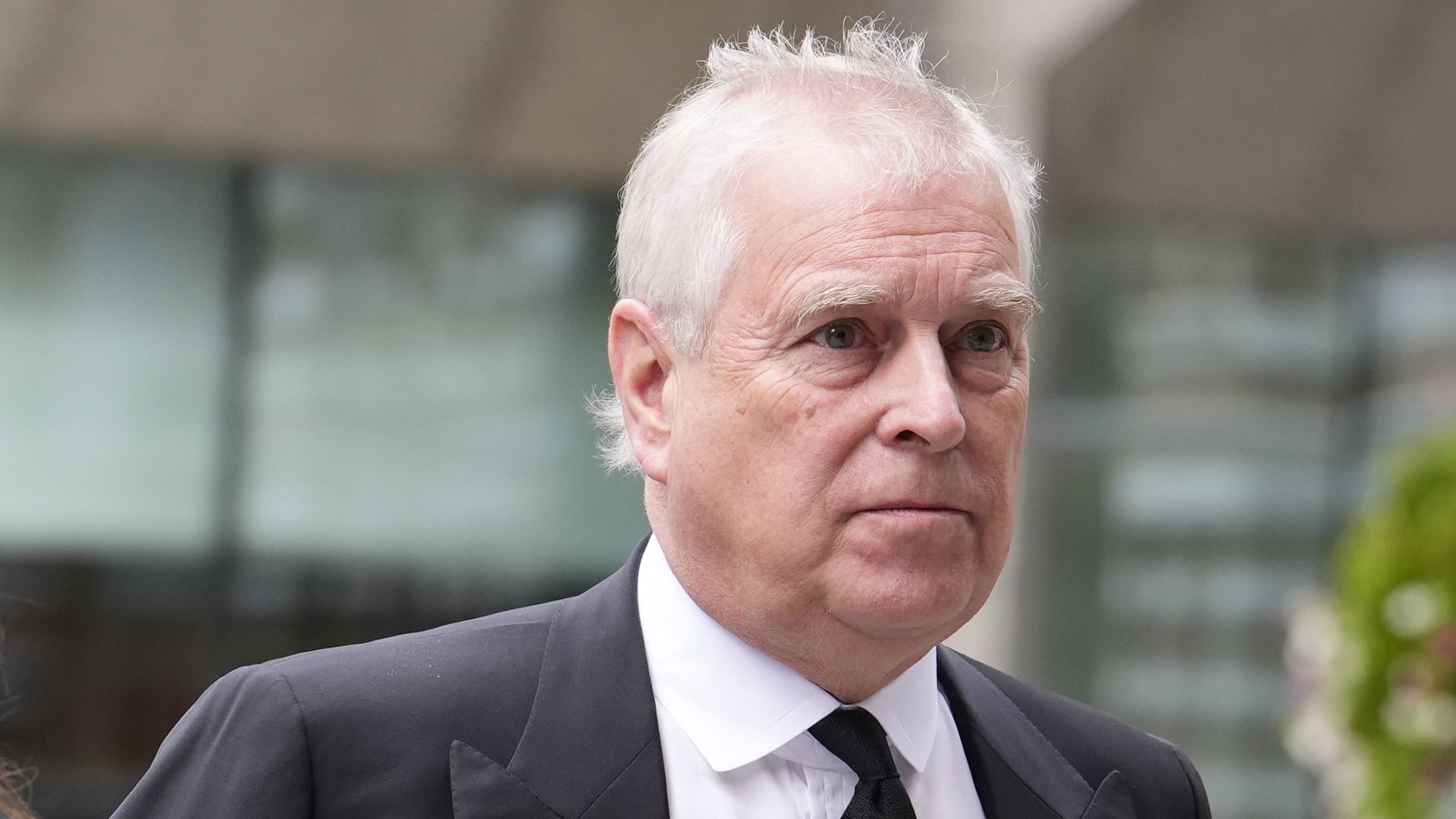
Estimating Andrew Windsor’s net worth requires distinguishing between personal assets, royal stipends, and the unique structure of British monarchical wealth. As of 2026, his net worth is estimated at approximately £5 million to £7 million, though his access to liquidity has significantly diminished following the loss of public funding, the settlement of legal liabilities, and the cessation of his annual allowance from the Privy Purse.
Understanding the financial profile of Andrew Windsor, the Duke of York, is a complex exercise in separating the individual from the institution. Unlike a traditional high-net-worth individual whose wealth is often transparently tied to equity, real estate, or salary, a member of the British Royal Family operates within a framework of inherited trusts, leasehold agreements, and discretionary grants. For Andrew Windsor, the last several years—culminating in the current landscape of 2026—have marked a radical shift from institutional financial security to a state of private reliance.
The Evolution of the Duke’s Financial Framework
Historically, Andrew Windsor’s wealth was sustained by three primary pillars: the Sovereign Grant (indirectly), the Duchy of Lancaster (via the Queen’s Privy Purse), and his personal inheritance. For decades, he functioned as a "working royal," meaning his official duties, travel, and office costs were covered by the taxpayer-funded Sovereign Grant. Furthermore, the late Queen Elizabeth II provided a substantial annual stipend, estimated at roughly £250,000 to £300,000, drawn from the Duchy of Lancaster.
However, the context of his wealth changed permanently between 2019 and 2024. Following his withdrawal from public duties due to his association with Jeffrey Epstein and the subsequent legal settlement with Virginia Giuffre, the Duke was stripped of his military affiliations and royal patronages. By 2026, the transition is complete: he no longer receives public funds, and his private funding from the monarch has been significantly curtailed by King Charles III as part of a broader effort to "slim down" the monarchy’s expenses.
The Impact of the 2022 Legal Settlement
One of the most significant "contextual" hits to Andrew Windsor's net worth was the out-of-court settlement reached in 2022. While the exact figure remains confidential, reputable reports suggested a sum in the region of £12 million. To finance this, the Duke had to liquidate his most significant private asset: a luxury ski chalet in Verbier, Switzerland.
The sale of the Chalet Helora for approximately £18 million was intended to clear existing debts on the property and provide the capital for the settlement. This event was a turning point, moving the Duke from a position of asset-rich stability to a more precarious financial standing where his remaining "wealth" is largely tied up in his residence at Royal Lodge, which is a leasehold rather than a freehold asset.
Primary Assets and the Royal Lodge Dilemma
In the context of 2026, the Duke’s primary "asset" is the Royal Lodge in Windsor Great Park. However, this is frequently misunderstood by the public as a piece of personal real estate. In reality, the property is owned by the Crown Estate.
The Leasehold Agreement
In 2003, Andrew Windsor signed a 75-year lease for the Royal Lodge. He paid an initial premium of approximately £1 million to the Crown Estate. While the property is worth an estimated £30 million in the open market, the Duke does not "own" that value. His interest is limited to the leasehold, which carries significant obligations. Under the terms of the agreement, he is responsible for the upkeep and restoration of the Grade II-listed building.
Maintenance Costs as a Liability
By 2026, the Royal Lodge has become as much a financial burden as an asset. Maintenance costs are estimated to exceed £400,000 annually. Without a royal stipend to cover these costs, the Duke must rely on personal savings and inheritance. Reports throughout 2025 and into 2026 have highlighted a persistent tension between the Duke and King Charles III regarding the viability of Andrew remaining at the property if he cannot prove he has the funds to maintain its structural integrity.
| Financial Component | Estimated Value/Status in 2026 | Source/Context |
|---|---|---|
| Annual Royal Stipend | £0 (Ceased) | Formerly provided by the Privy Purse. |
| Naval Pension | ~£20,000 per annum | Based on his service in the Royal Navy. |
| Royal Lodge Lease | £1M (Initial Cost) | 75-year lease; significant maintenance liability. |
| Inheritance | Undisclosed | Estimated millions from the late Queen and Prince Philip. |
| Private Investments | Estimated £2M - £4M | Managed via private wealth offices. |
| Security Costs | Private Expense | No longer covered by the Home Office (RAVEC). |
Income Sources and Liquidity in 2026
With the removal of his annual allowance, the Duke of York’s liquidity is now derived from three specific streams:
- The Royal Navy Pension: As a former helicopter pilot and commander who served in the Falklands War, Andrew Windsor receives a standard military pension. While reliable, this sum is negligible compared to the costs of maintaining a royal lifestyle and a 30-room mansion.
- Private Inheritances: The most substantial portion of his current net worth stems from the estates of his parents. The late Prince Philip left a significant estate in 2021, and Queen Elizabeth II’s private fortune (distinct from the Crown jewels and lands) was passed down in 2022. Because of a 1993 agreement between the monarchy and the government, inheritance passing from "monarch to monarch" is exempt from inheritance tax, but bequests to younger children are theoretically subject to different internal family distributions.
- Private Investment Portfolio: Like most members of the Royal Family, the Duke has historically maintained a portfolio of stocks and bonds. Given his previous business interests (often colloquially referred to as "Air Miles Andy"), it is believed he accumulated a private nest egg, though its performance has likely been tempered by the high legal fees incurred between 2020 and 2023.
The Security Cost Factor
A critical factor in the Duke’s net worth "in context" is the massive outflow of capital required for personal security. After the Executive Committee for the Protection of Royalty and Public Figures (RAVEC) withdrew his taxpayer-funded police protection, the responsibility for his safety fell to his private purse.
Private security for a high-profile figure like the Duke of York is estimated to cost between £2 million and £3 million per year. In 2024 and 2025, King Charles III reportedly funded this privately for his brother, but late 2025 updates indicated that this support was being phased out. If the Duke is forced to pay for his own security in 2026, his remaining net worth will be depleted rapidly, potentially forcing a move from Royal Lodge to a more modest, secure property like Frogmore Cottage.
Disambiguation: Private Wealth vs. Crown Assets
To truly understand Andrew Windsor's net worth, one must resolve the ambiguity of "Royal wealth." The public often sees the £20+ billion value of the Crown Estate and assumes the Duke is a billionaire. This is incorrect.
- The Crown Estate: This belongs to the reigning monarch "in right of the Crown." Neither the King nor Andrew Windsor can sell these assets for personal gain. The revenue goes to the Treasury.
- The Duchy of Lancaster: This is a private estate held in trust for the Sovereign. While it funded Andrew in the past, he has no legal claim to its assets or income.
- Personal Wealth: This includes items like the Duke’s collection of luxury watches, personal vehicles, and the cash inherited from his family. This is the only "net worth" that truly belongs to him.
In 2026, the Duke’s personal wealth is sufficient for a comfortable upper-class life but is entirely inadequate for the "princely" life he led for the first 60 years of his life.
Frequently Asked Questions
Does Andrew Windsor receive money from the Sovereign Grant in 2026?
No. The Sovereign Grant is intended to fund the official duties of the monarch and "working royals" who support him. Since Andrew Windsor was stripped of his official duties and HRH title in a functional capacity, he is no longer eligible for any portion of this funding. His expenses are now entirely private.
What happened to the proceeds from the sale of Sunninghill Park?
Sunninghill Park was a wedding gift from the Queen, sold in 2007 to a Kazakh businessman for £15 million—which was £3 million over the asking price. Those funds were largely used to support his lifestyle and family expenses over the subsequent decade. Much of that liquidity was exhausted before the legal challenges of the early 2020s began.
Is Andrew Windsor still a billionaire?
No, and it is unlikely he ever was. While he lived a lifestyle associated with extreme wealth, much of that was subsidized by the institution of the monarchy (housing, travel, security). His actual personal net worth has historically been in the low-to-mid millions, far from billionaire status.
How does the Duke pay for the maintenance of Royal Lodge?
In 2026, this is a subject of significant debate. It is believed he uses a combination of his inheritance from Queen Elizabeth II and his private investment income. However, the King has put pressure on him to demonstrate a sustainable financial plan for the property’s upkeep, leading to speculation that his funds may be running low.
Will the Duke inherit more money in the future?
As the "spare" of his generation, Andrew Windsor has already received his primary inheritances from his parents. Any future increases in his net worth would likely come from the growth of his existing private investments or potentially from private family trusts, the details of which remain strictly confidential.
Final Perspective and Next Actions
The net worth of Andrew Windsor in 2026 is a study in the "cost of status." While his nominal assets (inheritance and leasehold interests) place him in the top 1% of the British population, his outgoings—specifically maintenance of a royal estate and private security—are unsustainable without institutional support.
For those tracking the financial health of the British monarchy, the Duke of York represents the first major case study in the "de-royalization" of a senior family member's finances. The next likely development will be his relocation from Royal Lodge to a smaller property. This move would significantly preserve his remaining net worth by eliminating the massive maintenance and security overheads currently draining his private capital.