American Income Life (AIL) supplemental life insurance is a specialized category of coverage designed to provide financial protection beyond the basic group policies offered by employers. Primarily serving union members, credit unions, and associations, these policies offer portable, individual ownership of benefits like whole life, term life, and accident protection to ensure long-term family security.
American Income Life Insurance Company, a prominent subsidiary of Globe Life, has carved a unique niche in the insurance landscape by focusing on supplemental products. In 2026, as the cost of final expenses and healthcare continues to rise, understanding how these supplemental plans integrate with primary insurance is essential for labor union members and their families. Supplemental insurance is not intended to replace a primary policy but rather to fill the "gaps"—such as the loss of coverage when leaving a job or the inability of basic term life to cover permanent needs like funeral costs.
Understanding the Role of Supplemental Life Insurance
Supplemental life insurance serves as a secondary layer of financial defense. Most employees in the United States receive "Group Life Insurance" through their workplace, which is often capped at one or two times their annual salary. While this is a valuable benefit, it is typically tied to employment. If a worker changes jobs, retires, or is laid off, that coverage usually terminates.
American Income Life addresses this vulnerability through "portable" policies. Because these are individual contracts between the member and AIL, the coverage stays with the individual regardless of their employment status. In 2026, with the gig economy and frequent career pivots becoming the norm, this portability is one of the primary reasons union members seek out AIL's supplemental options.
Primary Supplemental Life Insurance Products
AIL offers several distinct types of supplemental coverage, each tailored to different financial goals and life stages.
Supplemental Whole Life Insurance
Whole life insurance is the cornerstone of AIL’s supplemental offerings. Unlike term insurance, which expires after a set number of years, whole life provides permanent protection as long as premiums are paid.
- Cash Value Accumulation: A portion of each premium payment builds "cash value" over time. This is a living benefit that the policyholder can borrow against in case of emergencies.
- Level Premiums: One of the most significant advantages is that the premium is locked in at the age of purchase. Even as you age or if your health declines, the cost remains the same.
- Final Expense Focus: Many members use AIL whole life specifically to cover funeral and burial costs, which in 2026 can easily exceed $12,000–$15,000 depending on the region.
Supplemental Term Life Insurance
For those who need higher coverage amounts during specific periods—such as while raising children or paying off a mortgage—AIL provides supplemental term life.
- Renewable and Convertible: These policies allow policyholders to renew coverage at the end of the term or convert the policy into a whole life plan without a new medical exam.
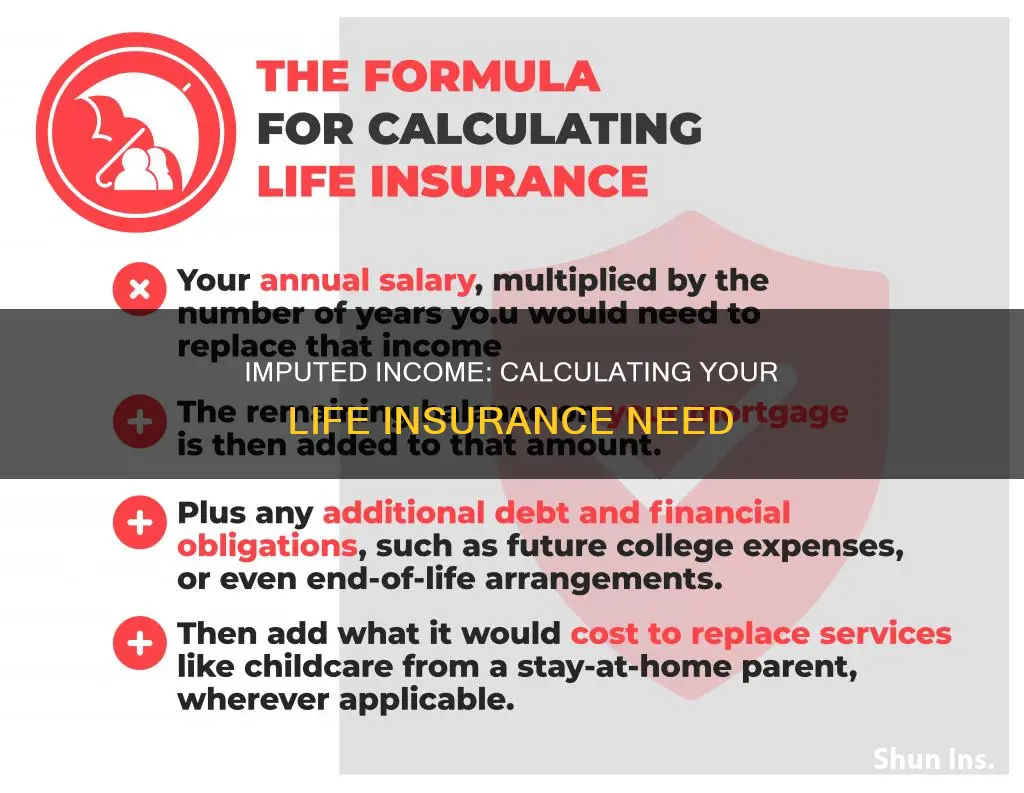
- Income Replacement: If a primary earner passes away, the supplemental term payout can provide the necessary funds to replace lost wages, ensuring the family can remain in their home.
Accidental Death and Dismemberment (AD&D)
AIL is well-known for its AD&D policies, which are often provided in a basic form at no cost to union members, with the option to purchase increased supplemental limits.
- Specific Coverage: This pays out if the insured dies or suffers a specific injury (like loss of sight or a limb) due to a covered accident.
- Double Indemnity: Some supplemental riders allow for higher payouts if the accident occurs while the insured is traveling as a fare-paying passenger on public transportation.
Specialized Health and Supplemental Riders
Beyond standard life insurance, American Income Life provides supplemental health-related products that address the "hidden costs" of illness or injury that standard medical insurance may not cover.
Hospital Indemnity Insurance
This supplemental plan pays a fixed daily amount directly to the policyholder if they are hospitalized. In 2026, with high-deductible health plans being common, these funds are often used to cover out-of-pocket medical expenses, transportation, or even household bills while the individual is unable to work.
Terminal Illness Rider
Many AIL life insurance policies include a terminal illness rider at no additional cost. This allows the policyholder to access a portion of their death benefit (often up to 50%) if they are diagnosed with a terminal condition and have a life expectancy of 12 months or less. This "accelerated death benefit" provides financial dignity during end-of-life care.
The Unique "Union-Centric" Business Model
What differentiates American Income Life from other providers like MetLife or Prudential is its distribution model. AIL works directly with over 45,000 labor unions, credit unions, and fraternal organizations.
When a union signs up for AIL benefits, its members often receive a "no-cost" benefit, such as a small AD&D policy or a "Child Safe Kit." This kit is a widely recognized tool that helps parents record their children's vital information for use by law enforcement in emergencies. The delivery of these "no-cost" benefits usually involves a meeting with an AIL agent, who then explains the benefits of adding supplemental life insurance.
While this model has faced scrutiny for its direct-sales approach, for many union members, it provides an accessible way to obtain insurance that they might otherwise overlook. The agents are often members of the Office and Professional Employees International Union (OPEIU), meaning the insurance is "union-made" for union members.
Comparing AIL Supplemental Insurance to Standard Group Life
To decide if AIL is the right fit, it is helpful to see how it stacks up against the typical life insurance offered by employers.
| Feature | Standard Group Life (Employer) | AIL Supplemental Life |
|---|---|---|
| Ownership | Owned by the employer/company | Owned by the individual |
| Portability | Usually lost upon job change | Stays with you regardless of job |
| Premium Cost | Often low or subsidized by employer | Fixed at age of purchase (Whole Life) |
| Coverage Type | Almost always Term Life | Whole Life, Term, and AD&D options |
| Cash Value | No cash value | Whole Life builds cash value over time |
| Medical Exam | Usually "Guaranteed Issue" (no exam) | May require simplified underwriting |
Determining the Cost of Supplemental Coverage in 2026
The cost of American Income supplemental life insurance is influenced by several factors. Because these are individual policies, they are "underwritten," meaning the company assesses your risk level.
- Age at Entry: This is the most critical factor. Purchasing a supplemental whole life policy at age 25 will result in significantly lower monthly premiums than purchasing the same policy at age 50.
- Tobacco Status: In 2026, tobacco and nicotine use (including vaping) remain major price escalators in life insurance. Non-smokers typically pay 30% to 50% less than smokers.
- Benefit Amount: AIL specializes in "modest" face amounts, often ranging from $10,000 to $100,000. These are designed for final expenses rather than multi-million dollar estate planning, which keeps the premiums accessible for working-class families.
- Health History: While many AIL products use "simplified issue" underwriting (which involves a health questionnaire rather than a blood draw), serious pre-existing conditions can still impact eligibility or pricing.
Common Mistakes to Avoid
When exploring American Income supplemental life insurance, consumers should be aware of common pitfalls to ensure they get the most value:
- Treating it as a Primary Policy: If you have a large mortgage and young children, a $25,000 supplemental whole life policy is not enough. Ensure you have a large term policy for income replacement and use AIL for permanent needs.
- Overlooking the AD&D Fine Print: Remember that AD&D only pays out in the event of an accident. It does not pay for deaths due to natural causes, heart disease, or cancer. It is a supplement, not a substitute for life insurance.
- Failing to Update Beneficiaries: Life changes like marriage, divorce, or the birth of a child should trigger a review of your AIL policy. Supplemental policies are often forgotten during these milestones.
- Not Comparing Rates: Because AIL agents are "captive" (they only sell AIL products), they cannot show you prices from other companies. It is always wise to get a quote from an independent broker to see how AIL’s rates compare for your specific age and health profile.
Verification and Financial Strength
When choosing an insurance provider, the company's ability to pay claims is paramount. As of 2026, American Income Life continues to maintain high financial strength ratings.
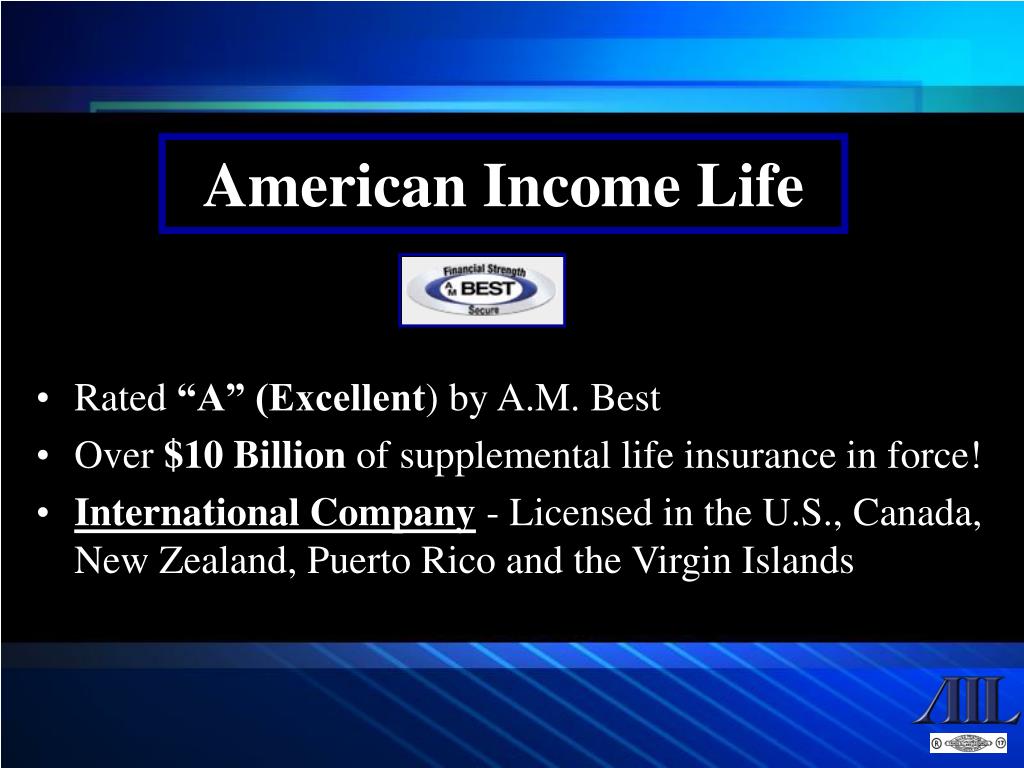
- AM Best: Traditionally, AIL and its parent Globe Life have maintained "A" (Excellent) or "A+" ratings, indicating a very strong ability to meet their ongoing insurance obligations.
- Better Business Bureau (BBB): AIL is an accredited business. While there are often complaints regarding sales tactics, the company typically maintains an "A+" rating due to its responsiveness in resolving claim disputes and billing issues.
- Standard & Poor's (S&P): Generally maintains a strong investment-grade rating for the Globe Life family of companies.
For those wishing to verify the current status of a policy or the company's licensing, the National Association of Insurance Commissioners (NAIC) provides a "Consumer Insurance Search" tool to track financial filings and complaint ratios by state.
Frequently Asked Questions
Is American Income Life insurance only for union members?
While AIL's primary marketing focus is on labor unions and credit unions, they do offer coverage to the general public through certain associations. However, most individuals first encounter the company through their union's endorsement.
Can I cancel my AIL supplemental policy at any time?
Yes, you can cancel your policy at any time. If you have a whole life policy that has accumulated "cash value," you may be entitled to a surrender value upon cancellation. To cancel, you typically must provide a written request to the AIL home office.
What is the "Freedom of Choice" certificate?
This is a specific feature of AIL’s supplemental whole life policies. It is a document that allows your beneficiary to assign a portion of the death benefit directly to a funeral home. This ensures that the funeral home is paid immediately, preventing the family from having to pay out-of-pocket while waiting for the full insurance claim to process.
How do I file a claim with American Income Life?
Claims can be filed through the AIL website or by contacting their claims department directly. You will need a certified copy of the death certificate and the original policy documents. AIL is known for a relatively straightforward claims process, especially for policies that have been in force for more than two years (the standard contestability period).
Does AIL offer coverage for children?
Yes, AIL offers supplemental "Head Start" programs. these are small whole life policies for children or grandchildren that can be purchased at a very low cost and provide the child with guaranteed insurability when they reach adulthood, regardless of future health issues.
Final Recommendation: Is It Right for You?
American Income supplemental life insurance is a viable option for individuals who belong to a participating union or association and need "permanent" coverage that follows them throughout their lives. It is particularly effective for those looking to secure funds for final expenses or those who find it difficult to navigate the complex world of private insurance brokers.
However, if you are looking for the absolute lowest price for a high-value term policy (e.g., $1 million or more), you may find better rates through independent online marketplaces. The best approach in 2026 is to accept the "no-cost" benefits offered by your union, evaluate the supplemental whole life options for final expenses, and then compare those costs against a standard term policy for your broader income-replacement needs.