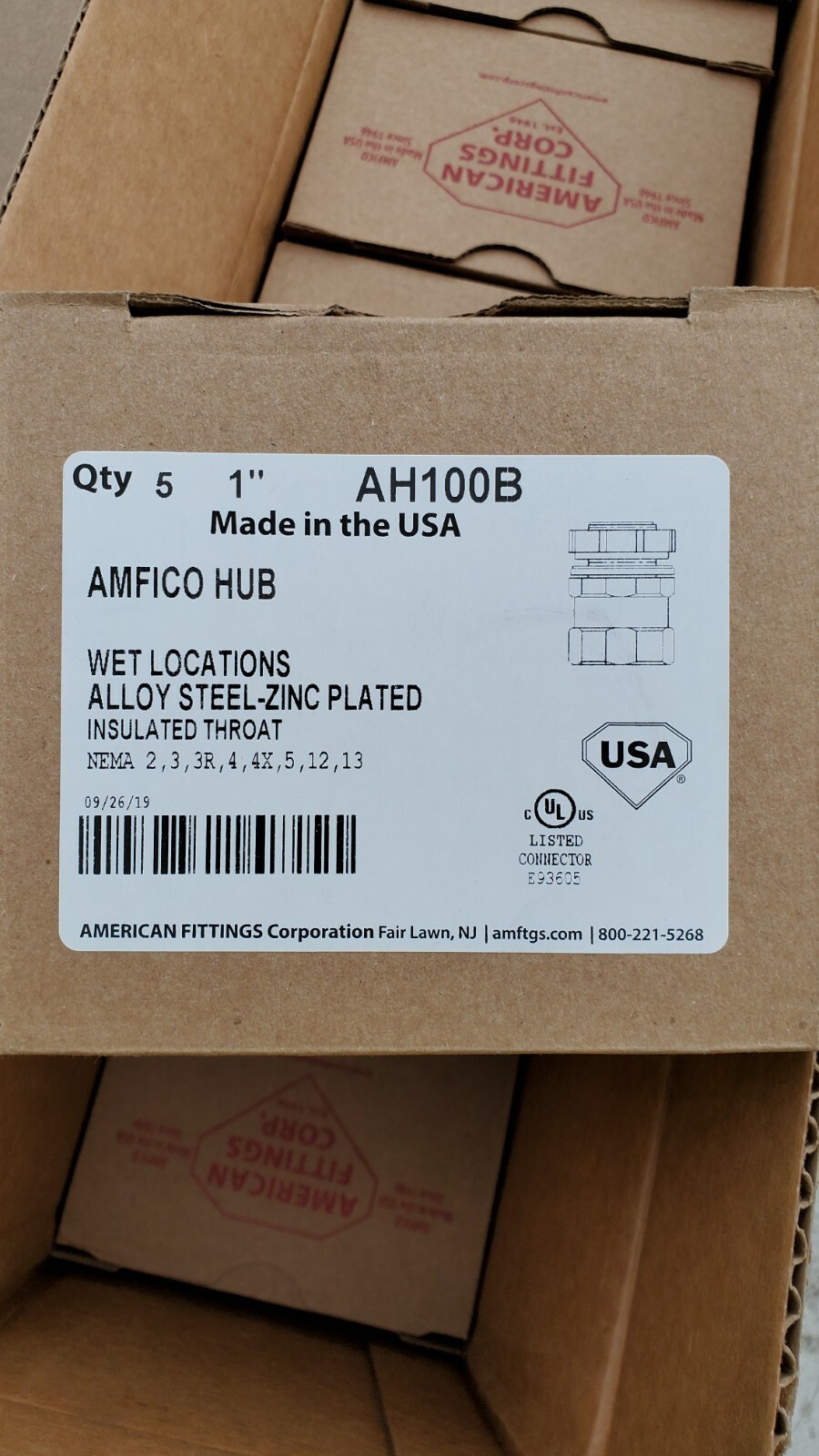
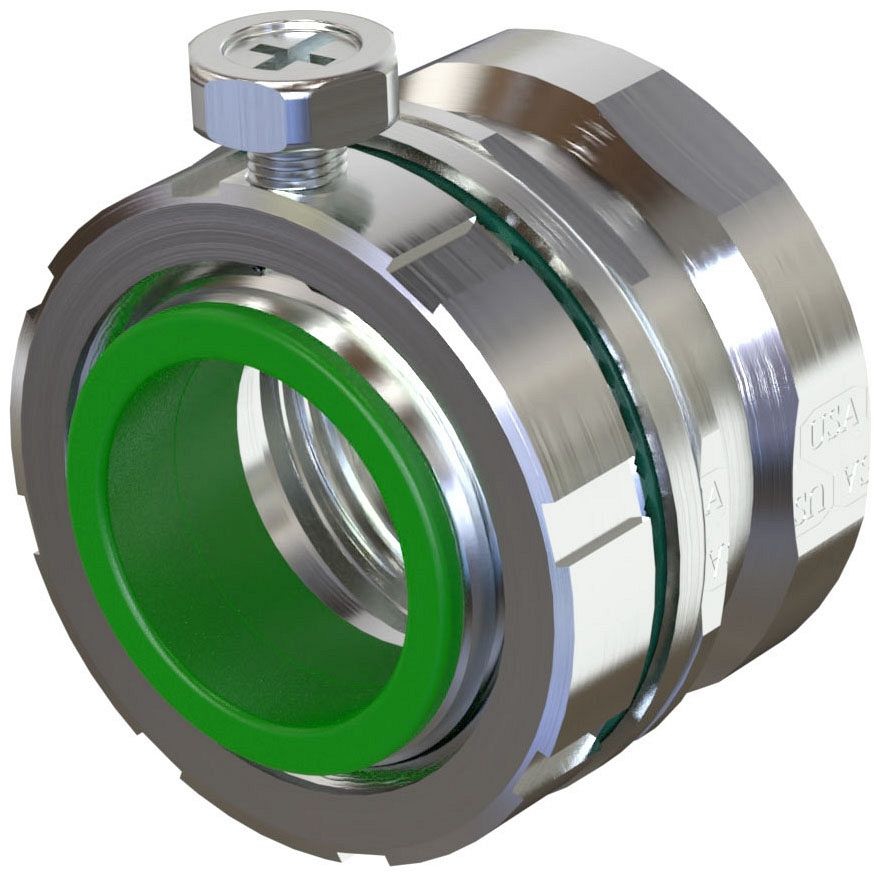
American Fittings Corporation (AMFICO) provides precision-engineered electrical fittings that serve as both critical infrastructure and premium aesthetic elements in modern residential design. In 2026, these high-performance steel and aluminum components are increasingly utilized in "industrial chic" interiors, exposed-ceiling lofts, and robust smart home systems, offering superior durability and a more refined finish than standard retail-grade die-cast zinc alternatives.
The Evolution of Infrastructure as an Aesthetic Element
For decades, electrical components were treated as hidden necessities—tucked behind drywall and masked by paint. However, the design landscape of 2026 continues to embrace "honest architecture," where the mechanical and structural systems of a home are celebrated rather than concealed. American Fittings Corporation has emerged as a key player in this niche, providing the heavy-duty hardware required to make exposed electrical runs look intentional and sophisticated.
The shift toward industrial aesthetics in home design requires materials that can withstand visual scrutiny. While standard residential electrical fittings are often made of brittle die-cast zinc, AMFICO specializes in alloy steel and specialized aluminum. For a homeowner or designer, this transition from "commodity" to "component" means that every junction box connection and conduit run contributes to a sense of permanent, high-quality craftsmanship.
The Appeal of Industrial Chic and Exposed Conduit
The "industrial chic" trend relies heavily on the use of metallic textures—stainless steel, weathered brick, and exposed wood. In these environments, electrical conduit (the tubing that carries wires) is run across the surface of walls and ceilings.
When using AMFICO products, the visual difference is immediate. Their steel compression connectors and couplings offer a streamlined, low-profile appearance that lacks the bulky, "cheap" look of set-screw fittings. This is particularly relevant in:
- Kitchens: Where stainless steel appliances and open shelving demand matching hardware.
- Home Offices: Where the organization of data and power lines can be elevated to a design feature.
- Basements and Lofts: Where high ceilings allow for complex, geometric layouts of conduit that act as a form of industrial sculpture.
Material Excellence: Why Alloy Steel Over Die-Cast Zinc
The primary technical differentiator for American Fittings Corporation is their commitment to using alloy steel. In the context of home design and long-term residential value, the material choice has significant implications for both safety and style.
Durability and Structural Integrity
Die-cast zinc fittings, commonly found in big-box hardware stores, are prone to "creeping" or cracking under stress. In a residential setting, especially in regions with fluctuating temperatures or humidity (such as converted garages or outdoor living spaces), zinc can degrade or oxidize, leaving a white, powdery residue that ruins the aesthetic.
AMFICO’s steel fittings are zinc-plated for corrosion resistance but retain the structural strength of the underlying alloy. This ensures that the electrical "skeleton" of the home remains rigid and secure for decades. From a design perspective, the crisp edges and precise threading of machined steel provide a level of detail that speaks to "luxury" in a way that mass-produced castings cannot.
Environmental Resistance in Modern Homes
As we look at home design trends in 2026, there is a massive push toward "indoor-outdoor" living. Large sliding glass walls and outdoor kitchens are standard in high-end builds. These environments expose electrical systems to the elements. AMFICO’s liquid-tight fittings and weather-proof connectors are essential here. They prevent moisture ingress into the home’s electrical system while maintaining a uniform look with the interior hardware, creating a seamless visual transition between spaces.
Technical Specifications for Residential Architects
When specifying American Fittings Corporation products for a residential project, architects and electrical engineers focus on several key technical advantages. These aren't just "parts"; they are engineered solutions that simplify installation and improve the finished look of the home.
Precision Threading and Grounding
A critical aspect of electrical safety is "grounding." In many modern home designs, the metal conduit itself serves as the ground path. AMFICO fittings are designed with precision-cut threads that ensure a tight, metal-to-metal bond. This is superior to cheaper fittings where loose tolerances can lead to intermittent grounding issues.
For the designer, this means fewer unsightly grounding wires or "pigtails" visible outside the boxes, as the hardware itself handles the technical requirements of the National Electrical Code (NEC).
Compression vs. Set-Screw Fittings
In home design, the choice between compression and set-screw fittings is often a matter of visual cleanliness:
- Compression Fittings: These use a nut that tightens around the conduit, creating a 360-degree seal. They are sleek, symmetrical, and look professional. AMFICO's compression fittings are preferred in high-end residential interiors because they lack the protruding screws found on cheaper models.
- Set-Screw Fittings: These use one or more screws to "bite" into the conduit. While functional, the visible screw heads can look cluttered and "unfinished" when used in a living room or bedroom.
Integrating AMFICO with Smart Home Infrastructure
The modern home of 2026 is an ecosystem of sensors, high-speed data lines, and automated systems. Protecting this sensitive infrastructure is a primary concern for homeowners investing hundreds of thousands of dollars in automation.
Shielding and Interference
Electronic noise and electromagnetic interference (EMI) can disrupt smart home performance. By housing data cables in steel conduit secured with AMFICO fittings, installers provide a "Faraday cage" effect. This physical shielding protects 8K video streams, high-fidelity audio, and security signals from interference caused by nearby power lines or appliances.
Future-Proofing the Design
One of the greatest benefits of using high-quality conduit systems in home design is future-proofing. Unlike wires buried directly in the wall, wires inside a conduit system can be easily swapped or upgraded. As networking standards evolve past 2026, a homeowner with a well-designed AMFICO-based conduit system can pull new fiber-optic or Category-9 cables through existing runs without tearing down drywall.
Comparison: AMFICO vs. Standard Residential Fittings
| Feature | AMFICO Steel/Alloy Fittings | Standard Retail Zinc Fittings |
|---|---|---|
| Material Composition | High-strength alloy steel or 6061 aluminum | Die-cast zinc alloy |
| Visual Profile | Low-profile, machined finish, sleek | Bulky, cast appearance, often inconsistent |
| Durability | Resists cracking, stripping, and "creep" | Prone to fracture under over-tightening |
| Corrosion Resistance | Triple-plated or specialized coatings | Basic galvanization; prone to white rust |
| Precision | Tight tolerances for better grounding | Loose tolerances; varied thread quality |
| Sustainability | 100% Recyclable; Made in the USA | Often imported; high carbon footprint |
Sustainable Design and Domestic Manufacturing
In 2026, the provenance of building materials is a major factor in luxury home valuation. Sustainable design is no longer just about solar panels; it’s about the lifecycle and origin of every component.
Reducing the Carbon Footprint
American Fittings Corporation manufactures its products in the United States. For a residential project aiming for LEED certification or simply following a "Buy Local" philosophy, this is a significant advantage. Reducing the transoceanic shipping of heavy metal components significantly lowers the embodied carbon of a renovation or new build.
Ethical Sourcing
Homeowners are increasingly concerned with the labor practices behind their building materials. By specifying AMFICO, designers can guarantee that the hardware in the home was produced under fair labor standards and strict environmental regulations regarding metal plating and waste management. This adds a layer of "intangible luxury" to the home—the knowledge that the infrastructure was built ethically.
Practical Installation and Safety Considerations
While AMFICO products offer aesthetic benefits, they are first and foremost safety components. Proper installation is required to ensure they perform as intended in a residential setting.
- Torque Requirements: Because AMFICO fittings are made of steel, they can handle higher torque than zinc fittings. However, installers should still follow manufacturer specifications to avoid deforming the conduit.
- Bending Radius: When designing an exposed conduit run, the "bends" in the pipe are as important as the fittings. Using a hydraulic bender for 1/2" or 3/4" EMT (Electrical Metallic Tubing) ensures that the lines remain crisp and parallel, complementing the precision of the AMFICO connectors.
- Color Matching: While the natural metallic finish is popular, AMFICO fittings can be powder-coated to match specific interior palettes. This is common in "total black" or "minimalist white" designs where the texture of the conduit is desired, but the silver color is not.
Frequently Asked Questions
Can AMFICO fittings be used with residential PVC conduit?
Generally, AMFICO focuses on metallic conduit systems (EMT, Rigid, IMC). While there are adapters available, the primary design and safety benefits of AMFICO products—such as grounding and physical durability—are best realized when used with metal conduit. Using metal hardware on plastic pipe often defeats the aesthetic and structural purpose of specifying premium fittings.
Are these fittings more expensive than the ones at local hardware stores?
Yes, AMFICO fittings carry a premium price point compared to mass-market zinc die-cast fittings. However, the cost difference is negligible in the context of a total home renovation budget. For example, the difference might be $2.00 vs. $0.50 per fitting. In a room requiring 20 fittings, the $30 investment provides a significant upgrade in both safety and visual quality.
Do I need a special electrician to install these?
Any licensed electrician can install American Fittings Corporation products, as they follow standard NPT (National Pipe Thread) and UL (Underwriters Laboratories) guidelines. However, if the goal is an "exposed" design feature, it is recommended to hire an electrician with experience in "architectural conduit" or "conduit art," as the layout requires more precision than hidden wiring.
Is steel conduit and AMFICO hardware safe for coastal homes?
In coastal environments, salt air is highly corrosive. While AMFICO’s zinc-plated steel is very durable, for homes directly on the ocean, their stainless steel or specialized aluminum lines are recommended. These materials offer the highest level of resistance to salt spray and prevent the "bleeding" of rust onto the home's exterior or interior finishes.
Can these fittings be used for plumbing or gas?
No. Electrical fittings are specifically designed and UL-listed for electrical raceways. They are not pressure-rated for water, steam, or gas. Using electrical fittings for plumbing is a violation of building codes and poses significant safety risks.
Final Recommendation for Homeowners and Designers
For those undertaking a high-end residential project in 2026, the details matter. Integrating American Fittings Corporation products is a strategic choice that bridges the gap between industrial utility and modern luxury.
If you are a homeowner, ask your architect about using "machined steel compression fittings" for any exposed electrical work. If you are a designer, consider the hardware not just as a utility, but as a finish. By moving away from commodity-grade zinc and toward AMFICO’s American-made steel components, you ensure that the home’s infrastructure is as durable, safe, and beautiful as the architecture it supports.