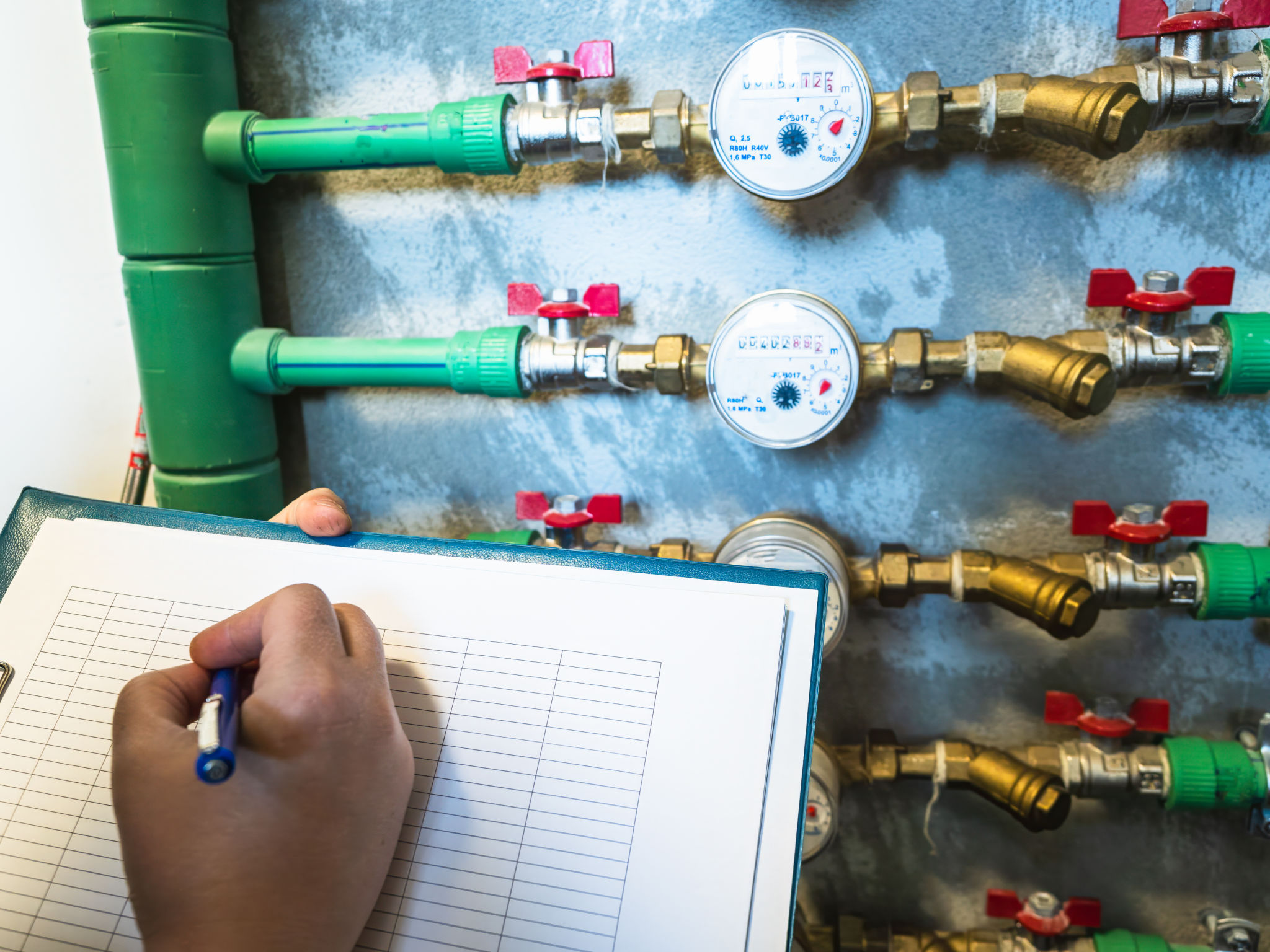
Maintaining water safety in San Diego requires residents to understand the function of backflow prevention assemblies and the regulatory requirements surrounding them. If you own property with a backflow device, you are responsible for its annual testing by a certified technician to ensure that contaminated water does not flow backward into the public drinking water system.
Understanding Backflow and Its Importance to San Diego Residents
In the context of plumbing and municipal water systems, "backflow" refers to the undesirable reversal of water flow from a private plumbing system back into the public water supply. This occurs when pressure gradients change—either through "backpressure" (when a private system has higher pressure than the water main) or "backsiphonage" (caused by a drop in supply pressure, such as a water main break or fire hydrant use).
For residents in San Diego, this is not merely a plumbing inconvenience; it is a critical public health issue. Cross-connections—physical links between potable water pipes and non-potable sources like irrigation systems, pools, or industrial cooling units—can introduce fertilizers, pesticides, bacteria, or chemicals into the drinking water.
The City of San Diego Public Utilities Department manages the Cross-Connection Control Program to mitigate these risks. As a homeowner, if your property has a dedicated irrigation meter, a large landscaping water feature, or a specialized fire suppression system, the city likely mandates the installation of a backflow prevention assembly. The "American Backflow" entity frequently appears in local service contexts as a descriptor for the standard testing requirements or as a reference to service providers certified to perform the mandatory inspections required by the California Code of Regulations and the San Diego Municipal Code.
Identifying Your Backflow Requirements
Not every residence requires a backflow prevention assembly. Most standard residential connections rely on the air gap between the water faucet and the water level in a basin, which is sufficient for basic safety. However, you are likely required to maintain a backflow device if your property meets specific criteria:
- Irrigation Systems: If your home features an automated irrigation system connected to the municipal water supply, you are almost certainly required to have a Reduced Pressure Principle (RP) assembly or a Double Check Valve (DCV) assembly.
- Auxiliary Water Supplies: If you have a private well or a reclaimed water connection on the same property as your municipal water supply.
- High-Hazard Plumbing: Properties with dedicated fire sprinkler systems, large swimming pools with automated fill valves, or sophisticated water-based heat pumps.
The City of San Diego typically issues an annual notice to property owners who are registered as having a testable backflow assembly. If you have received a "Backflow Prevention Assembly Test Notice," you are legally obligated to engage a certified backflow tester to evaluate the device and submit the results to the city.
How the Annual Testing Process Works
The mandatory testing process is designed to ensure the mechanical components—specifically the check valves and relief valves—are functioning correctly. These devices contain springs, seals, and discs that degrade over time due to mineral buildup, water pressure fluctuations, and natural wear.
When you hire a certified technician, the process generally follows these steps:
- Notification: You receive a notice from the City of San Diego indicating the device requires testing within a specific timeframe (usually 30 to 60 days).
- Scheduling: You contact a technician who holds a current Cross-Connection Control Specialist certification (or equivalent license recognized by the San Diego County Water Authority).
- Field Testing: The technician arrives, shuts off the water to the device, and uses a differential pressure gauge to test the holding pressure of the internal check valves. They will also verify the opening point of the relief valve.
- Documentation: Once the test is completed, the technician completes the standardized form provided by the city.
- Submission: The test report must be submitted to the Public Utilities Department. In 2026, most jurisdictions prefer digital submission via a municipal portal, though paper copies may still be accepted depending on current local protocols.
Selecting a Qualified Service Provider
When searching for "American backflow" services or testing providers in San Diego, focus on the credentials rather than the marketing. The term "American" is often associated with the standard set by the Foundation for Cross-Connection Control and Hydraulic Research (FCCCHR), which sets the criteria for backflow device certification.
| Service Factor | What to Look For | Why it Matters |
|---|---|---|
| Certification | AWWA/ABPA Certified | Ensures the technician is trained to specific industry standards. |
| Calibration | Recent Gauge Calibration | Testing accuracy depends on the calibration of the technician's equipment. |
| Documentation | Digital Filing Capabilities | Ensures your test result reaches the city, preventing potential fines. |
| Repair Capability | Licensed Plumbing Contractor | A tester may find a fault; you need a plumber who can fix it immediately. |
Avoid hiring individuals who cannot provide proof of current, active certification. Using an uncertified individual can result in the city rejecting the test report, leaving you to pay for the test twice.
Common Issues and Troubleshooting
If your backflow device fails its annual test, do not panic. Failure does not necessarily mean the entire unit needs to be replaced. Most common failures are due to:
- Debris Interference: Small pebbles or sand particles in the water line can prevent the check valve from seating properly, leading to a "leaking" result during testing.
- Mineral Deposits: San Diego’s water has a high mineral content, which can cause internal parts to stick.
- Spring Fatigue: Over time, the springs inside the assembly lose their tension and must be replaced.
If a failure occurs, your technician will likely recommend a "rebuild kit." This involves replacing the internal rubber seals, O-rings, and potentially the springs. In almost all cases, a professional rebuild restores the device to manufacturer specifications, saving you the high cost of a full unit replacement. Only in extreme cases—such as a cracked housing due to freezing or severe physical damage—will a full replacement of the entire assembly be necessary.
Cost Considerations for 2026
Budgeting for backflow maintenance in 2026 involves two main costs: the inspection fee and the potential repair fee.
- Inspection Fees: Typically range from $100 to $200 per device, depending on the complexity of the assembly and the provider’s travel distance. Multi-device discounts are often available if you have an irrigation backflow and a fire suppression backflow on the same property.
- Repair Costs: Simple maintenance, such as flushing the unit to remove debris, might be included in the service call. A full rebuild kit, including parts and labor, typically ranges between $250 and $600, depending on the manufacturer and the size of the valve (most residential valves are 3/4-inch to 1-inch in size).
Always request an itemized quote before work begins. Ensure the quote explicitly states that the service includes the submission of the test report to the City of San Diego.
Legal and Compliance Risks
The San Diego Public Utilities Department is tasked with protecting the public water supply. If you ignore your annual testing notice, the city may escalate the matter. The standard enforcement process involves:
- Initial Notice: A reminder sent to your registered address.
- Second/Final Notice: A warning that failure to comply will lead to the next step.
- Water Service Disconnection: In cases of chronic non-compliance, the city has the legal authority to shut off the water service to the property until the backflow assembly is tested and brought into compliance.
- Fines: Ongoing non-compliance can lead to administrative fines added to your water bill.
Compliance is not just about avoiding fines; it is about ensuring that your household's plumbing does not inadvertently contaminate the neighborhood's water supply. If your device is faulty and a backsiphonage event occurs, you could be held liable for damages to the municipal system or for the illnesses of neighbors who consume contaminated water.
Frequently Asked Questions
1. Is "American Backflow" a specific company I must use? No. The term "American" is frequently used in the industry to describe the standard compliance protocols established by national water associations (such as the AWWA). You are free to hire any licensed, certified professional of your choosing, provided they are authorized to submit test reports in San Diego.
2. Can I test my own backflow device? No. Municipal regulations require that backflow prevention assemblies be tested by a certified tester who uses calibrated equipment. A test performed by a non-certified individual is invalid, and the city will not accept the results.
3. Why is my backflow device leaking water? A small amount of water from the relief port during a pressure fluctuation is normal for an RP (Reduced Pressure) assembly—it is doing its job by venting water to prevent backflow. However, if it is spraying or continuously leaking, the internal seals are likely damaged, and it requires immediate service.
4. Does a home warranty cover backflow testing? Generally, no. Home warranties typically cover the repair of components that fail due to wear and tear, but they rarely cover the cost of the mandated annual testing or the routine maintenance of irrigation-specific backflow devices. You should check your specific policy documents to confirm your coverage details.
5. What is the difference between a double check valve and an RP assembly? An RP assembly is designed for higher-hazard cross-connections and includes a relief valve that vents water to the atmosphere, providing a higher level of protection. A double check valve (DCV) is a simpler, two-check-valve system used for lower-risk connections. Your city notice will specify which type is required for your property.
Next Steps for Property Owners
If you own a property in San Diego with a backflow prevention assembly, take these three actions:
- Check your records: Locate your last test report. It should indicate the date the test was performed and the name of the certification of the technician.
- Check the calendar: If it has been more than 11 months since your last test, contact a certified technician to schedule an appointment before your official city notice arrives. This ensures you avoid the rush and potential deadlines.
- Verify the technician: Before the technician arrives, ask for their certification number and confirm they are familiar with the current reporting procedures for the City of San Diego Public Utilities Department.
By proactively managing your backflow equipment, you safeguard your home and contribute to the overall safety of the San Diego water infrastructure.