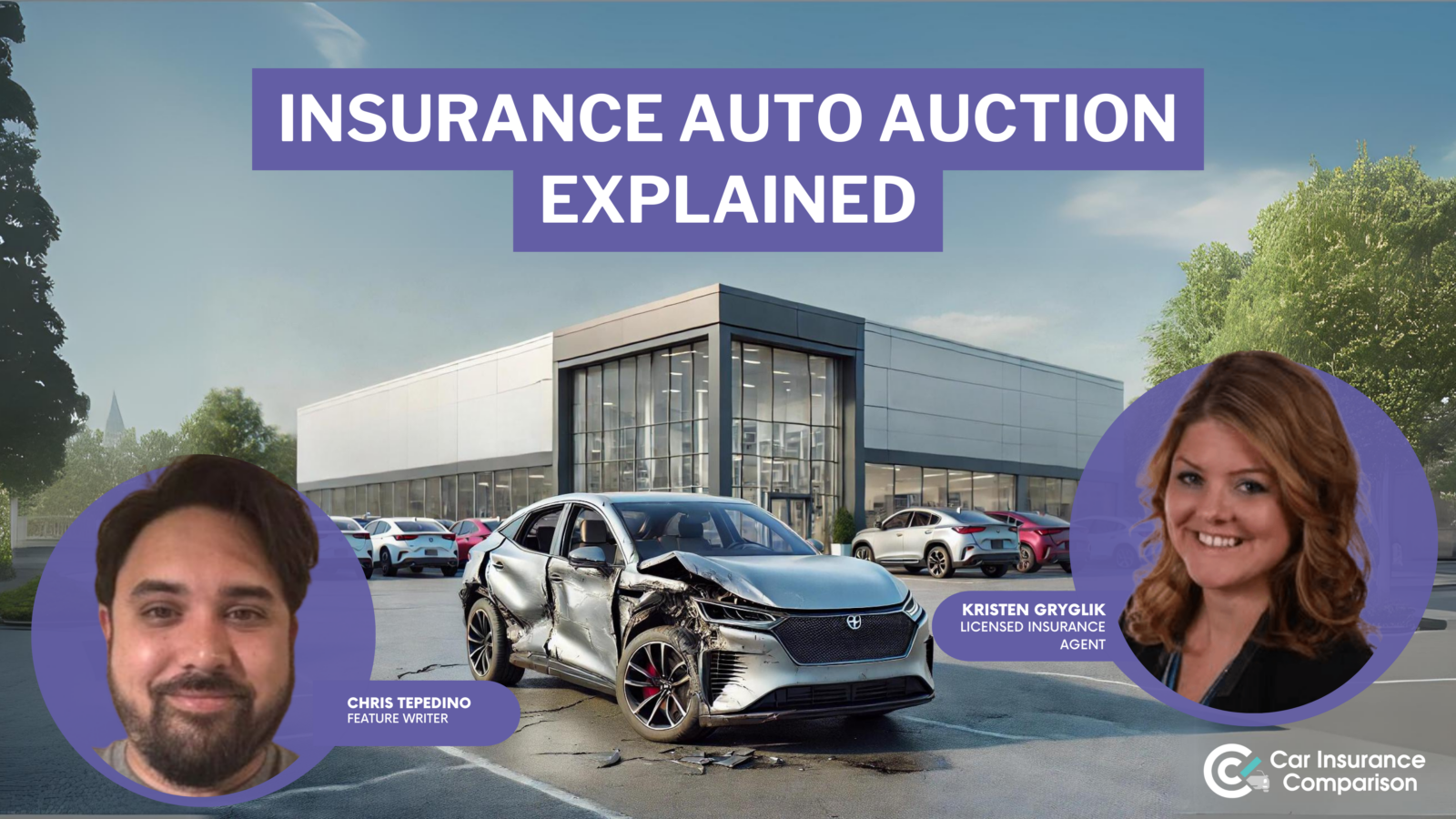
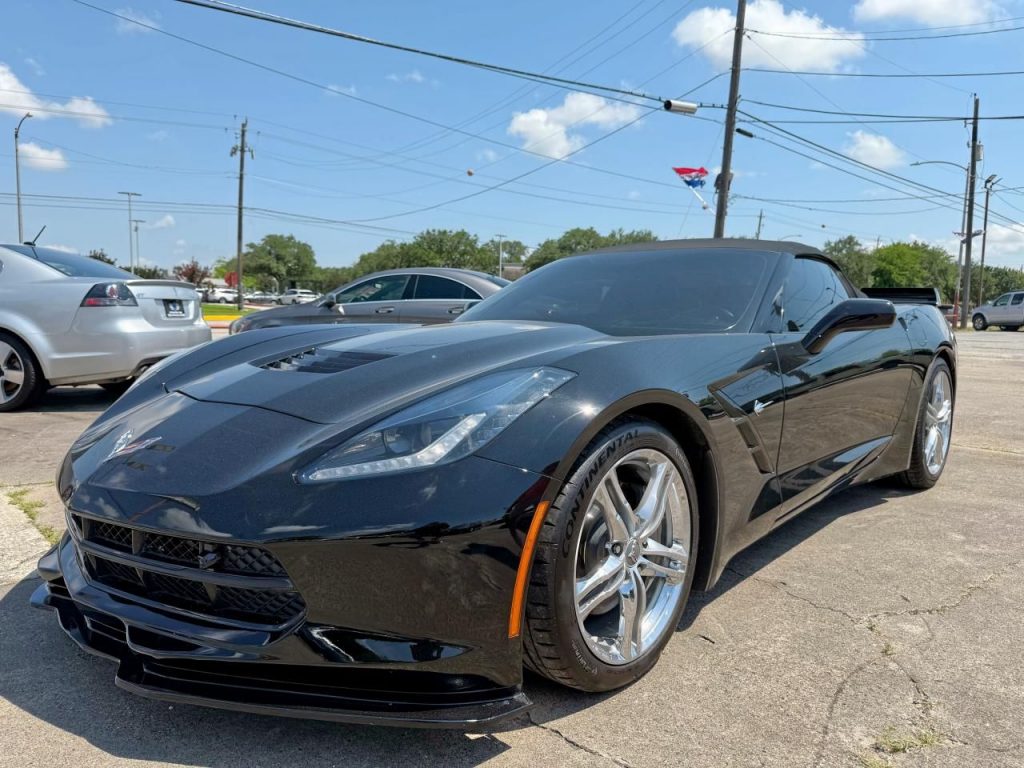
American auto insurance auctions are specialized marketplaces where insurance carriers liquidate vehicles that have been declared a total loss, recovered from theft, or repossessed. These auctions, dominated by industry giants such as Copart and IAA, provide a platform for licensed dealers, recyclers, and, in some jurisdictions, the general public to purchase vehicles at a fraction of their retail value.
The Evolution of the American Auto Insurance Auction Ecosystem
The landscape of American auto insurance auctions in 2026 is a sophisticated intersection of automotive logistics, legal title management, and digital bidding technology. Historically, these auctions were physical-only events restricted to local "junk car" buyers. Today, they are global digital platforms where a vehicle in Los Angeles can be sold to a buyer in Dubai or a rebuilder in Georgia within minutes.
Insurance companies, such as State Farm, GEICO, and Progressive, utilize these auctions to mitigate losses. When a vehicle is involved in an accident, the insurer evaluates the cost of repairs against the vehicle's Actual Cash Value (ACV). If the repair costs exceed a certain percentage (typically 70% to 80% depending on state law), the car is deemed a "total loss." The insurance company pays the owner the ACV, takes possession of the vehicle and its title, and then sends the vehicle to an auction house to recoup a portion of the claim payout.
Major Participants and Platforms
The market is primarily controlled by two major entities that manage the vast majority of insurance-related vehicle liquidations in the United States.
Copart, Inc.
Copart is a global leader in online vehicle auctions. Their platform utilizes a patented "VB3" technology that allows for massive concurrent bidding. They handle vehicles for almost every major insurance carrier and have hundreds of physical locations across the U.S. where vehicles are stored and processed.
IAA (Insurance Auto Auctions)
IAA, part of the RB Global family, is the primary competitor to Copart. IAA focuses heavily on the technology of the auction itself, providing detailed "Interact" reports that include 360-degree views and engine sounds. They have a significant footprint in the "whole car" salvage market, often catering to high-volume buyers and automotive recyclers.
Independent and Regional Auctions
While Copart and IAA dominate, regional players and independent auction houses also exist. These may specialize in certain types of vehicles, such as heavy machinery, motorcycles, or high-end luxury repossessions.
Understanding Title Designations and Vehicle Conditions
The most critical factor in an American auto insurance auction is the title status. The title determines the legal future of the vehicle and its eligibility for road use.
- Salvage Title: This is the most common designation. It indicates the vehicle has been damaged to the point that repairs are not economically feasible for the insurer. A salvage title vehicle cannot be legally driven on public roads until it is repaired, inspected by the state, and issued a "Rebuilt" title.
- Clean Title: Occasionally, insurance auctions sell clean-title vehicles. These are often recovered thefts where the insurance company already paid the original owner before the car was found. These vehicles are highly coveted because they do not carry the "salvage" brand.
- Non-Repairable / Certificate of Destruction: These vehicles can never be titled or driven again. They are intended strictly for parts or scrap metal. In 2026, many high-tech EVs with battery pack damage receive this designation due to safety protocols.
- Rebuilt/Reconditioned: This indicates a vehicle was previously a salvage vehicle but has already undergone the state-mandated repair and inspection process.
Buyer Requirements and the Role of Brokers
Access to American auto insurance auctions is governed by state licensing laws. In many states, you must hold a dealer’s license, a dismantler’s license, or a scrap metal processor’s license to bid on salvage vehicles.
The Dealer Advantage
Licensed dealers have the broadest access. They can bid on almost any inventory and often pay lower buyer fees. They are also exempt from sales tax at the time of purchase, as they are buying for resale.
Public Bidding and Brokers
If you are an individual without a license, you have two options:
- Public Auctions: Some auction locations or specific vehicle lots are designated as "Public." Anyone with an account can bid on these.
- Brokers: Most individuals use a third-party broker. These are companies that hold the necessary licenses and allow the public to use those licenses for a fee. The broker handles the bidding and payment, but the buyer takes the risk and the vehicle. Using a broker adds an extra layer of cost, typically between $200 and $500 per vehicle.
The Bidding Process: From Registration to Removal
Success in the auction environment requires a disciplined approach to the bidding lifecycle.
Step 1: Registration and Deposit
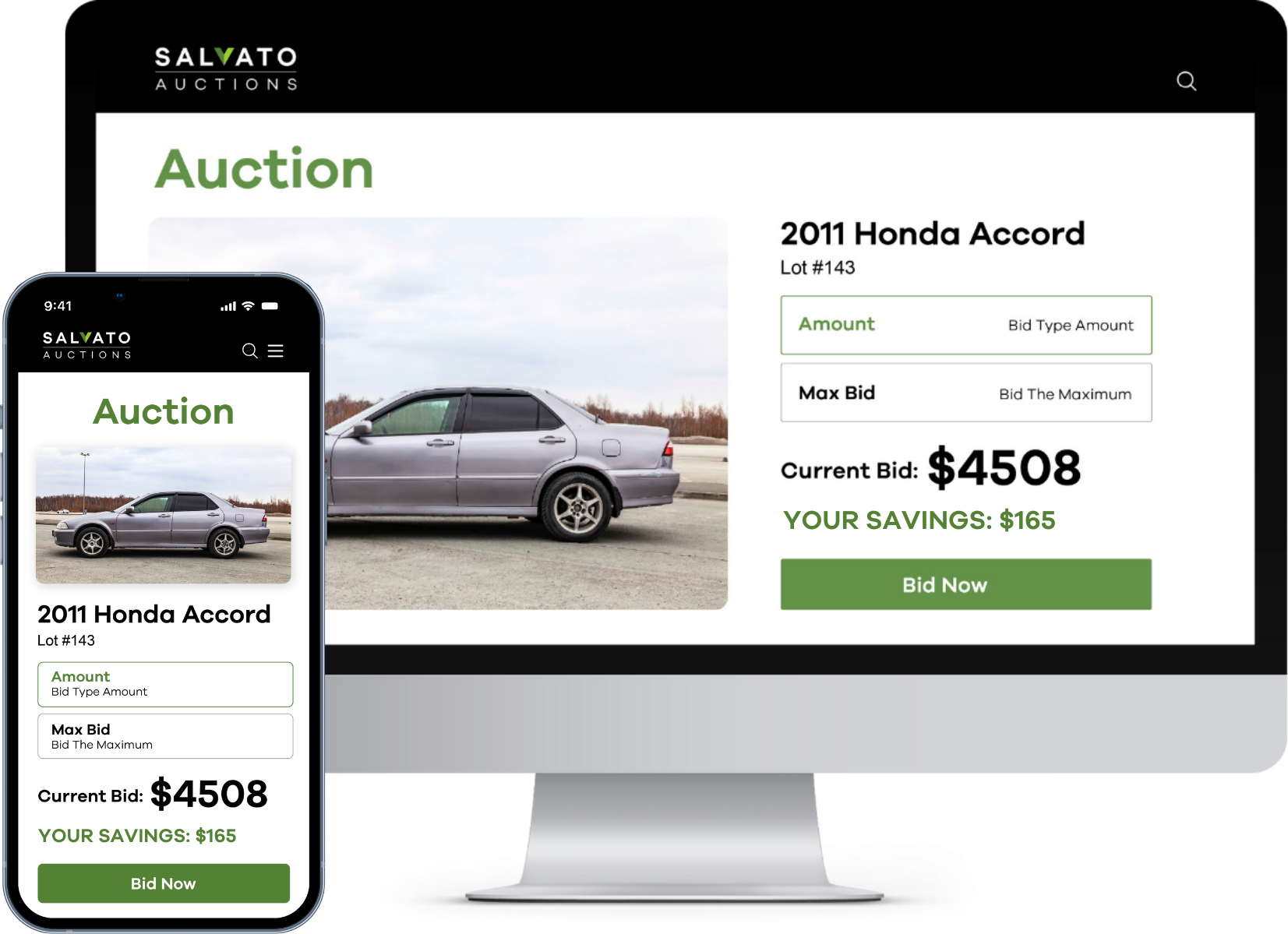
Users must create an account and upload identification. Most platforms require a security deposit—often 10% of the intended maximum bid—before you are allowed to participate in a live auction.
Step 2: Pre-Bidding
Before the live "virtual" auction begins, there is a pre-bidding period. This allows buyers to set their maximum price. If the live auction doesn't exceed your pre-bid, you win the vehicle at the next increment above the second-highest bidder.
Step 3: The Live Auction
The live auction is incredibly fast. Each vehicle is "on the block" for roughly 30 to 60 seconds. Bidders must react instantly. In 2026, most experienced bidders use automated tools or secondary screens to monitor multiple lanes simultaneously.
Step 4: Payment and Documentation
Once you win, the "clock" starts. Most auctions require full payment within 48 to 72 hours via wire transfer or cashier's check. Credit cards are rarely accepted for full vehicle payments due to the high transaction amounts and risk of chargebacks.
Step 5: Vehicle Removal
You are responsible for transporting the vehicle. Most auction yards charge a daily storage fee (often $40-$100) if the vehicle is not picked up within a few days of the sale. Because most salvage vehicles are not drivable, you must coordinate with a licensed transport company.
Financial Analysis: Understanding the Total Cost
The "winning bid" is only a portion of the total investment. Buyers must account for a complex structure of fees.
| Fee Type | Estimated Cost (for a $5,000 bid) | Description |
|---|---|---|
| Buyer Fee | $600 - $900 | Progressive fee based on the vehicle's sale price. |
| Gate/Loading Fee | $50 - $100 | Fee for the auction yard to bring the car to the transport truck. |
| Broker Fee | $200 - $500 | Paid to a third party if you do not have a dealer license. |
| Documentation Fee | $75 - $150 | For processing the title and state paperwork. |
| Internet Bid Fee | $39 - $100 | Fee for using the online bidding platform. |
| Transportation | $300 - $1,500 | Varies by distance and vehicle operability. |
| Storage Fees | $50/day | Charged if the vehicle is not picked up within the "free" window. |
Due Diligence: Protecting Your Investment
Buying from an insurance auction is an "As-Is, Where-Is" transaction. There are no warranties, no returns, and no cooling-off periods.
VIN Analysis and History Reports
Before bidding, every buyer should run the VIN through the National Motor Vehicle Title Information System (NMVTIS). This federal database tracks every time a vehicle is "branded" as salvage or total loss. While services like CARFAX are useful, NMVTIS is the legal standard for title brands.
Understanding the Damage Codes
Auctions use codes like "AO" (All Over), "FR" (Front End), or "SD" (Side). However, these are often superficial. A "Front End" damage code might hide a cracked engine block or a severed wiring harness. In 2026, with the prevalence of Advanced Driver Assistance Systems (ADAS), even a minor front-end tap can require $10,000 in sensor and radar calibration.
Inspection Services
If you cannot physically visit the auction yard, you can hire a third-party inspector. For approximately $150–$250, they will visit the yard, start the vehicle (if possible), and provide a detailed photo gallery and mechanical assessment. This is the single best way to avoid "buying a lemon."
Risks and Common Pitfalls
The potential for high profit margins in the salvage market is balanced by significant risks.
- Title Delays: It can sometimes take weeks or months for an insurance company to release a title to the auction house. During this time, your capital is locked up in a vehicle you cannot sell or register.
- Hidden Flood Damage: Flood-damaged cars are notorious for "electrical gremlins" that may not appear for months. Corrosion in the ECU or wiring harnesses can make a vehicle permanently unreliable.
- Biohazard Designations: Vehicles involved in major accidents may be labeled as biohazards. These require professional remediation and can be dangerous to handle without proper equipment.
- Frame/Structural Integrity: Modern unibody vehicles are designed with "crumple zones." If the structural pillars are compromised, the vehicle may never be safe to drive again, regardless of how "straight" the body panels look.
Post-Auction: The Path to a Rebuilt Title
For those looking to return a vehicle to the road, the auction win is just the beginning.
- Repair Documentation: You must keep every receipt for parts. Most states require you to prove that the parts used for repair were not stolen.
- State Inspection: Once repaired, the vehicle must undergo a "Salvage Inspection" by the State Police or DMV. They are looking for safety and evidence of "chop shop" parts.
- Title Branding: After passing, you receive a new title. It will be branded "Rebuilt Salvage." While the car is now legal to drive, this brand permanently reduces the resale value—usually by 20% to 40% compared to a clean-title equivalent.
- Insurance Limitations: Many insurance companies will only offer "Liability Only" coverage for rebuilt vehicles. Obtaining comprehensive or collision coverage can be difficult or expensive.
Frequently Asked Questions
Can I drive a car home from an insurance auction?
No. Almost all auction yards prohibit driving vehicles off the lot for safety and liability reasons. Even if the car starts and runs, it likely does not have valid registration or insurance. You must have it towed or transported by a professional carrier.
Why do insurance companies sell cars that look perfectly fine?
Insurance companies look at the total cost of ownership. If a vehicle has a high Actual Cash Value, but the parts are backordered or the rental car costs for the owner during repair will take months, the "total loss" threshold is reached quickly. Additionally, hail damage often leaves a car mechanically perfect but aesthetically totaled.
Are there "buy it now" options?
Yes, many platforms like Copart and IAA offer a "Buy It Now" feature. This allows you to bypass the live auction by paying a price set by the insurance company. While this eliminates the competition, the price is usually higher than what the vehicle might fetch in a "pure sale" auction.
Is it possible to find electric vehicles at these auctions?
In 2026, electric vehicles (EVs) are a staple of insurance auctions. However, they carry unique risks. Battery damage can lead to thermal runaway (fires), and many manufacturers restrict the ability to "fast charge" a vehicle that has been branded as salvage until it has been inspected by the manufacturer.
What is a "Pure Sale"?
A "Pure Sale" means the vehicle will be sold to the highest bidder regardless of the price. Other vehicles may be sold "On Approval" or with a "Minimum Bid," where the insurance company reserves the right to reject the final high bid if it doesn't meet their internal recovery target.
Strategic Recommendation
For individuals or businesses entering the American auto insurance auction market in 2026, the key to success is specialization. Rather than bidding on any vehicle that looks like a "deal," successful buyers focus on specific makes, models, or types of damage. This allows for more accurate repair cost estimation and a better understanding of the resale market.
Always prioritize "Run and Drive" verified vehicles, but verify them independently. Utilize the National Motor Vehicle Title Information System for every purchase, and never bid more than you are willing to lose. The auction market is a high-reward environment, but it rewards the informed and penalizes the impulsive.