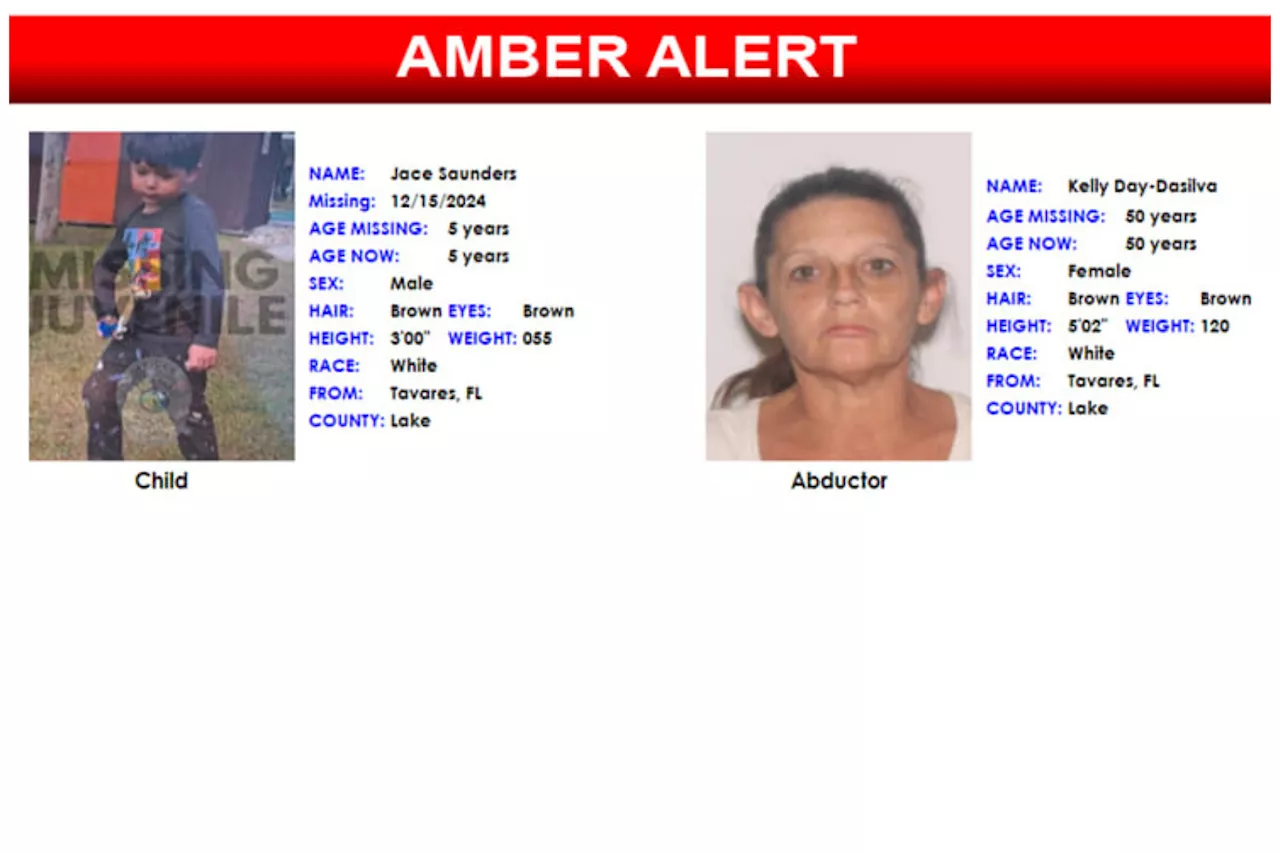
In Charlotte, an Amber Alert is a high-priority emergency notification issued when a child has been abducted and is believed to be in imminent danger. Managed by the North Carolina Center for Missing Persons in coordination with the Charlotte-Mecklenburg Police Department (CMPD), these alerts mobilize the public to assist in the safe recovery of the child.
The Amber Alert system (America's Missing: Broadcast Emergency Response) serves as a critical bridge between law enforcement and the civilian population. In a major metropolitan hub like Charlotte, where high-traffic corridors such as I-77 and I-85 intersect, the speed and reach of an alert are paramount. As of 2026, the integration of cellular technology, highway digital signage, and social media ensures that residents in Mecklenburg County and surrounding areas are informed within minutes of a confirmed abduction.
The Specific Criteria for Issuing an Amber Alert in North Carolina
Not every report of a missing child triggers an Amber Alert. To prevent "alert fatigue"—a phenomenon where the public becomes desensitized to frequent emergency notifications—the North Carolina Department of Public Safety (NCDPS) maintains strict criteria. For an alert to be issued in Charlotte or elsewhere in the state, the following conditions must be met:
- Age of the Victim: The child must be 17 years of age or younger.
- Belief of Abduction: Law enforcement must believe that the child has been abducted (taken against their will or the will of their legal guardian).
- Imminent Danger: There must be a reasonable belief that the child is in danger of serious bodily harm or death.
- Descriptive Information: There must be enough descriptive information about the child, the abductor, and/or the suspect's vehicle to believe an immediate broadcast will assist in the recovery.
- Data Entry: The child’s name and other critical data elements must be entered into the National Crime Information Center (NCIC) system.
In cases involving "family abductions" (e.g., a non-custodial parent taking a child), an Amber Alert is generally only issued if there is a specific threat of violence or harm to the child. If the situation does not meet these criteria, local authorities like the Charlotte-Mecklenburg Police Department (CMPD) may still use other methods, such as local media releases or social media posts, to locate the missing minor.
How the Alert Process Works in Charlotte and Mecklenburg County
The initiation of an Amber Alert is a multi-step process involving local, state, and sometimes federal agencies. When a child goes missing in Charlotte, the CMPD is typically the first agency on the scene.
Initial Investigation and Request
Once the CMPD determines that a case meets the state's criteria, they do not issue the Amber Alert themselves. Instead, they contact the North Carolina Center for Missing Persons, which is a division of the North Carolina State Highway Patrol. The Center acts as the clearinghouse for all Amber Alerts statewide. The CMPD provides investigators' findings, including photos, vehicle license plate numbers, and last known locations.
Verification and Activation
The North Carolina Center for Missing Persons verifies the information. If the criteria are satisfied, they activate the Emergency Alert System (EAS). This activation triggers a cascade of notifications across various platforms. In Charlotte, this means local television and radio stations will interrupt programming to broadcast the details. Simultaneously, the North Carolina Department of Transportation (NCDOT) begins displaying the vehicle and suspect information on electronic message signs along major thoroughfares like I-485 and Independence Boulevard.
Regional Coordination
Because Charlotte is located on the border of South and North Carolina, regional coordination is essential. If a suspect is believed to be heading toward Rock Hill or Fort Mill, the NC Center for Missing Persons coordinates with the South Carolina Law Enforcement Division (SLED) to ensure the alert crosses state lines. This "border-blind" approach is vital for the Charlotte metro area's safety network.
Technology and Distribution Channels in 2026
The Amber Alert system has evolved significantly from its radio-based origins. In 2026, the infrastructure relies heavily on automated digital systems to ensure information reaches the widest possible audience instantly.
Wireless Emergency Alerts (WEA)
Most residents first encounter an Amber Alert via a loud, distinct tone on their smartphones. These are Wireless Emergency Alerts (WEA). Unlike standard text messages, WEAs use a dedicated frequency that is not affected by network congestion. These alerts are geographically targeted; if an abduction occurs in Charlotte, phones connected to cell towers in Mecklenburg, Gaston, Cabarrus, and Union counties will likely receive the notification.
Social Media and Digital Partnerships
Social media platforms like Meta (Facebook and Instagram) and X (formerly Twitter) have integrated Amber Alert protocols into their feeds. In 2026, these platforms use "geo-fencing" to prioritize alert information for users currently located in the Charlotte area. Additionally, ride-sharing apps and digital navigation tools like Waze often display active Amber Alert information to drivers, turning thousands of commuters into extra eyes for law enforcement.
What to Do When You Receive an Amber Alert in Charlotte
Receiving an Amber Alert can be startling, but knowing how to react is crucial for the victim's safety. Residents are encouraged to follow a specific protocol:
- Read the Alert Carefully: Do not dismiss the notification immediately. Note the description of the vehicle (color, make, model, and license plate) and the suspect.
- Observe Your Surroundings: If you are driving or in a public space, look for vehicles or individuals matching the description. However, do not put yourself in danger.
- Report, Don't Intervene: If you spot the suspect or the vehicle, call 911 immediately. Provide your exact location, the direction the vehicle is traveling, and any other identifying details. Never attempt to follow or confront a suspect yourself.
- Share Responsibly: If you see the alert on social media, share it. However, always ensure you are sharing the official post from the CMPD or NCDPS to avoid spreading outdated or incorrect information.
Comparing Alert Types: Amber vs. Silver vs. Blue
North Carolina utilizes several different alert systems depending on the nature of the emergency and the population at risk. Understanding the differences helps residents prioritize their response.
| Alert Type | Target Population | Criteria for Activation | Primary Agency |
|---|---|---|---|
| Amber Alert | Children (17 and under) | Abducted; in imminent danger of harm or death. | NC Center for Missing Persons / CMPD |
| Silver Alert | Persons with cognitive impairment | Missing; believed to be suffering from dementia, Alzheimer's, or other disability. | NC Center for Missing Persons |
| Blue Alert | Law Enforcement Officers | Officer killed or seriously injured; suspect at large and poses a public threat. | NC State Highway Patrol |
| Ashanti Alert | Adults (18 to 64) | Missing and endangered; does not meet Amber or Silver criteria. | NCDPS |
The Silver Alert is particularly common in Charlotte due to the region's large population of seniors. Unlike the Amber Alert, which usually involves a criminal abduction, a Silver Alert is often issued for individuals who have wandered away from home or care facilities due to medical conditions.
Common Misconceptions and Challenges
Despite its success rate, the Amber Alert system is often misunderstood by the public. One of the most common misconceptions is that a 24-hour waiting period is required before reporting a missing child. This is false. In Charlotte, there is no waiting period to report a missing person, especially a minor.
Another challenge is "alert fatigue." Because Amber Alerts are loud and intrusive, some users choose to disable emergency notifications on their phones. Law enforcement discouraged this, as the system's effectiveness relies entirely on the density of the observant public. In 2026, improvements in "silent" notification delivery during late-night hours have helped mitigate some public pushback while maintaining the system's integrity.
Supporting Resources and Contact Information
If you have information regarding a missing child in Charlotte, or if you need to report a disappearance, use the following resources:
- Emergency Services: Dial 911 (Immediate response within Charlotte/Mecklenburg County).
- Charlotte-Mecklenburg Police Department (CMPD): (704) 336-7600 (Non-emergency line for general inquiries).
- National Center for Missing & Exploited Children (NCMEC): 1-800-THE-LOST (1-800-843-5678). NCMEC provides support to families and technical assistance to law enforcement.
- NC Center for Missing Persons: NCDPS Website. This is the official state site for active alerts.
The legal authority for the Amber Alert system in North Carolina is derived from the PROTECT Act of 2003, which established the national coordination of these alerts. Since then, the partnership between the U.S. Department of Justice and state agencies has resulted in the recovery of hundreds of children nationwide.
Frequently Asked Questions
What happens if I see a car from an Amber Alert?
If you see a vehicle matching the description in an Amber Alert, call 911 immediately. Do not attempt to stop the vehicle or follow it closely, as this could escalate the danger for the child. Provide the dispatcher with your location, the vehicle's direction of travel, and the license plate number if visible. Stay on the line until the dispatcher has all the necessary information.
Why didn't I receive an Amber Alert on my phone?
There are several reasons you might not receive an alert. Your phone's settings may have "Government Alerts" or "Emergency Alerts" turned off. Additionally, WEA alerts are broadcast to specific geographic areas; if you are outside the targeted notification zone, your phone will not trigger. Finally, older mobile devices may not support the latest WEA protocols.
Can a parent be the subject of an Amber Alert?
Yes. If a non-custodial parent takes a child and the police believe the child is in danger of harm or death, an Amber Alert can be issued. The key factor is not the relationship of the abductor to the child, but the level of risk the child faces.
How do I sign up for Amber Alerts in Charlotte?
Most residents are automatically signed up through the Wireless Emergency Alert (WEA) system on their mobile devices. To ensure you receive them, check your phone’s notification settings under "Emergency Alerts." You can also follow the Charlotte-Mecklenburg Police Department on social media platforms for real-time updates on local missing persons cases.
Is there a cost to the city of Charlotte to issue an Amber Alert?
The Amber Alert system is a collaborative effort funded through state and federal budgets. While there is an operational cost involved in the investigation and the technology used to broadcast the alert, there is no direct "fee" for the issuance of an alert. The program is considered a vital public safety service supported by tax revenue and federal grants.
What is the "Ashanti Alert," and how is it different?
The Ashanti Alert is used for missing adults between the ages of 18 and 64 who are believed to be abducted or in physical danger. It fills the gap between the Amber Alert (for children) and the Silver Alert (for those with cognitive impairments). It follows similar notification protocols but has its own distinct criteria for activation.
Practical Recommendation
For Charlotte residents, the best course of action is to keep emergency notifications enabled on your mobile device. While the alerts can be disruptive, they are only issued in the most dire circumstances where minutes can mean the difference between life and death. Additionally, consider downloading the Charlotte-Mecklenburg Police Department mobile app, which provides localized safety updates and allows you to submit tips directly to investigators. By staying informed and remaining observant, you contribute to a community-wide safety net that protects the most vulnerable members of the Queen City.