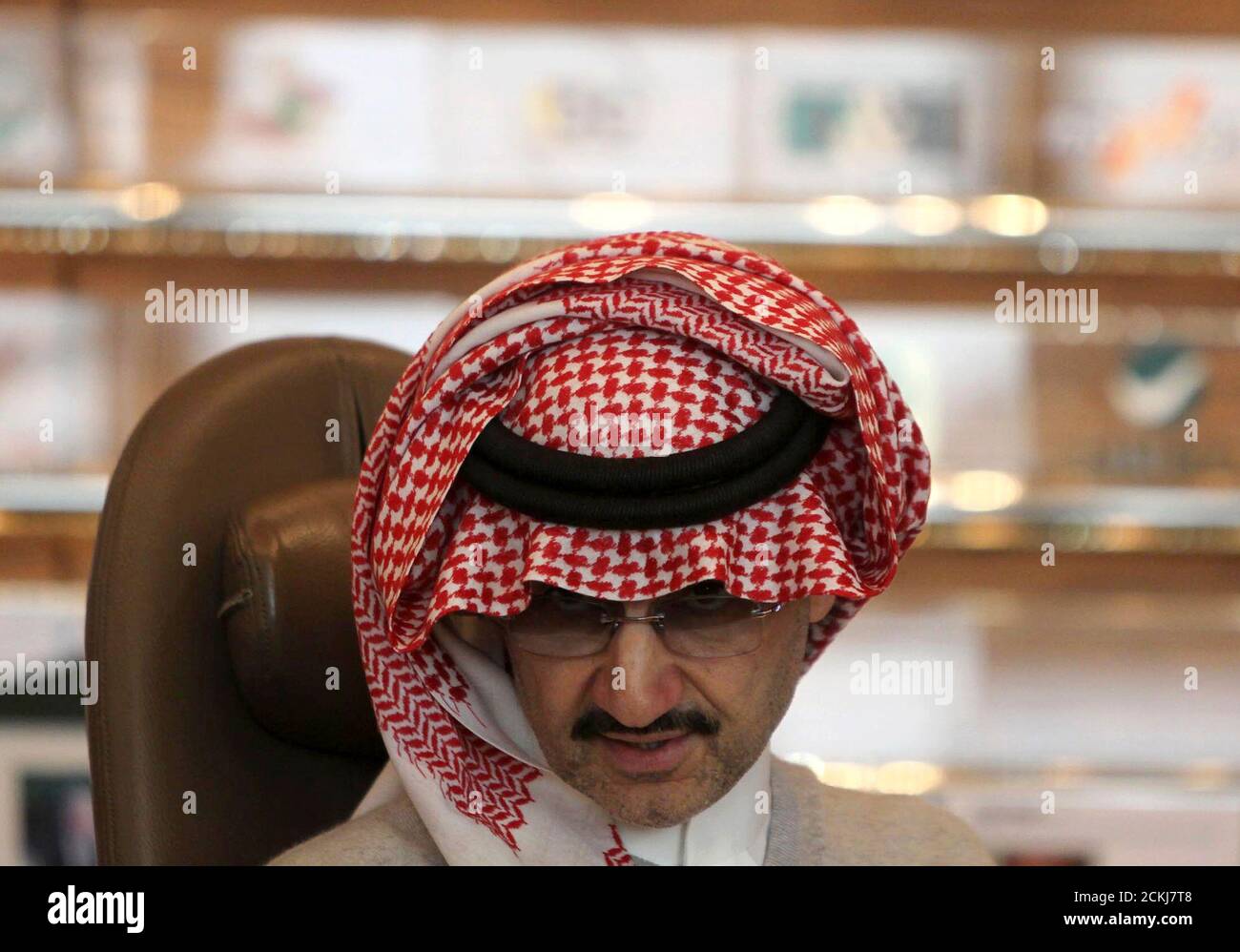
Prince Alwaleed bin Talal’s wealth growth is a masterclass in aggressive contrarian investing and strategic global diversification through his flagship vehicle, Kingdom Holding Company (KHC). As of 2026, his fortune is defined by a deep integration into international technology, luxury hospitality, and Saudi Arabia’s "Vision 2030" initiatives, yielding a portfolio that balances high-growth digital assets with stable, prestige real estate.
The Foundations of an Investment Empire
Prince Alwaleed bin Talal Al Saud, a grandson of the founding king of Saudi Arabia and the first prime minister of Lebanon, did not follow the traditional path of a royal bureaucrat. Instead, after completing his education in the United States—earning a Bachelor's degree from Menlo College and a Master's from Syracuse University—he returned to Riyadh with a relatively modest loan and a drive to enter the private sector.
In the late 1970s and early 1980s, the Saudi economy was booming due to oil revenues, but Alwaleed focused on construction and real estate, sectors that were essential for the kingdom's rapid modernization. By acting as an intermediary for international companies and investing in local land, he built the initial capital that would eventually fund his global ambitions. His early success was characterized by a meticulous attention to market cycles, often buying land and assets when liquidity was low and selling during periods of expansion.
The Citicorp Catalyst: A Turning Point in Global Finance
The most significant milestone in Alwaleed’s wealth growth occurred in 1991. At the time, Citicorp (now Citigroup) was reeling from a crisis in the U.S. real estate market and was desperately in need of capital to meet regulatory requirements. While many institutional investors were fleeing the banking sector, Alwaleed saw a unique opportunity in a "too-big-to-fail" institution.
He invested approximately $550 million into Citicorp, a move that was initially viewed as highly risky. However, as the American economy recovered and the banking sector stabilized, the value of his stake skyrocketed. This single investment not only generated billions of dollars in paper wealth but also earned him the moniker "the Warren Buffett of the Middle East." It established the blueprint for his future strategy: identifying undervalued, world-class brands with temporary management or liquidity issues, providing the necessary capital, and holding for the long term.
Kingdom Holding Company (KHC) as a Wealth Multiplier
The vast majority of Alwaleed’s wealth is managed through Kingdom Holding Company (KHC), a publicly-traded conglomerate listed on the Saudi Exchange (Tadawul). KHC serves as the institutional backbone for his investments, allowing him to participate in large-scale international deals that would be difficult for an individual investor to manage.
KHC’s portfolio is remarkably diverse, spanning several key sectors:
- Banking and Financial Services: Beyond Citigroup, KHC has held significant stakes in Saudi National Bank and other regional financial institutions.
- Technology and Media: Alwaleed was an early and influential investor in Apple, News Corp, and Twitter (now X). His involvement in Twitter was particularly notable when he remained a major shareholder following Elon Musk's acquisition of the platform.
- Luxury Hospitality: The Prince owns a controlling interest in the Four Seasons Hotels and Resorts (alongside Bill Gates' Cascade Investment) and has owned iconic properties such as the George V in Paris and the Savoy in London.
- Real Estate: This includes massive projects in Saudi Arabia, such as the Kingdom Centre in Riyadh and the ambitious Jeddah Tower project.
Strategic Shifts and the 2017 Transformation
The growth trajectory of Alwaleed's wealth faced a significant structural adjustment in late 2017 during the Saudi anti-corruption campaign. His detention at the Ritz-Carlton in Riyadh led to a period of uncertainty regarding his assets. However, following his release in early 2018, Alwaleed re-emerged as a supportive figure of the Crown Prince’s "Vision 2030" plan.
In 2022, a pivotal shift occurred when the Public Investment Fund (PIF), Saudi Arabia’s sovereign wealth fund, purchased a 16.87% stake in Kingdom Holding Company from Alwaleed for approximately $1.5 billion. This move effectively institutionalized the relationship between the Prince’s private empire and the state’s economic roadmap. By 2026, this partnership has allowed KHC to pivot toward internal Saudi development projects, including tourism hubs on the Red Sea and entertainment cities, while maintaining its footprint in Western markets.
Analysis of Portfolio Diversification
To understand Alwaleed’s wealth growth, one must look at how his assets are balanced between high-risk tech and low-risk "trophy" assets. This strategy ensures that while some sectors face volatility, the overall net worth remains shielded by tangible, high-value real estate and essential services.
| Sector | Major Entities | Investment Strategy | Role in Wealth Growth |
|---|---|---|---|
| Technology | X (Twitter), Lyft, Apple | Early-stage and Growth | Capital appreciation and market influence. |
| Hospitality | Four Seasons, Fairmont | Operational Excellence | Long-term yield and prestige branding. |
| Finance | Citigroup, Saudi National Bank | Contrarian Value | Dividend income and institutional stability. |
| Media | Rotana Group, News Corp | Cultural Influence | Soft power and regional market dominance. |
| Real Estate | Jeddah Tower, Kingdom Centre | Urban Development | Massive equity growth through land appreciation. |
Investment Philosophy: The Contrarian Mindset
Alwaleed bin Talal’s approach is often described as "value investing with a global lens." Unlike many regional investors who focus solely on oil or local retail, Alwaleed looks for global brands that have hit a "plateau" or a temporary crisis. His philosophy involves:
- Brand Permanence: He rarely invests in transient trends. He prefers companies with deep moats and recognized names, such as Disney or Coca-Cola (in which he has held interests).
- Long-Term Horizon: He is known for holding assets for decades, allowing compound interest and market recoveries to do the heavy lifting.
- Active Monitoring: While he often trusts management, he remains a vocal shareholder, using his influence to steer companies toward efficiency and shareholder value.
- Geographic Arbitrage: By moving capital between the U.S., Europe, and the Middle East, he can take advantage of different economic cycles, ensuring that a downturn in one region does not cripple his entire portfolio.
Philanthropy and the $32 Billion Pledge
A crucial aspect of managing and perceiving Alwaleed’s wealth is his 2015 commitment to donate his entire fortune to philanthropy. Through Alwaleed Philanthropies, he has directed billions toward disaster relief, disease eradication (such as polio and measles), and female empowerment in the Middle East.
In the context of wealth growth, this philanthropic commitment functions as a structured drawdown of his assets. However, because his investments continue to generate significant returns, the total amount available for his charitable foundations has remained robust. By 2026, the organization has become one of the largest private donors in the world, often partnering with the Bill & Melinda Gates Foundation and the World Health Organization.
Navigating the Challenges of 2026
In the current landscape of 2026, Alwaleed’s wealth growth faces new challenges. The global shift toward AI and green energy has required KHC to rebalance its tech holdings. Furthermore, as Saudi Arabia continues to open its economy, competition within the kingdom has increased. Alwaleed has responded by integrating his hospitality assets into the burgeoning Saudi tourism sector, ensuring that the Four Seasons and other luxury brands he influences are at the forefront of the kingdom's new "giga-projects."
His ability to adapt from a solitary "global raider" in the 1990s to a strategic partner of the Saudi state in the 2020s has been the primary driver of his sustained financial relevance. While his ranking on global billionaire lists fluctuates with the stock price of Citigroup and the valuation of X, his underlying asset base remains one of the most sophisticated in the Middle East.
Frequently Asked Questions
What is the primary source of Prince Alwaleed's wealth?
The primary source of his wealth is Kingdom Holding Company (KHC), which he founded and remains the majority shareholder of. KHC invests in diverse sectors, but its early success was driven by a massive, high-yield investment in Citicorp during the early 1990s and various real estate ventures in Saudi Arabia.
Is Prince Alwaleed still a major shareholder in Twitter (X)?
Yes, following Elon Musk’s acquisition of Twitter in 2022, Prince Alwaleed opted to roll over his shares into the private company, making him the second-largest shareholder after Musk at the time of the transition. As of 2026, he remains a significant stakeholder in the platform's evolved form, X.
How has the Saudi Public Investment Fund (PIF) affected his wealth?
In 2022, the PIF acquired 16.87% of Kingdom Holding Company. This provided Alwaleed with significant liquidity and solidified KHC's role in the national economic strategy. While it reduced his personal percentage of ownership in KHC, it likely increased the long-term stability and valuation of the company by aligning it with the Saudi government's "Vision 2030."
What happened to the Jeddah Tower project?
The Jeddah Tower, intended to be the world's tallest building, faced several delays following the 2017 anti-corruption campaign and the COVID-19 pandemic. However, work has periodically resumed as part of the broader development of Jeddah Economic City. The project remains a significant, albeit long-term, asset in Alwaleed’s real estate portfolio.
Does Prince Alwaleed invest in cryptocurrency?
Historically, Prince Alwaleed has expressed skepticism toward Bitcoin and other cryptocurrencies, famously comparing Bitcoin to "Enron in the making" in 2017. He generally prefers assets with tangible cash flows or established brand equity, though KHC has explored blockchain technology for logistics and financial services as part of its tech-modernization strategy.
How does his wealth compare to other Saudi royals?
While many members of the House of Saud hold vast wealth, much of it is tied to family estates or government positions. Alwaleed is unique because his wealth is largely transparent, held through a publicly traded company (KHC) on the Saudi stock exchange, making him one of the most visible and quantifiable billionaires in the kingdom.
Practical Recommendations for Following Wealth Trends
For those looking to track the ongoing growth of Prince Alwaleed's portfolio, the most direct method is to monitor the regulatory filings of Kingdom Holding Company (TADAWUL: 4280). As a public entity, KHC must disclose significant changes in its holdings, providing a transparent window into Alwaleed’s shifting priorities.
Additionally, following the reports from Bloomberg Billionaires Index and Forbes provides real-time updates on how market fluctuations affect his net worth. Investors interested in his strategy should study the "contrarian" model—specifically looking for high-quality assets during market downturns—while ensuring they maintain the high levels of liquidity that Alwaleed used to capitalize on those opportunities.