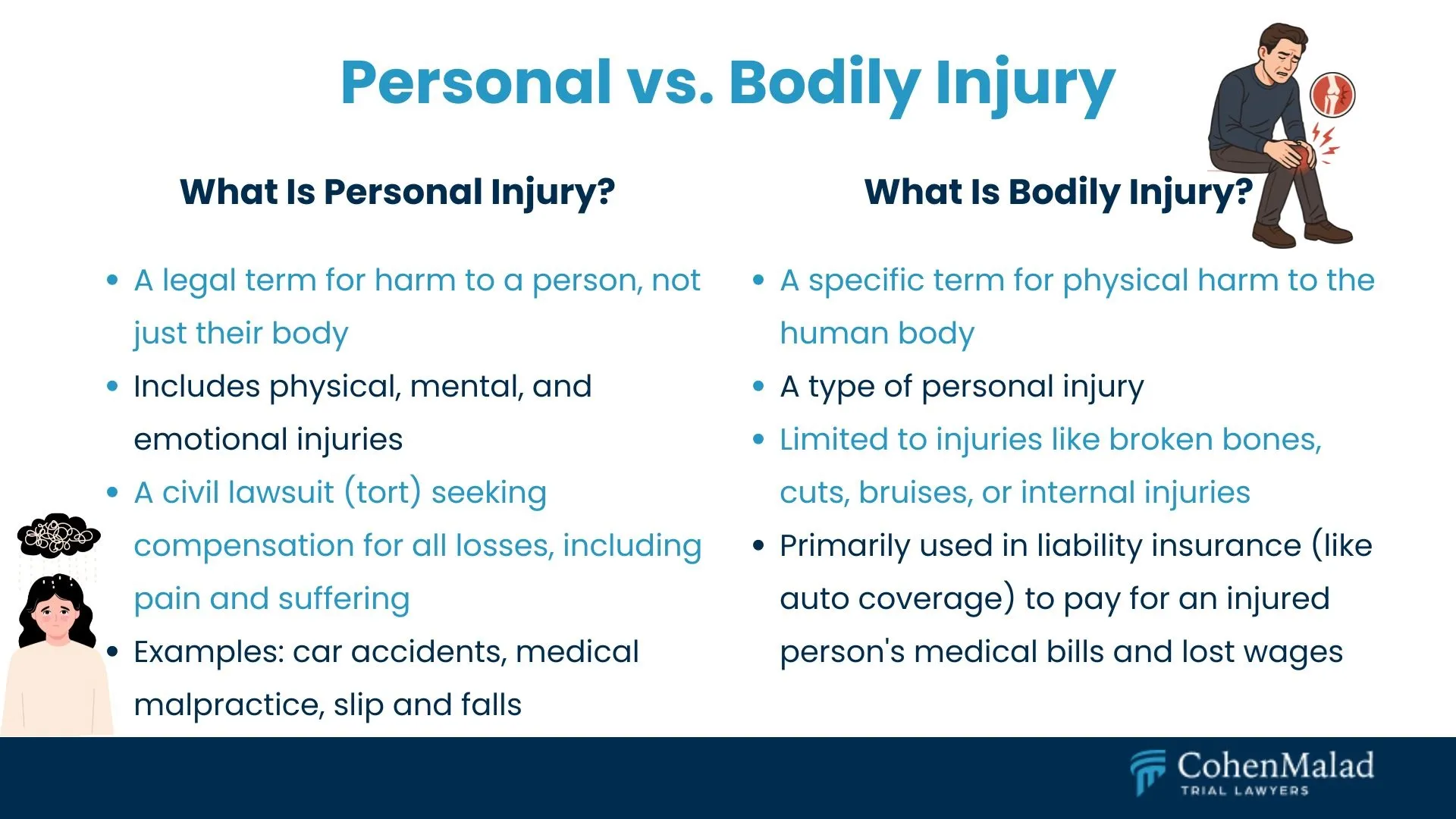
An Allstate bodily injury payment amount is determined by a combination of the policyholder’s coverage limits, the documented severity of the claimant's injuries, and calculations performed by Allstate’s proprietary claims software, Colossus. While minor soft-tissue claims often settle between $3,000 and $15,000, catastrophic injuries can reach the full extent of policy limits, often exceeding $100,000.
The process of securing a settlement from Allstate for bodily injury (BI) is rarely a straightforward transaction. As one of the largest insurance providers in the United States, Allstate utilizes a highly standardized approach to evaluating claims. To navigate this system effectively in 2026, claimants must understand how their medical documentation, the specific language of the insurance policy, and the legal environment of their jurisdiction influence the final check.
The Role of Policy Limits in Determining Payouts
The most significant "ceiling" on any Allstate bodily injury payment amount is the specific policy limit purchased by the at-fault driver. In the insurance world, bodily injury liability coverage is typically expressed in a split-limit format, such as 25/50/15 or 100/300/50.
In a 100/300 scenario, Allstate will pay a maximum of $100,000 for injuries to a single person and a total of $300,000 for all injuries sustained in a single accident, regardless of how many people are hurt. If your medical bills, lost wages, and pain and suffering total $150,000, but the at-fault driver only carries a $50,000 limit, Allstate is generally not obligated to pay a penny over that $50,000.
Negotiating beyond policy limits is extremely rare and usually requires a "bad faith" claim, where the insurer failed to settle within the limits when they had a clear opportunity to do so. Consequently, the first step in estimating a payout is verifying the declarations page of the policy involved.
How Allstate Uses Colossus to Evaluate Claims
Allstate was a pioneer in using automated software to streamline claims processing. Their primary tool, Colossus, is a program that assigns "points" to different types of injuries and "value drivers." When an Allstate adjuster receives your medical records, they input specific data points—such as the diagnosis code, the type of medical provider seen (e.g., an MD vs. a chiropractor), and the duration of treatment—into the software.
Colossus then generates a settlement range based on historical data for similar injuries in that specific geographic region. The software is designed to minimize human error and emotional bias, but critics argue it often leads to "low-ball" initial offers because it cannot fully account for the subjective human experience of pain or the unique ways an injury impacts an individual's life.
To combat the limitations of Colossus, claimants must ensure their medical records are incredibly detailed. If a doctor notes "patient is in pain," Colossus assigns a baseline value. If the doctor notes "patient is unable to lift their child or drive to work due to restricted range of motion in the L5-S1 vertebrae," the software may trigger higher value drivers.
Breakdown of Economic vs. Non-Economic Damages
An Allstate bodily injury payment is composed of two primary categories: economic damages and non-economic damages. Understanding the distinction is vital for accurate valuation.
Economic Damages
These are the measurable financial losses resulting from the accident. They include:
- Medical Expenses: Every bill from the ambulance ride, ER visit, diagnostic imaging (MRIs, CT scans), surgery, and physical therapy. Allstate's adjusters will audit these bills to ensure they meet "usual and customary" rates for 2026.
- Lost Wages: If your injuries prevented you from working, you are entitled to reimbursement for the income you lost. This requires a letter from your employer and potentially past tax returns if you are self-employed.
- Future Costs: If your injury requires ongoing care, an expert may need to calculate the "present value" of those future medical needs.
Non-Economic Damages
Commonly referred to as "pain and suffering," these damages are subjective. Allstate often uses a multiplier method (multiplying economic damages by 1.5 to 5) or a per diem method (assigning a dollar value for every day you are in pain). Because these are harder to quantify, they are the most contested part of the negotiation. Factors like permanent scarring, loss of consortium, and emotional distress fall under this umbrella.
Estimated Settlement Ranges by Injury Severity
While every case is unique, historical data provides a general framework for what to expect from an Allstate bodily injury settlement in 2026. The following table outlines typical ranges based on injury classification.
| Injury Category | Typical Symptoms/Treatment | Estimated Settlement Range |
|---|---|---|
| Minor / Soft Tissue | Whiplash, strains, bruising; 4-8 weeks of PT. | $3,500 – $12,000 |
| Moderate / Non-Surgical | Disc bulges, simple fractures, concussions. | $15,000 – $45,000 |
| Severe / Surgical | Compound fractures, herniated discs requiring surgery. | $50,000 – $150,000 |
| Catastrophic | Traumatic brain injury (TBI), paralysis, loss of limb. | $250,000 – Policy Limits |
Note: These ranges assume the at-fault party has sufficient policy limits. If the limit is $25,000, even a catastrophic injury payout will likely be capped at $25,000 from Allstate.
Factors That Can Reduce Your Payment Amount
Several variables can negatively impact the final check you receive from Allstate. Being aware of these early in the process can help you mitigate their effects.
Comparative Negligence
Most states follow comparative negligence laws. If Allstate determines you were 20% at fault for the accident (e.g., you were speeding slightly when the other driver cut you off), they will reduce your final settlement by 20%. In "modified" comparative negligence states, if you are found to be 51% or more at fault, you may be barred from recovering any payment at all.
Gaps in Treatment
If you waited two weeks after the accident to see a doctor, or if you skipped physical therapy appointments for a month, Allstate will use this to argue that your injuries were not serious or were caused by a separate event. Consistent, documented medical care is the backbone of a high-value claim.
Pre-existing Conditions
Allstate adjusters will request your prior medical records to see if you had back or neck pain before the accident. They will attempt to "apportion" your current pain to old injuries. To counter this, your doctor must clearly explain how the accident "aggravated" or "exacerbated" the pre-existing condition, creating a new and distinct medical issue.
The Negotiation Process with Allstate Adjusters
Negotiating with Allstate typically follows a predictable cycle. After you submit a Demand Package—a comprehensive document including all bills, records, and a narrative of your losses—the adjuster will take several weeks to review it.
- The Initial Offer: This is almost always significantly lower than your demand. It is often a "test" to see if the claimant is desperate for quick cash.
- The Counter-Offer: You or your attorney will respond by highlighting evidence the adjuster may have overlooked or undervalued.
- The "Final" Offer: After several rounds, the adjuster will claim they have reached their maximum authority. This is often where a lawsuit is filed to signal that the claimant is serious.
In 2026, Allstate has increasingly used digital portals for communication. While convenient, these portals can sometimes strip the personal element from the negotiation, making it even more important to provide vivid, descriptive "impact statements" regarding your daily life.
When to Hire an Attorney for an Allstate Claim
If your injuries are minor and your medical bills are under $5,000, you may be able to handle the claim yourself. However, professional legal representation becomes essential if:
- The accident involved multiple vehicles or disputed liability.
- Your injuries require surgery or long-term care.
- Allstate has denied your claim or offered an amount that doesn't cover your bills.
- You are approaching the Statute of Limitations (the legal deadline to file a lawsuit) in your state.
Attorneys understand the specific language required to trigger higher "value drivers" in the Colossus software. They also have the resources to hire accident reconstruction experts or medical experts to testify on your behalf.
Frequently Asked Questions
How long does Allstate take to pay a bodily injury claim?
On average, a bodily injury claim takes between four and nine months to settle. However, complex cases involving surgeries or disputed liability can take over a year. The clock generally starts once you have reached "Maximum Medical Improvement" (MMI), meaning your condition has stabilized and your total medical costs are known.
Does Allstate pay for pain and suffering?
Yes, Allstate is legally required to compensate for non-economic damages like pain and suffering if their policyholder was at fault. However, they often undervalue these claims unless there is clear evidence of how the injury impacted your quality of life, such as the inability to perform hobbies or care for family members.
What happens if the settlement offer is less than my medical bills?
If Allstate’s offer doesn't cover your bills, do not sign the release. Signing a release waives your right to any further money. You should consult an attorney to negotiate a higher amount or check if you have Underinsured Motorist (UIM) coverage on your own policy, which can bridge the gap.
Can I sue Allstate directly for my injuries?
In most states, you do not sue the insurance company; you sue the at-fault driver. Allstate then has a legal duty to defend their driver and pay the judgment up to the policy limits. Only in specific "direct action" states can you name the insurer as a defendant.
Will Allstate see my social media posts?
Yes. Allstate adjusters frequently monitor public social media profiles. If you claim a debilitating back injury but post photos of yourself hiking or dancing, they will use that evidence to drastically reduce your bodily injury payment amount or deny the claim entirely.
Final Recommendations for Claimants
To secure the most accurate and fair Allstate bodily injury payment amount, you must treat your recovery like a documentation project. Prioritize medical consistency; never skip appointments and be honest with your doctors about every symptom you experience. Avoid providing a recorded statement to Allstate adjusters without consulting a professional, as these statements are often used to lock you into a narrative that can later be used against you. Finally, if the offer on the table feels insufficient to cover the long-term reality of your injury, do not hesitate to seek a formal legal evaluation.