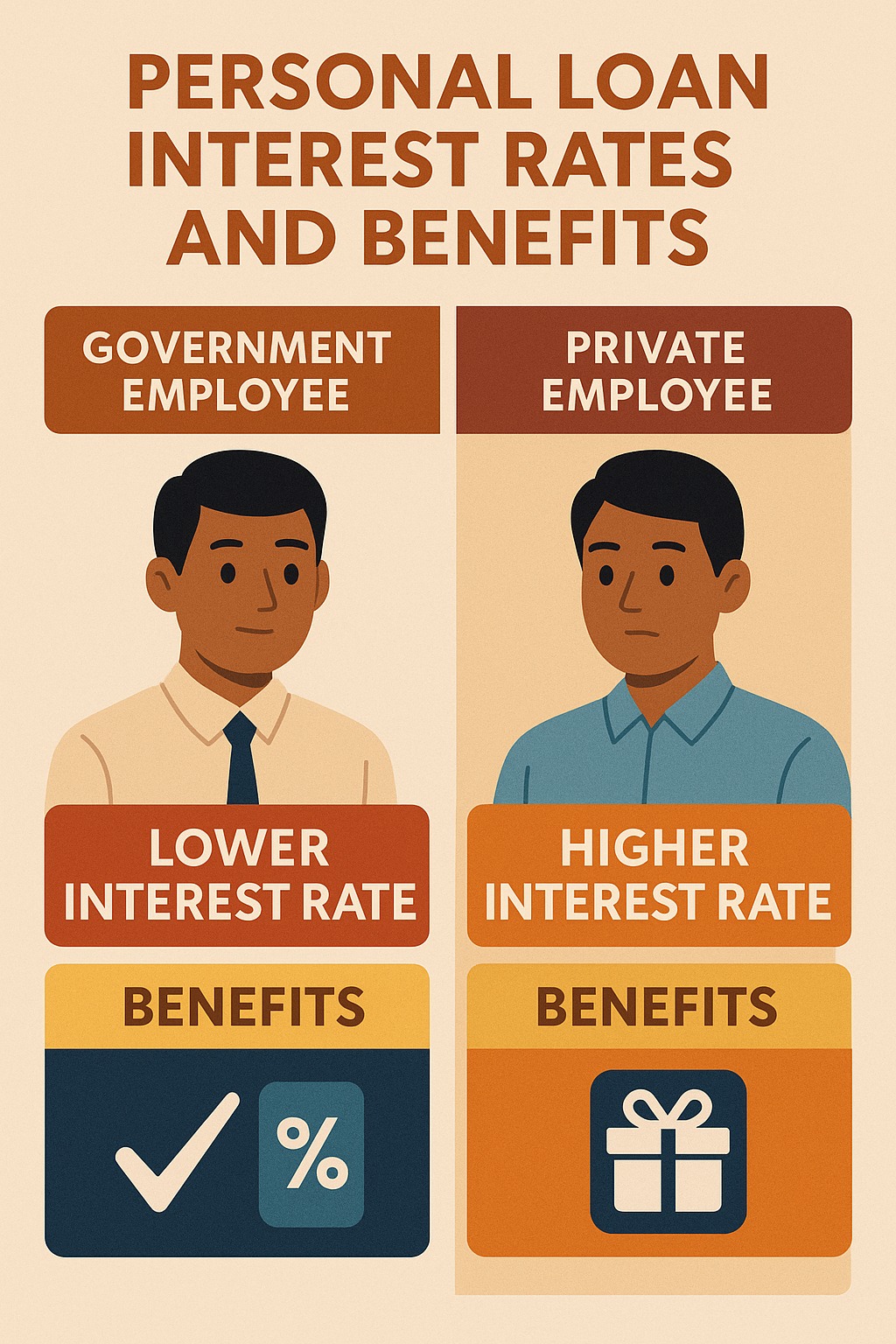
Allotment loans are specialized financial products marketed specifically to federal government employees, leveraging the direct payroll deduction system—known as an allotment—to ensure loan repayment. These loans are often characterized by their reliance on the stability of federal employment rather than traditional credit scoring models, providing a mechanism where monthly payments are automatically deducted from the borrower’s paycheck before they receive their net salary.
Understanding these financial instruments requires a clear distinction between how federal agencies process salary distributions and how third-party lenders utilize these processes. For federal employees, allotments are a voluntary service provided by federal agencies to help employees manage their finances, such as paying for insurance, savings bonds, or, in some cases, loan repayments. While the convenience of automated payments is significant, prospective borrowers must weigh this benefit against potential costs, predatory lending risks, and the specific regulations governing federal payroll deductions.
Understanding the Federal Allotment System
To grasp how these loans function, it is essential to first understand what an allotment is in the context of federal human resources. An allotment is a recurring, specified amount deducted from an employee’s pay, which the federal agency then transmits to a designated recipient. Federal regulations, primarily governed by the Office of Personnel Management (OPM) and individual agency payroll policies, permit employees to establish these deductions for various purposes.
In the case of allotment loans, the lender becomes the designated recipient. When an employee signs a loan agreement, they authorize their federal payroll office to divert a specific portion of their salary directly to the lender on a recurring basis. This system is designed to provide lenders with a near-guarantee of payment, as the funds are pulled from the payroll before they ever enter the employee’s personal bank account. Because the lender is shielded from the common risk of a borrower failing to initiate a payment, they are often more willing to approve applicants who might not qualify for conventional bank loans.
The Appeal to Federal Employees
The primary attraction of allotment loans for federal employees is accessibility. Many federal workers may face credit challenges or temporary liquidity issues and seek financial products that do not require extensive credit history checks. Because the payroll allotment acts as a form of security for the lender, these loans are often marketed as "no credit check" or "bad credit friendly."
Furthermore, the automation inherent in this process reduces the cognitive load on the borrower. There is no need to manually initiate bank transfers or worry about late fees resulting from missed payments, provided the employee remains employed and the allotment is active. For those with disciplined budgeting habits, this ensures that a loan obligation is prioritized automatically, preventing accidental delinquency.
Potential Risks and Disadvantages
While the convenience is evident, there are significant risks associated with reliance on allotment-based lending. Borrowers should consider the following factors before entering into any agreement:
High Interest Rates and Fees
Because these loans are often targeted at individuals with limited credit options, lenders frequently compensate for the perceived risk (or the lack of traditional collateral) by charging high interest rates and origination fees. It is not uncommon for the Annual Percentage Rate (APR) on such loans to reach triple digits, making the total cost of borrowing significantly higher than traditional personal loans or credit union options.
Limited Flexibility
Once an allotment is set up, it can be cumbersome to modify or cancel. If an employee experiences a financial emergency and needs to redirect that portion of their salary to other immediate needs, they must coordinate with both the lender and their payroll department to stop or change the allotment. This lack of liquidity can exacerbate financial stress during periods of income volatility.
Impact on Take-Home Pay
Committing a percentage of one’s salary to a recurring loan payment can have a cumulative impact on monthly cash flow. Employees should perform a rigorous analysis of their net pay versus their fixed expenses to ensure that an allotment loan does not leave them with insufficient funds for basic necessities like housing, utilities, and groceries.
Regulatory Context and Protections
It is important to clarify that federal agencies do not endorse or sponsor these loans. While the federal government facilitates the allotment process as a convenience, it remains a third-party transaction between the employee and the private lender.
The Consumer Financial Protection Bureau (CFPB) has historically scrutinized high-cost, small-dollar lending practices. Federal employees are encouraged to verify that any lender they deal with is licensed to operate in their state of residence. Furthermore, employees should be aware that their agency’s payroll office generally processes allotments according to the information provided by the employee and the lender. If a dispute arises regarding the loan terms, the federal agency is typically not responsible for mediating the conflict, as they are merely acting as an automated payment processor.
Comparing Financial Options for Federal Workers
Before committing to an allotment loan, federal employees should investigate alternative financial resources that may offer more favorable terms. The following table provides a comparison of common financial products available to federal employees.
| Loan Type | Interest Rate Potential | Credit Requirement | Impact on Flexibility |
|---|---|---|---|
| Allotment Loan | Very High | Low/None | Very Low (Fixed Deduction) |
| Federal Credit Union Loan | Low to Moderate | Moderate | High (Flexible Payments) |
| Employer Salary Advance | Low/None | None | Moderate (Repaid via Payroll) |
| Personal Bank Loan | Moderate | Moderate to High | High (Self-Managed) |
Steps to Take Before Applying
If you are considering an allotment loan, you should follow a structured approach to ensure you are making a financially sound decision:
- Assess Your Credit: Before assuming you need a specialized high-interest loan, check your credit report. You may qualify for lower-interest products at federal credit unions, such as the Government Employees Federal Credit Union (GEFCU) or other regional credit unions that cater specifically to government staff.
- Review Agency Policy: Consult your agency’s HR portal or the National Finance Center (NFC) guidance regarding permissible allotments. Understanding the technical limitations of what can be deducted is critical.
- Calculate the APR: Do not look only at the monthly payment amount. Ask the lender for the APR, which includes both interest and all associated fees. This is the only accurate way to compare the cost of one loan against another.
- Confirm Termination Procedures: Before signing, ensure you understand exactly how to stop the allotment once the loan is paid off. You should have a clear, written process for when and how the lender will notify your payroll office to cease deductions.
- Emergency Fund Alternative: If you are seeking a loan for a minor emergency, consider whether a small shift in your current budget or an emergency savings account (if available) might bridge the gap without the need for high-interest debt.
Common Pitfalls to Avoid
The most frequent error federal employees make is viewing the "automatic" nature of the loan as an endorsement from the government. Regardless of how the loan is repaid, the terms of the contract are governed by state law and the specific language within the promissory note.
Another pitfall is "loan stacking," where borrowers take out multiple allotment loans that consume too much of their monthly net pay. This can lead to a cycle of debt where the employee becomes reliant on these lenders for recurring expenses. If you find that your monthly allotment obligations are preventing you from covering basic living expenses, seek assistance from a certified credit counselor or an employee assistance program (EAP) provided by your agency.
Frequently Asked Questions
Are allotment loans endorsed by the federal government?
No. Federal agencies facilitate allotments as a service to employees, but they do not vet, endorse, or guarantee loans offered by private lenders. Any agreement is strictly between the employee and the private company.
Can I cancel an allotment loan payment at any time?
Generally, yes, as you have the right to revoke an allotment. However, failing to pay back a loan according to the terms of your contract can lead to legal action by the lender or damage to your credit score. You must coordinate any cancellation with the lender to avoid accidental default.
Why do some lenders specifically target federal employees?
Lenders target federal employees because the federal government is perceived as an extremely stable employer. The combination of guaranteed continued employment and the automated nature of payroll allotments significantly lowers the risk of non-payment for the lender.
Are there lower-cost alternatives to allotment loans?
Yes. Federal credit unions often provide "salary advance" or "small-dollar" loans to members at significantly lower interest rates than commercial, predatory, or allotment-specific lenders. Employees should prioritize their credit union options first.
How do I know if a lender is reputable?
Check the lender’s status with your state’s banking regulator. Legitimate lenders are required to be licensed in the states where they operate. Avoid any lender that obscures the APR or requires you to provide your federal agency credentials in an insecure manner.
Final Recommendation
Federal employees have access to robust financial services through federal credit unions that are specifically designed to serve the government workforce. Before entering into an agreement for an allotment-based loan, obtain a rate quote from your agency-affiliated credit union. If you must use a private lender, ensure you have a clear understanding of the APR, the total cost of the loan, and the specific procedures for terminating the allotment once your debt is satisfied. Always prioritize your long-term financial health over the short-term convenience of an automated payroll deduction.