In 2026, an all life business insurance policy—professionally known as business-owned whole life insurance—serves as a multi-functional financial instrument. It provides a guaranteed permanent death benefit for key personnel while simultaneously building tax-deferred cash value that appears as a liquid asset on the company’s balance sheet, supporting executive benefits and succession planning.
The Strategic Role of Permanent Life Insurance in Business
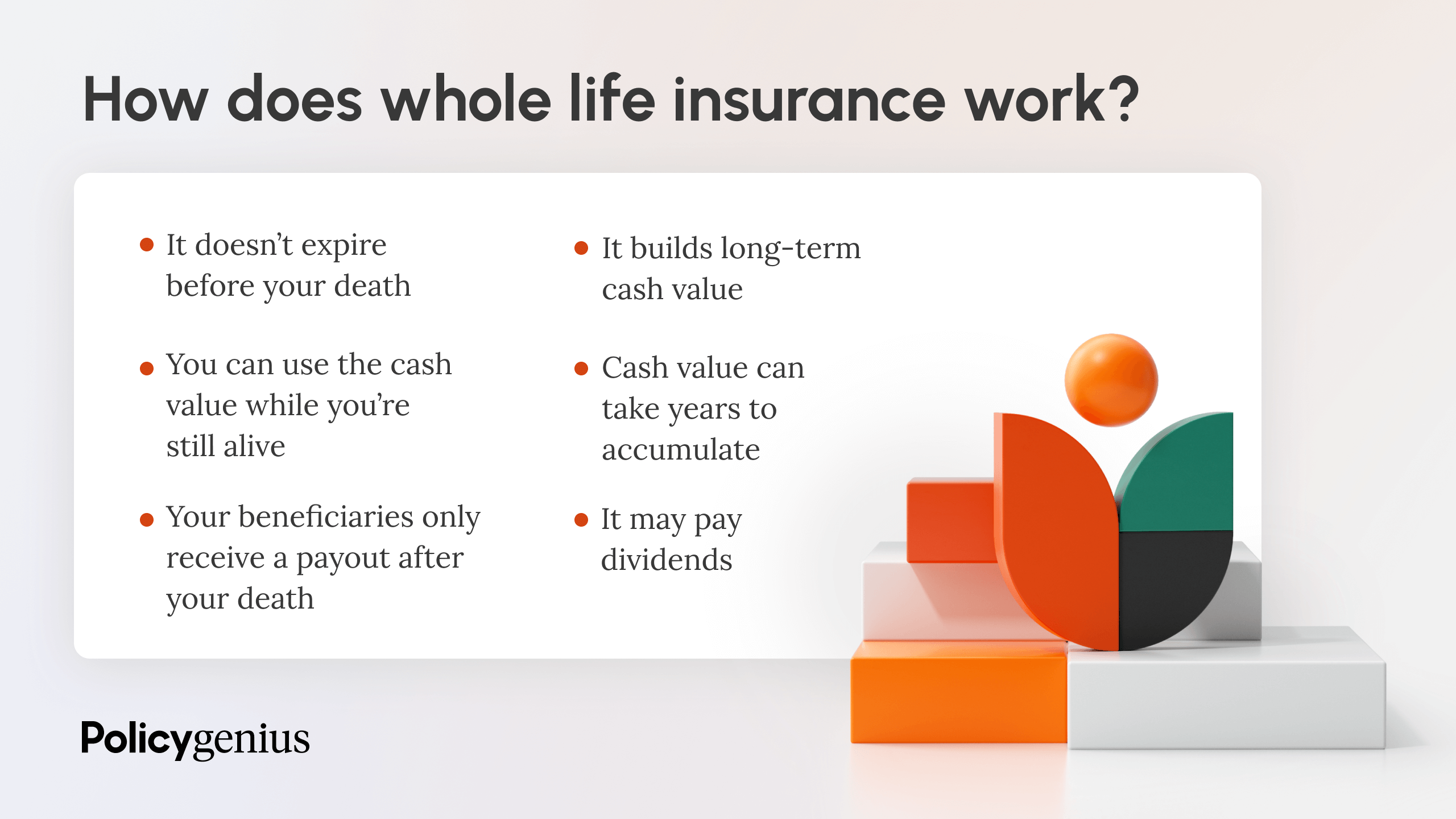
While term insurance is often used for temporary liabilities, an all life business insurance policy is designed for the long-term survival and stability of an organization. Unlike term policies that expire after a set period, whole life insurance remains in force as long as premiums are paid, ensuring that the business is protected regardless of when a key individual passes away.
In the current 2026 fiscal landscape, businesses are increasingly utilizing these policies not just for protection, but as a "safe money" bucket. The cash value component grows at a guaranteed rate, often supplemented by dividends if the policy is held with a mutual insurance company. This growth provides a hedge against market volatility, making it an attractive option for conservative corporate reserve strategies.
Distinguishing Business Whole Life from Personal Policies
The primary difference between a personal policy and a business-owned policy lies in the ownership structure and the intended use of proceeds. In a business context, the company typically pays the premiums, owns the policy, and is the named beneficiary. The intent is usually to offset the financial loss of a key contributor or to fund a legal obligation, such as a buy-sell agreement between partners.
Core Components of an All Life Business Insurance Policy
To fully leverage a whole life policy within a corporate structure, it is essential to understand how the internal mechanics function over time.
1. The Guaranteed Death Benefit
The primary purpose of the policy is the death benefit. For a business, this liquidity is vital. It can be used to:
- Recruit and train a replacement for a key executive.
- Pay off outstanding corporate debts to maintain creditworthiness.
- Reassure clients and stakeholders that the business will remain operational.
- Fund the purchase of the deceased owner’s shares from their heirs.
2. Cash Value Accumulation
Every premium payment is split between the cost of insurance and the policy's cash value account. Over time, this account grows. In 2026, many policies are structured with "high early cash value" riders, allowing businesses to see a significant portion of their premiums reflected on the balance sheet as an asset as early as the first or second year.
3. Dividend Participation
If the policy is "participating," the business may receive annual dividends. While not guaranteed, many top-tier mutual insurers have paid dividends consistently for over a century. These dividends can be taken as cash, used to reduce premiums, or—most commonly—used to purchase paid-up additions, which increase both the death benefit and the cash value of the policy.
Primary Business Use Cases for Whole Life Insurance
Businesses do not typically buy permanent insurance without a specific strategic objective. The following are the most common applications in 2026.
Key Person Insurance
Every successful business has individuals whose expertise, relationships, or technical skills are integral to the company's revenue. If a "key person" dies unexpectedly, the business faces immediate financial strain. The all life business insurance policy provides a tax-free influx of capital to bridge the gap during the transition period.
Buy-Sell Agreement Funding
In partnerships, the death of a co-owner can lead to a crisis. Without a funded buy-sell agreement, the surviving partner might find themselves in business with the deceased partner's spouse or children. A whole life policy ensures that the cash is immediately available to buy out the deceased partner's interest at a pre-negotiated price, ensuring a smooth transition of ownership.
Executive Bonus Plans (Section 162)
To retain top talent, companies often use whole life policies as part of an Executive Bonus Plan. The company pays the premiums on a policy owned by the executive. These premiums are generally deductible for the business as compensation and taxable to the executive. This provides the executive with a valuable permanent asset that they can take with them if they retire or leave the company under certain conditions.
Split-Dollar Arrangements
This is a more complex strategy where the employer and employee "split" the costs and benefits of the policy. The employer might pay the premiums and be entitled to a return of those premiums upon the employee's death, while the employee's beneficiaries receive the remainder of the death benefit.
Tax Implications and Legal Considerations in 2026
The tax treatment of an all life business insurance policy is one of its most significant advantages, but it is governed by strict IRS regulations.
- Premium Deductibility: Generally, premiums paid on a policy where the business is the beneficiary are not tax-deductible. They are considered a capital investment rather than a business expense.
- Tax-Free Death Benefit: Under Internal Revenue Code Section 101(a), the death benefit is usually received by the business income tax-free. However, for C-corporations, these proceeds may impact the Corporate Alternative Minimum Tax (AMT) if the business exceeds certain revenue thresholds.
- Cash Value Growth: The growth of the cash value within the policy is tax-deferred. As long as the money remains in the policy, no taxes are owed on the gains.
- The Transfer-for-Value Rule: This is a critical legal trap. If a life insurance policy is sold or transferred for "valuable consideration," the death benefit may lose its tax-exempt status. There are specific exceptions for transfers to the insured, to a partner of the insured, or to a corporation in which the insured is an officer or shareholder.
Comparing Business Insurance Policy Types
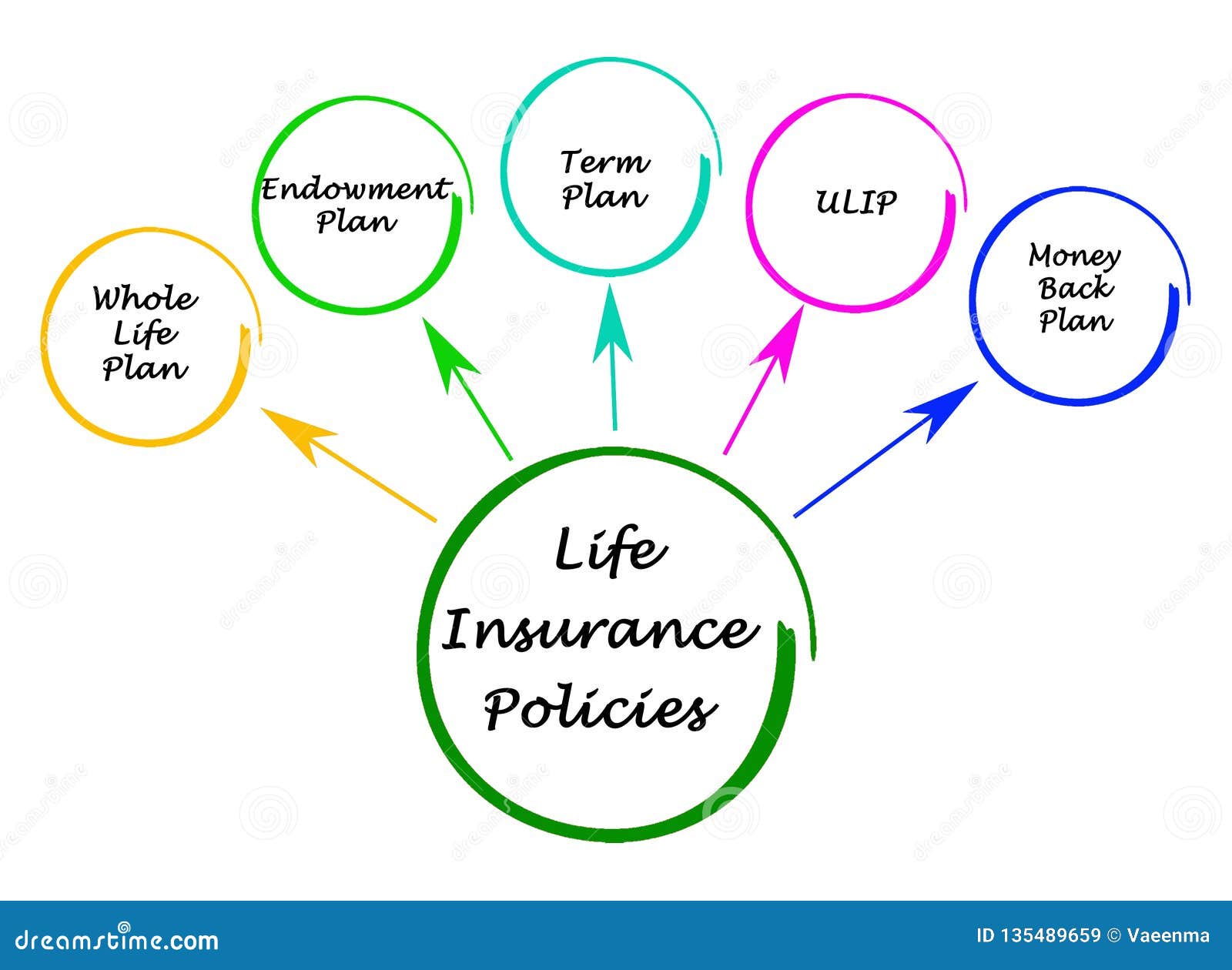
| Feature | Term Life Insurance | Whole Life (All Life) | Universal Life |
|---|---|---|---|
| Duration | Fixed period (10-30 years) | Permanent (Life of insured) | Permanent (Flexible) |
| Cash Value | None | Guaranteed Growth | Variable/Market-Linked |
| Premiums | Lowest initially | Highest / Fixed | Flexible |
| Asset Value | Not on balance sheet | Asset on balance sheet | Asset on balance sheet |
| Dividends | No | Yes (if participating) | No (typically interest-based) |
| Primary Use | Temporary debt/startups | Succession/Retirement/Assets | Long-term flexible protection |
Implementation Steps for Businesses
Establishing an all life business insurance policy requires a disciplined approach to ensure the coverage aligns with the company's valuation and legal obligations.
Step 1: Business Valuation
Before applying for coverage, the business must undergo a formal valuation. Insurance underwriters will not issue a $10 million policy on a key employee for a company only worth $1 million. Most insurers require a valuation based on multiples of earnings (EBITDA) or a professional appraisal.
Step 2: Board Resolution and Notice/Consent
Under Internal Revenue Code Section 101(j), specifically the Pension Protection Act of 2006 (which remains the standard in 2026), a business must provide written notice to the employee and obtain their written consent before the policy is issued. Failure to do this can result in the death benefit becoming fully taxable. A formal board resolution should also be recorded in the corporate minutes.
Step 3: Underwriting in 2026
Modern underwriting has evolved significantly. In 2026, "accelerated underwriting" is the norm for many policies up to $5 million. This process uses AI to analyze digital health records, prescription history, and motor vehicle records, often eliminating the need for a physical medical exam if the insured is in good health.
Step 4: Policy Design and Funding
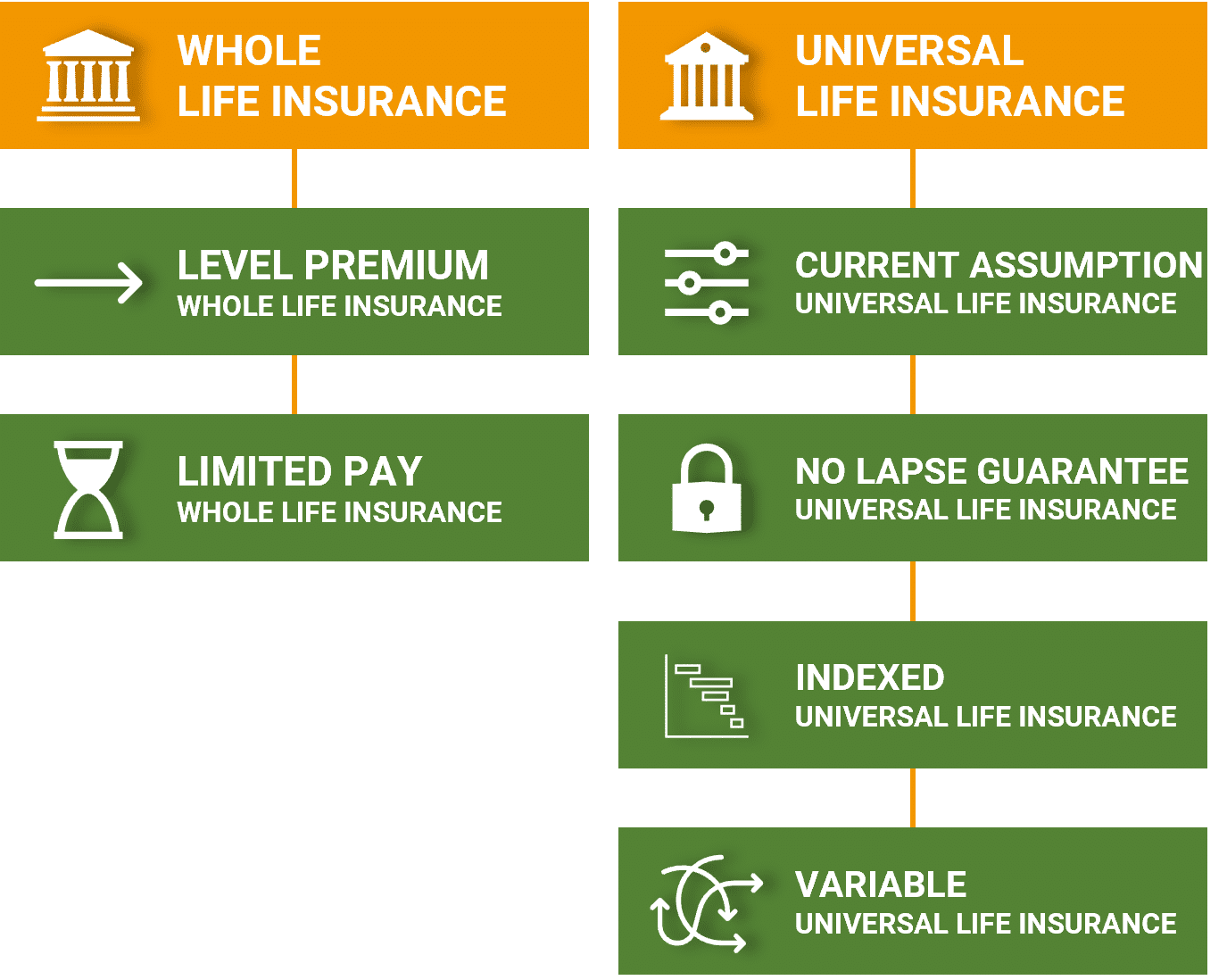
Decide on the premium structure. "Limited pay" policies (e.g., 10-pay or 20-pay) allow the business to fund the policy aggressively for a set number of years, after which no further premiums are due, but the coverage remains for life. This is often preferred for businesses that want to front-load their balance sheet assets.
Common Mistakes to Avoid
- Underfunding the Policy: If a policy is intended to fund a buy-sell agreement, but the business value grows significantly, the policy may no longer cover the full purchase price. Regular reviews every 2-3 years are essential.
- Neglecting the MEC Status: If too much cash is put into a policy too quickly, it can become a Modified Endowment Contract (MEC). This removes the tax-free nature of policy loans and withdrawals, though the death benefit usually remains tax-free.
- Ownership Errors: Ensuring the correct entity owns the policy is vital for tax and legal protection. If a business is an LLC but the policy is owned by an individual partner without a proper agreement, it can lead to disputes and tax complications.
Frequently Asked Questions
Can a business take a loan against the policy's cash value?
Yes. One of the primary benefits of an all life business insurance policy is the ability to access the cash value via policy loans. These loans are generally not taxable and can be used for any business purpose, such as funding an expansion or covering a short-term cash flow gap. However, unpaid loans will reduce the death benefit.
What happens to the policy if the key employee retires?
The business has several options. It can continue to hold the policy as a corporate asset, surrender the policy for its cash value, or transfer the policy to the retiring executive as part of a retirement package (which would be a taxable event for the executive).
How is the "All Life" policy reflected on corporate financial statements?
The premiums paid are recorded on the cash flow statement. The Cash Surrender Value (CSV) of the policy is recorded as a long-term asset on the balance sheet. Each year, the increase in CSV (minus premiums paid) is recorded as "other income" on the income statement.
Is the death benefit subject to the Alternative Minimum Tax (AMT)?
For most small to mid-sized businesses, the death benefit is not subject to AMT. However, very large C-corporations with substantial adjusted financial statement income may need to include the death benefit in their AMT calculations. It is advisable to consult a tax professional for corporations with revenue exceeding $1 billion.
Can the business change the insured person on the policy?
Generally, no. A life insurance policy is tied to a specific individual’s life. If the key person leaves the company, the business cannot simply "swap" them for a new employee. A new policy would typically need to be issued, although some specialized corporate policies offer "exchange of insured" riders.
Strategic Recommendation
For businesses operating in 2026, an all life business insurance policy is more than just a safety net; it is a strategic asset. To maximize its value, firms should prioritize policies from highly-rated mutual insurance companies that have a history of paying dividends. These companies are owned by policyholders, which aligns their long-term interests with the business’s goal of capital preservation and growth.
Before proceeding, ensure your legal counsel reviews your buy-sell agreements and that your CPA has established the proper accounting entries for the policy's cash value. A well-structured policy will provide peace of mind for the owners, security for the employees, and a stable asset for the company's future.