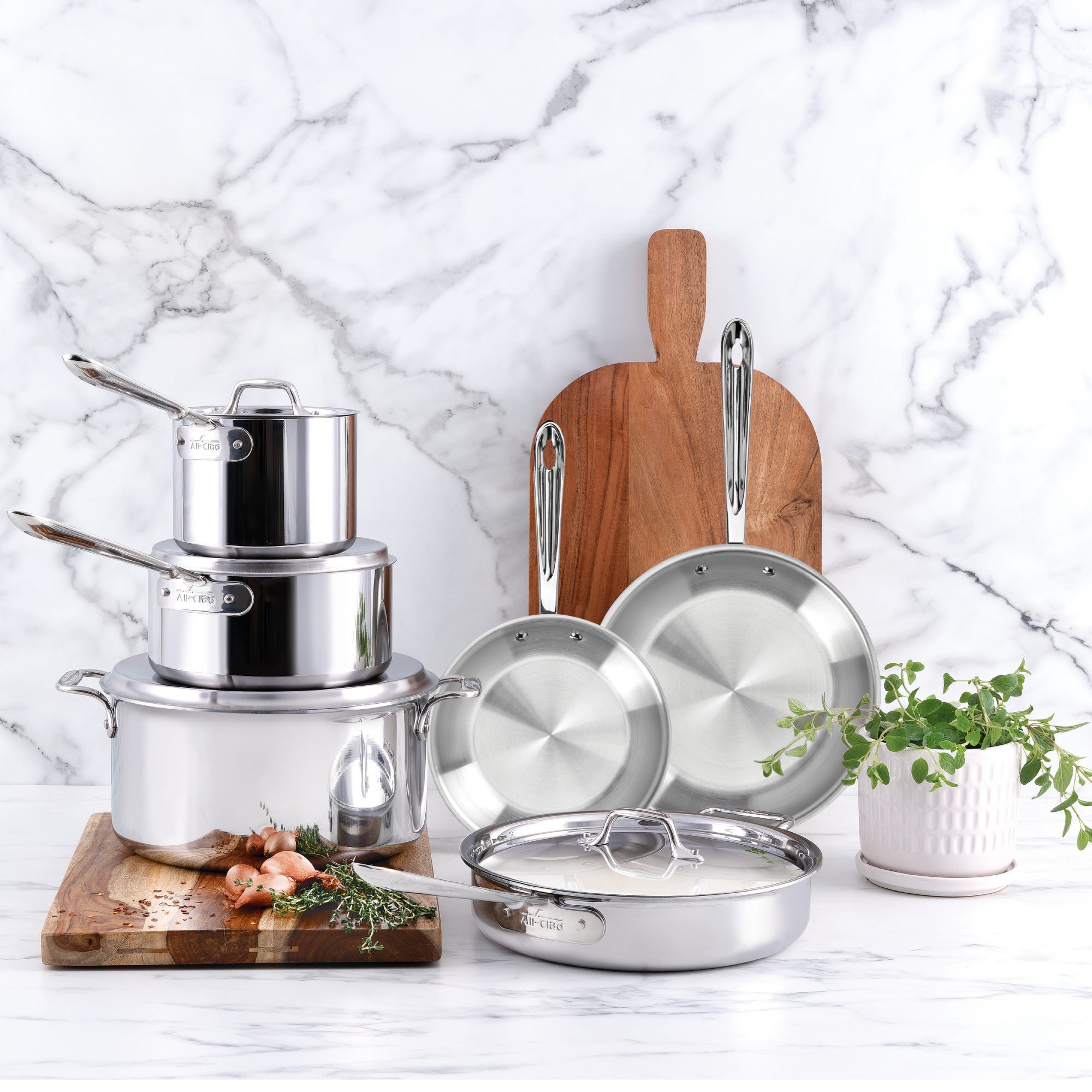
Most All-Clad pans are oven-safe up to 600°F (315°C), particularly the stainless steel D3, D5, and Copper Core collections. However, versions with non-stick coatings or glass lids have lower heat thresholds, typically capped at 500°F or 350°F respectively. Always verify the specific series and lid material before transitioning from the stovetop to the oven.
Understanding All-Clad Oven Compatibility
When discussing All-Clad cookware, the primary appeal is the brand's proprietary "cladding" technology. Founded in 1971 by metallurgist John Ulam, All-Clad revolutionized the kitchen by bonding layers of different metals—usually a heat-conductive core like aluminum or copper between layers of durable stainless steel. In the context of oven use, this construction is highly advantageous. Unlike budget cookware that may warp under high heat, All-Clad’s bonded layers are designed to expand and contract at similar rates, maintaining the structural integrity of the pan even in professional-grade ovens.
As of 2026, All-Clad continues to dominate the premium cookware market. Their stainless steel lines remain the gold standard for oven-to-table cooking. Because the entire body of a stainless steel All-Clad pan is composed of metal (including the riveted handles), there are no plastic or silicone components that could melt or off-gas toxic fumes. This allows for a seamless transition when searing a protein on the stovetop and finishing it in the oven—a foundational technique in professional culinary arts.
However, "oven-safe" is not a universal label that applies equally to every product in their catalog. The introduction of various materials, such as ceramic coatings, PTFE-based non-stick surfaces, and tempered glass lids, has created a spectrum of temperature limits that home cooks must navigate to avoid damaging their investment or compromising food safety.
Temperature Limits by Product Line
To safely use your All-Clad pan in the oven, you must identify which specific collection you own. The handles are almost always stainless steel, but the interior cooking surface and the core materials dictate the maximum thermal load the pan can handle.
| All-Clad Collection | Maximum Oven Temperature | Broiler Safe? | Primary Material |
|---|---|---|---|
| D3 Stainless Steel | 600°F (315°C) | Yes | 3-Ply Bonded Stainless |
| D5 Brushed/Polished | 600°F (315°C) | Yes | 5-Ply Bonded Stainless |
| Copper Core | 600°F (315°C) | Yes | 5-Ply with Copper Center |
| G5 Graphite Core | 600°F (315°C) | Yes | Stainless with Graphite |
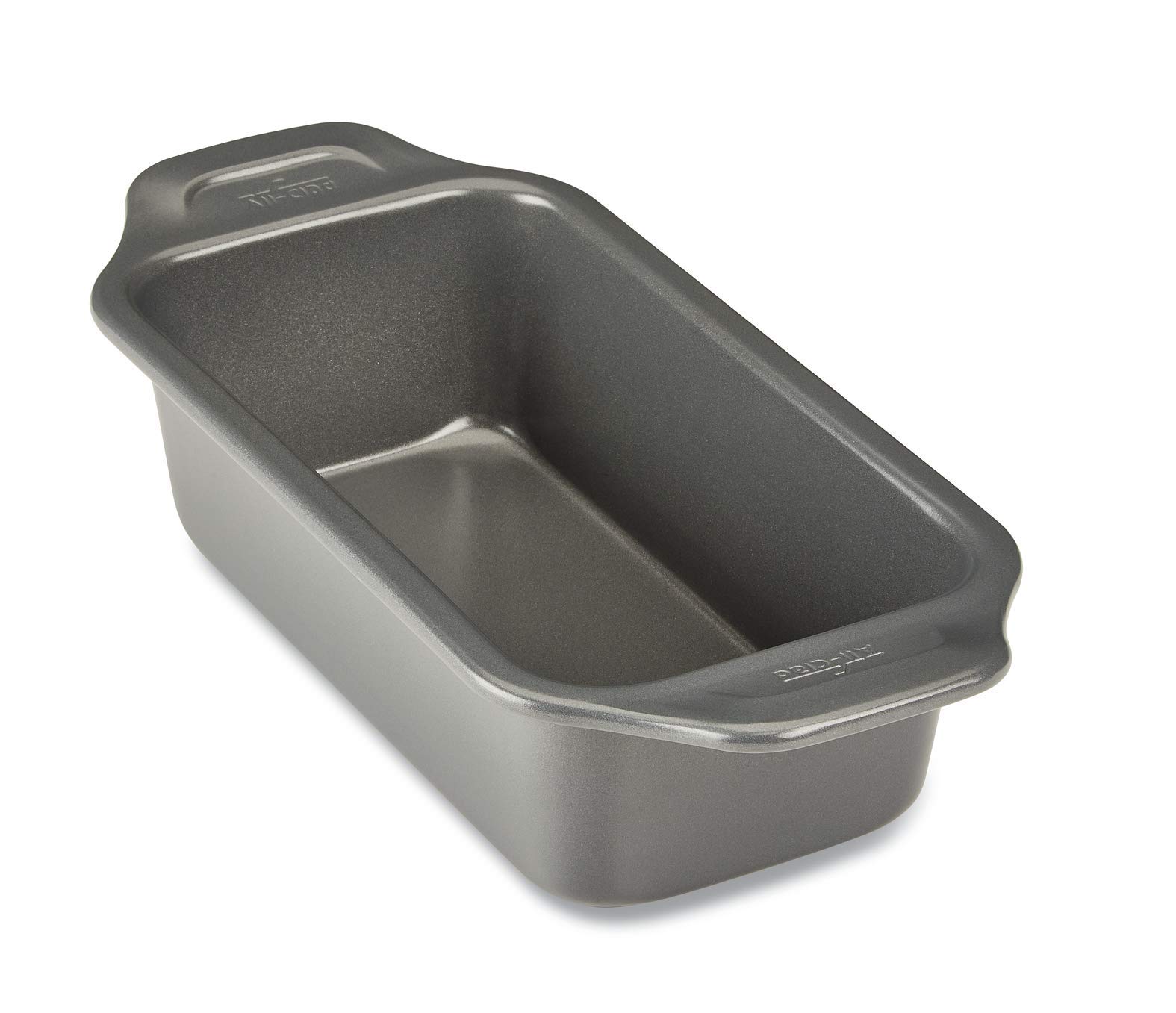
| HA1 Non-Stick | 500°F (260°C) | No | Hard-Anodized Aluminum |
| Essentials Non-Stick | 500°F (260°C) | No | Hard-Anodized Aluminum |
| FusionTec | 500°F (260°C) | Yes | Steel Core with Ceramic |
| Glass Lids | 350°F (175°C) | No | Tempered Glass/Stainless |
Stainless Steel Collections (D3, D5, Copper Core)
These are the workhorses of the All-Clad brand. Because they are constructed entirely of metal alloys, they can withstand the highest temperatures of any residential or commercial oven. The 600°F rating is actually higher than most home ovens can even reach, providing a significant safety margin. This high-heat tolerance makes them ideal for roasting meats, baking pan-sauce-heavy dishes, or even using them as a makeshift pizza stone.
Non-Stick Collections (HA1 and Essentials)
All-Clad’s non-stick lines, such as the HA1 and Essentials series, are built on a base of heavy-gauge, hard-anodized aluminum. While the aluminum itself can handle high heat, the non-stick coating is the bottleneck. Most PTFE-based non-stick coatings begin to degrade and release microscopic polymer fumes once they exceed 500°F. For this reason, these pans should never be used under a broiler, where direct heat can quickly push the surface temperature past the safe threshold.
FusionTec and Ceramic Lines
All-Clad’s FusionTec line features a thick steel core bonded with a natural ceramic finish. These are rated for 500°F. While they are very durable and resistant to chipping, the ceramic finish reacts differently to rapid temperature changes than pure stainless steel, hence the slightly lower—though still very high—rating compared to the D3 or D5 lines.
The Difference Between Oven-Safe and Broiler-Safe
A common mistake among home cooks is assuming that an "oven-safe" pan is automatically "broiler-safe." In 2026, as high-end kitchen appliances become more powerful, the distinction is more critical than ever.
An oven functions through convection or radiant heat that warms the air inside the chamber, eventually heating the pan from all sides relatively evenly. A broiler, however, functions through intense, direct infrared radiation from a top element. This can create localized temperatures well in excess of 600°F in a matter of seconds.
Stainless Steel and Copper Core pans are broiler-safe. The rivets and handles are made of the same high-quality stainless steel as the body, meaning they won't fail under the broiler's intense heat. This is perfect for browning the cheese on a frittata or caramelizing the skin on a chicken breast.
Non-stick pans (HA1, Essentials) are not broiler-safe. Placing a non-stick pan under a broiler will almost certainly ruin the coating. The intense heat causes the non-stick layer to blister and peel, effectively destroying the pan's primary function and potentially releasing harmful chemicals into your kitchen.
Lid Safety and Heat Resistance
The lid is often the "weakest link" in a cookware set's oven compatibility. All-Clad uses two primary types of lids: stainless steel and tempered glass.
Stainless Steel Lids
Pans in the D3, D5, and Copper Core sets typically come with stainless steel lids. These lids share the same 600°F temperature rating as the pans themselves. They are excellent for braising, as they create a tight seal that prevents moisture from escaping during long, slow oven roasts.
Tempered Glass Lids
Many of the newer or more consumer-friendly sets, including the HA1 and Essentials lines, feature tempered glass lids with stainless steel rims. While tempered glass is designed to withstand heat, it is susceptible to thermal shock. All-Clad generally recommends a maximum temperature of 350°F to 425°F for these lids, depending on the specific model. Furthermore, glass lids should never be used under a broiler, as the uneven, intense heat can cause the glass to shatter.
The "Stay-Cool" Handle Fallacy in the Oven
All-Clad is famous for its long, iconic stainless steel handles designed to stay cool on the stovetop. This works because the handle is cast in a way that minimizes heat transfer from the pan's body, and the length allows heat to dissipate before it reaches the hand.
However, this "stay-cool" feature is completely negated in the oven.
In an oven, the entire handle is engulfed in heated air. Within minutes, the handle will reach the same temperature as the oven itself. Because All-Clad uses solid stainless steel for its handles, they have high thermal mass and will stay dangerously hot for a long time after being removed from the oven.
Best Practices for Handling Hot All-Clad:
- Always use dry oven mitts: Moisture in a towel or mitt can turn to steam instantly when it hits a 400°F handle, causing severe burns.
- The "Towel Over the Handle" Rule: Once you remove a hot pan from the oven and set it on the stovetop or a trivet, drape a dry kitchen towel or a specialized silicone handle cover over it. This serves as a visual warning to yourself and others that the handle is hot.
- Avoid Silicone Grips in High Heat: While some third-party silicone handle sleeves are rated for 450°F, they can become slippery or lose their integrity at higher temperatures. It is often safer to rely on heavy-duty oven mitts for the actual transition.
Transitioning from Stovetop to Oven: Thermal Shock
One of the most significant risks to high-end cookware like All-Clad is thermal shock. This occurs when a pan is subjected to a rapid, extreme change in temperature. For example, taking a 500°F pan directly from the oven and placing it under a cold water faucet.
While All-Clad's bonded construction is incredibly resilient, extreme thermal shock can cause the metal layers to expand or contract at different speeds, leading to "warping" or, in rare cases, delamination (the layers separating).
To preserve the flat bottom of your pan—essential for even heating on glass or induction cooktops—always allow the pan to cool naturally on a heat-resistant surface for several minutes before introducing it to water for cleaning.
Cleaning and Maintenance After Oven Use
Using a pan in the oven often results in "fond" (browned food bits) or polymerized oil on the sides and exterior of the pan. Because the oven heats the entire surface, oil splatter that would remain liquid on the stovetop can bake into a tough, amber-colored varnish in the oven.
For Stainless Steel:
If your All-Clad develops a "rainbow" tint or stubborn brown spots after oven use, Bar Keepers Friend is the manufacturer-recommended solution. This oxalic acid-based cleaner breaks down the polymerized oils and mineral deposits without scratching the stainless steel. A paste made of the powder and a small amount of water will usually restore the pan to its original luster.
For Non-Stick:
Avoid abrasive scrubbers. If food is stuck after an oven session, soak the pan in warm, soapy water. Using harsh chemicals or steel wool on a non-stick All-Clad pan will strip the coating and void the warranty.
Troubleshooting Common Issues
My Pan Discolored After Oven Use
This is normal. Stainless steel undergoes a process called oxidation when exposed to high heat. It doesn't affect the performance of the pan. A quick scrub with an acidic cleaner (like lemon juice, vinegar, or Bar Keepers Friend) will remove the oxidation layer.
The Handle Feels Loose
All-Clad uses heavy-duty stainless steel rivets. If you notice a handle becoming loose after frequent oven use, contact All-Clad customer service. Their cookware carries a lifetime warranty against manufacturer defects, and a failing rivet is a safety concern that they typically address.
Food Sticks More After Oven Roasting
If you find that food is sticking more than usual to your stainless steel pan after it has been in the oven, you may have "seasoned" the pan with burnt-on oil. A deep clean to remove all residue will restore the surface. Remember that stainless steel is not naturally non-stick; you must still use an appropriate amount of fat (oil or butter) and wait for the pan to reach the correct temperature before adding food.
Frequently Asked Questions
Can I put my All-Clad pan in the oven with a lid?
Yes, provided you match the lid type to the temperature. Stainless steel lids are safe up to 600°F. Glass lids are generally safe only up to 350°F or 425°F. Always check for any plastic or silicone knobs on the lid, as these are much more heat-sensitive.
Is the All-Clad HA1 series really oven-safe to 500°F?
Yes, the HA1 collection is designed to be more robust than standard non-stick pans. The hard-anodized aluminum base provides excellent heat distribution, and the professional-grade non-stick coating is rated for 500°F. However, to extend the life of the pan, many experts recommend keeping it below 450°F for everyday cooking.
Will the All-Clad handles melt in the oven?
No. All-Clad handles are made of cast stainless steel and are riveted to the body. There is nothing to melt. This is why All-Clad is preferred by professionals over brands that use "soft-touch" or plastic handles.
Can I use All-Clad in a toaster oven?
Technically, yes, as long as the pan fits without touching the heating elements. However, toaster ovens have heating elements very close to the food, which can create "hot spots" that exceed the pan’s temperature rating, especially for non-stick models. Exercise caution and ensure there is ample air circulation.
Why did my All-Clad pan warp in the oven?
Warping is rarely caused by the oven's ambient heat. It is usually the result of thermal shock—adding cold liquids to a screaming hot pan or rinsing a hot pan with cold water. It can also happen if a pan is placed on a burner much smaller than the pan's base, creating uneven expansion, though this is a stovetop issue rather than an oven one.
Expert Recommendation for Next Steps
To maximize the utility of your All-Clad in the oven, start by mastering the sear-to-roast technique. Preheat your stainless steel D3 or D5 pan on the stovetop over medium-high heat. Add a high-smoke-point oil (like avocado or grapeseed oil) and sear your protein until a golden-brown crust forms. Immediately transfer the pan to a preheated 400°F oven to finish cooking. This method, made possible by All-Clad's high oven safety rating, ensures a juicy interior and a professional-grade exterior.
For those looking to expand their collection in 2026, the D5 Brushed Stainless series remains the top recommendation for oven use due to its extra layers of metal which provide even greater warp resistance and heat retention than the entry-level D3 line.