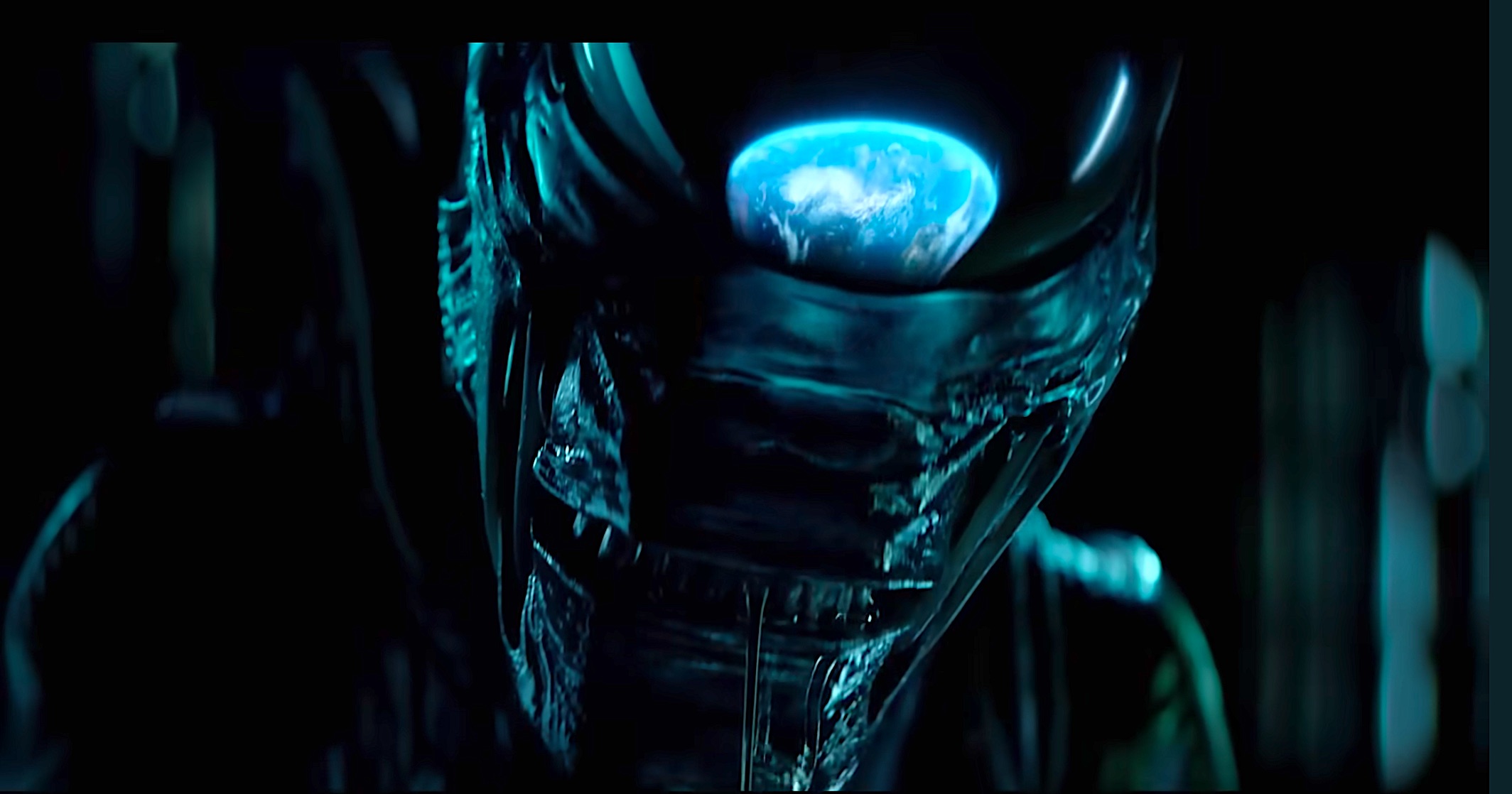
The term "Alien Earth" has been associated with various media projects, most notably a documentary-style speculative biology series and potential gaming developments that gained traction leading into 2025. While audiences anticipated specific premieres throughout that year, the project's status involves multiple iterations across different platforms, with core production updates often being confused with speculative release schedules.
Defining the Scope of Alien Earth
When audiences search for "Alien Earth," they are typically referring to one of two distinct categories: the visual exploration of exoplanet ecosystems through speculative science or emerging digital simulations. Understanding which specific version is being discussed is critical, as the "2025 release date" refers to distinct developmental milestones for each.
The speculative biology genre often draws inspiration from classic works like Wayne Barlowe’s Expedition or the Alien Planet documentary that aired on the Discovery Channel. In this context, projects titled "Alien Earth" or similar variants are essentially thought experiments turned into visual media. These productions require significant lead time for CGI rendering, scientific consulting, and narrative structuring. When a project of this nature is "confirmed" for a specific year, it refers to a production window rather than a fixed global premiere, which is subject to the complexities of distribution agreements and post-production refinement.
Analyzing the 2025 Timeline and Historical Context
As of 2026, we can look back at the industry climate of 2025 to clarify why certain release dates were projected and how they manifested. In the media and entertainment industry, a "confirmed release date" is often a provisional commitment made by production houses to investors and streaming platforms. Throughout 2025, several independent studios and creators utilized the "Alien Earth" branding to describe deep-time geological and biological simulations.
Many of these projects followed a phased release strategy. Phase one typically involves the release of technical demos or pilot episodes intended to gauge audience interest and attract further funding. If you were tracking a specific project that indicated a 2025 release, it is likely that the primary content—whether in the form of an interactive experience or a broadcast documentary—entered its public availability window during the latter half of that year.
Comparative Overview of Speculative Science Media
To distinguish between various projects that may carry similar titles, users should evaluate the format and primary medium. The following table provides a breakdown of how these projects are generally categorized and how their release timelines are communicated to the public.
| Project Category | Primary Format | Typical Distribution | Release Status Marker |
|---|---|---|---|
| Documentary Series | Episodic Video | Streaming/Broadcast | Season Premiere Date |
| Digital Simulation | Interactive App/Game | Digital Storefront | Version 1.0 Launch |
| Educational Exhibit | Multimedia/VR | Museum/Public Space | Installation Opening |
| Independent Concept | Crowdfunded Media | Web-based/YouTube | Public Access Date |
By identifying which category your interest falls into, you can determine whether a project is currently accessible or if it has encountered delays common in independent high-fidelity production.
Technical Requirements and Access
For those looking to engage with interactive "Alien Earth" simulations or high-definition streaming series, specific technical requirements often dictate the experience. Digital simulations that aim for high realism—modeling atmospheric density, light refraction, and biological movement—frequently require modern hardware configurations.
Hardware Prerequisites
If the "Alien Earth" project in question is a software-based simulation or a high-end interactive experience, you should ensure your workstation meets the following general requirements established by developers in 2025:
- Processor: Multi-core CPUs with high single-thread performance to handle real-time procedural generation.
- Graphics: Dedicated GPUs with at least 8GB of VRAM to maintain fluid frame rates during complex environmental rendering.
- Memory: 16GB RAM as a baseline, though 32GB is recommended for fluid transitions between planetary biomes.
- Display: HDR-capable monitors are often suggested to fully appreciate the color grading used in alien biological environments.
Accessing Streaming Content
For documentary-style series, accessibility is tied to the platform's licensing agreements. If a series was confirmed for a 2025 release, it is usually hosted on major streaming providers. Verification of availability is as simple as searching the platform’s library, but if the content is missing, it may be due to regional licensing restrictions. In such cases, checking the official production company's website is the most reliable method for finding the intended distribution channel for your specific territory.
Common Challenges and Troubleshooting
In the pursuit of finding specific media, users often encounter common hurdles. Understanding these can save time and prevent reliance on unverified information.
Navigating Information Overload
The digital space is filled with fan-made concepts and speculative "teasers" that are frequently mistaken for official announcements. When searching for "Alien Earth," always verify the source of the release date. An official announcement should originate from the production studio, a verified social media account of the director or lead developer, or a reputable trade publication (such as Variety or The Hollywood Reporter). If a date is cited only by aggregators or fan wikis, it should be treated as a rumor rather than a confirmed fact.
Platform Availability
If you cannot find the "Alien Earth" content you are looking for, it might be undergoing a transition in distribution. It is not uncommon for titles to be pulled from one streaming service and licensed to another. Furthermore, some independent projects have shifted from a "paid release" model to a "free-to-view" model on platforms like YouTube to maximize reach. If the project is software-based, check the developer's Discord or GitHub repository; these channels often contain the most current information regarding version updates and deployment status.
Future Developments in Speculative Biology Media
Looking ahead, the interest in speculative science as a genre is expected to grow. The use of generative AI in asset creation and the decreasing cost of high-end rendering mean that smaller studios can produce projects that previously required the resources of major television networks.
The 2025 cycle set a precedent for higher quality and more frequent updates in this space. For enthusiasts, the key takeaway is to follow the intellectual property (IP) rather than just the title. If the creators of a beloved "Alien Earth" project are moving on to new work, they will typically announce it through the same channels used for their initial releases.
Frequently Asked Questions
Is Alien Earth a single unified project or a series of different works?
"Alien Earth" is not a single, universal property. It is a recurring theme in both documentary-style filmmaking and digital simulation. Multiple independent creators and studios have used the name to describe their specific take on exoplanetary life. Always look for the studio name or the specific lead creators to ensure you are tracking the project that interests you.
Can I still access content that was released in 2025?
Yes. Most digital content released in 2025 remains available through their respective hosting platforms. If a project was a limited-time web experience, it may have been archived or transitioned into a static video format. Check the official domain or the project's archived documentation for links to current access points.
Why do release dates for these projects often shift?
Independent and medium-scale projects in the speculative science genre are subject to the same volatility as major film productions. Challenges in securing distribution, the technical demands of finalizing high-fidelity simulations, and changes in project funding can all cause a planned date to shift.
Are there any legal or jurisdictional restrictions for viewing this content?
Generally, no. Educational and entertainment media regarding speculative biology is widely accessible globally. However, some digital games or simulations may be subject to regional age ratings or platform-specific service terms that could restrict access based on your location.
How can I verify if an announcement is official?
Look for a direct URL to the official project website. If a source claims a release date, it should link to a press release or an official social media post from the project’s verified account. If the information is only available on social media rumors or unlinked forum posts, it is not considered verified.
Recommendation for Next Actions
If you are currently searching for specific media under the name "Alien Earth," start by isolating the specific studio or author associated with the content you previously saw or heard about. Once you have identified the creators, subscribe to their primary official channel—whether it is a studio website, a newsletter, or a verified social media page. This ensures that you receive direct updates rather than relying on aggregated content, which can often be outdated or incorrect. If you are specifically looking for a 2025 release, search for the project title alongside the name of the studio to filter out irrelevant results.