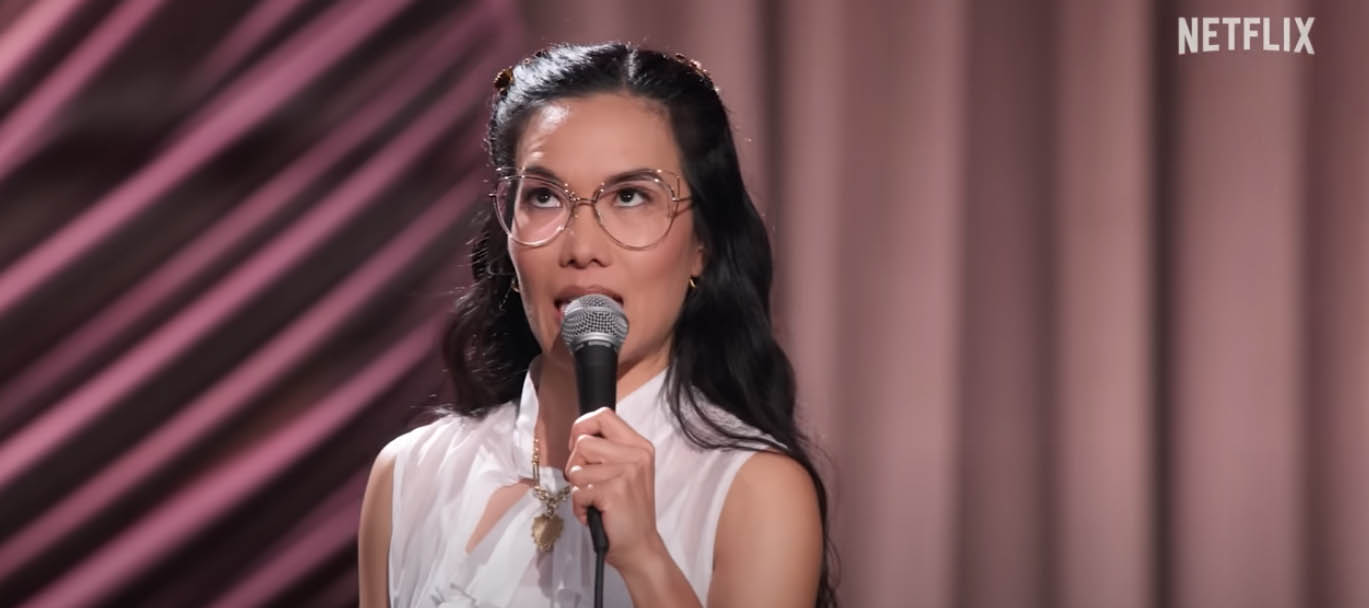
Ali Wong’s fourth Netflix comedy special, Single Lady, represents a significant tonal and thematic shift in the comedian’s career. Released in late 2024 and remaining a staple of the platform’s comedy library here in 2026, the special provides an unfiltered look at life after divorce, the complexities of mid-life dating, and the evolution of a woman who once joked about "trapping" a husband and now finds herself navigating a world of newfound independence.
The special is more than just a collection of punchlines; it is a narrative journey that chronicles the aftermath of a highly publicized separation. Wong uses her trademark raunchiness to explore the vulnerability of starting over in her 40s, while simultaneously asserting her status as a powerhouse in the entertainment industry. For those seeking a detailed review, this analysis breaks down the performance, themes, and technical execution that define this chapter of Wong's legacy.
The Context: Evolution from Domesticity to Independence
To understand the weight of Single Lady, one must look at the trajectory of Ali Wong’s previous specials. In Baby Cobra (2016) and Hard Knock Wife (2018), Wong’s persona was built on the "relatable" struggle of a woman trying to secure a comfortable domestic life. Her jokes often revolved around her desire to be a "trophy wife" and the physical toll of pregnancy. By Don Wong (2022), the cracks in the domestic fantasy began to show, with more aggressive commentary on the double standards of success and infidelity.
Single Lady is the culmination of that narrative arc. Having finalized her divorce from Justin Hakuta, Wong no longer speaks from the perspective of someone "trapped" in the traditional family unit. Instead, she enters the stage with a different kind of energy—one that is less about seeking stability and more about reclaiming her identity. The special was filmed at The Wiltern in Los Angeles during the "Netflix Is A Joke" Fest, a venue that provides an intimate yet grand backdrop for her "post-marriage" debut.
Core Themes and Narrative Structure
The special is structured around the immediate years following her separation. It moves through the stages of grief, relief, and the eventual absurdity of the modern dating market.
Re-entering the Dating Pool in Your 40s
The primary engine of Single Lady is the culture shock of dating after a decade of marriage. Wong describes the transition from being a settled mother of two to a "single lady" with a mix of terror and exhilaration. She delves into the specifics of using dating apps as a celebrity, the awkwardness of "first times" with new partners, and the specific dynamics of dating younger men.
Unlike her earlier material, which focused on the long-term "con" of marriage, these jokes are faster and more experimental. She explores the power dynamics of her wealth and fame, noting how it affects the men she interacts with. This section is particularly effective because it bridges the gap between her ultra-famous reality and the universal experience of feeling "out of practice" in romance.
The Breadwinner Paradox
A recurring theme in Wong’s body of work is the "breadwinner" dynamic. In Single Lady, she revisits the irony of her early career goals. Having once joked that she wanted to marry rich so she never had to work again, she confronts the reality that she is now the primary earner and a mogul in her own right. This realization is handled with a blend of pride and exhaustion. She discusses the burden of being the "alpha" in a relationship and the difficulty of finding a partner who is comfortable with her level of success.
Motherhood and Co-Parenting
While the focus is on her "single" status, Wong does not ignore her role as a mother. She offers a nuanced, often hilarious take on co-parenting. One of the most discussed aspects of this special is her continued friendship with her ex-husband. Wong manages to mock the situation without being malicious, highlighting the logistical nightmares of shared custody while acknowledging the love that remains between them as a family unit.
Performance, Style, and Delivery
Ali Wong’s delivery in Single Lady is notably more controlled than in her previous specials. While she still utilizes the expressive facial contortions and sharp physical comedy that made her famous, there is an underlying layer of poise.
- Pacing: The special moves at a brisk pace. Wong has mastered the art of the "callback," weaving early jokes about her divorce into later segments about her professional life.
- Physicality: Wong uses the stage effectively, often mimicking the awkward movements of a "first date" or the aggressive stance of a woman who no longer has to please a husband. Her wardrobe—typically a signature element of her specials—continues to reflect her persona: bold, stylish, and unapologetically loud.
- Tone: There is a "confessional" quality to this special that was less present in her earlier work. While Baby Cobra felt like a manifesto, Single Lady feels like a conversation with a close friend after three glasses of wine.
Technical Execution and Direction
Notably, Single Lady was directed by Ali Wong herself. This directorial choice is evident in the way the cameras capture her intimacy with the audience. The lighting is warm, and the editing focuses heavily on her reactions to the crowd’s energy. By directing her own special, Wong ensures that the "gaze" of the performance remains entirely hers. She controls the pauses, the close-ups, and the moments of silence, which are just as important as the punchlines in this particular set.
| Feature | Details |
|---|---|
| Director | Ali Wong |
| Filming Location | The Wiltern, Los Angeles |
| Release Date | October 8, 2024 |
| Primary Theme | Life and dating post-divorce |
| Running Time | Approximately 60 minutes |
| Key Relationships | Justin Hakuta (ex-husband), Bill Hader (current partner at the time of filming) |
Comparison: Single Lady vs. Previous Specials
When comparing Single Lady to her previous body of work, several distinct differences emerge regarding her comedic philosophy and audience connection.
- Vulnerability vs. Shock Value: In her earlier specials, Wong relied heavily on "gross-out" humor and shock value regarding bodily functions and pregnancy. While Single Lady is still R-rated, the humor is grounded more in emotional vulnerability. The "shock" comes from her honesty about loneliness rather than her descriptions of childbirth.
- The "We" vs. the "I": Her first three specials were very much about the "we"—the couple, the family, the unit. Single Lady is fiercely about the "I." It is an exploration of what it means to be an individual again after being defined by a partnership for so long.
- Celebrity Status: In 2016, Wong was an up-and-coming writer. By 2026, she is an Emmy-winning actress and a global star. Single Lady acknowledges this status change. She no longer pretends to be an "everyman"; she jokes about the specific problems of a woman who is recognized at the grocery store while trying to buy "divorce snacks."
Critical and Audience Reception
The reception to Single Lady was largely positive, though it sparked a different kind of discourse compared to her previous work. Critics praised her ability to turn a personal "failure" (the end of a marriage she had joked so much about) into a professional triumph.
- Critical Consensus: Many reviewers noted that this is Wong’s most "mature" work. It lacks the frantic energy of Baby Cobra but replaces it with a more sustainable, seasoned comedic voice.
- Audience Reaction: Some long-term fans who enjoyed the "trapped housewife" trope found the transition to "wealthy single woman" a bit harder to relate to. However, a new demographic of fans—particularly women in their 30s and 40s going through similar life transitions—found the special to be a refreshing and necessary piece of media.
The Cultural Impact of the "Divorce Special"
In the landscape of stand-up comedy, the "divorce special" is a well-known trope, traditionally dominated by male comedians. Wong’s entry into this sub-genre is significant because she approaches it from the perspective of a high-earning Asian-American woman. She avoids the "bitter" trap that many comedians fall into, instead opting for a narrative of self-discovery.
By 2026, Single Lady is viewed as a landmark for Wong. It proved that her comedy wasn't just tied to a specific time in her life (pregnancy/early marriage) but was a versatile tool she could use to navigate any life stage. It solidified her position as a storyteller who can evolve with her audience.
Frequently Asked Questions
Does Ali Wong talk about Bill Hader in Single Lady?
While she does not always mention him by name in every segment, she heavily references her relationship with a "famous boyfriend" and the surreal nature of being in a high-profile relationship immediately following her divorce. The special alludes to the public fascination with her dating life and how she balances that with her personal privacy.
Is Single Lady suitable for all audiences?
No. Like all of Ali Wong’s specials, Single Lady contains explicit language, graphic sexual humor, and mature themes. It is intended for adult audiences. It is rated TV-MA on Netflix for language and crude humor.
How does this special handle her divorce from Justin Hakuta?
Wong handles the divorce with a surprising amount of grace and humor. She does not "trash" her ex-husband; instead, she focuses on the absurdity of the situation and the fact that they remain close friends. She mocks the public’s reaction to the news more than the man himself.
Why is the special titled "Single Lady"?
The title is both a literal description of her relationship status and a play on the cultural expectations placed on single women. It also serves as a callback to her previous specials where she often discussed her "quest" to no longer be a single lady.
Where can I watch the Single Lady special?
As of 2026, Single Lady remains available for streaming exclusively on Netflix. It is part of her multi-special deal with the platform, which includes Baby Cobra, Hard Knock Wife, and Don Wong.
Final Verdict and Recommendation
Ali Wong: Single Lady is a masterclass in comedic evolution. It is a must-watch for anyone who has followed Wong’s career, but it also stands alone as a poignant and hilarious exploration of mid-life independence. For those going through life transitions, Wong provides a sense of solidarity wrapped in raunchy, high-energy storytelling.
While it may lack the raw, breakout "shock" of her 2016 debut, it offers something more valuable: a truthful look at the complexities of modern womanhood, success, and the courage required to start over when the world is watching. If you are looking for a deep dive into the psyche of one of comedy's biggest stars, this special delivers on every level.
Next Steps: After watching Single Lady, viewers may want to revisit Don Wong to see the stylistic transition in progress or explore Wong’s dramatic work in the series Beef to appreciate the depth of her performance range.