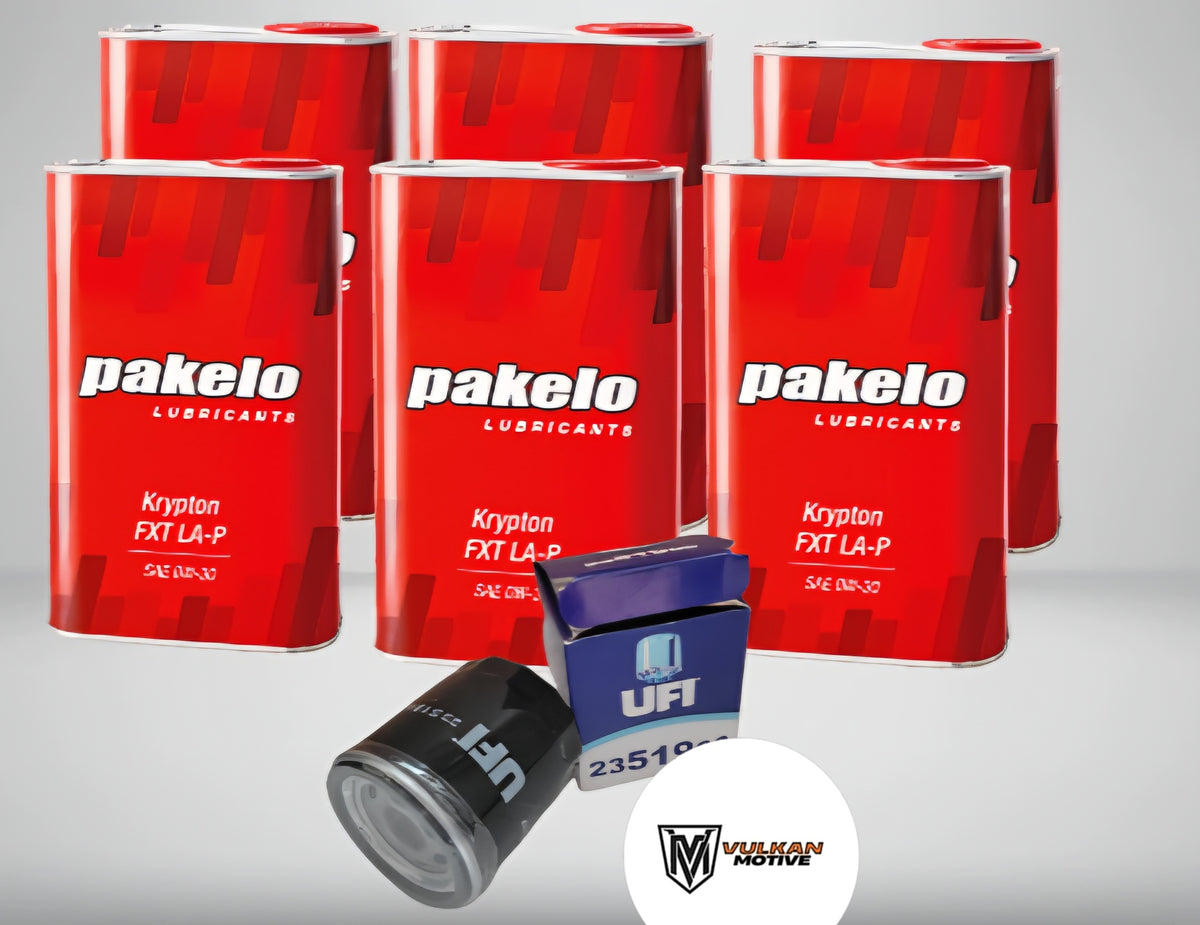
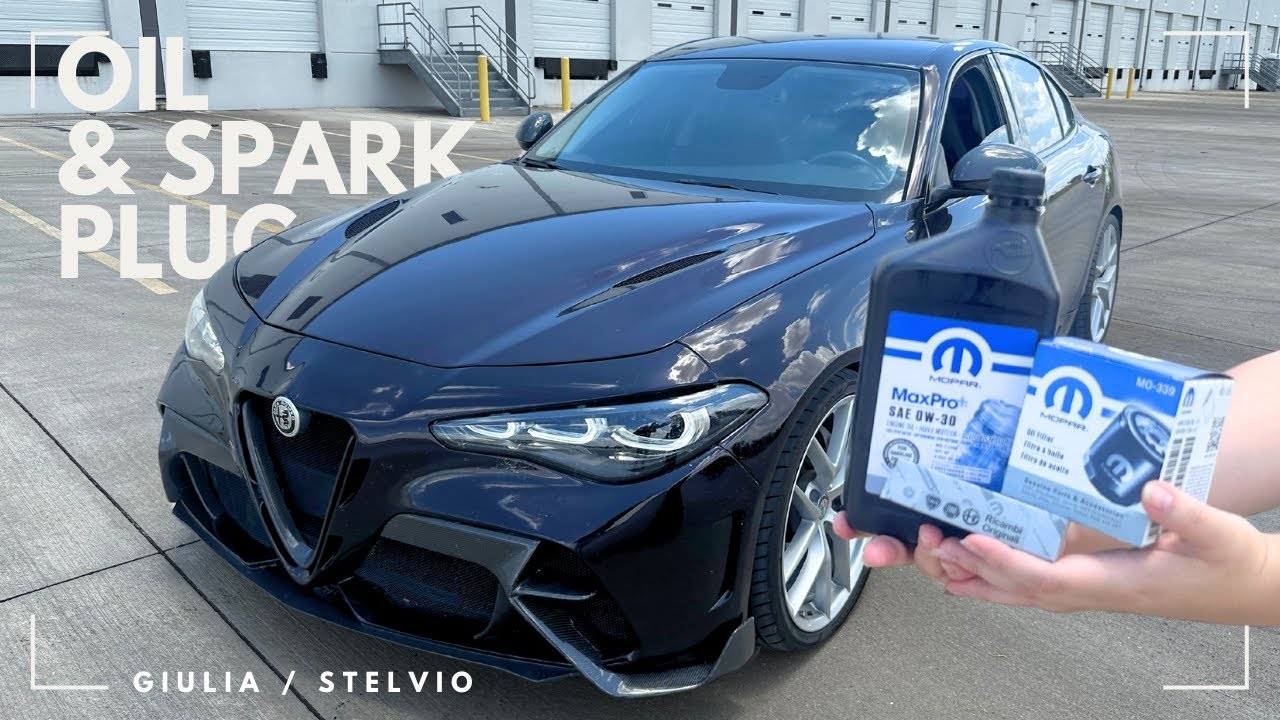
To maintain the performance and longevity of your Alfa Romeo Giulia, you should change the oil every 10,000 miles or once a year, though many enthusiasts recommend a 5,000-mile interval for optimal protection. You must use full synthetic oil meeting FCA Material Standard MS-13340 for 2.0L models or MS.90047 for the 2.9L Quadrifoglio.
The Alfa Romeo Giulia is more than just a luxury sedan; it is a precision-engineered machine that relies heavily on its lubrication system to protect high-revving turbocharged components and the sophisticated MultiAir valve-actuation system. As we move through 2026, many Giulia models—ranging from the early 2017 releases to the latest versions—are entering higher mileage brackets where adherence to strict oil change guidelines becomes even more critical for preventing premature engine wear.
Understanding the Engine Variants and Oil Requirements
The Giulia primarily comes in two engine configurations, each with distinct lubrication needs. The 2.0L turbocharged I4 found in the Ti and Veloce trims is a high-compression engine that uses the MultiAir system. This system uses engine oil as a hydraulic fluid to control the intake valves, making oil quality and viscosity non-negotiable. Using the wrong oil can lead to "MultiAir brick" failure, a costly repair.
The 2.9L twin-turbocharged V6 found in the Quadrifoglio is a Ferrari-derived powerhouse. It operates under significantly higher thermal stress and requires a thicker viscosity to maintain film strength at high RPMs. Regardless of which engine you have, the use of full synthetic oil is mandatory. Synthetic oils provide superior shear stability and thermal resistance, which is essential for the turbochargers that can spin at over 200,000 RPM.
Oil Specifications by Engine Type
For the 2.0L engine, the standard is 0W-30. This low viscosity ensures rapid oil flow during cold starts, protecting the MultiAir actuators immediately. The oil must meet the FCA MS-13340 certification. Common compatible brands include Pennzoil Platinum Euro LX or Selenia Digitek Pure Energy.
For the 2.9L V6 Quadrifoglio, the standard is 5W-40. This engine requires oil that meets FCA MS.90047 or 9.55535-GH2 standards. Selenia Quadrifoglio is the factory-fill, but other high-performance synthetics meeting the specific ACEA C3 and API SN ratings are acceptable.
Oil Change Intervals: Factory vs. Real-World Usage
Alfa Romeo officially recommends an oil change interval of 10,000 miles (16,000 km) or 12 months, whichever comes first. The vehicle is equipped with an Oil Life Monitoring (OLM) system that calculates the remaining life based on driving habits, cold starts, and idle time.
However, "severe driving conditions" drastically reduce this interval. In technical terms, severe driving includes:
- Frequent short trips (under 10 miles) where the oil does not reach full operating temperature.
- Extensive idling or stop-and-go city traffic.
- Driving in extremely dusty or humid environments.
- Spirited driving or track days (common for the Quadrifoglio).
For most owners who want to maximize the lifespan of their Giulia, a 5,000 to 7,500-mile interval is the "sweet spot." This prevents the accumulation of carbon deposits and sludge that can clog the sensitive oil feed lines to the turbochargers.
Essential Tools and Parts Checklist
Performing an oil change on a Giulia is more involved than on a standard economy car due to the aerodynamic underbody shielding. You will need the following:
Parts
- Oil Filter: High-quality canister filter (Mopar 68252142AB for 2.0L; 00050005423 for 2.9L).
- Oil: 5.5 Quarts for 2.0L; 7.4 Quarts for 2.9L.
- Drain Plug Washer: A new 14mm copper or rubber-coated aluminum crush washer is vital to prevent leaks.
- Replacement Fasteners: The undertray screws are prone to rusting or stripping; having a few spare T30 Torx screws is helpful.
Tools
- Ramps or Jack/Stands: The Giulia has low ground clearance.
- Torx T30 & T25 Bits: To remove the numerous screws holding the aerodynamic undertray.
- 13mm Socket: For the oil drain plug.
- 27mm Socket: For the oil filter housing cap (or a specific oil filter wrench depending on the specific aftermarket filter used).
- Torque Wrench: To ensure the drain plug and filter cap are tightened to factory specifications.
- OBDII Scanner with Service Reset Capability: Such as MultiECUScan or a high-end Autel tool.
| Feature | 2.0L I4 Turbo | 2.9L V6 Quadrifoglio |
|---|---|---|
| Oil Viscosity | 0W-30 | 5W-40 |
| Capacity (w/ Filter) | ~5.5 Quarts (5.2L) | ~7.4 Quarts (7.0L) |
| FCA Specification | MS-13340 | MS.90047 |
| Drain Plug Torque | 20 Nm (15 lb-ft) | 20 Nm (15 lb-ft) |
| Filter Cap Torque | 25 Nm (18 lb-ft) | 25 Nm (18 lb-ft) |
| Undertray Fasteners | ~15-20 (T30/T25) | ~20+ (T30/T25) |
Step-by-Step Oil Change Procedure
1. Preparation and Lifting
Warm up the engine for about five minutes to allow the oil to flow more easily. Park the car on a level surface. Engage the electronic parking brake. Carefully drive the car onto ramps or lift it using a floor jack at the designated jacking points, securing it with jack stands. Never work under a car supported only by a jack.
2. Removing the Undertray
The Giulia uses a full-length aerodynamic undertray that covers the engine bay. Use your T30 and T25 Torx bits to remove the screws. There are approximately 15 to 22 screws depending on the model year and trim. Keep these organized, as they are not all the same length. Once the screws are removed, slide the tray backward to unhook it.
3. Draining the Oil
Locate the 13mm drain plug on the oil pan. Place a large drain pan underneath. Unscrew the plug slowly. Caution: The oil will be hot. Allow the oil to drain until it is a very slow drip. While draining, inspect the magnetic tip of the drain plug (if equipped) for any excessive metal shavings, which could indicate internal engine wear.
4. Replacing the Filter
The oil filter on the 2.0L is located on the passenger side of the engine block, accessible from underneath. On the 2.9L, it is also accessed from below. Use the 27mm socket to loosen the filter housing or a filter wrench to unscrew the canister.
Before installing the new filter, lubricate the rubber gasket with a film of fresh oil. This ensures a proper seal and makes future removal easier. Hand-tighten the filter, then give it an additional 1/4 to 1/2 turn with the wrench, or torque to 25 Nm.
5. Sealing and Refilling
Replace the crush washer on the drain plug. Thread the plug back in by hand to avoid cross-threading. Torque the drain plug to 20 Nm. Reinstall the undertray.
Lower the vehicle and open the hood. Locate the oil fill cap (look for the "Alfa Romeo" or oil can icon). Pour in the recommended amount of oil—start with 5 quarts for the 2.0L or 7 quarts for the 2.9L. Check the level using the electronic display (the Giulia does not have a traditional dipstick).
The Electronic Oil Level Measurement and Resetting the Service Light
One of the most frustrating aspects of the Giulia for DIY mechanics is the lack of a physical dipstick. To check the oil level:
- Start the engine and let it reach operating temperature.
- Park on a level surface and turn the engine off.
- Wait 5 minutes for the oil to drain back into the pan.
- Turn the ignition to "ON" (without starting the engine) and navigate to the "Vehicle Info" menu on the infotainment screen to view the oil level graphic.
Resetting the Service Indicator
Changing the oil is only half the job. You must also reset the service indicator. Unlike many cars that allow a reset via a sequence of button presses, the Giulia usually requires an OBDII diagnostic tool.
For models built after February 2018, the car is equipped with a Security Gateway Module (SGW). To reset the service light, you may need an SGW bypass cable to allow your diagnostic tool to "talk" to the ECU. Using software like MultiECUScan, you must perform two resets: the "Service Information" reset and the "Oil Change" reset in the engine module. Failing to do the latter can cause the car to continue thinking the oil is degraded, potentially triggering a "Change Engine Oil" warning even after the physical work is done.
Common Mistakes to Avoid
- Overfilling: Because the electronic sensor takes time to update, it is easy to add too much oil. Overfilling can cause aeration (foaming) of the oil, leading to a loss of lubrication and potential engine damage.
- Neglecting the Filter Bypass Valve: Always use OEM or high-quality filters. Lower-quality filters may have incorrect bypass valve pressures, which can starve the engine of oil during high-load scenarios.
- Stripping the Undertray Holes: The subframe holes for the undertray screws are often made of relatively soft material or use plastic inserts. Use hand tools to start the screws to avoid cross-threading.
- Ignoring the Crush Washer: Reusing the old washer is a leading cause of slow leaks that can soil your garage floor or, worse, cause a gradual loss of oil pressure.
Cost Comparison: DIY vs. Dealership
In 2026, a dealership oil change for an Alfa Romeo Giulia typically costs between $250 and $450, depending on your location and whether you have a 2.0L or the Quadrifoglio. This price usually includes a multi-point inspection and the electronic reset.
A DIY oil change costs significantly less:
- Oil (6-8 Quarts): $60–$90
- Filter: $15–$30
- Crush Washer: $2
- Total: $77–$122
While the DIY route saves over $150, the initial investment in a T30 Torx set, a 27mm socket, and a diagnostic reset tool (approx. $100–$200) means you will break even after the first or second oil change.
Frequently Asked Questions
Can I use 5W-30 instead of 0W-30 in the 2.0L Giulia?
While 5W-30 is a common viscosity, it is not recommended for the 2.0L MultiAir engine. The 0W-30 spec is specifically chosen for the hydraulic requirements of the MultiAir actuators. Using a heavier cold-start viscosity can lead to sluggish valve response and potential error codes in colder climates.
Why doesn't the oil level update immediately after I fill it?
The Giulia's electronic oil level sensor uses an algorithm that requires specific conditions (temperature and time) to provide an accurate reading. It is designed this way to prevent "sloshing" from giving a false low or high reading while driving. Always trust the initial measured volume poured in rather than the immediate sensor reading.
Is the Security Gateway (SGW) bypass necessary for every Giulia?
The SGW was phased in during the 2018 model year. If your Giulia was manufactured before late 2017, you likely do not need the bypass. For 2019–2026 models, the bypass is mandatory if you want to use a third-party OBDII tool to reset the service light.
What happens if I don't reset the oil life monitor?
The car will eventually enter a "limp mode" or display a persistent warning on the dashboard. In some cases, the engine may limit turbo boost to protect itself, as the ECU assumes the oil has degraded to a point where it can no longer protect high-heat components.
Practical Recommendation
For the best balance of engine protection and cost-effectiveness, perform your oil changes every 5,000 miles if you plan on keeping the car past the 100,000-mile mark. Always document your oil changes with receipts for the oil and filter to maintain your powertrain warranty. If you are performing the service yourself, invest in a dedicated Alfa Romeo diagnostic tool like MultiECUScan; it will pay for itself not just in oil resets, but in diagnosing the complex electronic systems of the Giulia over time.
For official parts and specific technical bulletins, consult the Mopar Official Site or the Alfa Romeo Owner's Portal.