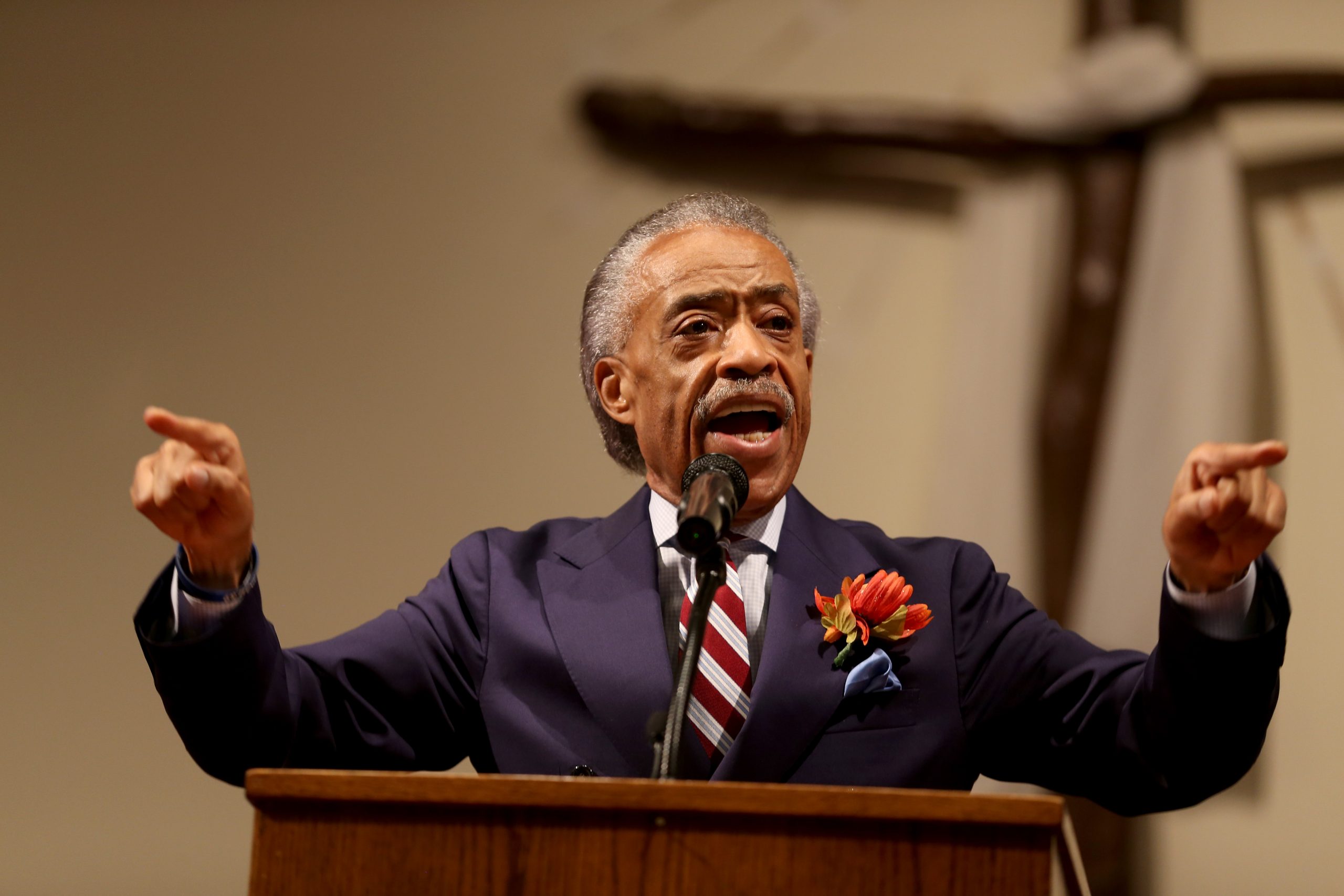
Reverend Al Sharpton achieved a remarkable weight loss of over 170 pounds by transitioning from a high-calorie diet to a disciplined, plant-based regimen centered on strict portion control and intermittent fasting. Since reaching his goal weight in the early 2010s, he has maintained a weight of approximately 130 pounds into 2026 through daily cardiovascular exercise and a minimalist eating schedule that prioritizes energy for his civil rights advocacy and media career.
The Evolution of Al Sharpton’s Physical Identity
For much of his early career in the 1980s and 1990s, Reverend Al Sharpton was defined by a larger-than-life physical presence that matched his booming oratory style. At his peak, Sharpton weighed over 300 pounds, a silhouette that became iconic during his years of activism in New York City. However, this weight came with significant health risks, including high blood pressure and decreased mobility, which began to conflict with the demanding schedule of a national civil rights leader.
The turning point for Sharpton was not a single medical emergency, but a realization regarding his longevity and his responsibilities to his family and his movement. He famously recounted an interaction with his daughter, Ashley, who questioned how he could effectively lead others if he could not maintain his own health. This emotional catalyst sparked a decade-long journey of physical transformation that would eventually see him lose more than half of his original body weight.
By the time Sharpton transitioned into a more prominent media role with his show PoliticsNation and continued his work with the National Action Network, his physical appearance had shifted dramatically. This transformation sparked a national discussion about health, discipline, and the specific challenges of weight management for public figures. In 2026, he remains a prominent example of long-term weight maintenance, a feat that is statistically rarer than the initial weight loss itself.
The Specifics of the Sharpton Diet: A Minimalist Approach
Sharpton’s approach to nutrition is characterized by extreme discipline and a move toward a plant-based, vegetarian lifestyle. He has openly discussed his daily intake, which many nutritionists describe as highly restrictive but which Sharpton defends as necessary for his specific metabolism and energy needs. He avoids meat, bread (except for specific whole-grain types), and processed sugars, focusing instead on nutrient density over caloric volume.
His typical daily routine involves a late breakfast of three slices of multi-grain toast and a pot of English Breakfast tea. He often skips a traditional lunch or opts for a simple green salad with basic vinaigrette. For Sharpton, the goal is to remain "light" to ensure mental clarity and physical agility throughout a day that often involves travel, speeches, and live broadcasts. He has noted that heavy meals make him feel sluggish, which he views as an impediment to his work.
One of the most discussed aspects of his diet is his use of intermittent fasting, though he rarely uses that specific technical term. By limiting his eating window and keeping his caloric intake significantly lower than the average adult male, he has managed to keep his weight hovering around the 130-pound mark for over a decade. While this approach is not recommended for everyone without medical supervision, Sharpton emphasizes that it works for his particular lifestyle and age.
Comparative Nutritional Habits: Before and After
| Category | Pre-Transformation Habits | 2026 Maintenance Regimen |
|---|---|---|
| Average Weight | 305 lbs | 129–135 lbs |
| Primary Protein | Fried chicken, steaks, heavy meats | Beans, nuts, plant-based supplements |
| Carbohydrate Sources | Refined pasta, white bread, soul food | Multi-grain toast, fresh vegetables |
| Breakfast | Large, cooked meals (eggs, meat) | 3 slices of toast and plain tea |
| Exercise Routine | Minimal / Sedentary | 20-30 mins daily (treadmill/walking) |
| Philosophy | Eating for comfort/tradition | Eating for functional energy |
The Psychological and Disciplined Approach to Health
The discussion surrounding Al Sharpton’s weight loss often overlooks the psychological component of his transformation. Sharpton has described his weight loss as an exercise in "willpower and political discipline." He views his body as a tool for his activism, arguing that if he cannot control his own impulses at the dinner table, he lacks the moral authority to lead complex social movements. This connection between personal discipline and public leadership is a recurring theme in his health philosophy.
This mental shift required him to decouple food from social interaction and cultural tradition. In many communities, large meals are a central part of social cohesion and celebration. Sharpton had to navigate these cultural expectations while maintaining his strict regimen. His ability to attend banquets and community dinners while sticking to his minimalist diet is a testament to the mental fortitude he has developed over twenty years.
Furthermore, Sharpton has been vocal about the "addiction" aspect of overeating. He has compared his former relationship with food to other forms of dependency, suggesting that a total break from old habits was the only way to ensure success. This "cold turkey" approach to certain food groups helped him reset his palate and his hunger cues, eventually reaching a state where he no longer craves the high-calorie foods that once dominated his diet.
Public Reaction and the "Too Thin" Debate
As Sharpton’s weight continued to drop throughout the 2010s and into the 2020s, the public discussion took a turn from admiration to concern. Some fans and health commentators expressed worry that he had become "too thin" or "gaunt." This highlights a common societal reaction to extreme weight loss in older adults, where a leaner frame is sometimes misinterpreted as a sign of illness rather than health.
Medical professionals generally note that as people age, maintaining a lower weight can reduce the strain on the heart and joints, provided that nutritional needs are met. Sharpton has consistently addressed these concerns by stating that he has more energy now in his 70s than he did in his 40s. He undergoes regular medical checkups and has reported that his vital signs, including blood pressure and cholesterol, are in optimal ranges.
The debate also touches on the aesthetics of aging. Because Sharpton was known for his larger physique for decades, the dramatic change in his facial structure and overall frame was jarring to the public eye. However, the discussion has shifted in 2026 toward acknowledging his consistency. The fact that he has not experienced the "yo-yo" effect common in many celebrity weight loss stories has silenced many critics who initially thought his diet was an unsustainable fad.
Health Benefits and Long-Term Maintenance in the 70s
As of 2026, Al Sharpton is in his early 70s, a stage of life where weight management becomes increasingly critical for avoiding chronic diseases. His maintenance of a 170-pound weight loss for over 15 years is an outlier in clinical weight loss studies, which often show that individuals regain significant portions of lost weight within three to five years.
The health benefits of his transformation include:
- Reduced Cardiovascular Strain: Lowering his weight from 300+ to 130 lbs drastically reduced the workload on his heart.
- Diabetes Prevention: By eliminating processed sugars and focusing on a high-fiber, plant-based diet, he has minimized the risk of Type 2 diabetes.
- Increased Mobility: Sharpton remains highly active, frequently seen walking through airports and leading marches, which would have been significantly more difficult at his previous weight.
- Cognitive Clarity: He attributes his sharp debating skills and memory to a diet that avoids the "brain fog" often associated with heavy, high-carbohydrate meals.
His daily exercise routine is not overly complex; it focuses on consistency rather than intensity. He utilizes a treadmill for roughly 20 to 30 minutes daily, emphasizing the importance of getting the heart rate up and maintaining muscle tone. For seniors, this type of steady-state cardio is often recommended by the American Heart Association as a sustainable way to promote longevity.
Broader Impact on the African American Community
Al Sharpton’s weight loss discussion is intrinsically linked to the broader health disparities facing the African American community. Statistics from the Centers for Disease Control and Prevention (CDC) have long shown higher rates of obesity, hypertension, and heart disease among Black Americans compared to other demographics. By transforming his health so publicly, Sharpton has used his platform to advocate for "health activism."
He often reminds his audience that "wellness is a civil right." This perspective reframes healthy eating and exercise not as a luxury of the wealthy, but as a necessary component of community empowerment. Sharpton argues that the community cannot fight for justice if it is being decimated by preventable "lifestyle" diseases.
His influence has encouraged other leaders and members of the community to reconsider their dietary habits. While his specific, highly restrictive diet might not be the blueprint for everyone, the underlying message—that it is never too late to take control of one's health—has resonated deeply. In 2026, his journey serves as a case study in how public figures can leverage personal transformation to drive social change regarding public health awareness.
Common Pitfalls and Lessons from the Sharpton Method
While Sharpton’s success is undeniable, there are lessons to be learned from his journey regarding the common pitfalls of extreme weight loss. One major challenge is the potential for nutritional deficiencies when calories are restricted so heavily. Experts suggest that anyone attempting a similar reduction in intake must be diligent about vitamin and mineral supplementation, particularly B12 and Vitamin D, which can be lower in plant-based diets.
Another lesson is the importance of the "Maintenance Phase." Sharpton has noted that losing the weight was the first battle, but staying at that weight required a permanent change in identity. He no longer views himself as a "person who is dieting," but rather as a person who simply lives a certain way. This shift in self-perception is vital for preventing relapse.
Finally, the Sharpton method emphasizes that there is no "secret" or "magic pill." Despite rumors of surgeries or medications, Sharpton has consistently pointed to the mundane reality of his success: eating less and moving more. In an era of quick-fix weight loss drugs, his story remains a powerful reminder of the efficacy of traditional lifestyle modification and sustained discipline.
Frequently Asked Questions
How much weight did Al Sharpton lose in total? Al Sharpton lost approximately 170 to 175 pounds. He went from a peak weight of around 305 pounds to a stable maintenance weight of roughly 130 to 135 pounds. This transformation occurred over several years, beginning in earnest in the mid-2000s.
Does Al Sharpton follow a vegan or vegetarian diet? He follows a primarily vegetarian diet, often leaning toward veganism. He has stated in numerous interviews that he does not eat meat and focuses on plant-based foods, though his primary emphasis is on portion control and avoiding processed starches and sugars.
Is Al Sharpton’s diet considered safe for everyone? Sharpton’s specific diet is extremely low in calories, which may not provide sufficient energy or nutrients for everyone, particularly those with active physical jobs or certain medical conditions. It is essential to consult with a healthcare provider or a registered dietitian before adopting such a restrictive eating plan.
What kind of exercise does Al Sharpton do? His exercise routine consists primarily of walking. He famously uses a treadmill for about 20 to 30 minutes every day. He prioritizes consistency over high-intensity training, which has helped him maintain his weight without overtaxing his body in his 70s.
What was the primary motivation for his weight loss? The primary motivation was a combination of health concerns and a conversation with his daughter, who challenged him to be healthy enough to remain active in his work and present for his family. He also felt that as a leader, he needed to demonstrate self-discipline.
Has Al Sharpton used weight loss medications like Ozempic? As of 2026, Al Sharpton has consistently attributed his weight loss to diet and exercise changes that began long before the widespread use of GLP-1 medications like Ozempic. He has maintained his weight since approximately 2012, well before these drugs became a standard treatment for weight management.
Practical Recommendation: If you are inspired by Al Sharpton's journey, focus on the principle of consistency rather than replicating his specific, highly restrictive meal plan. Start by identifying one or two "high-impact" dietary changes—such as eliminating sugary drinks or reducing red meat—and pair them with 20 minutes of daily walking. For those over 50, prioritize a consultation with a physician to monitor cardiovascular health and nutrient levels during any significant weight loss attempt.