Identifying airlines to avoid in 2026 requires distinguishing between carriers with poor service and those with documented safety failures. Travelers should primarily avoid airlines on the EU Air Safety List and those with consistent one-star ratings from Skytrax or low reliability scores on AirHelp, ensuring both physical safety and financial protection.
The global aviation landscape in 2026 remains a complex web of varying regulations, maintenance standards, and customer service benchmarks. For the modern traveler, "avoiding" an airline is rarely a matter of personal grudge; it is increasingly a calculated decision based on data regarding hull losses, maintenance schedules, flight cancellation frequencies, and the transparency of hidden fees. To make an informed choice, one must look past flashy marketing and examine the rigorous audits provided by international governing bodies and consumer advocacy groups.
Defining the "Avoid" Criteria: Safety vs. Service
Before listing specific carriers, it is essential to understand the two distinct categories of airlines that travelers typically seek to avoid. A failure in one category does not always imply a failure in the other, but for many, a deficiency in either is a dealbreaker.
Operational Safety and Regulatory Bans
The most critical tier of airlines to avoid are those banned from specific airspaces. The European Union Air Safety List (often called the EU Blacklist) is the gold standard for this data. If an airline is on this list, it means the European Union Aviation Safety Agency (EASA) has found the carrier lacks the necessary safety oversight or falls short of international safety standards set by the International Civil Aviation Organization (ICAO).
In 2026, safety concerns often stem from aging fleets, inadequate pilot training programs, or a lack of access to certified spare parts—a problem particularly prevalent in nations under heavy international sanctions. When an airline cannot guarantee the structural integrity of its aircraft or the currency of its flight crew's certifications, it moves from "budget option" to "unacceptable risk."
Reliability and Passenger Experience
The second category involves airlines that are technically safe but operationally disastrous. These are the carriers characterized by chronic delays, "ghost flights" (flights canceled at the last minute for low occupancy), and predatory fee structures.
Reliability is measured by On-Time Performance (OTP). An airline that consistently ranks in the bottom 10% for OTP creates a ripple effect of missed connections, lost hotel bookings, and professional disruptions. Furthermore, the "Experience" factor—incorporating seat pitch, cleanliness, and cabin crew responsiveness—determines whether a long-haul flight is a tolerable necessity or a grueling endurance test.
Global Carriers with Significant Safety Concerns
As of 2026, several regions continue to struggle with systemic aviation oversight issues. Choosing a carrier in these jurisdictions often involves inherent risks that international safety experts advise against.
The Impact of Sanctions on Maintenance
Airlines operating out of countries like Iran and Russia face ongoing challenges in 2026 regarding the procurement of genuine Boeing and Airbus components. While these carriers often employ highly skilled engineers, the inability to follow the manufacturer’s mandated maintenance intervals with OEM (Original Equipment Manufacturer) parts creates a cumulative safety deficit.
Iran Air and Iran Aseman Airlines have historically faced restrictions due to these maintenance hurdles. While they continue to fly domestically and to certain international hubs, the lack of transparency regarding their "gray market" parts procurement makes them a high-risk choice for safety-conscious travelers.
Regional Carriers in High-Risk Zones
Several nations have their entire aviation sector blacklisted by the EU. In 2026, this includes many airlines registered in:
- Afghanistan: (e.g., Ariana Afghan Airlines)
- Nepal: Due to the challenging mountainous terrain and a history of inadequate regulatory oversight, all Nepali carriers remain on the EU restricted list.
- Democratic Republic of the Congo: Persistent issues with aging Soviet-era aircraft and local oversight.
Flying with these carriers often means flying without the "safety net" of international insurance standards. In the event of an incident, the legal and financial recourse for international passengers is often non-existent.
The Service Laggards: Low-Quality Ratings in 2026
When safety is not the primary concern, the "avoid" list is dominated by carriers that fail to meet basic consumer expectations. These rankings are often derived from Skytrax—the industry's leading research firm—and AirHelp, which tracks passenger compensation claims.
The "One-Star" Club
Air Koryo, the national carrier of North Korea, remains one of the few airlines globally to consistently receive a one-star rating. While its international flight paths are extremely limited, the combination of antiquated aircraft and rudimentary service makes it the quintessential airline to avoid for those who have a choice.
Low-Cost Carriers (LCCs) and the "Value Trap"
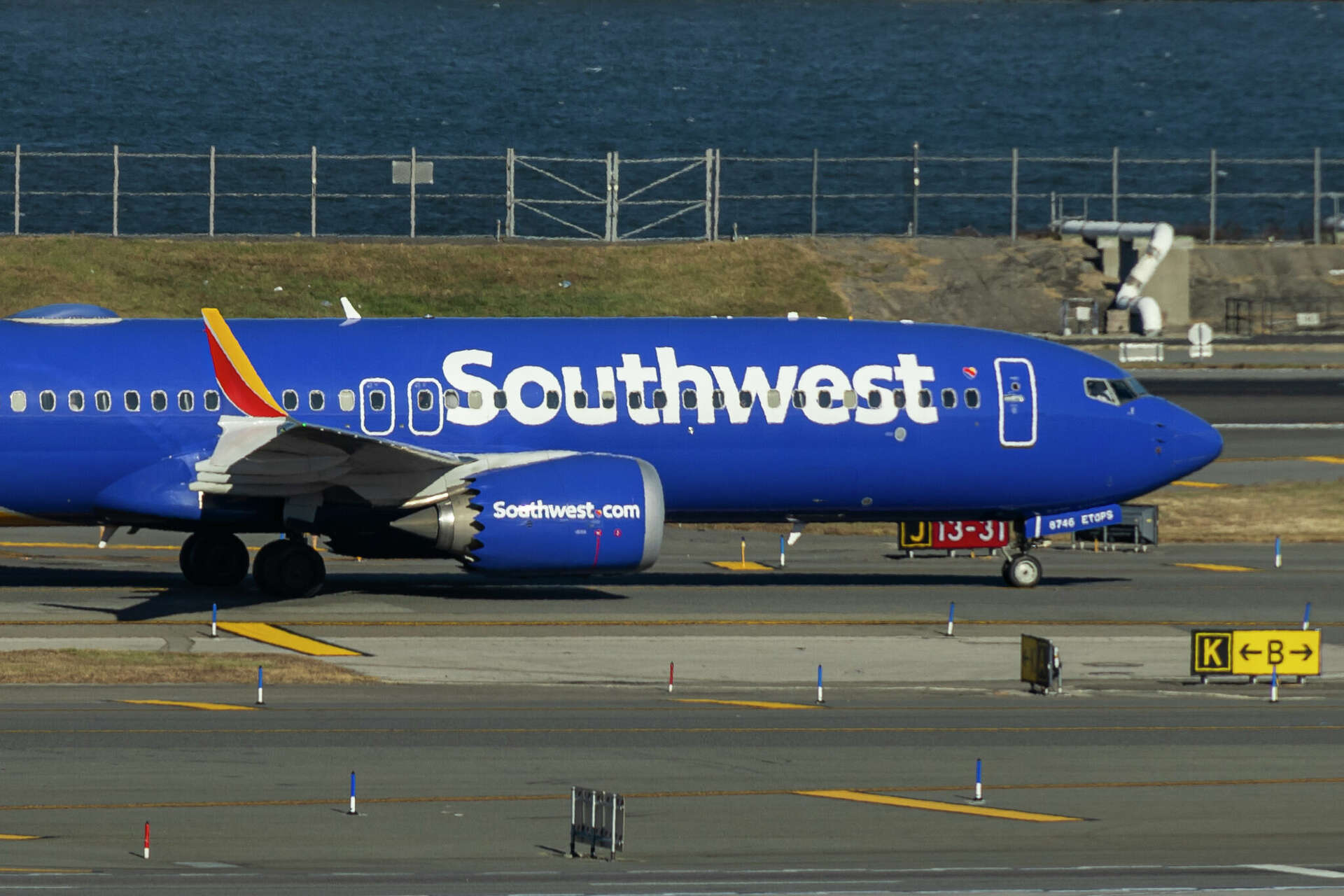
In the United States and Europe, the airlines most frequently cited as "to avoid" are ultra-low-cost carriers like Frontier Airlines and Spirit Airlines in the US, or certain regional budget players in Southeast Asia.
However, the "avoid" recommendation here is subjective. These airlines are safe; they adhere to FAA and EASA standards. The reason they appear on these lists is the "unbundling" of services. Passengers who do not read the fine print often find themselves paying more in baggage fees, seat selection, and check-in penalties than they saved on the base fare. In 2026, these carriers have doubled down on automated customer service, making it nearly impossible to speak to a human when a flight is canceled, which is a significant factor in their low consumer sentiment scores.
Technical Analysis of Airline Reliability
To provide a clearer picture, the following table compares key metrics for airlines that frequently appear on "avoid" lists versus industry leaders in 2026.
| Airline Name | Region | Primary Concern | Safety Status (2026) | Service Rating |
|---|---|---|---|---|
| Air Koryo | Asia | Total Experience | Banned in EU (mostly) | 1 Star |
| Ariana Afghan | Middle East | Safety Oversight | EU Blacklisted | Unrated |
| Spirit Airlines | North America | Reliability/Fees | FAA Certified (Safe) | 2.5 Stars |
| Nepal Airlines | Asia | Regional Safety | EU Blacklisted | 2 Stars |
| Air Zimbabwe | Africa | Maintenance/Debt | Restricted | 2 Stars |
| Ryanair | Europe | Customer Service | EASA Certified (Safe) | 3 Stars |
| Lufthansa | Europe | Declining Quality | EASA Certified (Safe) | 3.5 Stars* |
*Note: Lufthansa's rating has seen a decline from its former 5-star status due to aging cabin interiors and consistent labor strikes impacting reliability in recent years.
How to Verify an Airline's Status Before Booking
In 2026, travelers have more tools than ever to perform due diligence. Relying on a third-party booking site is not enough, as these platforms often list "blacklisted" airlines if they can technically issue a ticket.
Step 1: Consult the EU Air Safety List
Before booking travel in developing regions, search for the most recent "EU Air Safety List" PDF. This document is updated biannually by the European Commission and provides a definitive list of airlines banned or restricted within European airspace. If an airline is banned in Europe, it is generally because their safety standards are not "comparable" to international norms.
Step 2: Check the ICAO USOAP Results
The International Civil Aviation Organization (ICAO) conducts the Universal Safety Oversight Audit Programme (USOAP). You can look up a country’s safety oversight score. If a country has a low "Effective Implementation" (EI) score, it means their government is not properly inspecting their own airlines. This is a massive red flag.
Step 3: Review the IOSA Registry
The IATA Operational Safety Audit (IOSA) is a voluntary but rigorous evaluation system. Airlines that pass the IOSA have undergone an intensive audit of their management and control systems. If a major international airline is not IOSA certified, you should investigate why.
Common Pitfalls: Why "Cheap" Often Costs More
The primary reason travelers end up on sub-par airlines is the "lowest price" filter on search engines. In 2026, the true cost of an airline "to avoid" often manifests after the ticket is purchased.
- The Secondary Airport Strategy: Many low-rated airlines fly into airports located 60-90 minutes away from the actual city (e.g., Beauvais for Paris or Hahn for Frankfurt). The cost of ground transportation and the lost time often negate any savings.
- Lack of Interline Agreements: Major carriers have "interline agreements" that allow them to put you on a competitor's flight if theirs is canceled. Most "avoidable" airlines do not. If your flight is canceled, you are stuck waiting for their next available seat, which could be days away.
- Strict Refund Policies: Airlines with poor service ratings often have the most convoluted refund processes, frequently offering only "expiring credits" rather than cash, even when legally required to do otherwise.
Frequently Asked Questions
Which airlines are currently banned in the US and Europe?
In 2026, the ban list primarily targets airlines from nations with insufficient safety oversight, including Afghanistan, Kyrgyzstan, Libya, Sudan, and Nepal. Additionally, most Russian-registered airlines remain restricted from US and EU airspace due to the inability to verify maintenance records and the illegal "re-registration" of leased aircraft.
Is flying on a 1-star airline actually dangerous?
A 1-star rating from Skytrax usually refers to the quality of service (food, seat comfort, cleanliness, staff) rather than aeronautical safety. However, there is often a correlation: companies that do not invest in the passenger experience may also be cutting corners in other operational areas. Safety should be verified via ICAO and EASA lists, not just star ratings.
Why are Nepali airlines always on the "avoid" list?
Nepal’s aviation sector faces a unique combination of "high-performance" requirements and poor infrastructure. The country’s topography is among the most dangerous in the world, and the civil aviation authority has struggled to implement the rigorous oversight required to manage those risks, leading to a long-standing EU ban.
How can I tell if an airline is using "gray market" parts?
As a passenger, you cannot verify this directly. However, you can infer risk based on international sanctions. If a country is under heavy trade embargoes and cannot legally buy parts from Boeing or Airbus, their airlines are likely using third-party, uncertified, or salvaged parts.
Are budget airlines like Spirit or Ryanair safe to fly in 2026?
Yes. Despite their frequent appearances on "worst airline" lists due to poor customer service and extra fees, they maintain excellent safety records. They operate modern fleets and are subject to the same rigorous FAA or EASA inspections as premium carriers like Delta or British Airways.
Final Recommendation: Priority Over Price
When planning travel in 2026, your hierarchy of decision-making should prioritize Safety Certification first, On-Time Reliability second, and Price third. Use the EU Air Safety List to filter out non-negotiable risks. For regional travel in Africa, Asia, or South America, look for carriers that are part of major alliances (Star Alliance, Oneworld, or SkyTeam), as these groups require members to meet specific operational benchmarks. If an airline's primary reputation involves hidden fees and poor communication, ensure you have comprehensive travel insurance that covers "cancel for any reason" to mitigate the potential frustration.