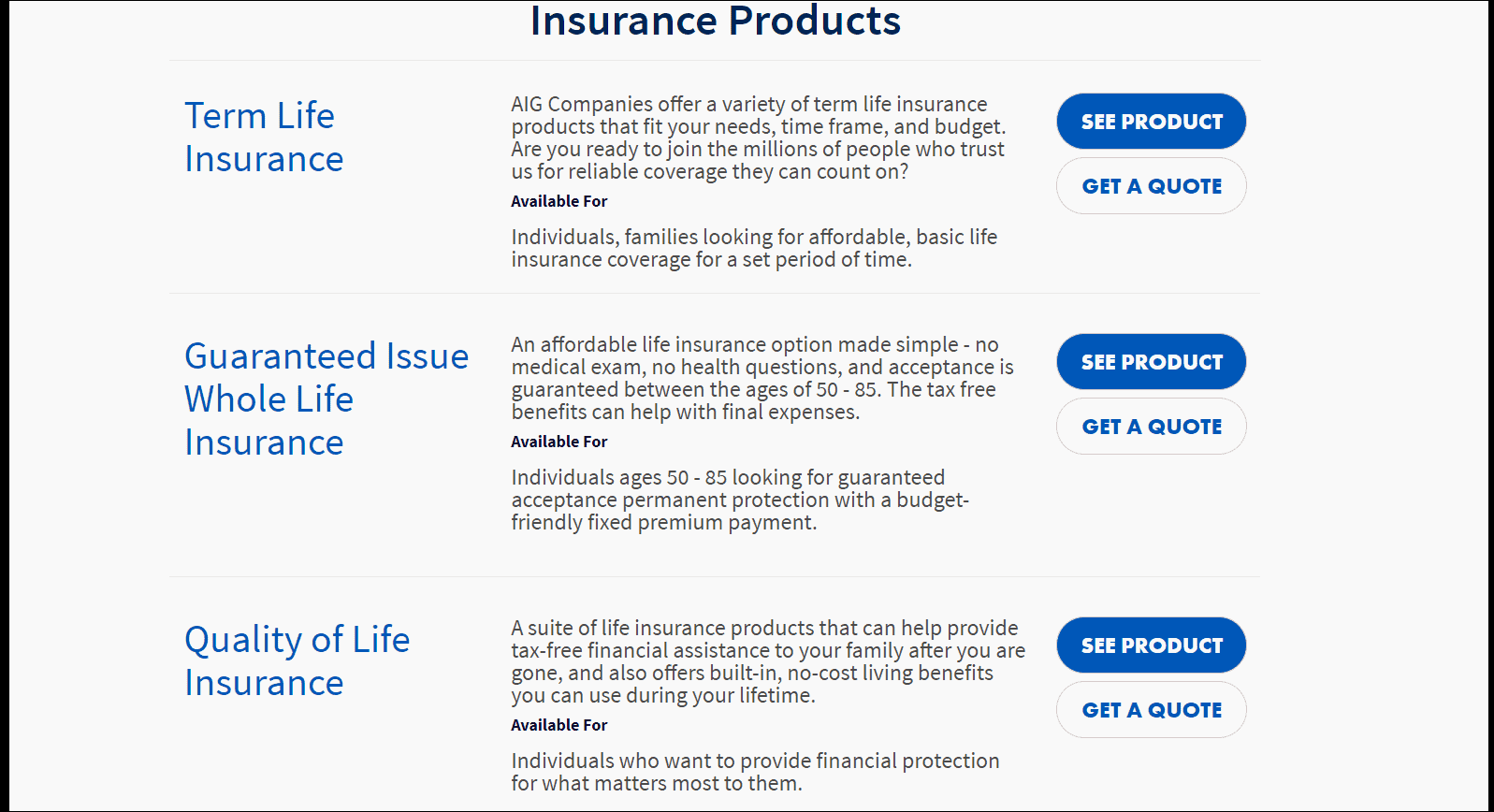
AIG does not offer standalone long-term care insurance policies in the traditional sense, but it provides hybrid solutions through life insurance products. Policyholders can often access benefits for long-term care needs by attaching specific riders—such as an Accelerated Death Benefit or a Chronic Illness Rider—to their permanent life insurance policies, allowing for the partial advance of the death benefit to cover qualified care costs.
The Evolution of Long-Term Care and Life Insurance
In the landscape of modern financial planning, the integration of life insurance with long-term care (LTC) benefits has become a critical component for risk management. For many years, consumers sought standalone LTC policies to protect their assets against the rising costs of nursing homes, assisted living facilities, and home health care. However, as the insurance market shifted due to rising claims and interest rate volatility, many carriers—including AIG—moved away from traditional standalone LTC products in favor of "linked-benefit" or "hybrid" structures.
When you investigate AIG life insurance regarding long-term care, you are essentially looking at a dual-purpose financial instrument. The primary goal is to provide a death benefit to your beneficiaries, while the secondary goal is to provide an accessible liquidity source should you suffer a qualifying chronic or terminal illness. This structure ensures that if you never require long-term care, the premiums paid are not "lost" in the way they might be with a term-based, use-it-or-lose-it insurance policy.
How AIG’s Linked-Benefit Structure Works
The mechanism used by AIG to provide long-term care support is generally housed within permanent life insurance offerings, such as Universal Life (UL) or Indexed Universal Life (IUL) policies. These products feature riders that allow for the "acceleration" of the death benefit.
The Accelerated Death Benefit Rider
The Accelerated Death Benefit (ADB) is the technical term for the feature that allows you to access your death benefit while you are still living. In the context of long-term care, this is triggered when a licensed healthcare practitioner certifies that the policyholder is chronically ill.
To qualify, a policyholder must generally demonstrate an inability to perform at least two of the six Activities of Daily Living (ADLs) for a period of at least 90 days, or have a severe cognitive impairment requiring substantial supervision to protect themselves from threats to health and safety. The six ADLs are:
- Bathing
- Continence
- Dressing
- Eating
- Toileting
- Transferring
The Payout Mechanism
Once the criteria for a chronic illness are met, AIG’s riders typically allow for the monthly or lump-sum disbursement of a portion of the policy's death benefit. It is important to understand that this is not an "extra" pot of money; it is an advancement of the death benefit your heirs would have otherwise received. When you receive an accelerated payment, the remaining death benefit and the cash value of the policy are reduced accordingly.
Evaluating the Pros and Cons of Hybrid LTC Coverage
Using a life insurance policy to address long-term care needs involves specific trade-offs that every policyholder should evaluate before committing to a premium structure.
Advantages
- Asset Preservation: If you require long-term care, you can tap into your policy to fund those expenses without depleting your personal savings or investments.
- The "Return of Premium" Concept: If you never require long-term care, your heirs still receive a death benefit, preventing the "sunk cost" feeling associated with standalone LTC policies that have no payout if no care is needed.
- Flexibility: Depending on the specific policy, the benefits received through an ADB rider are often treated as tax-advantaged income, mirroring the tax treatment of the death benefit itself.
Limitations
- Reduced Legacy: Because the LTC benefits are drawn from the death benefit, utilizing the care rider will necessarily lower the amount of life insurance proceeds available to your beneficiaries upon your death.
- Benefit Caps: Most riders have a monthly or lifetime cap on the amount that can be accelerated. This may not cover the full cost of high-end, long-term care facilities in every jurisdiction.
- Underwriting Sensitivity: Obtaining a permanent life insurance policy with these riders requires health underwriting. If you are already suffering from a chronic condition, you may be ineligible for the coverage or face prohibitively high premiums.
Comparison Table: Standalone LTC vs. Hybrid Life Insurance
| Feature | Standalone LTC Insurance | Hybrid Life Insurance (AIG Riders) |
|---|---|---|
| Primary Purpose | Exclusive coverage for LTC costs | Death benefit + optional LTC acceleration |
| Payout if no care needed | None (usually) | Full death benefit to beneficiaries |
| Premiums | Can increase annually | Usually fixed for the life of the policy |
| Benefit Pool | Specific to LTC daily limits | Tied to the total policy death benefit |
| Underwriting | Strictly health-based | Health and financial-based |
The Application and Verification Process
Applying for an AIG life insurance policy with long-term care riders in 2026 involves a rigorous verification process. Because these products serve both insurance and investment functions, the application process is more extensive than that of simple term life insurance.
- Financial Assessment: AIG will evaluate your financial needs, including your assets and potential future liabilities, to ensure the policy amount is suitable.
- Medical Underwriting: You will be required to undergo a medical exam and provide access to your medical records. The insurer is looking for pre-existing conditions that might trigger an early claim.
- Rider Selection: You must choose the specific riders that best fit your risk profile. This includes deciding on the percentage of the death benefit you wish to be eligible to accelerate.
- Legal Review: Ensure you understand the state-specific regulations regarding LTC insurance, as these can impact the definitions of "chronic illness" and the specific tax consequences of the payouts.
Frequently Asked Questions
1. Does AIG offer a traditional, standalone long-term care insurance policy?
No, as of 2026, AIG focuses on incorporating long-term care benefits into its permanent life insurance products via riders. Standalone LTC policies, which were common in the 1990s and early 2000s, are generally not part of their current portfolio.
2. Is the money I receive from an accelerated death benefit taxable?
In many cases, benefits received through an accelerated death benefit rider for chronic or terminal illness are federally income-tax-free, provided they meet the requirements set forth in the Health Insurance Portability and Accountability Act (HIPAA). However, you should consult with a tax advisor, as individual state laws and specific policy language may vary.
3. What happens if I use up all my death benefit for long-term care?
If you accelerate the maximum amount allowed under your policy for long-term care expenses, your life insurance coverage will effectively terminate. Your beneficiaries will not receive a death benefit upon your passing, as the value of the policy has been fully utilized during your lifetime.
4. Can I add a long-term care rider to an existing AIG policy?
Generally, riders must be elected at the time of policy purchase. It is rare to be able to add an LTC-focused rider to a policy already in force, as this would change the underwriting risk profile of the contract. You would likely need to apply for a new policy.
5. What is the difference between a Chronic Illness Rider and a Terminal Illness Rider?
A Chronic Illness Rider is designed for ongoing care costs (e.g., nursing home stay). A Terminal Illness Rider is typically triggered by a physician's certification that you have a limited life expectancy (usually 12–24 months). The requirements for the former are focused on ADLs, whereas the latter is focused on prognosis.
Practical Next Steps for Policyholders
If you are currently evaluating AIG products for your long-term care planning, your first step should be to review your current financial plan with a certified financial planner. Determine the "gap"—the difference between your projected retirement assets and the potential costs of long-term care in your state.
Once you have established your need, contact an authorized financial representative who specializes in AIG’s permanent life insurance offerings. Request a "Policy Illustration" that shows two scenarios: one where you use the maximum LTC benefits, and one where you never use them. Seeing these two paths side-by-side will clarify the cost-to-benefit ratio of the riders relative to your overall estate goals. Finally, ensure that your designated beneficiaries understand the role of these riders so they are not surprised by a reduced death benefit if you utilize the care features during your lifetime.