When an aggressive squirrel attacks people in a California neighborhood, the primary cause is almost always habituation—a loss of natural fear resulting from human feeding. To resolve this, residents must immediately cease all intentional and accidental feeding, report injuries to local public health departments to monitor for rare diseases, and utilize California-compliant exclusion methods to secure their properties.
The Rising Trend of Squirrel Aggression in California
In many California suburbs, from the Bay Area to Orange County, the boundary between wilderness and urban living has blurred. While squirrels are generally viewed as harmless or even charming additions to the local fauna, reports of aggressive behavior have become a recurring concern for local authorities. As we navigate the landscape in 2026, wildlife biologists continue to emphasize that "aggressive" behavior in squirrels is rarely a sign of rabies but is instead a learned response to human interaction.
When a squirrel begins biting, scratching, or chasing residents, it is typically an "alpha" behavior triggered by the expectation of food. This phenomenon, often termed "food conditioning," occurs when squirrels associate humans with easy meals. When a human does not provide the expected nut or cracker, the squirrel may become frustrated or demanding, leading to physical lunges or bites.
Identifying the Primary Species Involved
Not all squirrels in California behave the same way. Understanding which species is causing the disturbance is the first step in effective management and compliance with state regulations.
The Eastern Fox Squirrel (Sciurus niger)
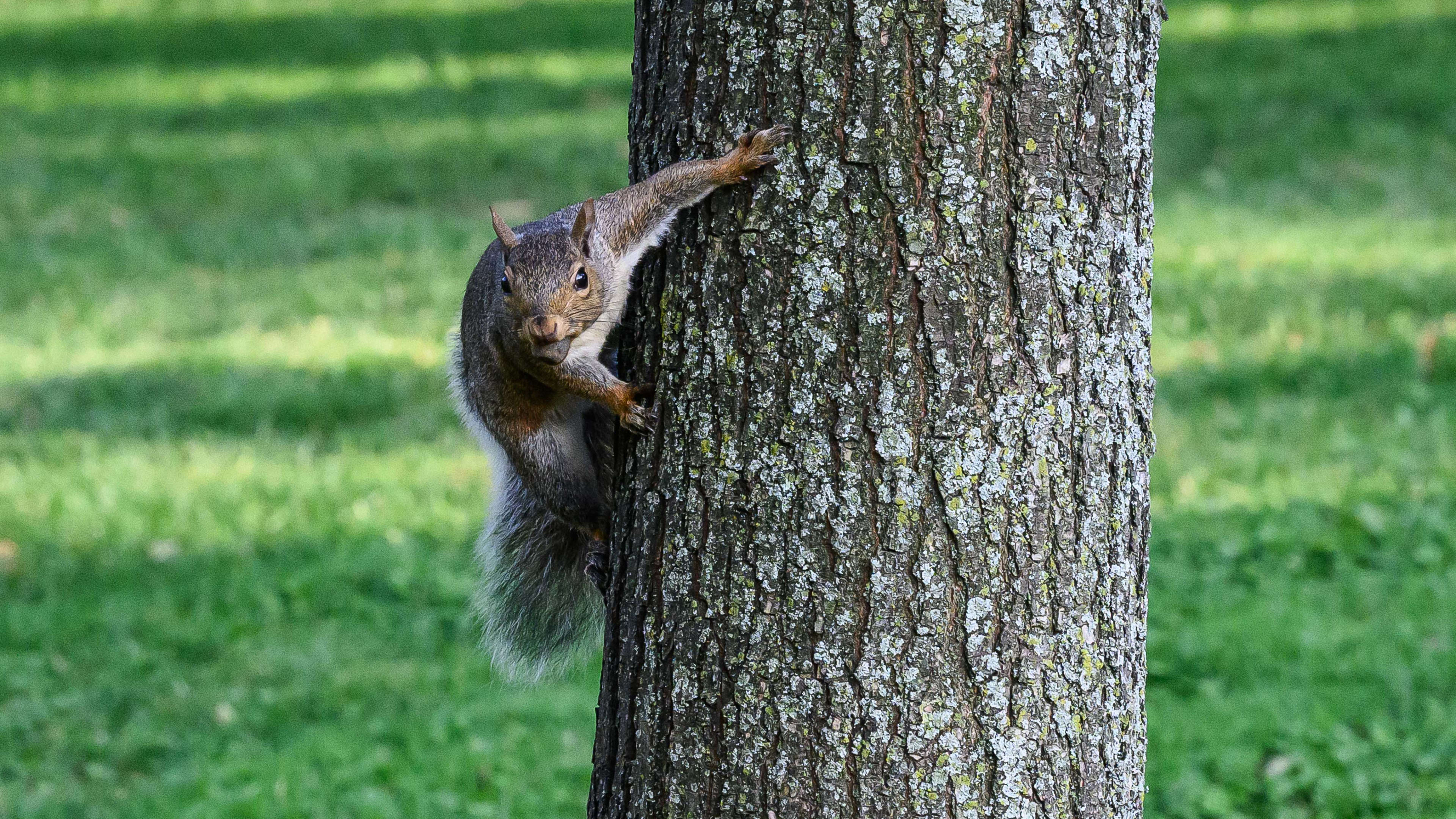
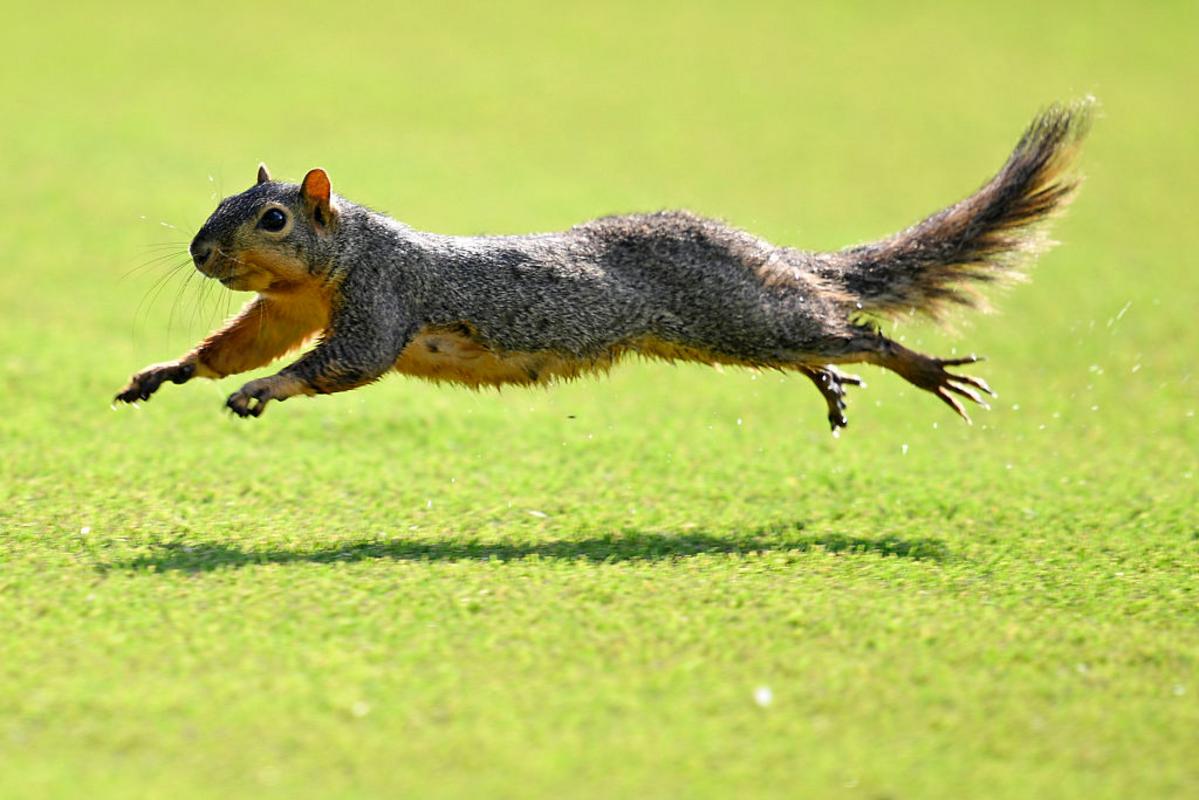
This is the most common culprit in urban California attacks. Originally introduced from the Eastern United States, these squirrels are highly adaptable and thrive in residential areas. They are larger than native species and are notoriously bold. Their orange-brown bellies and large, bushy tails make them easy to identify. Because they are an invasive species in California, the California Department of Fish and Wildlife (CDFW) has specific rules regarding their management.
The Western Gray Squirrel (Sciurus griseus)
This is California’s native tree squirrel. They are larger than the Eastern Fox Squirrel and have silver-gray fur with white underbellies. Western Gray Squirrels are generally more reclusive and less likely to inhabit densely populated urban centers. Aggressive encounters with this species are much rarer, as they tend to flee from human contact unless cornered or defending a nest.
The California Ground Squirrel (Otospermophilus beecheyi)
Unlike tree squirrels, ground squirrels live in burrows. While they are less likely to "drop" onto people from trees, they can be highly territorial. If a neighborhood has a high density of ground squirrel burrows near sidewalks or playgrounds, defensive bites can occur if humans or pets get too close to their tunnels.
Historical Context: Notable California Incidents
The phenomenon of the "neighborhood terror" squirrel is not new to California. One of the most documented cases occurred in Novato, Marin County, where a single squirrel attacked eight people over a three-week period. Victims reported the squirrel lunging from trees and biting hands and heads, often without any provocation.
Similar clusters of attacks have been reported in San Francisco’s parks and residential pockets in Los Angeles. In almost every investigated case, the common denominator was a neighbor or local visitor who had been "taming" the squirrels by hand-feeding them. By 2026, many California municipalities have moved toward stricter enforcement of "No Feeding" ordinances to prevent these behavioral shifts in local wildlife.
The Risks: Health and Safety Concerns
While a squirrel bite might seem minor compared to a dog or mountain lion encounter, it carries specific medical risks that require immediate attention.
Disease Transmission
The most common fear following a squirrel attack is rabies. However, according to the Centers for Disease Control and Prevention (CDC), small rodents like squirrels are rarely infected with rabies and have not been known to transmit it to humans in the United States.
The more immediate concern in California is Sylvanic Plague (transmitted by fleas) and Tularemia. While these are more common in ground squirrels in high-elevation areas (like Tahoe or the Sierras), urban squirrels can carry other pathogens and bacteria in their mouths that cause severe secondary infections.
Physical Injury
Squirrels possess powerful incisors designed to crack hard nuts. A bite can easily penetrate through skin and muscle, often requiring stitches and a tetanus booster. Children and the elderly are particularly vulnerable, as attacks often target the face, neck, or hands.
California Legal Framework for Squirrel Control
Managing an aggressive squirrel in California is complicated by strict wildlife protection and trapping laws. Residents cannot simply take matters into their own hands without understanding the legal repercussions.
- Trapping Regulations: Under California Fish and Game Code, it is generally legal for a property owner or tenant to trap a squirrel that is causing damage to property or posing a safety threat. However, relocation is illegal. If you trap a squirrel in California, you must either release it on the same property where it was caught or humanely euthanize it. Transporting it to a "nice park" elsewhere is a violation of state law because it spreads disease and creates conflict with existing squirrel populations.
- Lethal Force: While lethal control is permitted for squirrels damaging property, many cities have "no discharge" ordinances regarding firearms or air rifles. Check local municipal codes before attempting any lethal removal.
- Protected Species: The native Western Gray Squirrel is a managed game species. In certain parts of the state, there are specific seasons and bag limits, though these are usually waived for homeowners dealing with immediate property damage.
Comparison of Deterrent and Mitigation Methods
Residents often look for "quick fixes" to keep squirrels away from their doors and patios. The following table evaluates the most common methods used in California neighborhoods.
| Method | Effectiveness | Legal in CA? | Pros | Cons |
|---|---|---|---|---|
| Motion-Activated Sprinklers | High | Yes | Non-toxic, humane, teaches fear. | Requires water hookup; can spray neighbors. |
| Ultrasonic Devices | Low | Yes | Easy to install. | Squirrels often habituate to the sound quickly. |
| Capsaicin-Based Repellents | Moderate | Yes | Natural deterrent for bird feeders. | Must be reapplied after rain or fog. |
| Live Trapping | High | Yes (No Relocation) | Removes the specific aggressor. | Requires humane euthanasia or immediate release. |
| Exclusion (Nets/Spikes) | Moderate | Yes | Protects specific entry points. | Can be unsightly; squirrels are clever climbers. |
| Removing Food Sources | Highest | Yes | Addresses the root cause. | Requires total neighborhood cooperation. |
Step-by-Step Response to an Aggressive Encounter
If you find yourself in a neighborhood where a squirrel is actively targeting people, follow these steps to ensure safety and legal compliance.
1. Immediate Physical Defense
If a squirrel lunges at you, do not try to catch it with your hands. Use an object like an umbrella, a bag, or a jacket to create a barrier between you and the animal. If it latches onto you, shake it off vigorously. Do not play dead; squirrels are not deterred by stillness.
2. Medical Attention and Reporting
Wash any bite or scratch immediately with soap and water for at least 15 minutes. Consult a healthcare provider to discuss the need for a tetanus shot or antibiotics.
- Report the incident to your local County Animal Services or Public Health Department. This helps officials track "hotspots" of aggressive wildlife and determine if a specific animal needs to be removed for testing.
3. Eliminate the "Reward"
Check your property for any food sources. This includes:
- Unsecured trash cans.
- Bird feeders (which are often squirrel feeders in disguise).
- Pet food bowls left outside.
- Fallen fruit from citrus or nut trees.
4. Neighborhood Coordination
One resident feeding squirrels can endanger the entire block. If you suspect a neighbor is hand-feeding wildlife, share information from the California Department of Fish and Wildlife about the dangers of habituation. Many people think they are being kind, unaware that they are essentially training the animal to attack those who don't provide food.
Professional Intervention: When to Call Pest Control
If a specific squirrel is repeatedly attacking residents, it may be time to hire a licensed Wildlife Damage Control professional. These experts are trained in California’s specific trapping and disposal laws. They have the tools to identify the "alpha" aggressor and remove it safely, ensuring that the problem is solved without the homeowner risking legal trouble or personal injury.
When hiring a professional, ensure they are licensed by the CDFW. Ask about their methods and ensure they comply with California's prohibition on the relocation of wildlife.
FAQs: Addressing Common Concerns
Can a squirrel give my dog rabies? While theoretically possible, it is extremely unlikely. Squirrels are considered "low-risk" for rabies transmission. However, a squirrel bite can cause painful abscesses or infections in pets. Ensure your dog is up to date on its rabies vaccination as a standard precaution for any wildlife encounter.
Why is it illegal to relocate a squirrel in California? Relocation is prohibited because it is often a death sentence for the animal. Squirrels are territorial; dropping one into a new area leads to violent fights with resident squirrels. Furthermore, if the squirrel is carrying a disease like plague or distemper, moving it introduces that disease to a new, healthy population.
I have a "ninja" squirrel that jumps from the roof. How do I stop this? This behavior often indicates the squirrel has a nest in your attic or crawlspace. Use "exclusion" techniques. Trim tree branches so they are at least 10 feet away from your roofline. Install heavy-duty wire mesh over vents and chimney openings.
Will mothballs keep aggressive squirrels away? No. Using mothballs outdoors is generally ineffective and is a violation of EPA labeling in many jurisdictions, including California. The chemicals can leach into the soil and are toxic to children and pets. Stick to motion-activated water deterrents or physical barriers.
Are there specific laws in Los Angeles or San Diego about this? Most major California cities have "Leash Laws" and "Wild Animal Feeding" bans. For example, Los Angeles County Code prohibits the feeding of non-domesticated animals in a way that creates a public nuisance. Violation of these codes can lead to significant fines.
Practical Recommendation for Residents
The most effective way to stop aggressive squirrel attacks in a California neighborhood is to re-establish the animal's natural fear of humans. If a squirrel approaches you too closely, make loud noises, clap your hands, or use a firm "No!" stomp. Never offer food to a squirrel that appears "tame" or "friendly."
To protect your property in 2026, focus on sanitation and exclusion. Ensure your trash lids are tight, pick up fallen fruit daily, and coordinate with your neighbors to ensure the entire street is a "no-feeding zone." If an attack occurs, prioritize medical care and report the incident to local authorities immediately to prevent the situation from escalating into a community-wide safety hazard.