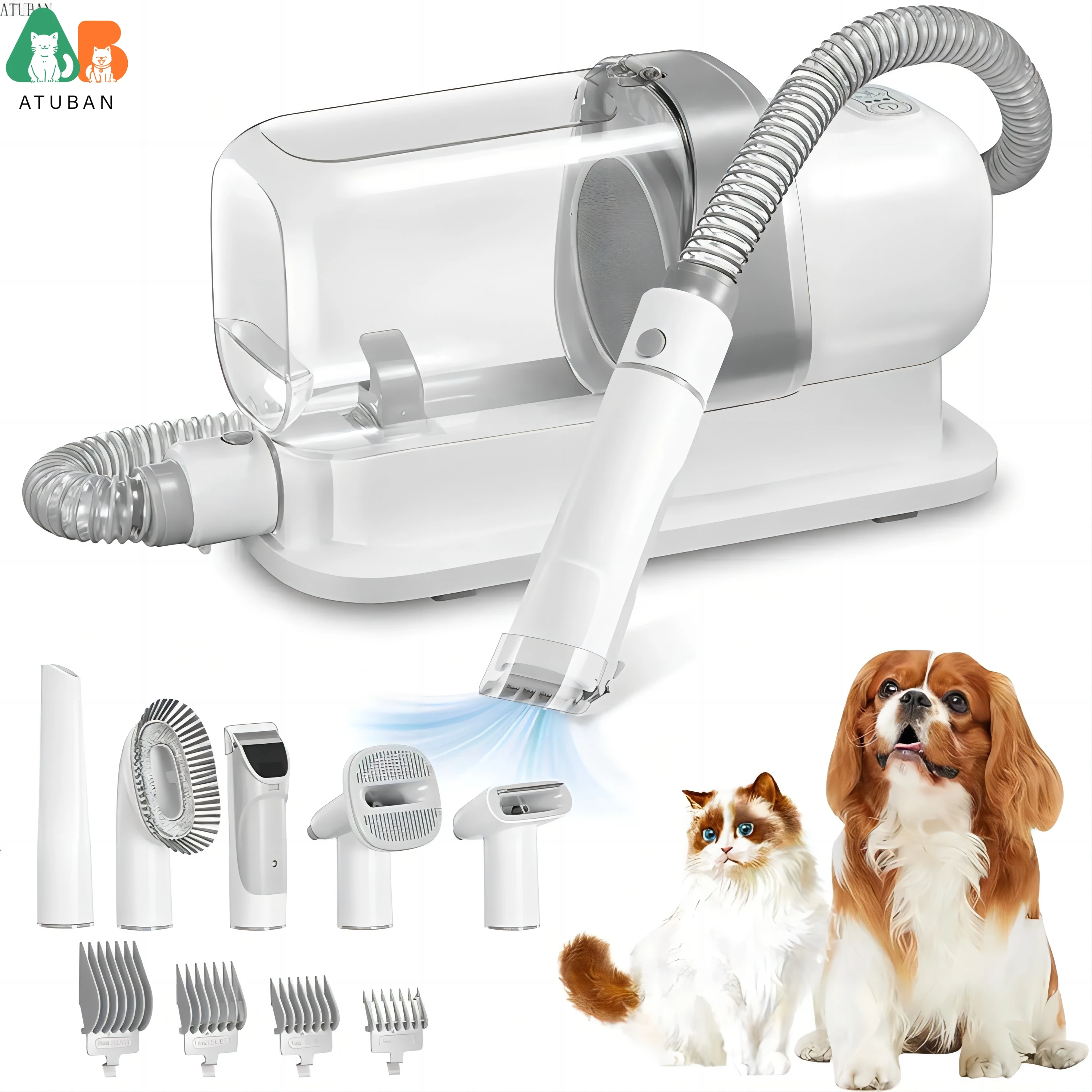
Finding an affordable vacuum for pet hair requires balancing suction power, filtration quality, and specialized attachments against the constraints of a budget. The most effective models in the entry-to-mid-level price range prioritize motorized brush rolls and sealed HEPA filtration, ensuring that pet dander and embedded fur are removed from carpets and upholstery without the high cost associated with premium, multi-hundred-dollar flagship units.
Understanding the Challenges of Pet Hair Removal
Pet hair is notoriously difficult to remove from home surfaces because it exhibits a unique combination of structural properties. Unlike dust or loose debris, animal hair—particularly from dogs and cats—is often barbed or possesses an electrostatic charge that allows it to weave into carpet fibers or cling to soft furnishings. When this hair mixes with dander and natural oils from a pet’s coat, it creates a sticky, stubborn residue that standard suction often cannot dislodge.
The primary requirement for any vacuum used in a home with pets is mechanical agitation. A simple air-driven suction nozzle is rarely sufficient. Instead, you need a vacuum equipped with a motorized brush roll—a rotating cylinder with stiff bristles that physical brushes the surface, lifting the hair from deep within the carpet pile or fabric weave.
Furthermore, pet dander is a common allergen. An "affordable" vacuum does not have to mean a sacrifice in air quality. Look for models featuring sealed systems and HEPA (High-Efficiency Particulate Air) filtration. These systems are rated to capture 99.97% of particles as small as 0.3 microns, which includes not just pet hair, but the microscopic skin flakes that trigger allergic reactions.
Key Features to Prioritize on a Budget
When you are shopping for a budget-friendly vacuum, marketing buzzwords can often distract from the technical specifications that actually matter. To ensure you get the best value, focus your search on these four pillars of performance:
1. Brush Roll Design and Hair Management
The brush roll is the workhorse of your vacuum. However, if hair wraps around the brush, it becomes a maintenance nightmare that reduces performance. Search for vacuums labeled with "tangle-free" or "self-cleaning" brush rolls. These designs often utilize small blades inside the brush head that periodically cut through wrapped hair as it is pulled into the canister, preventing the dreaded buildup that forces you to manually cut away hair with scissors.
2. Specialized Attachments
An affordable vacuum should include at least two critical tools: a crevice tool for tight corners and a motorized upholstery tool or a "mini-brush" attachment. The motorized upholstery tool is vital for cleaning pet beds, sofas, and car interiors where hair tends to become deeply embedded. Without a dedicated agitator for these smaller surfaces, you will find yourself constantly struggling to remove hair from fabric.
3. Filtration Standards
Do not assume that a lower price point means an absence of HEPA filtration. Many budget-friendly manufacturers now include sealed HEPA systems in their upright and stick vacuum lines. Always verify if the filtration is "sealed." A HEPA filter is ineffective if air can bypass the filter through leaks in the vacuum body; a sealed system ensures all air pulled into the vacuum is forced through the filter before being expelled back into your living space.
4. Suction Versatility
Homes with pets often have a mix of floor types. Ensure your vacuum features a simple height adjustment or a brush roll "off" switch. Being able to turn off the spinning brush when moving from carpet to hard floors is crucial for preventing the vacuum from scattering debris or damaging delicate hardwood finishes.
Comparison of Vacuum Types for Pet Owners
| Vacuum Type | Best For | Typical Price Range | Performance Note |
|---|---|---|---|
| Upright | Deep carpet cleaning | Low to Mid | Higher suction, heavier weight. |
| Stick | Quick pickups/Hard floors | Mid to High | Highly maneuverable, limited battery. |
| Canister | Stairs and furniture | Mid | Versatile, but can be bulky. |
| Handheld | Upholstery/Car interiors | Very Low | Excellent for spot cleaning only. |
Maintenance for Long-Term Performance
The longevity of an affordable vacuum is directly tied to how well you maintain it. Because pet hair is dense and potentially oily, it can clog internal passages more quickly than standard household dust.
- Canister and Bag Management: If you use a bagless vacuum, empty the canister after every use. Do not wait for it to reach the "max fill" line, as pet hair can form a solid mass that restricts airflow, causing the motor to overheat.
- Filter Cleaning: Most budget vacuums utilize washable foam or felt filters. Every 3–6 months, remove these filters, rinse them with cold water, and—critically—let them air dry for at least 24 hours. A damp filter will breed mold and reduce suction drastically.
- Checking Airflow Passages: If you notice a sudden drop in suction, check the hose and the intake port beneath the brush roll. Pet hair often creates "plugs" at tight bends in the plastic tubing. Use a long, dull object to clear these blockages rather than sharp metal, which could puncture the hose.
Common Mistakes to Avoid
Many buyers make the mistake of choosing a vacuum solely based on "Air Watts" or motor power. While these metrics indicate the theoretical capacity of the machine, they do not account for the efficiency of the airflow design. A vacuum with a poorly designed nozzle head will perform worse than a lower-wattage unit that uses a superior, airtight brush head configuration.
Another mistake is ignoring weight. In a home with pets, you likely need to vacuum more frequently—perhaps even daily—to keep up with shedding. If your vacuum is overly heavy or difficult to maneuver, you will be less likely to use it, leading to a rapid accumulation of hair that becomes harder to manage over time. Prioritize a machine that fits your physical comfort level.
Finally, do not overlook the cost of ongoing consumables. Some "cheap" vacuums are expensive to own because they require proprietary HEPA filters or specific bags that are sold at a premium. Before purchasing, verify the availability and cost of replacement filters and belts to ensure the total cost of ownership stays within your budget over a three-year period.
FAQ: Solving Common Pet-Related Vacuuming Queries
How often should I vacuum if I have two shedding pets?
For homes with pets that shed significantly, a cadence of every two to three days is recommended. Frequent, smaller cleaning sessions prevent hair from migrating deep into carpet fibers where it becomes trapped and potentially creates odors.
Is a cordless stick vacuum powerful enough for thick carpet?
Many modern cordless stick vacuums are capable of handling thick carpet, but they generally have shorter run-times when set to "Max" power mode. If you have a large home with wall-to-wall carpeting, an upright vacuum usually offers more consistent performance for the price.
Does "pet-specific" branding change the internal mechanics?
Often, "pet" editions of standard vacuums simply include additional accessories, such as a specialized upholstery tool or a scent-neutralizing filter. If you find a base-model vacuum that has the same suction power and filtration, you can often save money by purchasing it and buying a third-party pet attachment separately.
What causes a pet-hair vacuum to lose suction suddenly?
The most frequent cause is a clogged brush roll or a blocked hose. If the vacuum continues to lose suction even after the canister is emptied, check the intake area where the hose meets the floor head; this is the most common point for pet hair to form a bridge that blocks airflow.
Are bagless vacuums better for pet allergies?
Not necessarily. Bagless vacuums offer the benefit of not needing to buy bags, but emptying the canister can release a cloud of dander and dust back into the air. If you suffer from severe pet allergies, a bagged vacuum with a high-quality, self-sealing bag is often the superior choice for maintaining air quality.
Final Recommendations for Your Purchase
When selecting your affordable vacuum, your goal should be to maximize the ratio of "agitation" to "filtration." Look for a model that provides a dedicated, motorized tool for upholstery, a verified HEPA filtration system, and a self-cleaning brush roll mechanism.
Before finalizing your choice, perform a "physicality check": lift the vacuum, simulate the motion of cleaning under a chair or sofa, and verify the weight. If you have a small space or primarily hardwood floors, lean toward a corded stick vacuum with a motorized floor head. If you have large carpeted areas, a corded upright will provide the necessary sustained suction power. By focusing on these functional requirements rather than aesthetic features or brand prestige, you can find a reliable tool that effectively manages pet hair while remaining well within your financial means.