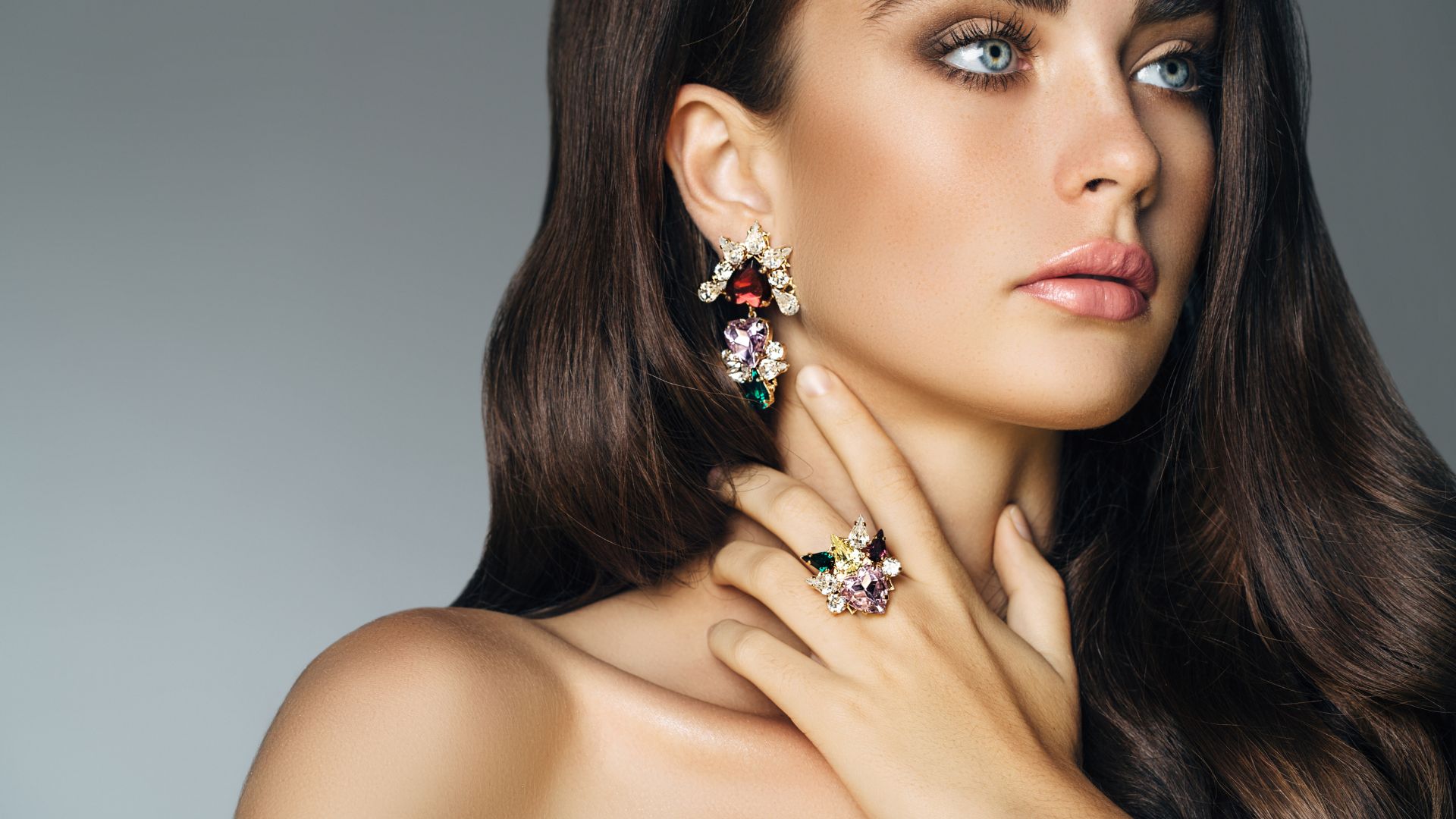
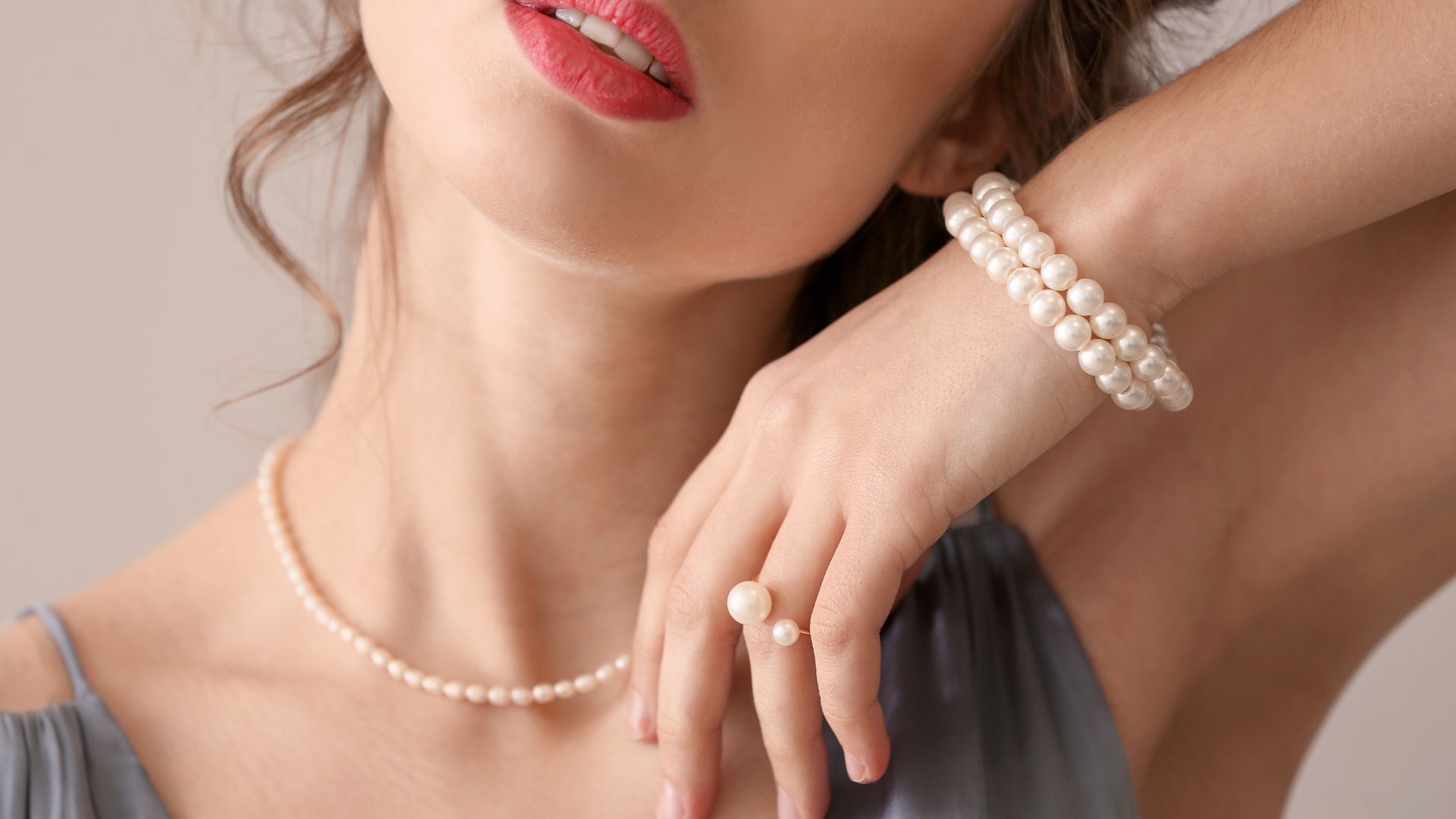
Affordable luxury jewelry brands provide an accessible entry point into fine craftsmanship by utilizing high-quality materials, such as 14k gold, sterling silver, and ethically sourced gemstones, without the significant retail markups associated with heritage luxury houses. These brands typically prioritize direct-to-consumer models, minimalist design, and transparent supply chains to maintain competitive pricing while ensuring aesthetic longevity.
Defining Affordable Luxury in Jewelry
The term "affordable luxury" in the jewelry sector refers to products that sit between mass-market, costume jewelry—often made of base metals and plating—and ultra-high-end, heritage-status jewelry. In 2026, the market for this segment has matured significantly. Consumers now expect more than just a lower price point; they demand material transparency, durable plating techniques, and verified sourcing practices.
When searching for brands in this category, it is vital to distinguish between "fashion jewelry" and "fine jewelry." Fashion jewelry is typically crafted from brass or copper with gold-tone coating, whereas the brands categorized as affordable luxury generally utilize precious metals such as 14k or 18k solid gold, gold vermeil, and solid sterling silver. Understanding these material compositions is the first step in ensuring your purchase offers lasting value.
Key Material Standards to Consider
To differentiate between a brand that offers genuine long-term value and one that is merely capitalizing on a trend, you must evaluate the technical specifications of the materials used.
- Gold Vermeil: This is the gold standard for high-quality, accessible jewelry. By Federal Trade Commission (FTC) guidelines, true vermeil must be at least 10-karat gold over a sterling silver base. Crucially, the gold layer should be at least 2.5 microns thick to ensure it does not wear off quickly.
- 14k Solid Gold: Unlike gold-plated items, solid gold is composed of the same material throughout. It does not tarnish, making it an excellent investment for pieces worn daily, such as earrings or simple bands.
- Lab-Grown Diamonds: As of 2026, many affordable luxury brands have shifted toward lab-grown diamonds. Chemically, physically, and optically identical to mined diamonds, these stones allow brands to offer genuine diamond jewelry at a fraction of the cost of traditional retail counterparts.
Strategic Shopping: How to Vet a Brand
Before making a purchase, scrutinize the brand’s "About" page and product specifications. High-quality, transparent brands will explicitly state the karat weight of their gold, the thickness of their plating (if applicable), and the origin of their stones.
Evaluation Criteria
- Transparency: Does the brand disclose where the jewelry is manufactured? Are they clear about whether they use recycled metals?
- Warranty and Care: Do they offer a repair policy? A brand confident in the quality of its craftsmanship will typically stand behind its products with a 6-to-12-month warranty against manufacturing defects.
- Pricing Structure: Are they a direct-to-consumer (DTC) brand? DTC companies often offer better value because they bypass traditional wholesale markups.
- Customer Feedback: Look for reviews that mention the longevity of the pieces after several months of wear, rather than just the initial aesthetic appeal.
Comparison of Jewelry Categories and Typical Market Positioning
The following table provides a breakdown of common jewelry tiers to help you align your budget with your durability expectations.
| Jewelry Tier | Material Base | Typical Durability | Best For |
|---|---|---|---|
| Costume/Fashion | Brass, Copper, Alloy | Low (Tarnish prone) | Trends, occasional wear |
| Gold Plated | Brass base, thin layer | Moderate | Short-term accessorizing |
| Gold Vermeil | Sterling Silver base | High | Daily wear, sensitive skin |
| Solid Gold | 10k, 14k, 18k Gold | Lifetime | Engagement, heirlooms, daily use |
Practical Maintenance and Care
Even the finest jewelry requires maintenance to retain its appearance. For affordable luxury pieces, the primary enemy is oxidation and the wearing away of surface metals.
- Avoid Chemical Exposure: Always remove jewelry before swimming, showering, or applying beauty products like lotions, perfumes, and hairsprays. Chemicals can accelerate the tarnishing process of sterling silver and dull the luster of gold plating.
- Storage Practices: Store pieces individually in airtight containers or velvet-lined jewelry boxes to prevent scratching. This is especially important for vermeil pieces, where deep scratches can expose the silver base to air, leading to faster tarnishing.
- Professional Cleaning: While most brands offer DIY care instructions, a professional cleaning once a year can remove debris from delicate settings in rings and pendants, ensuring that stone prongs remain secure.
The Rise of Sustainability and Ethics
In 2026, the "affordable luxury" label is increasingly linked to ethical practices. Savvy shoppers prioritize brands that utilize recycled gold and silver. Recycling precious metals significantly reduces the environmental footprint associated with mining. Furthermore, look for brands that are members of the Responsible Jewellery Council (RJC) or those that can provide certification for their supply chain. While smaller brands may not always have the budget for complex certifications, they should be able to answer direct questions about their labor practices and material sourcing.
Common Pitfalls to Avoid
When exploring new brands, be wary of the following red flags:
- Vague Descriptions: Terms like "gold-finished" or "gold-toned" without stating the base metal are often used to mask lower-quality materials that will irritate skin or turn green within weeks.
- Hyper-Aggressive Marketing: If a brand relies entirely on influencer campaigns with no focus on product specifications, prioritize other brands that invest in explaining their technical process.
- Absence of Contact Information: A reputable jewelry company should have clear customer service channels, including a verifiable physical mailing address or a dedicated support email.
Frequently Asked Questions
Does gold vermeil fade over time? Yes, even high-quality gold vermeil will eventually show signs of wear, though it is far more durable than standard gold-plated jewelry. With proper care—avoiding moisture and chemicals—it can maintain its finish for several years.
Are lab-grown diamonds a good value? Yes, lab-grown diamonds represent a significant shift in value. Because they are physically identical to mined diamonds but lack the scarcity-driven price tag, they allow you to purchase a larger or higher-quality stone for a lower price point, making them ideal for the affordable luxury segment.
Why is sterling silver preferred over base metals? Sterling silver is a precious metal, whereas base metals like nickel or brass are common allergens. If you have sensitive skin, sterling silver—especially when coated in gold vermeil—is the standard for comfort and quality in the entry-level luxury market.
Can I wear affordable luxury jewelry every day? Yes, provided you choose the right materials. Solid 14k gold and sterling silver are suitable for daily wear. If you choose vermeil, be more diligent about avoiding water and heavy perspiration to preserve the gold layer.
What should I look for in a brand’s warranty policy? Look for a warranty that covers structural defects, such as broken clasps or loose settings. Be aware that most warranties do not cover normal wear, such as the natural thinning of gold plating, which is considered a maintenance issue rather than a defect.
Next Steps for Your Purchase
To ensure you are satisfied with your selection, follow this three-step process:
- Identify your budget and use case: Determine if you need a daily staple or a statement piece.
- Filter by material: Prioritize solid gold or vermeil if you intend to wear the piece frequently.
- Review the policy: Check the shipping, returns, and warranty terms before completing your checkout. Starting with a single, high-quality piece is a far better investment than purchasing multiple low-quality items that will require replacement within a year.