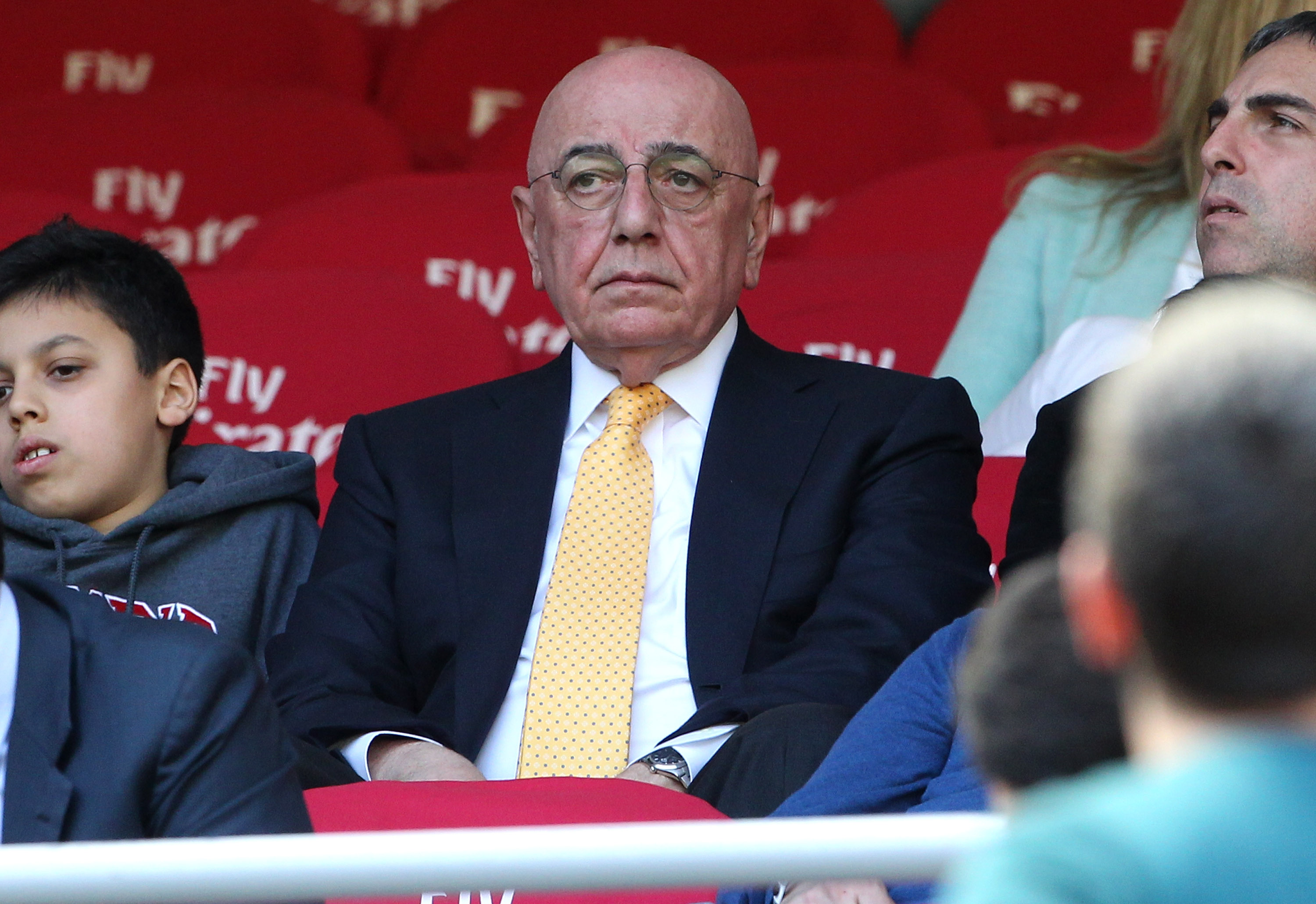
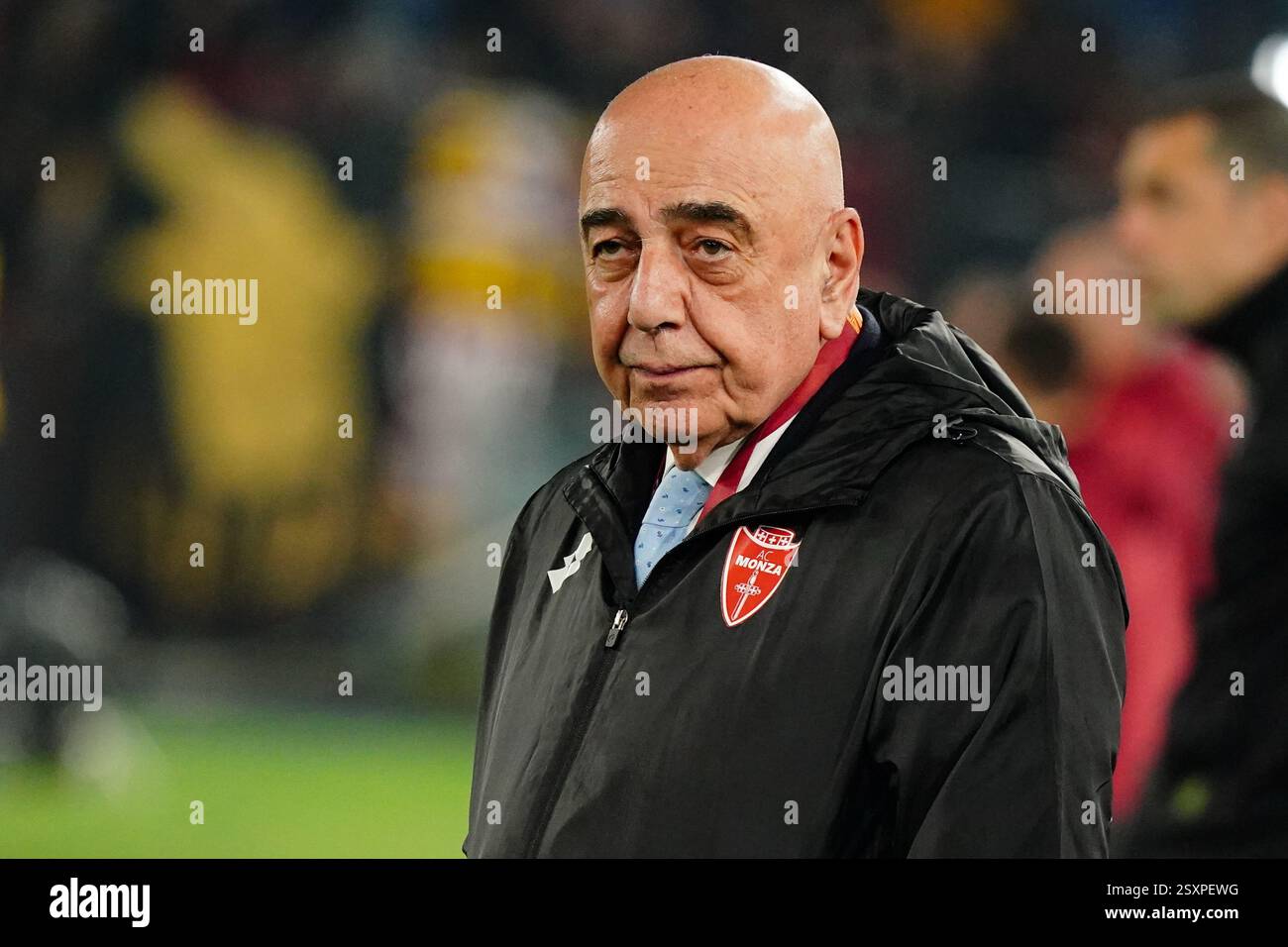
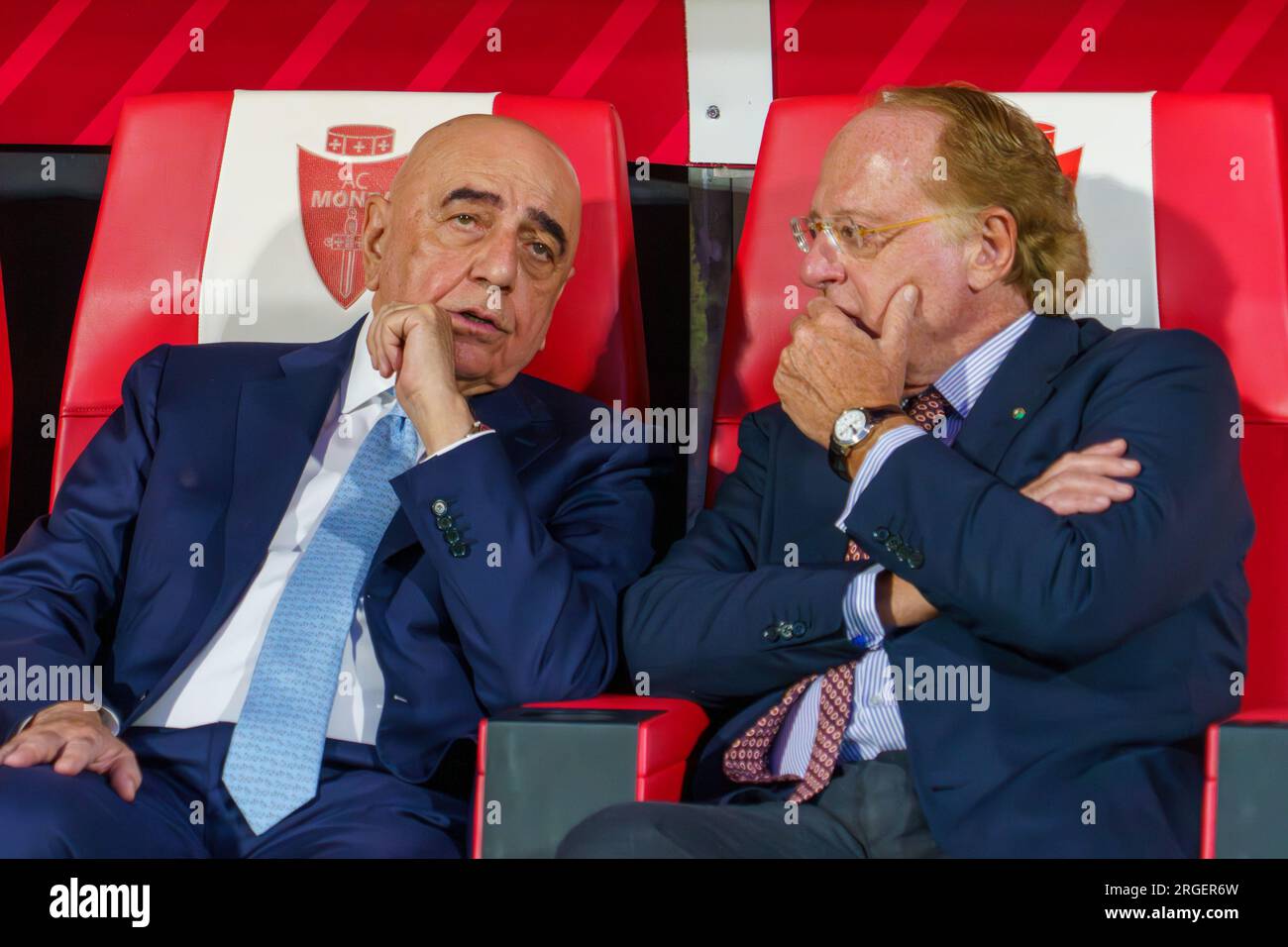
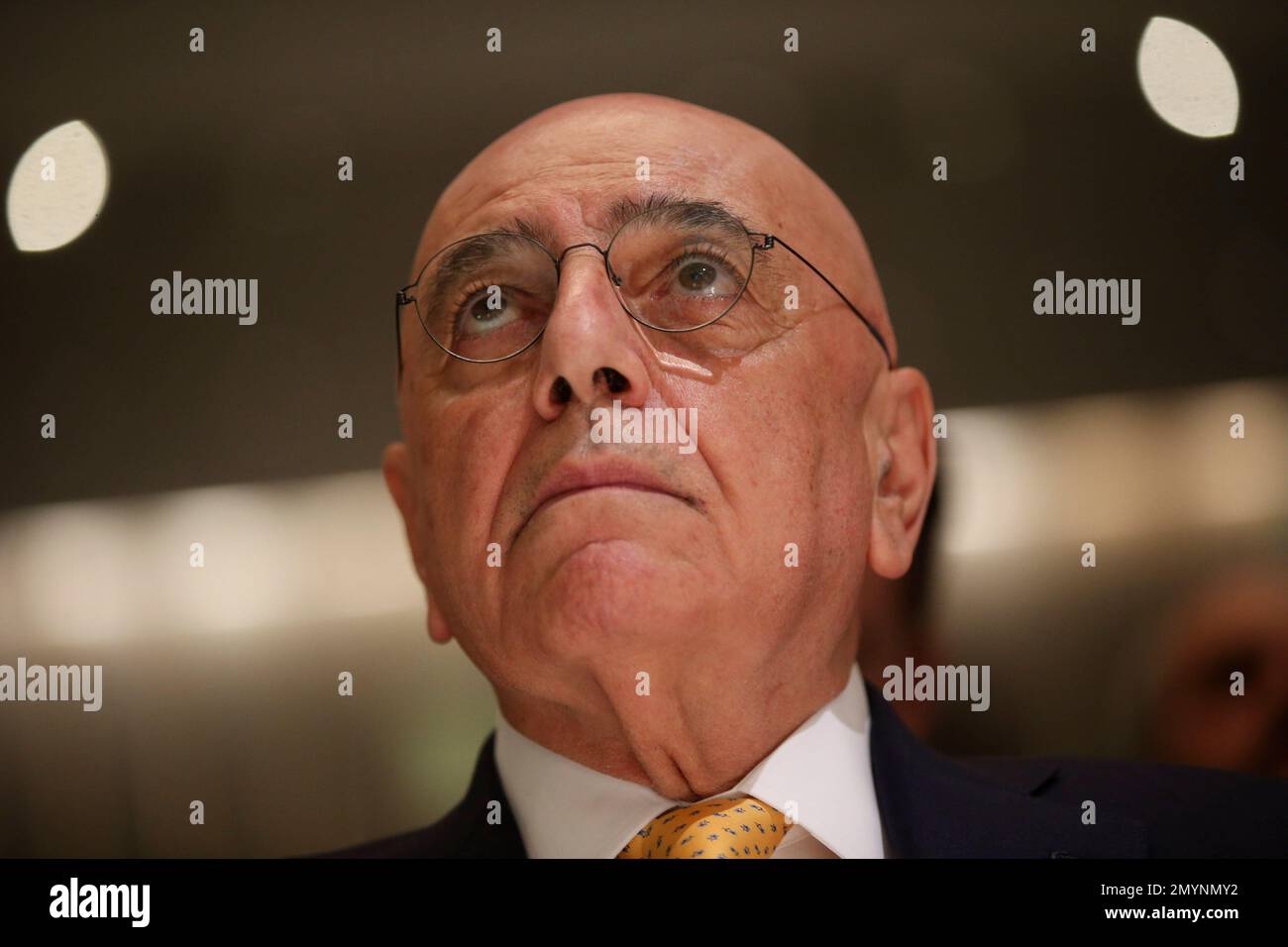
Adriano Galliani represents the fundamental bridge between the romantic, patron-led era of European football and the modern, hyper-corporatized industry. By analyzing his career—spanning from the 1986 takeover of AC Milan to the current 2026 landscape at AC Monza—executives can understand how management shifted from relationship-based deal-making to data-driven, regulatory-heavy strategic operations.
The Architect of the Modern Superclub
When Adriano Galliani joined AC Milan as CEO in 1986 alongside Silvio Berlusconi, the concept of a "superclub" was in its infancy. Before their arrival, football clubs were largely local institutions, often struggling financially and managed by enthusiasts rather than business strategists. Galliani helped pioneer a model where the football club was treated as a global media product.
During the late 1980s and early 1990s, the management shift was characterized by aggressive investment and the pursuit of commercial prestige. Galliani’s strategy was not merely to buy the best players, such as the Dutch trio of Marco van Basten, Ruud Gullit, and Frank Rijkaard, but to build an infrastructure that supported sustained success. This included the modernization of Milanello (the training ground) and a revolutionary approach to sports science via the Milan Lab.
Under Galliani’s stewardship, Milan was among the first to realize that winning on the pitch was a prerequisite for winning in the boardroom. This era marked the transition from "gate receipts" as the primary income to a "broadcasting-first" revenue model. Galliani was instrumental in negotiating television rights, understanding early on that the spectacle of football was the most valuable commodity in the emerging digital media landscape.
The Bosman Ruling and the Globalized Transfer Market
A pivotal shift in football management occurred in 1995 with the Bosman Ruling, which allowed players to move freely at the end of their contracts. Galliani was one of the first executives to master the strategic implications of this legal change. As the 1990s progressed into the 2000s, the "Galliani Special"—securing world-class talent on free transfers (Parametro Zero)—became a hallmark of his management style.
Managing a squad transitioned from controlling a set of assets to navigating a complex ecosystem of player agents and global scouting networks. Galliani understood that the power dynamic had shifted toward the players. While many clubs struggled to adapt, Galliani utilized his vast network of relationships to maintain Milan’s competitiveness even as the club’s spending power was eventually eclipsed by state-owned entities and billionaire-led Premier League teams.
The management shift here was from ownership to negotiation. The executive’s role became less about scouting talent and more about managing the financial and legal intricacies of contract renewals and agent commissions. Galliani’s ability to "close" deals in the final hours of the transfer window—earning him the nickname "The Condor"—demonstrated the necessity of agility and personal charisma in an increasingly bureaucratic environment.
Financial Fair Play and the Corporate Pivot
By the 2010s, the introduction of UEFA’s Financial Fair Play (FFP) regulations marked the most significant structural shift in the history of football management. For decades, Galliani had operated under a model where owner investment could bridge any operational deficit. FFP mandated that clubs must break even, forcing a total transformation in how Italian clubs, in particular, were managed.
This period saw the decline of the traditional "Patron" model. Galliani had to navigate Milan through a period of austerity, where the focus shifted from purchasing "Ballon d'Or" winners to scouting undervalued assets. This management shift highlighted a growing divide in European football:
- Revenue-Generated Growth: Clubs like those in the Premier League, fueled by massive domestic TV deals.
- Strategic Efficiency: Clubs like AC Milan (during their transition) and later Monza, which had to rely on technical expertise rather than sheer capital.
Galliani’s management at the end of his Milan tenure (ending in 2017) was a masterclass in survival. He managed to keep the club relevant in the Champions League for years despite a shrinking budget, primarily through tactical loans and creative accounting that satisfied emerging regulatory frameworks.
The Monza Project: Management in the Age of Data and Private Equity
As of 2026, Adriano Galliani’s role at AC Monza serves as a case study for the "Modern Provincial" club. After taking over Monza in 2018 (then in Serie C), Galliani and Berlusconi applied the "Superclub" blueprint to a smaller scale. Within four years, they achieved promotion to Serie A, and by 2026, Monza has become a stable fixture in the top flight, often outperforming clubs with significantly larger historical footprints.
The shift in management at Monza reflects the current industry standard: Multi-Club Ownership (MCO) and Data Integration. While Galliani remains a "relationship" manager at heart, his operations now integrate sophisticated data analytics to identify talent. The management task today involves:
- Sustainability: Ensuring the club can survive without constant capital injections.
- Infrastructure Investment: Building stadiums and training centers that generate non-matchday revenue.
- Brand Localization: Capturing a specific regional identity while maintaining a global digital presence.
Galliani has adapted by surrounding himself with modern technical directors who translate data into actionable scouting reports, while he handles the high-level negotiations where human intuition still triumphs over algorithms.
Comparison of Management Eras: 1986 vs. 2026
The following table outlines the fundamental changes in the responsibilities and environment of a top-tier football executive over the four decades of Galliani’s career.
| Feature | The Patron Era (1986–2005) | The Corporate/Data Era (2026) |
|---|---|---|
| Primary Funding | Private Owner Wealth (Berlusconi) | Revenue, Private Equity, State Funds |
| Recruitment Basis | Eye-scouting & Agent Relations | Big Data, AI Analytics, Video Scouting |
| Financial Goal | Trophies at any cost | Sustainable EBITDA & FFP Compliance |
| Media Focus | Terrestrial TV Rights | Streaming, Social Media, Global Content |
| Player Status | Employees/Assets | Global Brands/Independent Entities |
| Success Metric | Win-Loss Record | Valuation & Commercial Growth |
| Legal Framework | Domestic Regulations | UEFA FFP, FIFA Clearing House, ESG |
Strategic Pillars of the Galliani Management Model
To understand the shift in management, one must look at the specific pillars Galliani utilized, which have now become standard practice for high-level sporting directors.
1. The Power of Personal Diplomacy
In an era where most communications happen via encrypted messaging and digital portals, Galliani has maintained the importance of the "face-to-face" meeting. His famous dinners at Giannino’s in Milan were not just social events; they were boardrooms. This highlights a shift back toward the importance of the Human Element in management—where trust can accelerate a deal that data alone might stall.
2. Market Timing and the "Condor" Strategy
Galliani popularized the idea of the "Transfer Window as a Chess Match." By waiting until the final hours of the window (August 31st or January 31st), he exploited the desperation of selling clubs to secure high-value players at fraction of their price. In 2026, this requires immense financial liquidity and "Dry Powder," a strategy now mirrored by major hedge funds entering the sports space.
3. Crisis Management and Media Shielding
A major shift in football management is the 24/7 news cycle. Galliani pioneered the "Media Shield," where the executive takes the heat to protect the coach and players. In the modern era, this has evolved into "Communications Strategy," involving PR firms and social media managers to control the narrative. Galliani’s ability to stay "on message" for 40 years is a blueprint for modern CEOs.
Frequently Asked Questions
What is the "Condor" nickname in football management?
The nickname refers to Adriano Galliani's tendency to wait until the final days or hours of the transfer market to strike. Just as a condor circles its prey waiting for the right moment, Galliani would wait for prices to drop or for clubs to become desperate to offload players, allowing him to secure elite talent (like Zlatan Ibrahimovic or Robinho) on favorable terms.
How did the Bosman Ruling change Galliani's strategy?
The Bosman Ruling (1995) ended transfer fees for players out of contract. Galliani adapted by focusing on "Parametro Zero" signings. He realized that by saving money on the transfer fee, he could offer higher wages to attract top-tier talent. This shifted the management focus from "Buying Assets" to "Winning the Wage War."
Why did AC Milan’s management model struggle in the 2010s?
The struggle was primarily due to the rise of the Premier League's broadcasting revenue and the implementation of UEFA’s Financial Fair Play. The Italian "Patron" model, which relied on owners covering losses, could no longer compete with the organic revenue growth of English clubs. Galliani was forced to manage a "downsizing" phase, which is much more difficult than managing a "growth" phase.
How has management changed for "provincial" clubs like Monza in 2026?
For smaller clubs, management has shifted toward professionalization and commercialization. Under Galliani, Monza isn't just a local team; it is a corporate entity with a clear path to profitability. This involves maximizing the "Berlusconi-Galliani" brand to attract sponsors that would normally only partner with much larger clubs.
Is relationship-based management still relevant in the age of AI?
Yes. While AI can identify that a player has a 90% pass completion rate, it cannot tell if that player is willing to move to a specific city or if their agent is looking for a specific type of commission structure. Galliani proves that "Technical Management" (data) must be paired with "Relational Management" (human negotiation) to be successful.
Practical Next Steps for Aspiring Sports Executives
For those looking to enter football management in the 2020s, the Galliani legacy suggests a dual-path approach. First, master the technical requirements: understanding FFP/PSR (Profitability and Sustainability Rules), data literacy, and the legalities of the FIFA transfer clearing house. These are the non-negotiable "hard skills" of the 2026 landscape.
Second, cultivate the soft skills of diplomacy and networking. As the industry becomes more automated, the value of an executive who can walk into a room and close a deal based on a handshake increases. Studying Galliani’s career shows that while the "Shifts in Football Management" have moved toward the digital and the regulated, the core of the business remains a people-centric endeavor. Success in 2026 requires being both a scientist of the data and a "Condor" of the negotiation table.