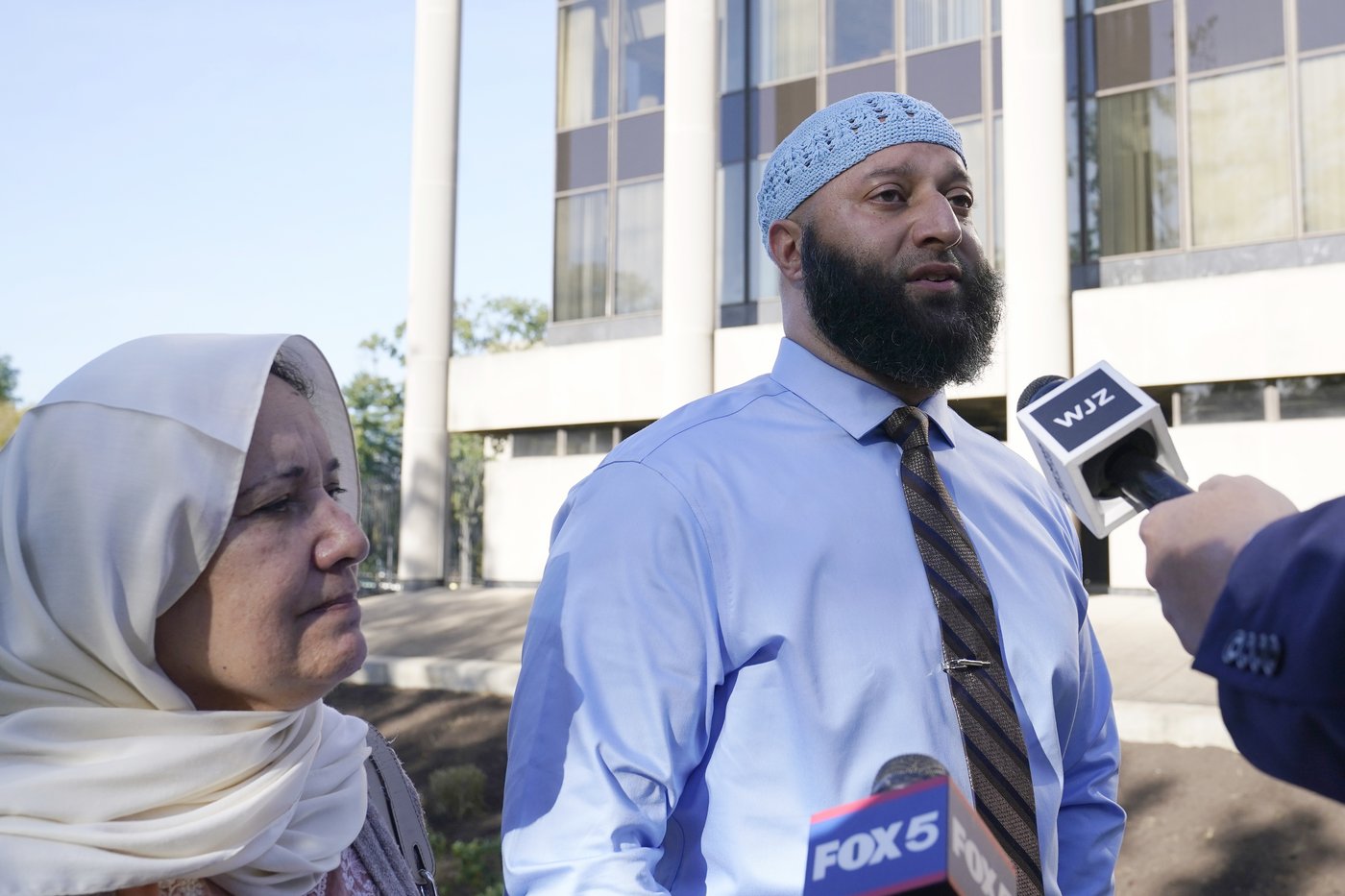
In August 2024, the Maryland Supreme Court issued a pivotal 4-3 ruling that reinstated Adnan Syed’s 1999 murder conviction. While Syed remains free, the court mandated a new, more transparent vacatur hearing to address procedural errors regarding the rights of the victim’s family to attend and participate in the legal process.
The case of Adnan Syed, which gained international attention through the Serial podcast, has become a complex legal labyrinth. Following his release from prison in 2022, the legal landscape shifted dramatically in 2024. This update clarifies the current standing of the case, the specifics of the high court's decision, and what the "do-over" hearing means for the future of the prosecution and the Lee family.
The August 2024 Maryland Supreme Court Decision
On August 30, 2024, the Supreme Court of Maryland (the state’s highest court) delivered a significant ruling that effectively reset the legal clock on Adnan Syed’s vacatur. The court was tasked with deciding whether the 2022 hearing, which saw Syed’s conviction overturned and the charges eventually dropped, was conducted in a way that violated the rights of Hae Min Lee’s family.
In a narrow 4-3 decision, the majority opinion, authored by Justice Shirley Watts, concluded that the lower court had failed to provide "meaningful notice" to the Lee family. Specifically, the court found that Young Lee, the brother of the victim, was not given sufficient time to travel from California to Baltimore to attend the hearing in person. The court emphasized that the Maryland Declaration of Rights grants victims and their representatives the right to be treated with dignity and to be present at such critical stages of the criminal justice process.
The ruling did not touch upon the underlying evidence of Syed's innocence or guilt. Instead, it focused entirely on procedural justice. By reinstating the conviction, the court did not order Syed back to prison; rather, it returned the case to the Maryland Circuit Court for a new hearing. This "do-over" is intended to allow the Lee family to participate fully while the court re-evaluates the motion to vacate the conviction based on the evidence presented by the State’s Attorney.
The Procedural Conflict: Victims' Rights vs. Judicial Efficiency
The 2024 update highlights a growing tension in American law between the rights of the accused to a swift correction of a wrongful conviction and the rights of victims to be included in the process. The Maryland Supreme Court’s decision was rooted in the state’s commitment to "Victims' Rights" legislation, which has seen significant expansion over the last two decades.
Meaningful Notice and Participation
The 2022 vacatur hearing was held on short notice—less than one business day after the motion was filed. Young Lee was forced to attend via Zoom, which the Supreme Court of Maryland later deemed insufficient. The 2024 ruling establishes a precedent that "notice" is not merely an email or a phone call; it must be a reasonable opportunity for the victim's family to attend in person and make an impact statement if they so choose.
The Role of the State's Attorney
A major point of contention in 2024 was the conduct of the Baltimore City State's Attorney’s office under then-prosecutor Marilyn Mosby. The high court noted that the process lacked the transparency required for a case of such public interest. By reinstating the conviction, the court signaled that even when the prosecution and the defense agree that a conviction should be overturned, the judiciary must ensure that all statutory requirements—including those protecting victims—are strictly followed.
Understanding the Legal Status of Adnan Syed in 2026
As we look at the case from the perspective of 2026, it is important to distinguish between "reinstated conviction" and "re-incarceration." Following the 2024 ruling, Adnan Syed has remained in the community. The court stayed the execution of the reinstatement of his conviction pending the outcome of the new hearing.
Syed’s legal team, led by attorney Erica Suter, has maintained that the evidence of his innocence remains overwhelming. This evidence includes DNA testing of Hae Min Lee’s clothing and shoes, which revealed the profiles of multiple unknown individuals but did not find Syed’s DNA. Furthermore, the original motion to vacate was based on a "Brady violation"—the discovery that prosecutors in 1999 had information about two other potential suspects that was never shared with Syed's defense team.
The 2024 update essentially means that while Syed is technically a convicted felon again, that status is expected to be temporary until the new circuit court hearing takes place. The outcome of that hearing will determine if the conviction is vacated once and for all with the Lee family in attendance.
Key Milestones in the Adnan Syed Case (1999–2024)
The following table outlines the critical dates and legal shifts that led to the 2024 Supreme Court ruling.
| Year | Event | Legal Impact |
|---|---|---|
| 1999 | Murder of Hae Min Lee | Adnan Syed is arrested and charged with first-degree murder. |
| 2000 | Initial Conviction | Syed is sentenced to life plus 30 years in prison. |
| 2014 | Serial Podcast Release | Global attention is drawn to inconsistencies in the state's case. |
| 2022 | Motion to Vacate | Prosecutors reveal Brady violations; Syed is released after 23 years. |
| 2023 | Appellate Court Ruling | Conviction is reinstated due to lack of notice to the Lee family. |
| 2024 | Supreme Court Ruling | Maryland's highest court affirms the reinstatement (4-3) and orders a new hearing. |
The Dissenting Opinions: Why Three Judges Disagreed
The 4-3 split in the Maryland Supreme Court indicates just how contentious this legal issue remains. The three dissenting judges, including Justice Michele Hotten, argued that the appeal brought by the Lee family was "moot."
The dissenters argued that because the State’s Attorney had already dismissed the charges against Syed after the conviction was vacated in 2022, there was no longer a "case or controversy" for the court to decide. From their perspective, even if the notice to the Lee family was inadequate, the court could not reinstate a conviction for charges that no longer technically existed.
This legal debate over mootness was a primary reason the case took so long to resolve in 2024. The majority, however, bypassed the mootness argument by stating that the dismissal of charges was "null and void" because it was predicated on a vacatur hearing that was procedurally flawed from the start.
What to Expect in the New Vacatur Hearing
The "retrial update" for 2024 is not actually about a new jury trial for the murder, but rather a re-litigation of the motion to vacate. When this hearing occurs, several things must happen differently than they did in 2022:
- Advance Notice: The Lee family must be given ample time (typically weeks, not hours) to prepare and travel.
- Public Transparency: The evidence regarding the "two other suspects" and the Brady violations may be scrutinized more openly in court, rather than primarily in judges' chambers.
- Victim Impact Statement: Young Lee or other representatives will have the right to address the court regarding how the vacatur affects them, though they do not have the power to "veto" the prosecutor's decision to drop the case.
- Judicial Review: The presiding judge will review the DNA evidence and the undisclosed witness statements again to ensure they meet the legal threshold for vacating a conviction under Maryland’s Vacatur Act.
Broader Implications for Maryland Law
The 2024 ruling in Syed v. Lee has far-reaching implications beyond this specific case. It serves as a definitive guide for how Maryland courts must handle post-conviction DNA results and motions to vacate.
- Victim Notification Protocols: Courts across Maryland have updated their internal protocols to ensure that victims’ families are notified through formal channels well in advance of any hearing that could result in a prisoner's release.
- The "Syed Precedent": Legal scholars now cite this case when discussing the balance of power between the executive branch (prosecutors) and the judicial branch. It reinforces that prosecutors cannot unilaterally undo a conviction without adhering to strict statutory procedures.
- Wrongful Conviction Reform: While the ruling was a procedural setback for Syed, it has also spurred discussions on how to make the vacatur process more robust so that survivors and the wrongly convicted both feel the process is legitimate.
The Psychological and Professional Impact on Adnan Syed
Throughout 2024 and into 2026, Adnan Syed has maintained a life outside of prison. He has been employed at Georgetown University’s Prisons and Justice Initiative, contributing to the very legal systems that he has navigated for over two decades.
However, the "legal limbo" created by the 2024 ruling—having his conviction reinstated but remaining free—has been described by his supporters as a form of continued punishment. The psychological toll of having a life-sentence conviction hanging over one's head, despite DNA evidence that points elsewhere, is a central theme in Syed's public statements following the 2024 decision.
FAQ: Adnan Syed 2024 Legal Updates
Is Adnan Syed back in prison as of 2024? No. Although the Maryland Supreme Court reinstated his conviction in August 2024, they did not order him to return to prison. He remains free while the lower court prepares to hold a new, procedurally correct vacatur hearing.
Why was the conviction reinstated if there is DNA evidence? The reinstatement was based on a procedural error, not on the evidence of the crime itself. The court ruled that the victim's family was not given enough notice to attend the hearing where the conviction was originally overturned.
What is a "Brady violation," and how does it relate to this case? A Brady violation occurs when the prosecution withholds evidence that could help the defense. In Syed's case, it was discovered that original prosecutors had notes about two other suspects who had motives and made threats against Hae Min Lee, but these notes were never shared with Syed’s lawyers in 1999.
Will there be a completely new murder trial for Adnan Syed? A full "retrial" with a jury is unlikely. The current legal path is a new vacatur hearing. If the judge at that hearing agrees that the conviction should be vacated (this time with the Lee family present), and the State’s Attorney again chooses to drop the charges, the case will be closed permanently.
Who are the "other suspects" mentioned in the 2024 legal discussions? The identities of the two suspects have not been made public to protect the integrity of the ongoing investigation. However, prosecutors confirmed in 2022 that one of the individuals had a history of violence against women and that both were known to the original investigators.
What is the role of the Lee family in the new hearing? Under the 2024 ruling, the Lee family has the right to "meaningful participation." This means they must be allowed to attend in person, hear the evidence presented, and potentially provide a statement to the court regarding the impact of the proceedings.
Final Recommendation for Following the Case
For those tracking the Adnan Syed case, the next critical step is monitoring the Maryland Circuit Court’s schedule for the "remanded" vacatur hearing. Because the 2024 Supreme Court ruling focused on transparency and notice, this upcoming hearing is expected to be one of the most documented and public events in the case's history.
Interested parties should look to official Maryland Judiciary records for hearing dates. While the legal technicalities of 2024 have been complex, the core issue remains the reconciliation of new physical evidence (DNA) with the procedural rights of the victim’s family.