Adding a joint owner to your Chase checking account involves visiting a local Chase branch in person with the prospective owner, as Chase generally requires both parties to sign documentation simultaneously to establish shared account access. This process creates a joint account where both individuals hold equal legal authority, including the ability to deposit, withdraw, and manage funds.
Understanding Joint Ownership at Chase
When you add a joint owner to your Chase checking account, you are fundamentally changing the legal structure of the asset. A joint account, often referred to as an account with rights of survivorship, grants both parties full access to the funds. This means both you and the new owner can make withdrawals, write checks, use debit cards, and view transaction history.
It is important to understand the implications of this change before proceeding. Because each owner has full control, there is no technical restriction on one party withdrawing the entire balance of the account. Furthermore, funds in a joint account are typically considered marital or shared assets, and in the event of a debt collection action or legal judgment against either party, the entire balance of the joint account may be subject to attachment by creditors.
Prerequisites for Adding an Owner
Chase maintains specific requirements for account modifications to ensure security and legal compliance. Before heading to a branch, verify that you meet the following criteria:
- Existing Account Status: Your account must be in good standing. Accounts that are currently frozen, overdrawn, or under legal review may not be eligible for the addition of a secondary owner.
- Physical Presence: Both the primary account holder and the person being added must be present at a Chase branch. Chase requires the secondary owner to provide identification and sign the signature card in the presence of a bank representative.
- Government-Issued Identification: Both parties must present valid, unexpired government-issued photo identification. This typically includes a driver’s license, state ID, passport, or military ID.
- Taxpayer Identification: You will need to provide the Social Security Number (SSN) or Individual Taxpayer Identification Number (ITIN) for the new joint owner. Chase requires this to comply with IRS reporting regulations regarding interest-bearing accounts and tax documentation.
The In-Branch Procedure
Unlike some administrative changes that can be handled through the Chase mobile app or the online banking portal, adding a joint owner is a high-security event that necessitates an in-person visit.
- Locate a Branch: Use the Chase branch locator on the official website to find an office near you. While walk-ins are often accepted, scheduling an appointment for an "account modification" can reduce your wait time and ensure a banker is prepared to assist you.
- Consultation: Once at the branch, explain to the personal banker that you wish to add a joint owner to your existing checking account. The banker will retrieve your account profile and verify your identity.
- Documentation: The banker will present the necessary documents to formalize the joint ownership. This includes a new signature card that both parties must sign.
- Verification and Updates: The banker will capture the new owner’s information into the Chase system. During this time, they will also discuss the issuance of new debit cards. Typically, a new debit card will be mailed to the address on file for the new owner.
- Digital Access: The new joint owner will need to register for their own Chase Online or mobile app access using their personal credentials. They will not automatically inherit your login details, as Chase requires unique identifiers for security purposes.
Comparing Account Access Methods
It is helpful to distinguish between adding a joint owner and granting someone power of attorney or limited authorized user status, as these are frequently confused.
| Feature | Joint Owner | Authorized User | Power of Attorney (POA) |
|---|---|---|---|
| Account Access | Full access to funds | Limited (varies) | Varies by document |
| Legal Authority | Equal ownership | No legal ownership | Fiduciary capacity |
| Liability | Responsible for overdrafts | No liability | Acts on your behalf |
| Method | In-branch modification | Varies (e.g., credit card) | Legal document filing |
As shown in the table, a joint owner has the highest level of access. If you only want someone to pay bills or manage your account due to your inability to do so, a Power of Attorney or assigning a trusted user via legal documentation might be a more appropriate, albeit different, process than adding a joint owner.
Considerations for Financial Health
Before finalizing the addition, consider the practical consequences of shared account management. If the secondary owner has poor credit management habits or experiences financial instability, those issues can manifest in your account.
If you and the new joint owner have different spending habits, discuss a strategy for account management. Since Chase provides real-time alerts for transactions, it is recommended that both owners enable push notifications on the Chase mobile app. This ensures that both parties stay informed about account activity, which can help prevent accidental overdrafts or unauthorized transactions.
Potential Hurdles and Troubleshooting
Most account additions proceed smoothly, but there are specific scenarios where delays may occur. If the new owner does not have a prior relationship with Chase, the bank may need to run a standard identity verification process. If the prospective owner has a history of account misuse (such as "bouncing" checks at other institutions), it is possible that the request could be declined based on internal bank risk policies.
If you encounter issues during the process, ask to speak with a branch manager. They have the authority to explain specific account restrictions that may not be apparent to a teller. If the issue is related to the specific type of account you hold (such as a legacy account that is no longer offered), you may be advised to open a new joint account and transition your balances to it.
Frequently Asked Questions
Can I add a joint owner to my Chase account online? No. Chase requires an in-person visit for this specific action to ensure that both parties are clearly identified and that the necessary signatures are collected securely.
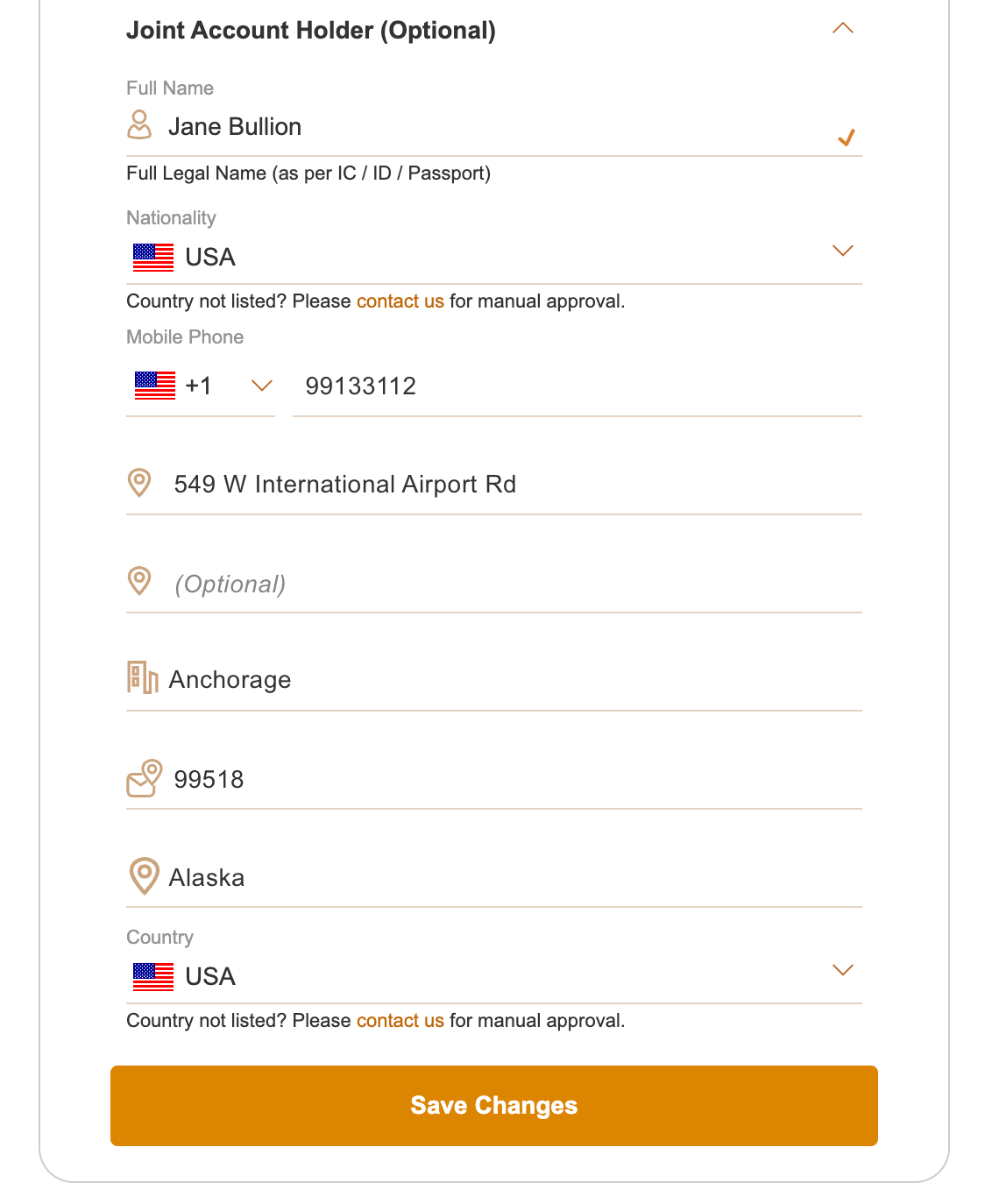
Does the new joint owner need to be a Chase customer already? No. If the individual is not currently a customer, the banker will create a profile for them during the appointment. You should have their full name, address, date of birth, and SSN ready.
Are both owners responsible for overdraft fees? Yes. In a joint account, both parties are typically held jointly and severally liable for any debts or overdrafts incurred on the account. This means the bank can pursue either owner for the full amount of any negative balance.
Can I remove a joint owner later? Yes, but typically both parties must agree to the removal. If the relationship becomes contentious, Chase may require legal documentation or, in some cases, might advise closing the account and opening a new one in the name of the desired owner.
Does this change my account number? Generally, adding a joint owner does not change your account number or your routing number. Your existing checks will continue to function, though you may eventually want to order new checks that include both names if preferred.
What happens to the account if one owner passes away? Most joint checking accounts are held with "rights of survivorship." This means that upon the death of one owner, the full ownership of the account automatically transfers to the surviving owner. It is advisable to consult with a legal professional regarding your specific state laws and estate planning.
Next Steps
If you are ready to proceed, collect all necessary documentation for both yourself and the intended joint owner. Visit your nearest Chase branch during business hours. If you are uncertain about your account's eligibility or have specific questions about how this might impact your current financial setup, call the number on the back of your debit card to speak with a customer service representative before making the trip. They can confirm that your specific account type supports the addition of a second owner and provide any branch-specific guidance required for your location.