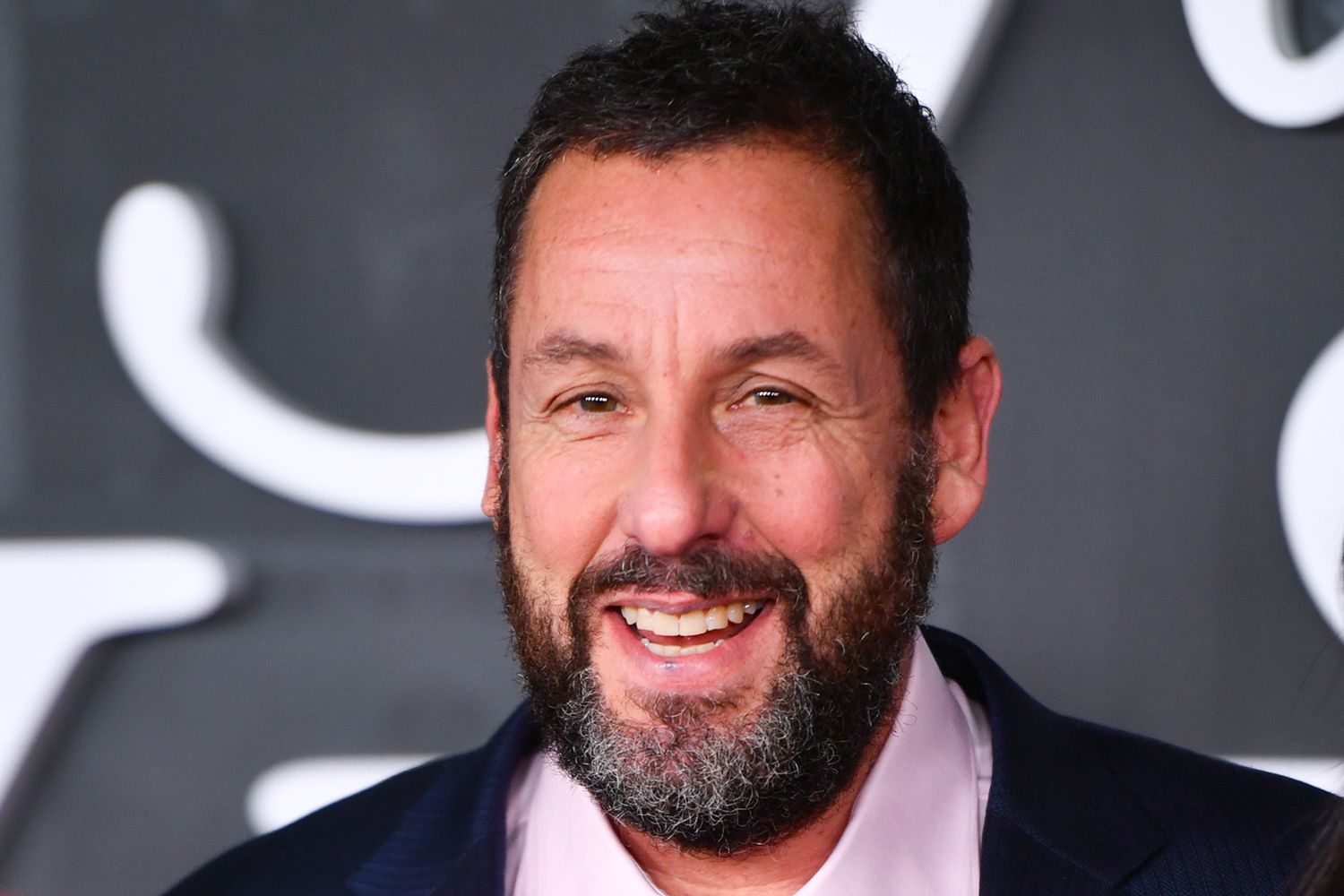
Adam Huber’s net worth is estimated to fall between $1 million and $5 million, accumulated primarily through his professional acting career in television series like Dynasty, film projects, and earlier work in commercial modeling.
The financial standing of working actors like Adam Huber often attracts significant public interest, particularly when they star in popular, long-running network or streaming television dramas. Determining the exact net worth of an individual in the entertainment industry, however, involves navigating a landscape of private contracts, variable residuals, endorsement deals, and fluctuating property assets. For fans and researchers examining the economic reality behind television and film careers, exploring how an actor builds wealth through salary, secondary markets, and brand ventures provides a clearer picture than any single speculative figure. This comprehensive analysis breaks down Adam Huber's career trajectory, primary sources of income, industry financial mechanics, and the factors that influence contemporary actor wealth.
The Professional Career Trajectory of Adam Huber
To understand the financial standing of Adam Huber, one must first examine the trajectory of his professional career in entertainment and modeling. Born in Hollidaysburg, Pennsylvania, Huber initially pursued business management at Penn State University before transitioning toward a career in entertainment. This pivot led him to move to New York City and later Los Angeles, where he secured commercial modeling contracts and foundational acting roles.
His early career included guest appearances and minor roles in various television programs and independent films. These stepping stones are typical for working actors aiming to break into recurring television series regular contracts. Breakthrough opportunities in the television industry often require years of auditions, guest-star stints, and short-term bookings before securing a stable, multi-episode or multi-season arc on a major production.
Notable Acting Roles and Major Projects
The most prominent role in Adam Huber’s career is his portrayal of Liam Ridley in the primetime soap opera reboot Dynasty, broadcast on The CW. Joining the series in its first season on a recurring basis before being promoted to a series regular, Huber appeared in numerous episodes across multiple seasons until the show concluded.
Dynasty served as a critical anchor for his professional visibility and earning potential. Network television series regulars typically receive a per-episode salary that scales with the longevity and success of the show. Beyond Dynasty, Huber has appeared in several film projects, including the Netflix romantic comedy The Last Summer (2019) and various independent thrillers and holiday movies. These diverse acting credits contribute to a diversified income stream, combining steady network television paychecks with independent film salaries and ongoing secondary market compensation.
Early Modeling and Commercial Work
Before establishing himself as a recognizable television actor, Huber built a portfolio in commercial print and runway modeling. While high-fashion runway work is often associated with high prestige, commercial print advertising, brand campaigns, and promotional modeling frequently provide more consistent and lucrative financial returns for developing talent in major metropolitan markets like New York.
Commercial modeling income acts as a foundational financial base for many actors during their initial years in Los Angeles or New York, funding acting classes, headshots, living expenses, and periods between acting auditions. Although commercial earnings rarely match the peak episodic fees of a hit television show, they represent a critical early-career revenue pillar.
Analyzing Actor Net Worth and Income Sources
Public estimates of celebrity and actor net worth are frequently speculative, derived from generalized industry averages rather than verified financial disclosures. Unlike corporate executives or publicly traded company founders, actors are not required to publish personal balance sheets unless they choose to do so. Therefore, financial analysts rely on known industry pay scales, union guidelines, production budgets, and property records to estimate an actor's cumulative wealth.
| Income Source | Typical Industry Mechanism | Contribution to Actor Wealth |
|---|---|---|
| Television Salaries | Per-episode fees negotiated by agents based on credit history and show budget. | High, reliable cash flow during active production seasons. |
| Residuals & Syndication | Payments for reruns, streaming distribution, and international syndication governed by SAG-AFTRA. | Passive, long-term income stream extending years after production ends. |
| Film & Independent Projects | Flat-rate project fees or backend profit participation (rare for supporting actors). | Moderate, project-based cash influx. |
| Brand Partnerships & Endorsements | Sponsored social media posts, promotional appearances, and commercial campaigns. | Supplementary income depending on personal brand reach and follower count. |
The Mechanics of SAG-AFTRA Compensation
The Screen Actors Guild-American Federation of Television and Radio Artists (SAG-AFTRA) establishes minimum compensation rates, working conditions, and residual structures for professional performers in the United States. For actors working on network television series like Dynasty, union contracts ensure baseline weekly or per-episode minimums, health and pension contributions, and structured increases for subsequent seasons.
Residual payments are a vital component of long-term actor wealth. When a television show is broadcast in syndication, streamed on platforms like Netflix, or sold to international markets, participating actors receive residual checks. While guest stars receive diminishing residuals over time, series regulars on popular syndicated shows can accumulate substantial passive income long after principal photography has wrapped.
Brand Collaborations and Digital Presence
In the modern entertainment landscape, an actor's earning potential extends beyond traditional film and television sets. Digital platforms and social media channels allow performers to monetize their personal brand through sponsored content, brand partnerships, and direct-to-consumer engagement.
While actors with massive blockbuster followings command significant fees for digital endorsements, working television actors frequently leverage Instagram and other platforms to partner with lifestyle, fashion, and fitness brands. These collaborations provide a flexible secondary income source that complements traditional acting salaries.
Factors Influencing Wealth Accumulation in Entertainment
Accumulating and preserving wealth in the entertainment industry presents unique challenges compared to traditional professions. Career volatility, high overhead costs, taxation, and professional commissions significantly impact an actor's net worth over time.
Career Volatility and Employment Gaps
The entertainment industry is notoriously cyclical. An actor may earn a substantial income during active production months on a television series, only to face an extended period of unemployment once the show is canceled or their character is written out. Financial stability depends heavily on an actor’s ability to budget earnings from high-earning years to cover lean periods between projects.
Furthermore, working actors face considerable overhead expenses that traditional employees do not encounter. These costs include:
- Talent agency and management commissions (typically 10% to 20% of gross earnings).
- Public relations and legal representation fees.
- Union dues and professional insurance.
- Living expenses in high-cost metropolitan areas like Los Angeles.
- Continuous investment in acting coaches, audition tapes, and professional headshots.
Wealth Management and Asset Diversification
Established actors often work with business managers, certified public accountants (CPAs), and financial advisors to diversify their wealth beyond cash savings and liquid accounts. Common wealth preservation strategies in the entertainment sector include:
- Real estate acquisitions in primary markets such as Southern California.
- Stock market investments, retirement accounts, and diversified portfolios.
- Venture capital or entrepreneurial investments in consumer goods, hospitality, or digital startups.
Real estate, in particular, represents a tangible asset class frequently utilized by actors to secure long-term value and hedge against the inherent unpredictability of entertainment industry employment.
Frequently Asked Questions
What is Adam Huber best known for?
Adam Huber is best known for his role as Liam Ridley in the primetime television soap opera Dynasty, which aired on The CW. He is also recognized for his work in the Netflix film The Last Summer and various independent film and modeling projects.
How do television actors earn most of their income?
Television actors primarily earn their income through episodic or weekly salaries negotiated by their representation during active production. For successful shows, long-term wealth is further supported by SAG-AFTRA union residuals generated through streaming, syndication, and international broadcast distribution.
Why do public net worth estimates for actors vary so widely?
Public net worth figures are almost always estimates because private citizens, including actors, are not legally obligated to disclose their personal financial records, tax returns, or bank balances. Analysts generate these numbers using public property records, union pay scales, and reported project budgets, which often leads to conflicting estimates across different celebrity finance websites.
What is SAG-AFTRA and why does it matter for actors?
SAG-AFTRA is the labor union representing American performers and media professionals. It establishes mandatory minimum pay rates, working hour limitations, safety standards, health and pension benefits, and residual payment structures that protect actors throughout their careers.
Does Adam Huber work in modeling as well as acting?
Yes, before establishing a consistent career in television and film, Adam Huber worked extensively as a commercial print and fashion model after moving to New York and Los Angeles, establishing a foundation that helped support his transition into acting.
Conclusion and Next Actions
Evaluating the net worth of an actor like Adam Huber requires looking beyond speculative online figures to understand the broader economic structure of the entertainment industry. Through consistent work in network television, streaming features, and early modeling ventures, Huber has built a stable professional profile typical of a successful working actor. For those interested in tracking entertainment industry economics, observing how performers leverage union protections, secondary market residuals, and brand partnerships offers valuable insight into modern wealth generation within the arts. Readers exploring celebrity finance should rely on verified professional credits and industry reporting rather than unverified net worth aggregators.