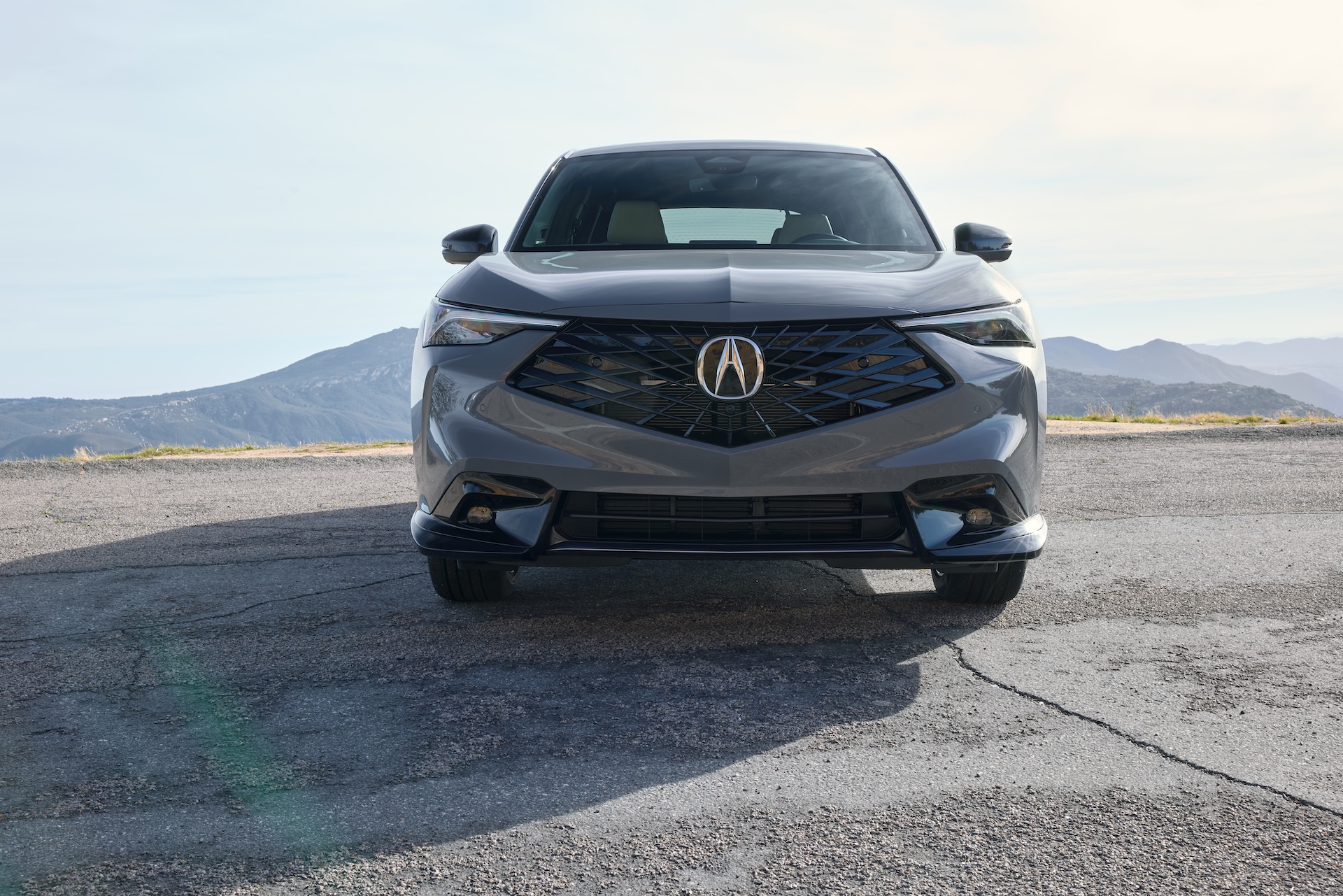
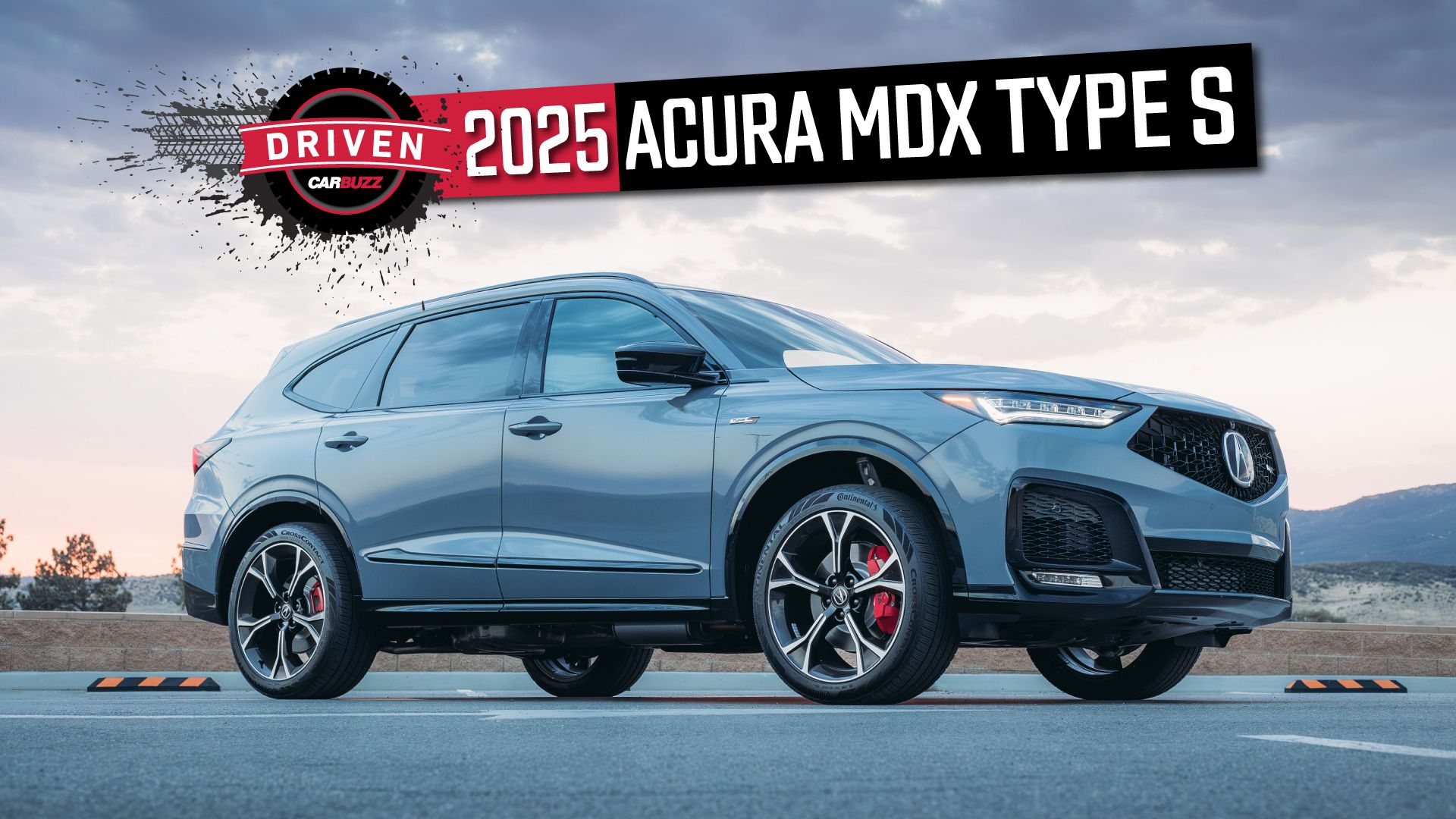
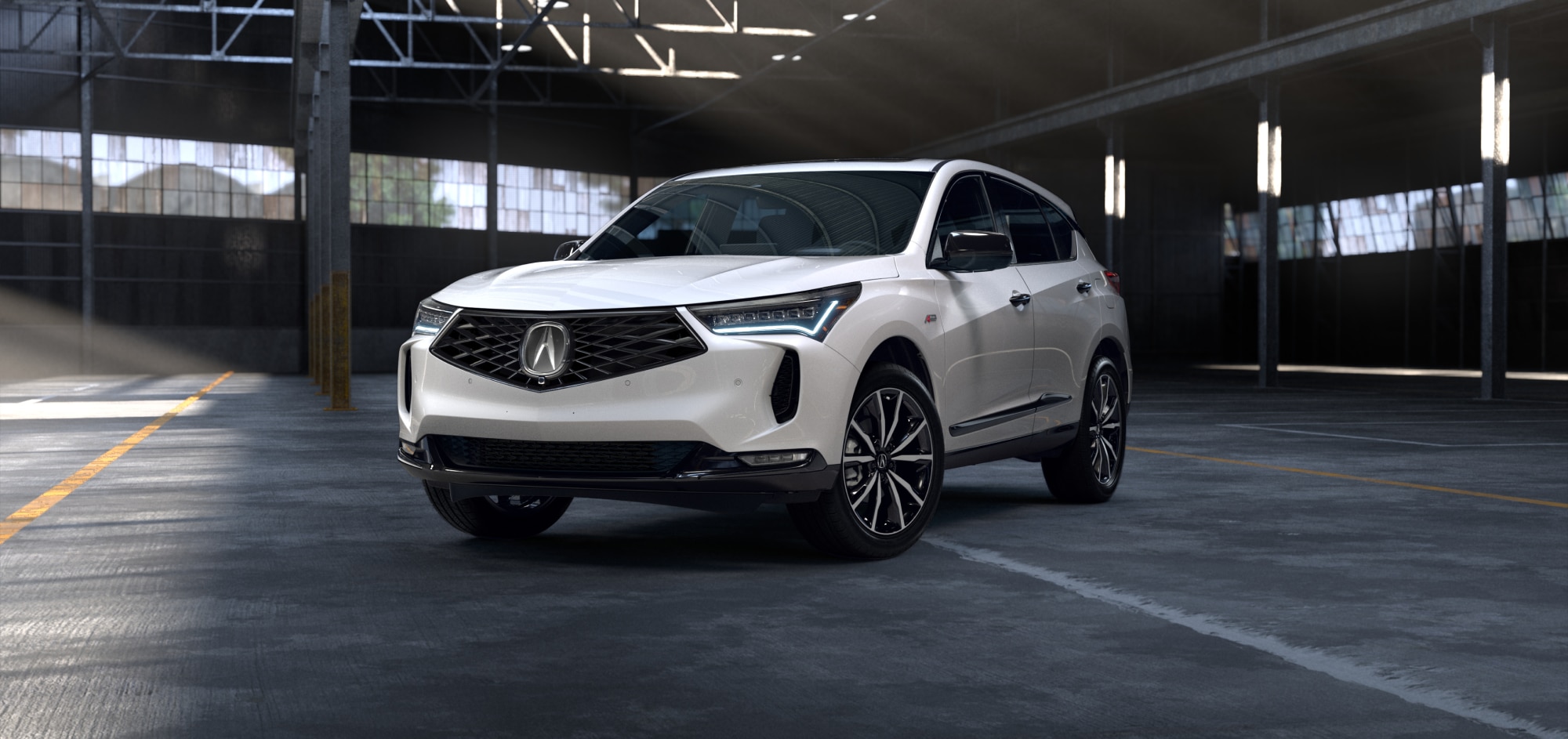
Acura’s Super Handling All-Wheel Drive (SH-AWD) provides a sophisticated blend of daily reliability and high-performance agility. Unlike traditional reactive systems, SH-AWD proactively distributes torque between the front and rear axles and across the individual rear wheels to enhance cornering, stability, and traction in diverse weather conditions and driving environments.
For drivers in 2026, selecting a vehicle that balances the mundane requirements of a daily commute with the visceral thrill of spirited driving is a priority. Acura has carved a niche in this space by making its flagship all-wheel-drive technology available across nearly its entire fleet. Whether you are navigating a snow-covered mountain pass or an aggressive highway on-ramp, the mechanical and electronic logic behind Acura's AWD systems ensures that "everyday performance" is not a marketing slogan but a tangible driving characteristic.
The Engineering Logic of Super Handling All-Wheel Drive (SH-AWD)
To understand why Acura's all-wheel-drive cars excel in everyday performance, one must look beneath the chassis at the Super Handling All-Wheel Drive (SH-AWD) system. First introduced on the 2005 Acura RL, the system has evolved through several generations, with the current 2026 models utilizing the most refined electronic control units (ECUs) and mechanical actuators to date.
Most standard AWD systems are "reactive." They remain in front-wheel-drive mode to save fuel and only engage the rear wheels once they detect a loss of traction. While this is helpful for getting unstuck from a snowbank, it does little for performance. SH-AWD is "proactive" and "vectoring." It continuously monitors engine speed, wheel speed, steering angle, and lateral G-forces.
Torque Vectoring and Lateral Agility
The standout feature of SH-AWD is its ability to perform North-South and East-West torque distribution. The system can send up to 70% of engine torque to the rear wheels. More importantly, it can direct 100% of that rear-assigned torque to either the left or right wheel.
When you enter a corner, the system over-drives the outside rear wheel. This creates a "yaw" moment, effectively pushing the car into the turn and neutralizing understeer—the tendency of a car to push straight even when the wheels are turned. In everyday driving, this translates to a vehicle that feels much smaller and lighter than it actually is, making maneuvers like tight U-turns or navigating parking garages significantly easier.
Mechanical Evolution into 2026
By 2026, the SH-AWD system has benefited from lighter rear differentials and faster hydraulic actuators. These improvements reduce the rotational inertia of the drivetrain, allowing the system to respond to changes in road grip in milliseconds. This is particularly vital for everyday performance in regions with unpredictable weather, where a patch of black ice or a sudden downpour can change the friction coefficient of the road instantly.
The 2026 Acura AWD Lineup: Model Breakdown
Acura's 2026 lineup offers several distinct interpretations of all-wheel-drive performance. Each vehicle is tuned to meet specific lifestyle needs while maintaining the core "Precision Crafted Performance" ethos.
Acura TLX: The Sports Sedan Benchmark
The TLX remains the primary choice for enthusiasts who want a traditional sedan silhouette with modern grip. The 2026 TLX, particularly in the Type S trim, utilizes SH-AWD to manage the output of its 3.0-liter turbocharged V6.
- Daily Utility: The TLX offers a comfortable cabin with noise-canceling technology, making it an excellent highway cruiser.
- Performance Edge: The SH-AWD system in the TLX is tuned for rear-bias. Under hard acceleration, you can feel the rear of the car squat and propel you forward without the "torque steer" common in front-drive competitors.
- Technological Integration: The 2026 models feature an updated Integrated Dynamics System (IDS) that allows drivers to customize how aggressively the AWD system distributes power in "Sport" versus "Normal" modes.
Acura MDX: Performance for the Family
As the brand's flagship three-row SUV, the MDX proves that a large vehicle can still offer engaging dynamics. The MDX was the first SUV to feature SH-AWD, and the 2026 iteration continues to lead the segment in handling.
- Capability: With the SH-AWD system, the MDX can tow up to 5,000 pounds when properly equipped. The AWD system provides the necessary stability for towing trailers on wet or uneven surfaces.
- Chassis Control: The MDX uses a double-wishbone front suspension that works in tandem with the torque-vectoring rear differential to keep the SUV level during high-speed cornering.
- Versatility: For daily errands, the system remains transparent, providing a secure feel on gravel roads or during heavy rain.
Acura RDX: The Balanced Crossover
The RDX is often cited as the "sweet spot" for everyday performance. It is large enough for a small family but compact enough to be agile in urban traffic.
- Turbocharged Efficiency: The 2026 RDX pairs a 2.0-liter VTEC® Turbo engine with SH-AWD. This combination provides immediate low-end torque, which the AWD system efficiently puts to the pavement.
- Urban Maneuverability: The RDX’s shorter wheelbase compared to the MDX makes the effects of torque vectoring even more pronounced. It feels "tossable" in a way few other crossovers do.
Acura ZDX: The Electric AWD Frontier
In 2026, the ZDX represents Acura's pivot toward electrification. Unlike the mechanical SH-AWD found in internal combustion models, the ZDX uses a dual-motor electric AWD system.
- Instant Torque: Because electric motors can be controlled with extreme precision, the ZDX can shift power between the front and rear axles even faster than its gasoline counterparts.
- Performance Trims: The Type S variant of the ZDX emphasizes high-output motors, providing 0-60 mph times that rival high-end sports cars, all while maintaining the sure-footedness of all-wheel drive.
Comparison of 2026 Acura AWD Models
| Model | Engine Type | Standard/Available AWD | Best For | Towing Capacity |
|---|---|---|---|---|
| TLX | 2.0T I4 / 3.0T V6 | SH-AWD Available | Commuting / Driving Enthusiasts | N/A |
| RDX | 2.0T I4 | SH-AWD Standard | Urban / Small Families | 1,500 lbs |
| MDX | 3.5L V6 / 3.0T V6 | SH-AWD Standard | Large Families / Towing | 5,000 lbs |
| ZDX | Dual-Motor EV | Electric AWD Standard | Tech-Adopters / Efficiency | 3,500 lbs |
| ADX | 1.5T I4 | Intelligent AWD | Entry-Level Luxury / Value | N/A |
Everyday Performance: Benefits Beyond the Track
When people hear "performance," they often think of lap times. However, for an Acura owner in 2026, performance relates to how the car handles the challenges of daily life.
Safety and Weather Competence
While no AWD system can defy the laws of physics, SH-AWD significantly increases the margin of safety. In 2026, Acura’s driver-assist suites (AcuraWatch™) are fully integrated with the AWD system. If the collision mitigation system detects an emergency lane change is necessary, the AWD system can assist by vectoring torque to the outside wheels to help the car rotate more quickly and maintain stability during the evasive maneuver.
Confidence in Transitions
Everyday performance often involves "transitional" driving—moving from a dry highway to a wet exit ramp, or merging into fast-moving traffic from a dead stop. Acura’s AWD cars are designed to handle these transitions without drama. The driver feels a consistent level of grip, which reduces the fatigue associated with driving in poor conditions.
Fuel Efficiency vs. Performance
One of the historical drawbacks of AWD was a significant drop in fuel economy. Acura has mitigated this in 2026 through "intelligent" logic. On straight, level highways, the system can decouple the rear wheels or minimize the power sent to them to reduce mechanical drag. This allows Acura cars to achieve competitive MPG ratings while still having performance-ready traction available in a heartbeat.
Maintenance and Long-Term Reliability of Acura AWD
Owning a performance-oriented AWD car requires specific attention to maintenance to ensure the system functions correctly over the vehicle's lifespan.
Rear Differential Service
The "heart" of the SH-AWD system is the rear differential, which contains electromagnetic clutches and fluid that must be changed at regular intervals. In 2026 models, the Maintenance Minder™ system will alert the driver when this service is due. Neglecting this can lead to "chatter" or noise during tight turns and may eventually degrade the torque-vectoring capabilities.
Tire Management
For any AWD vehicle, tire consistency is paramount. All four tires should ideally be the same brand, model, and tread depth. A significant difference in tire circumference (due to uneven wear or replacing only two tires) can trick the AWD sensors into thinking a wheel is slipping, causing unnecessary wear on the center differential and reducing fuel efficiency.
Reliability Expectations
Acura (and its parent company, Honda) has a long-standing reputation for mechanical durability. The SH-AWD system is generally considered one of the more robust AWD systems on the market. Unlike some European competitors that use complex, high-maintenance air suspensions or electronic systems that are prone to failure, Acura tends to favor "over-engineered" mechanical components that withstand the rigors of high-mileage daily driving.
Choosing the Right Acura AWD for Your Lifestyle
Selecting the best Acura for everyday performance depends on your specific daily "mission."
- The Solo Commuter: If your daily drive involves winding backroads or heavy highway traffic without the need for significant cargo space, the TLX with SH-AWD offers the most rewarding steering and handling profile.
- The Weekend Adventurer: For those who need to carry bikes, camping gear, or small trailers, the RDX provides a compact footprint with surprising capability. Its AWD system is perfectly tuned for gravel paths and rainy trailhead access.
- The Active Family: The MDX is the only choice for those needing seven seats. Its ability to mask its weight through the SH-AWD system makes it one of the few family haulers that is actually "fun" to drive on a twisty road.
- The Eco-Conscious Professional: The ZDX offers the future of AWD. With zero tailpipe emissions and the instant response of electric motors, it provides a different but equally compelling version of "everyday performance."
Frequently Asked Questions
Is Acura SH-AWD full-time or part-time?
Acura's SH-AWD is a proactive, full-time system, though it varies the amount of power sent to each wheel based on conditions. Under steady-state cruising on a dry highway, it may send up to 90% of the power to the front wheels to maximize fuel efficiency. However, it never fully "shuts off," as it is always monitoring sensor data to redistribute power instantly as needed.
Does AWD help with braking in the snow?
No. This is a common misconception. All-wheel drive helps with acceleration and lateral stability (turning). It does not help a vehicle stop faster. All cars have four-wheel braking regardless of their drivetrain. For optimal winter performance, Acura AWD cars should still be equipped with dedicated winter tires in climates where temperatures regularly drop below 45°F (7°C).
Which Acura model has the most advanced AWD system?
While all SH-AWD systems are highly capable, the system found in the MDX Type S and TLX Type S is generally considered the most advanced due to its high-torque capacity and specific performance tuning. Additionally, the electric AWD in the ZDX represents a different, high-speed electronic frontier of the technology.
How often does the AWD fluid need to be changed?
While it depends on driving habits, the rear differential fluid in an Acura SH-AWD system typically needs changing every 30,000 to 60,000 miles. Drivers who frequently tow or drive in mountainous terrain should follow the "severe" maintenance schedule, which may require more frequent changes. Always refer to the in-car Maintenance Minder for the most accurate timing.
Can I put different sized wheels on an Acura AWD car?
It is strongly discouraged. The SH-AWD system relies on precise wheel-speed data. Using staggered wheel sizes (different sizes on front and back) that were not factory-specified can cause the system to malfunction, trigger dashboard warning lights, and potentially cause mechanical damage to the drivetrain.
Final Recommendations for Buyers
For those seeking everyday performance in 2026, an Acura equipped with SH-AWD offers a unique value proposition: it provides the safety and weather-readiness of a traditional SUV with the cornering dynamics of a sports car. When shopping, prioritize models equipped with the Super Handling designation over the entry-level "Intelligent AWD" found on some smaller models, as the torque-vectoring component is what truly defines the Acura driving experience. Before purchasing, ensure you test drive the vehicle on a route with at least one or two sharp turns; this is where the SH-AWD system "speaks" to the driver, demonstrating its ability to rotate the car and provide a level of confidence that front-wheel-drive or standard AWD competitors struggle to match.