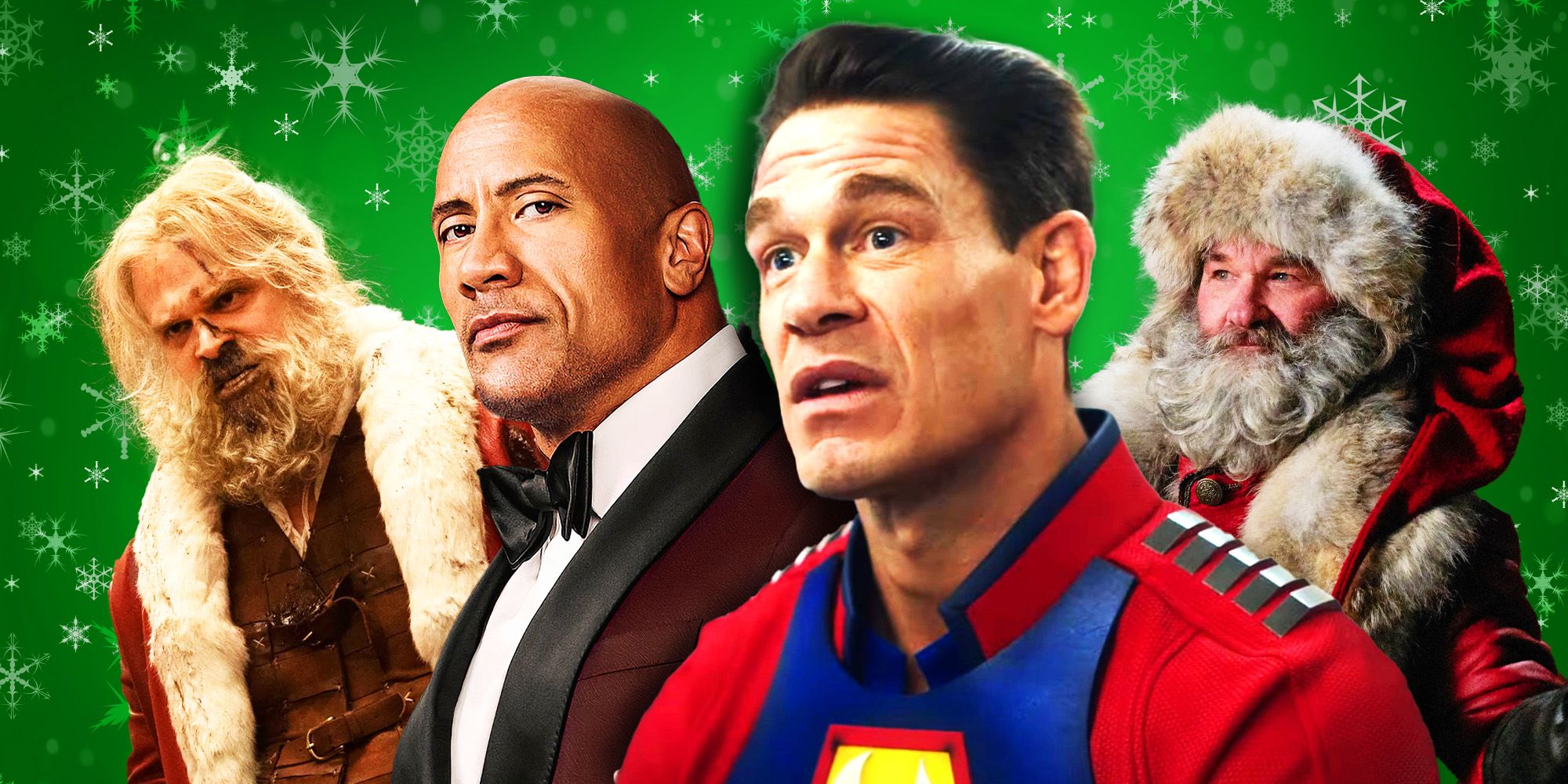
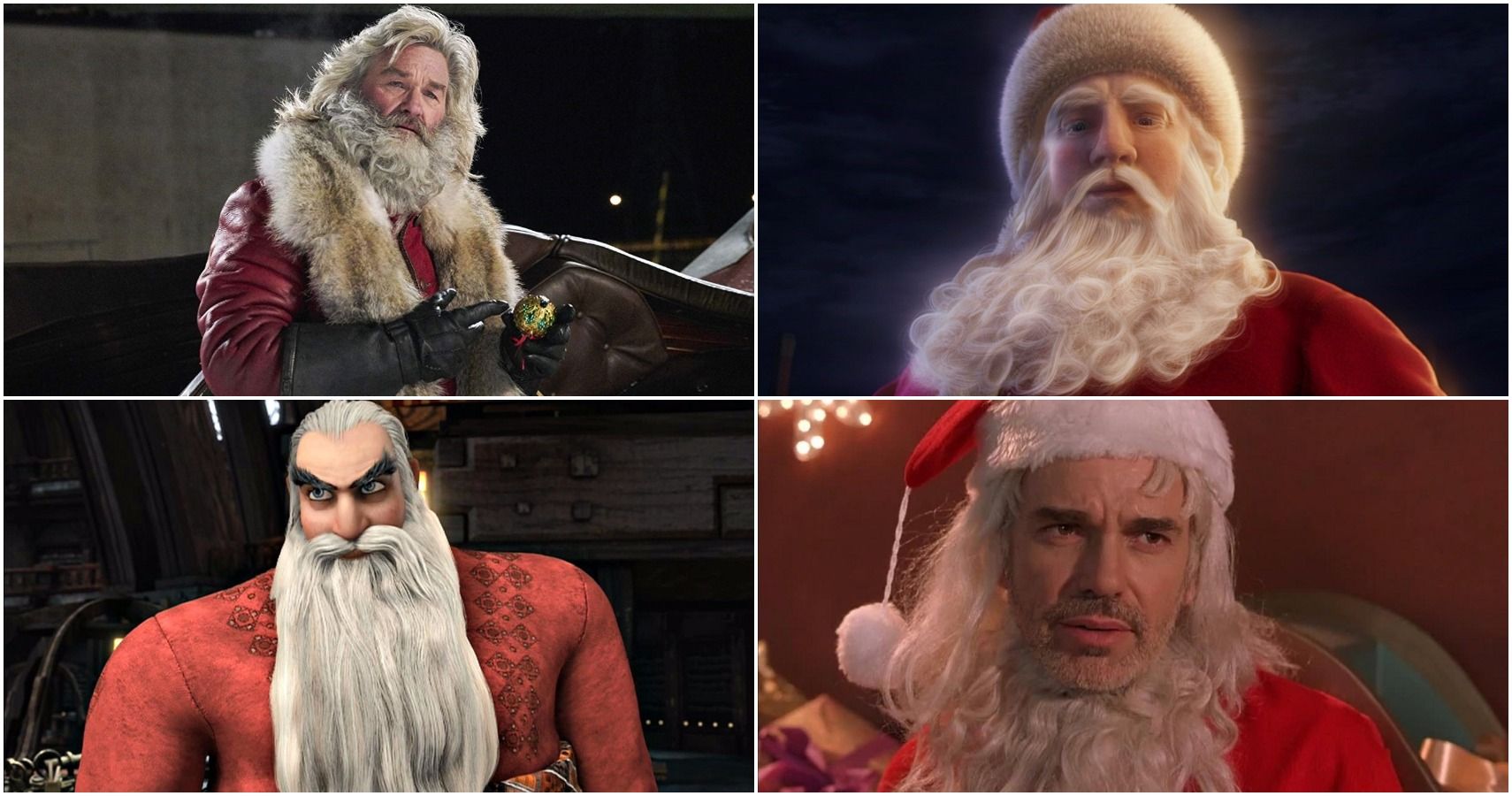
Portraying Santa Claus requires a unique blend of warmth, theatrical authority, physical stamina, and the ability to project deep, unconditional goodwill. Throughout the history of film and television, numerous performers have stepped into the crimson suit, transforming a folkloric archetype into a deeply human character. From early silent film shorts to high-budget modern holiday blockbusters, actors who have played Santa Claus have left an indelible mark on popular culture, shaping how generations perceive the magic of Christmas.
The Historical Origins of Cinematic Santa Clauses
Before the modern image of Santa Claus was standardized by commercial illustration and holiday broadcasting, early cinema experimented with various iterations of Father Christmas, St. Nicholas, and regional gift-bringers. The earliest known cinematic depiction of the figure appears in the 1898 British short film Santa Claus, directed by George Albert Smith. This pioneering silent film showed two children sleeping while Santa climbs down a chimney to fill their stockings, establishing the foundational narrative trope of holiday magical realism.
As the film industry grew through the silent era and into the Golden Age of Hollywood, the role transitioned from a fleeting background novelty to a character-driven performance. Performers in these formative decades often relied on stage traditions, heavy theatrical makeup, and exaggerated physical comedy to convey the spirit of the character without the benefit of synchronized sound or color cinematography. These early actors laid the groundwork for the archetype, establishing that a successful portrayal required balancing the stern moral authority of Saint Nicholas with the approachable joy of the modern holiday icon.
Iconic Big-Screen Portrayals That Defined Generations
Certain performances have transcended individual films to become cultural touchstones, defining what audiences expect from actors who have played Santa Claus. These performances usually require heavy prosthetic or natural physical presence, combined with strong dramatic delivery that grounds a fantastical character in emotional reality.
Edmund Gwenn in Miracle on 34th Street (1947)
Perhaps the most definitive performance in holiday cinematic history is Edmund Gwenn’s portrayal of Kris Kringle in the 1947 classic Miracle on 34th Street. Gwenn brought a genuine benevolence, sharp wit, and profound emotional sincerity to the role, famously winning the Academy Award for Best Supporting Actor—a rare feat for a holiday-themed performance. His interpretation presented Santa not as a magical abstraction, but as a stubborn, principled humanitarian who genuinely believed in the betterment of humanity.
Tim Allen in The Santa Clause Franchise
In 1994, Tim Allen redefined the contemporary cinematic Santa in Disney’s The Santa Clause. Playing an ordinary advertising executive who accidentally inherits the role through a literal "santa clause" contract, Allen brought a cynical, comedic edge that gradually melted into earnest acceptance. The film spawned multiple sequels, cementing Allen's iteration as the dominant visual and narrative reference point for audiences growing up in the 1990s and 2000s.
Kurt Russell in The Christmas Chronicles (2018)
In the modern streaming era, Kurt Russell introduced a rugged, charismatic, and action-oriented iteration of the character in Netflix's The Christmas Chronicles and its 2020 sequel. Russell’s interpretation leaned into a historical, motorcycle-riding, blues-singing persona that updated the character for contemporary audiences while maintaining the essential warmth and protective instinct expected of the figure.
Television and Character Actors in the Holiday Canon
While feature film leads often receive the most public attention, character actors and television stars have contributed some of the most memorable depictions of the holiday figure. These performances often appear in television specials, recurring holiday episodes, and supporting film roles where the actor must establish a memorable presence within a limited screen time.
| Actor | Production | Year | Notable Style and Characteristics |
|---|---|---|---|
| Edmund Gwenn | Miracle on 34th Street | 1947 | Benevolent, principled, Academy Award-winning humanism |
| Mickey Rooney | Santa Claus Is Comin' to Town | 1970 | Animated voice performance establishing a folk-hero origin story |
| Tim Allen | The Santa Clause | 1994 | Reluctant, comedic transformation from corporate executive |
| Richard Attenborough | Miracle on 34th Street (Remake) | 1994 | Gentle, sophisticated, and deeply whimsical portrayal |
| Edward Asner | Elf | 2003 | Weary, pragmatic manager of the North Pole workshop |
| Kurt Russell | The Christmas Chronicles | 2018 | Charismatic, muscular, blues-singing action Santa |
Television animation also produced legendary vocal performances. Mickey Rooney voiced the character in several Rankin/Bass productions, most notably Santa Claus Is Comin' to Town (1970), giving the character an energetic, underdog origin story that shaped childhood imaginations for decades. Similarly, Edward Asner brought a dry, pragmatic, blue-collar leadership style to his role in the 2003 film Elf, portraying a Santa who viewed the North Pole workshop as a bustling, demanding logistical enterprise.
The Technical and Physical Demands of the Role
Playing Santa Claus involves unique physical and logistical challenges that distinguish the role from standard dramatic acting. Performers frequently work under intense physical constraints while maintaining high energy and emotional accessibility for younger audiences on set.
- Prosthetics and Wardrobe Weight: Traditional depictions often require extensive latex or silicone face pieces, artificial hair, and dense velvet or wool-lined coats. Filming under hot studio lights while wearing heavy winter gear demands significant physical endurance.
- Vocal Strain: Actors must project a booming, resonant laugh—the iconic "Ho, ho, ho"—and maintain a warm, carrying speaking voice over ambient set noise and children's vocal reactions without damaging their vocal cords.
- Working with Child Actors: Many scenes involve interacting with young, unpredictable performers. Santa actors must maintain character patience and improvisational readiness to keep scenes natural and engaging.
Frequently Asked Questions About Actors Who Have Played Santa Claus
Who was the first actor to play Santa Claus in a movie?
The first recorded cinematic depiction of Santa Claus was in the 1898 British short film Santa Claus, directed by George Albert Smith. However, because it was a silent short with anonymous or uncredited performers, specific actor names from the very earliest nineteenth-century shorts are frequently lost to film history.
Which actor won an Oscar for playing Santa Claus?
Edmund Gwenn won the Academy Award for Best Supporting Actor in 1948 for his portrayal of Kris Kringle in the 1947 film Miracle on 34th Street. He remains the only actor to win an Academy Award specifically for playing Santa Claus.
How do actors achieve the authentic Santa voice and laugh?
While some actors rely entirely on natural vocal depth, many vocal coaches and actors study the resonant chest-resonance techniques required to project a hearty laugh safely. In animation, voice actors like Mickey Rooney utilized heightened theatricality and pacing to evoke warmth and excitement.
Are there non-traditional or action-oriented Santa movies?
Yes. In recent years, filmmakers have explored action, dark comedy, and fantasy subgenres featuring the character. Examples include David Harbour in Violent Night (2022) and Mel Gibson in Fatman (2020), which place the character in gritty, unconventional narrative environments.
What makes a successful Santa Claus portrayal?
A successful portrayal hinges on emotional authenticity. Regardless of whether the film is a comedy, drama, or action picture, the actor must project genuine care, wisdom, and an unwavering commitment to the joy of giving, ensuring the character resonates across generations.
Practical Considerations for Holiday Casting and Production
For casting directors and filmmakers approaching holiday projects, selecting an actor to play Santa Claus requires balancing physical authenticity with comedic or dramatic timing. Modern audiences expect a figure who is approachable yet possesses an authoritative, timeless presence. Directors must evaluate whether a project requires a traditional, whimsical grandfather figure or a contemporary, subversive take on the mythos. Ensuring that performers are comfortable with physical costume demands, long shooting schedules, and intensive interaction with co-stars of all ages remains essential for a successful holiday production.