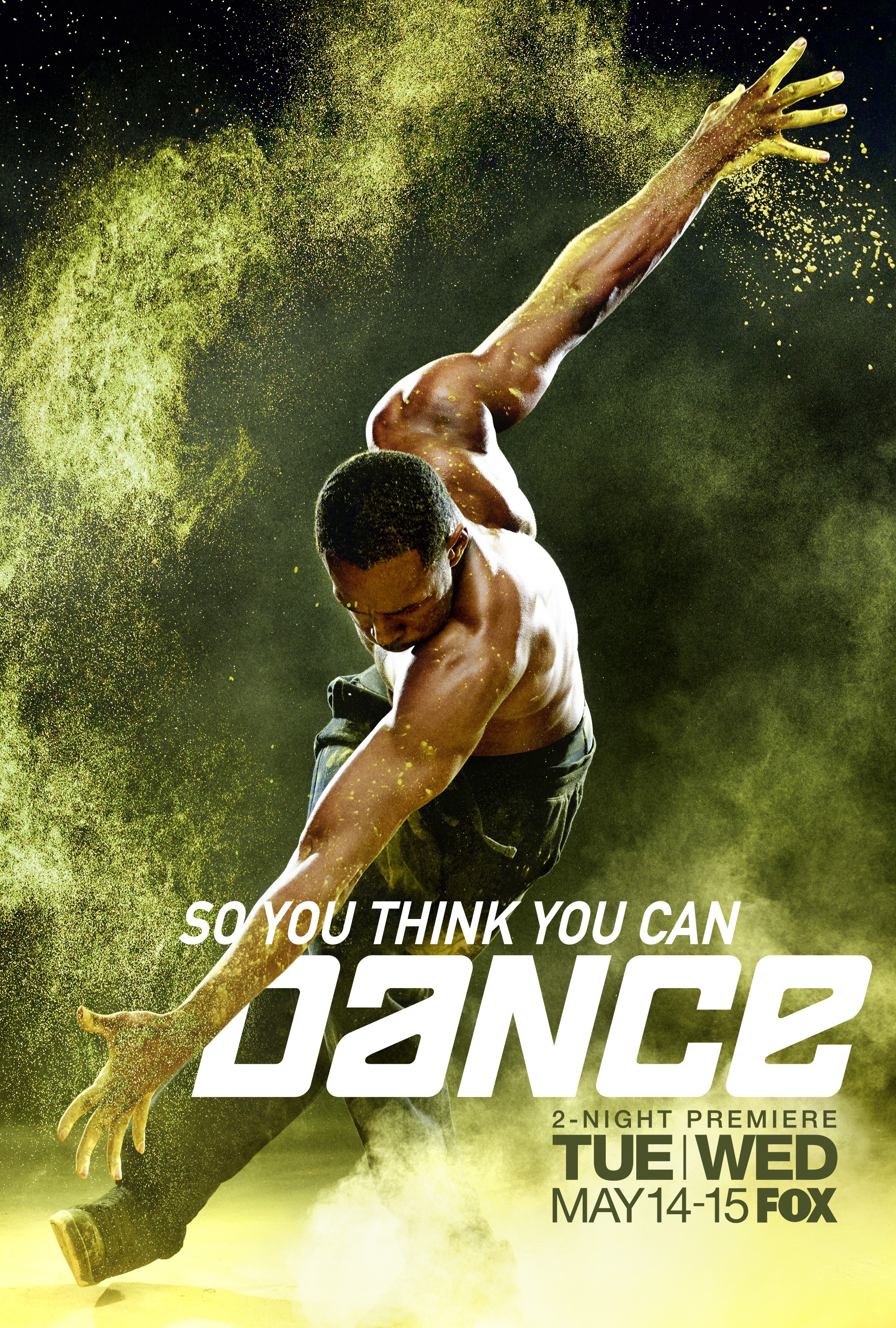
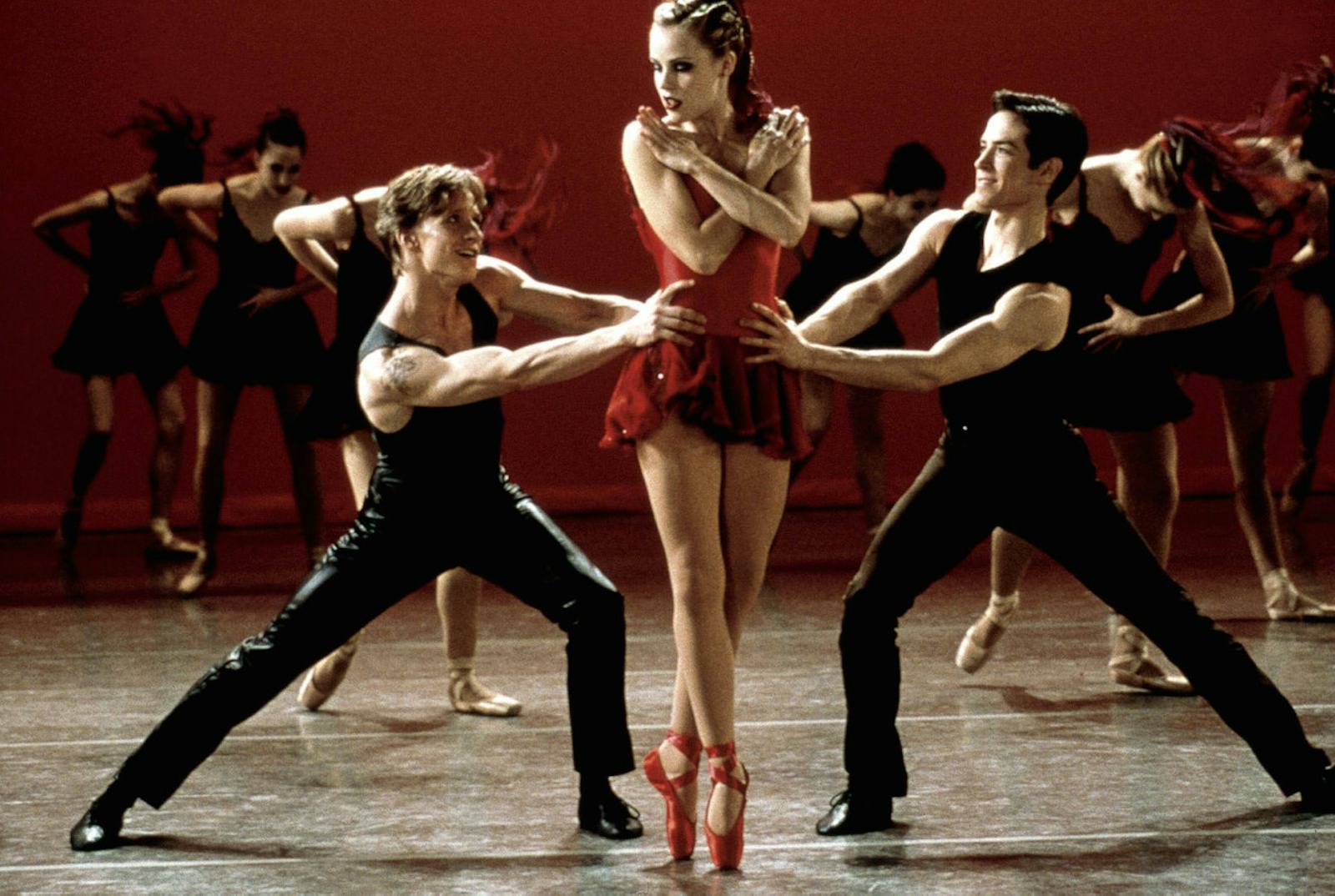
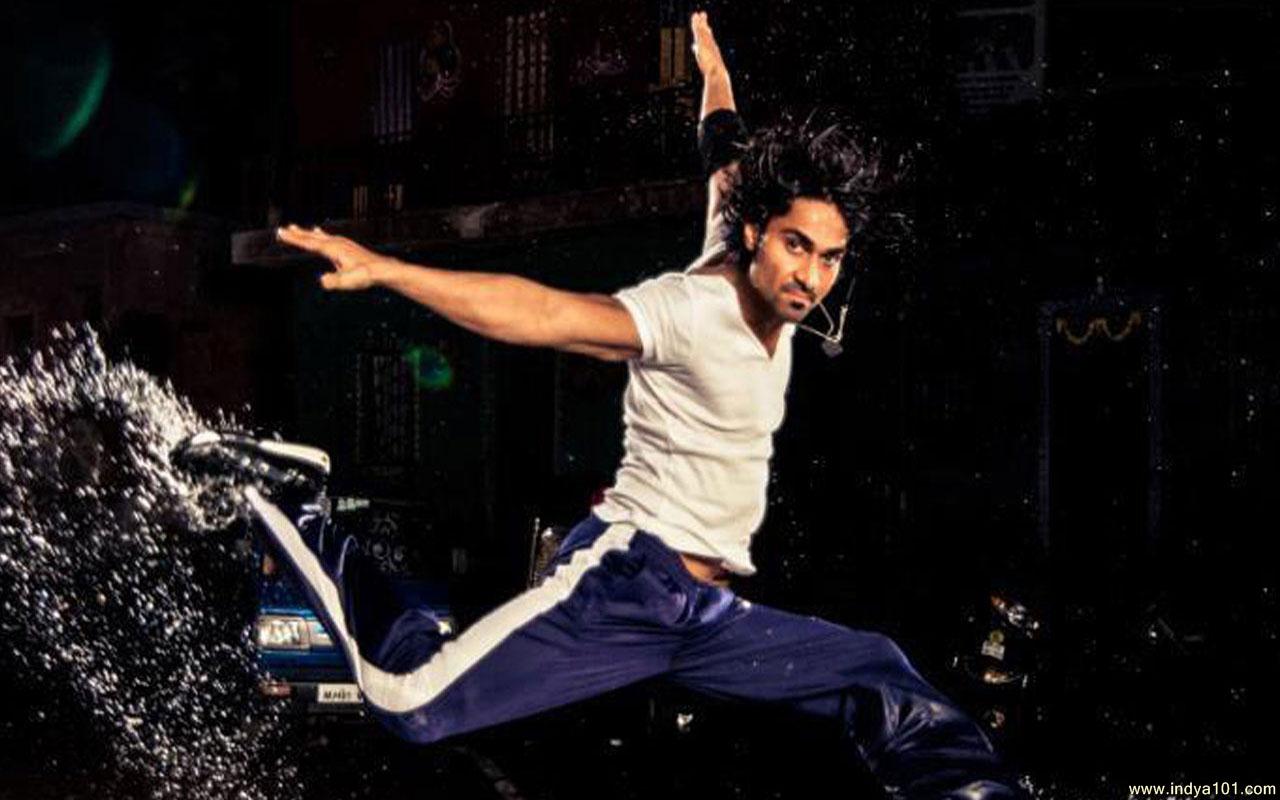
When actors who can dance in movies combine physical movement with dramatic performance, they elevate storytelling, bridging the gap between narrative progression and emotional expression. The integration of choreography into cinema stretches back to the silent era, evolving from early vaudeville-style variety acts into sophisticated narrative devices that define genres, elevate character development, and demand extraordinary technical versatility from performers.
The Historical Foundations of Cinematic Dance
The marriage of dance and motion pictures began long before synchronized sound arrived on the silver screen. Early pioneers captured short reels of theatrical dancers, recognizing that the camera could manipulate space, time, and perspective in ways the proscenium stage could never achieve. When sound films emerged in the late 1920s, studios rushed to capitalize on auditory synchronization, giving birth to the Hollywood musical golden age.
During this foundational era, performers were expected to possess a multifaceted toolkit. Studios like Metro-Goldwyn-Mayer and RKO maintained stable rosters of triple-threat performers—individuals who could act, sing, and execute complex choreography across multiple styles, ranging from tap and ballet to ballroom and jazz.
The Golden Age Paradigm
In the studio system era, training was rigorous and institutionalized. Performers trained on studio lots under master choreographers like Busby Berkeley, whose kaleidoscopic, geometric staging transformed chorus lines into cinematic spectacle, and Hermes Pan, whose legendary collaborations with Fred Astaire established a standard for elegance and musicality.
Fred Astaire famously insisted that either the camera dance or he dance, demanding wide shots that preserved the integrity of full-body movement rather than relying on rapid cuts that could mask a lack of technical proficiency. This philosophy set a high benchmark for actors who stepped onto the soundstage, proving that physical movement could communicate character psychology just as effectively as spoken dialogue.
Defining Categories of Screen Dancers
Not all actors who dance in movies approach the craft from the same background. Modern and classical cinema features a diverse spectrum of performers whose movement capabilities stem from vastly different training regimens and professional origins.
| Category | Primary Characteristics | Notable Examples |
|---|---|---|
| Trained Dancers Turned Actors | Professional conservatory training; strong technique; physical versatility across genres. | Gene Kelly, Mikhail Baryshnikov, Channing Tatum |
| Dramatic Actors with Dance Skills | Extensive training undertaken for specific roles; focus on character integration. | Natalie Portman, Ryan Gosling, Tom Holland |
| Action Stars / Physical Performers | Agility, martial arts, stunt background, rhythm; stylized kinetic movement. | Jackie Chan, Tony Jaa, Michael J. Fox |
Understanding these distinctions helps clarify how directors cast and utilize talent. While a trained dancer can easily adapt to acting for the camera, a dramatic actor undergoing months of intensive coaching for a single project relies heavily on spatial awareness, posture, and rhythm to sell the illusion of lifelong proficiency.
Technical Requirements of Dancing on Film
Executing choreography for the silver screen differs vastly from performing on a live stage. While stage performers must project their energy to the back row of a theater, screen performers must adapt their technique to the framing of the camera lens, the demands of multiple takes, and the realities of film editing.
Camera Blocking and Spatial Awareness
On stage, a dancer works within a fixed proscenium arch. In film, the stage is constantly moving. Cinematographers and choreographers must collaborate closely to ensure that the camera's movement complements the dancer's trajectory. If an actor executes a complex pirouette or leap outside the focal plane, the shot is ruined.
Furthermore, screen dancers must maintain consistent energy and precision across dozens of repetitions. A standard cinematic dance sequence may take two to three days to shoot from various angles, requiring performers to maintain peak physical exertion while hitting exact marks on the floor taped by the camera department.
The Role of Editing Versus Continuous Takes
Directors generally choose between two distinct philosophies when filming dance: the continuous long take or the rhythmically edited sequence.
- Continuous Long Takes: Exemplified by films like La La Land or classic Astaire-Rogers numbers, these scenes showcase the unedited physical stamina and skill of the performers. They require rigorous rehearsal schedules and precise synchronization between camera operators and actors.
- Dynamic Editing: Popularized by modern musicals and action-infused dance films (such as the Step Up franchise), this approach utilizes rapid cuts, close-ups of footwork, and sweeping crane shots to create an energetic, visceral experience. While editing can amplify the excitement of a scene, it also places unique demands on actors to maintain continuity of movement and emotion across fragmented cuts.
Iconic Performances and Genre Evolution
The application of dance within cinema has shifted alongside changing cultural tastes and technological advancements. In the mid-twentieth century, musicals dominated the box office. Performers like Gene Kelly modernized dance by incorporating athletic, everyday American movement into his numbers, famously splashing through puddles in Singin' in the Rain (1952) to express unadulterated joy.
As the traditional musical waned in popularity during the late 1960s and 1970s, dance migrated into dramas and coming-of-age stories. Films like Saturday Night Fever (1977) utilized disco and club culture to explore working-class alienation, transforming John Travolta into a global icon and proving that social dance could carry profound thematic weight.
The Contemporary Landscape
In contemporary cinema, actors who can dance are frequently cast to bridge the gap between high-art choreography and mainstream narrative appeal.
- Psychological Thrillers: In Black Swan (2010), Natalie Portman underwent rigorous ballet training to portray the psychological unraveling of a dedicated ballerina, utilizing physical rigidity and exhaustion to mirror mental deterioration.
- Action and Kinetic Cinema: Performers like Tom Holland transitioned from West End dance and gymnastics backgrounds (Billy Elliot the Musical) into blockbuster action franchises, bringing an inherent grace and spatial awareness to stunt-heavy choreography.
- Biographical and Musical Revivals: Modern jukebox and original musicals continue to demand actors who can seamlessly transition between intimate dramatic dialogue and high-energy ensemble production numbers.
Common Challenges and Misconceptions
Audiences frequently harbor misconceptions regarding how dance is captured and executed in modern motion pictures. Addressing these realities highlights the genuine physical labor and technical skill required of screen performers.
The Myth of Universal Double Reliance
While body doubles and stunt doubles have a long history in cinema—particularly for high-risk aerial acrobatics or specialized ballet footing—many contemporary actors invest months in intensive preparation to perform their own routines. Directors prefer shooting wide-angle coverage featuring the actor's face because it preserves emotional continuity. When doubles are utilized, modern digital compositing and match-cutting techniques are often employed to seamlessly blend the professional dancer's body with the actor's face.
Injury Prevention and Physical Toll
Dance is an elite athletic discipline. Actors who take on dance-heavy roles face severe risks of stress fractures, torn ligaments, and chronic joint strain. Production companies routinely hire specialized physical therapists and athletic trainers to accompany cast members on set, ensuring that grueling rehearsal schedules do not result in production-halting injuries.
Practical Considerations for Aspiring Screen Performers
For performers looking to enter the film industry with a background in dance, or actors seeking to expand their marketability through movement training, several strategic steps are essential:
- Cross-Training in Acting Fundamentals: Exceptional technical dance skills alone rarely secure dramatic roles. Performers must master text analysis, emotional availability, and camera blocking.
- Versatility Across Genres: While specialization in ballet or hip-hop is valuable, film work often requires quick adaptation to varied styles depending on the director's vision.
- Understanding Camera Angles: Aspiring screen dancers should study how lens focal lengths and framing affect physical performance, learning to project energy inward toward the lens rather than outward to an audience.
Frequently Asked Questions
Do all actors in movie musicals do their own dancing?
Not always, but the industry standard favors performers who can execute their own choreography. When a role demands elite, professional-level ballet or complex acrobatics beyond an actor's training window, professional body doubles are occasionally used for wide shots, supplemented by close-ups of the actor.
How long do actors typically train before filming a dance-heavy movie?
Preparation timelines vary based on the performer's baseline experience. Actors with prior athletic or general movement backgrounds typically undergo anywhere from three to six months of intensive daily training, often spanning four to eight hours a day, prior to principal photography.
Is classical ballet training necessary to be a successful screen dancer?
Classical ballet provides a strong foundation for posture, core strength, and spatial awareness, but it is not mandatory. Many successful screen dancers specialize in contemporary, jazz, street styles, or cultural dance forms depending on the specific demands of the film's narrative.
How does filming a dance scene differ from performing live on stage?
Live stage performances require projection to a distant audience in a continuous real-time arc. Film performances require microscopic facial expression control, stamina across dozens of fragmented takes, and strict adherence to precise camera framing and lighting marks.
Can actors without any prior dance background successfully star in dance films?
With exceptional dedication, intensive coaching, and clever cinematography, actors can pull off convincing performances for story-driven or character-focused dance roles. However, films that center heavily on professional technique usually require casting individuals with established dance credentials.
Conclusion
Actors who can dance in movies represent a vital intersection of physical athleticism and dramatic artistry. From the golden age studio system to contemporary cinematic landscapes, these performers prove that movement is a fundamental language of human expression. By understanding the rigorous training, technical specifications, and historical context behind cinematic choreography, viewers gain a deeper appreciation for the multifaceted skill required to bring a dance sequence to life on the silver screen.