Professional AC repair in Rancho Bernardo involves diagnosing and fixing malfunctions in residential or commercial cooling systems to restore efficiency and comfort. During the peak 2026 summer season, common repairs include replacing failed capacitors, sealing refrigerant leaks, and updating smart thermostats to ensure systems meet California’s stringent energy standards and withstand inland San Diego heat.
In the master-planned community of Rancho Bernardo, the demand for air conditioning is not a luxury but a necessity for health and property preservation. As an inland valley location, Rancho Bernardo experiences significantly higher temperatures than coastal San Diego neighborhoods. By 2026, the intersection of aging infrastructure in older neighborhoods like Seven Oaks and the high-efficiency requirements of newer developments in Westwood requires a nuanced approach to HVAC (Heating, Ventilation, and Air Conditioning) maintenance and repair.
Understanding the Rancho Bernardo Cooling Climate
Rancho Bernardo's unique geography plays a critical role in how air conditioning systems wear down over time. Situated in the North County region of San Diego, the area is subject to a "microclimate" characterized by hot, dry summers and the occasional influence of Santa Ana winds.
The intense thermal gain in this region means that AC units often run for 10 to 12 hours a day during July, August, and September. This high duty cycle accelerates the wear on moving parts, such as the condenser fan motor and the compressor. Furthermore, the proximity to open canyons and brush can lead to an accumulation of dust and organic debris within the outdoor condenser coils, leading to restricted airflow and eventual system overheating.
The Impact of 2026 Energy Standards
As of 2026, all AC repairs in California must be mindful of the state’s evolving Title 24 Building Energy Efficiency Standards. These regulations emphasize duct sealing and the use of high-efficiency components. When a technician visits a Rancho Bernardo home for a repair, they are no longer just looking at a single broken part; they are assessing how that part affects the overall SEER2 (Seasonal Energy Efficiency Ratio 2) rating of the system. Repairs must be performed using parts that do not degrade the system's original efficiency rating, ensuring homeowners remain compliant with local energy codes.
Common AC Failures and Their Technical Causes
When an air conditioner fails in the middle of a 95-degree afternoon in Rancho Bernardo, the cause is usually one of several common mechanical or electrical issues. Understanding these can help homeowners communicate more effectively with their service technicians.
Capacitor and Electrical Component Failure
The most frequent "no-cool" call in the local area involves the start or run capacitor. The capacitor is a small, cylindrical component that stores electricity and provides the high-voltage "kick" needed to start the compressor and fan motors.
In 2026, the high ambient temperatures in Rancho Bernardo can cause these components to overheat and "bulge" or leak oil. If the capacitor fails, the compressor cannot start, and you will often hear a humming sound coming from the outdoor unit. Replacing a capacitor is a routine repair, but if left unaddressed, it can lead to the permanent failure of the much more expensive compressor motor.
Refrigerant Leaks and the Transition to A2L Fluids
By 2026, the HVAC industry has largely transitioned away from R-410A refrigerant toward newer, low-GWP (Global Warming Potential) alternatives like R-454B and R-32. However, many Rancho Bernardo homes still operate on older R-410A systems.
A refrigerant leak usually manifests as a gradual loss of cooling capacity or ice formation on the indoor evaporator coil. Detecting these leaks requires specialized electronic "sniffers" or ultraviolet dye tests. In 2026, the cost of R-410A has risen significantly due to federal phase-down mandates, making the repair of leaks even more critical for long-term budget management. Technicians must be EPA Section 608 certified to handle these substances legally and safely.
Drainage Issues and Condensate Clogs
Inland San Diego's humidity may be lower than in other parts of the country, but AC units still remove a significant amount of moisture from the air. This moisture collects in a condensate pan and exits through a PVC drain line. Over time, algae and "slime" can build up in these lines, causing a blockage.
In newer Rancho Bernardo homes, a clogged drain line will trigger a "float switch" that automatically shuts off the AC to prevent water damage to the ceiling or floor. Repairing this involves clearing the line with pressurized air or suction and treating the pan with antimicrobial tablets.
Professional Repair vs. DIY Troubleshooting
While some basic maintenance can be handled by a homeowner, modern HVAC systems in 2026 are complex machines with integrated circuit boards and high-voltage components.
Safe DIY Steps
Before calling a professional, residents can perform a few basic checks:
- Check the Thermostat: Ensure the batteries are fresh and the setting is on "Cool" and "Auto."
- Inspect the Air Filter: A clogged filter is the leading cause of "frozen" coils. In the dusty environment of Rancho Bernardo, filters should be checked every 30 days.
- Verify the Breaker: Check the home’s electrical panel to ensure the AC circuit breaker hasn't tripped.
Why Professional Intervention is Required
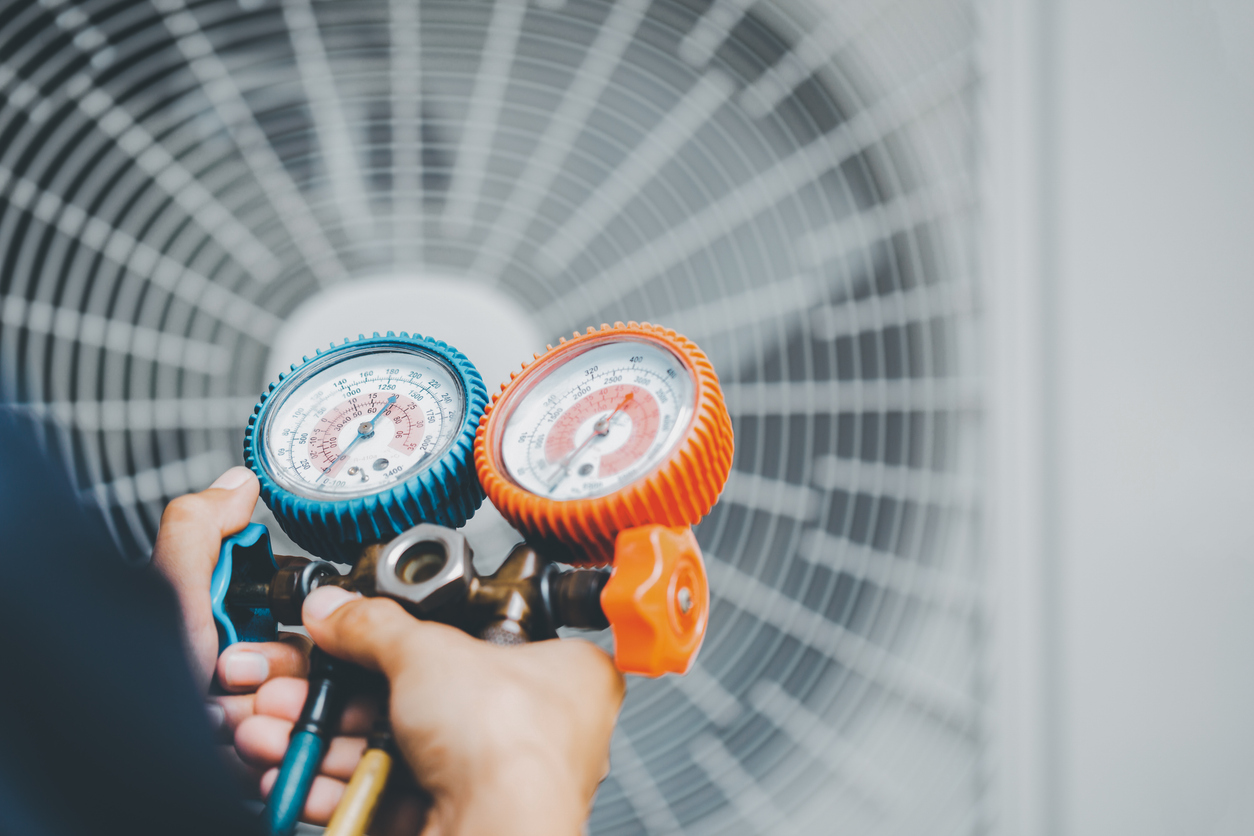
Most other issues require a licensed technician. Accessing the internal components of a 2026-model AC unit involves handling high-voltage electricity (240 volts) and pressurized chemicals. Furthermore, unauthorized repairs can void the manufacturer’s warranty, which often covers parts for 5 to 10 years. Professional technicians utilize diagnostic tools such as digital manifolds and thermal imaging cameras to pinpoint efficiency losses that are invisible to the naked eye.
Comparing AC Repair Costs and Timelines
Repair costs in 2026 are influenced by labor rates in San Diego County and the fluctuating price of specialized parts. The following table provides an estimate of common repairs encountered in the Rancho Bernardo area.
| Repair Type | Common Symptoms | Estimated Time | Complexity Level |
|---|---|---|---|
| Capacitor Replacement | Humming sound, fan won't start | 30–60 Minutes | Moderate |
| Contactor Replacement | Unit won't turn on or won't stop | 45–60 Minutes | Moderate |
| Blower Motor Repair | No air coming from vents | 2–3 Hours | High |
| Refrigerant Recharge | Air is lukewarm, hissing noise | 1–2 Hours | High (License Req.) |
| Condensate Clear | Water leaking, system shutoff | 30–90 Minutes | Low |
| Control Board Swap | Erratic behavior, no communication | 1–2 Hours | High |
Note: Costs and times may vary based on system age and accessibility. Always request a written estimate before work begins.
Choosing a Qualified Contractor in Rancho Bernardo
With numerous HVAC companies serving North County, selecting the right professional is essential for a lasting repair. In 2026, look for the following credentials:
- CSLB License: Ensure the contractor holds a valid C-20 (Warm-Air Heating, Ventilating and Air-Conditioning) license from the California Contractors State License Board. This protects the homeowner and ensures the technician has met state competency standards.
- NATE Certification: North American Technician Excellence (NATE) is the gold standard for technician training. A NATE-certified technician is more likely to provide an accurate diagnosis the first time.
- Local Experience: Companies familiar with Rancho Bernardo’s specific housing tracts—from the 1960s-era builds to the newer developments near the I-15 corridor—will better understand the ductwork and electrical configurations unique to the area.
- Insurance: Verify that the company carries both general liability and workers' compensation insurance to protect your property during the repair process.
The Role of Preventative Maintenance
In 2026, the most effective way to avoid expensive AC repair in Rancho Bernardo is through a structured maintenance program. Given the area's heat, a "Precision Tune-Up" should be performed every spring.
During a maintenance visit, a technician will clean the condenser coils, check refrigerant levels, calibrate the thermostat, and lubricate moving parts. This not only prevents breakdowns but can also reduce monthly energy bills by up to 15% by ensuring the system doesn't have to work harder than necessary. For residents in "55 and older" communities like Oaks North, many contractors offer specialized maintenance plans that provide priority service during heatwaves, ensuring that vulnerable populations are never without cooling for long.
Smart Home Integration and Troubleshooting in 2026
The air conditioning landscape in 2026 is heavily reliant on the "Internet of Things" (IoT). Most modern repairs now involve checking the communication between the HVAC system and a smart home hub.
If your AC is not responding to your smartphone app, the issue might be a firmware glitch rather than a mechanical failure. Technicians in Rancho Bernardo are now trained in "HVAC IT," helping homeowners navigate Wi-Fi connectivity issues and ensuring that smart thermostats are properly communicating with variable-speed compressors. These high-tech systems offer incredible efficiency but require specialized diagnostic software that older, "analog" repair shops may not possess.
FAQs About AC Repair in Rancho Bernardo
How do I know if my AC needs a simple repair or a full replacement?
In 2026, we generally follow the "Rule of 5,000." Multiply the age of the unit by the cost of the repair. If the total exceeds $5,000, a replacement is often more cost-effective. Additionally, if your system still uses R-22 refrigerant (a substance phased out years ago), parts will be prohibitively expensive and difficult to find in Rancho Bernardo, making replacement the logical choice.
Why is my AC running but not cooling my home?
This is usually caused by a lack of airflow or a refrigerant issue. Check your air filter first. If the filter is clean, the outdoor unit might be "slugging" due to a refrigerant leak, or the evaporator coil inside might be clogged with dust. In the dry climate of North County, dust accumulation is a primary suspect for this symptom.
Are 24-hour emergency AC repairs available in Rancho Bernardo?
Yes, most established HVAC contractors in the San Diego area offer emergency services. However, be aware that "after-hours" or holiday rates are typically higher. If your system fails on a weekend, check if it’s a simple breaker trip or a thermostat battery issue before calling for emergency dispatch.
How does the San Diego heat affect my AC’s lifespan?
The average lifespan of a central air conditioner in Rancho Bernardo is 10 to 15 years. This is slightly shorter than the national average due to the high operating hours required during the summer months and the thermal stress placed on the compressor during 100-degree spikes.
Can I change my own refrigerant in 2026?
No. Under EPA regulations, it is illegal for anyone without a Section 608 certification to purchase or handle refrigerants. Attempting to "top off" your own system can lead to severe injury, legal fines, and permanent damage to your air conditioner.
Practical Recommendation for Homeowners
If your air conditioner is underperforming, the best course of action is to schedule a diagnostic appointment with a C-20 licensed technician immediately. Delaying a repair—especially when dealing with a failing capacitor or a small refrigerant leak—can lead to "cascading failures" where one broken part destroys another, more expensive component. To ensure the best service in Rancho Bernardo, request a written diagnostic report that includes the system's current amperage draw and refrigerant pressures. This documentation is invaluable for tracking the health of your cooling system over time and ensuring your home remains a sanctuary against the Southern California heat.