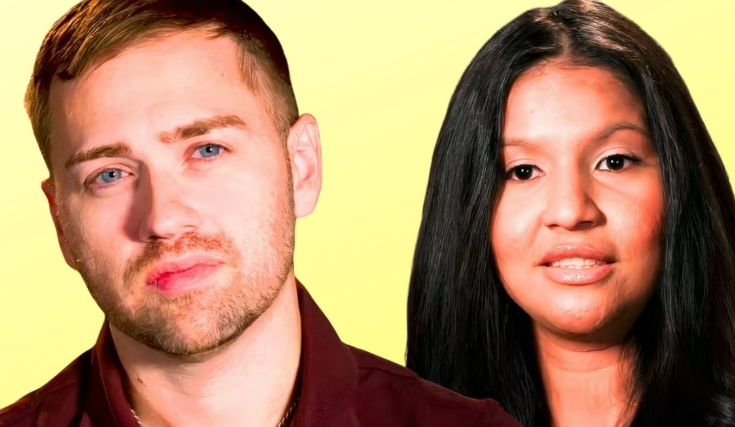
As of 2026, the 90 Day Fiancé franchise has produced dozens of marriages, but a significant number have ended in high-profile divorces. Notable split couples include Chantel Everett and Pedro Jimeno, Colt Johnson and Larissa Lima, and Danielle Mullins and Mohamed Jbali. These breakups often stem from cultural clashes, financial strain, and the unique pressures of reality TV stardom.
The TLC phenomenon 90 Day Fiancé began as a documentary-style look at the K-1 visa process, a legal pathway for foreign fiancés of U.S. citizens to enter the country on the condition they marry within 90 days. However, over its decade-plus run, the series has evolved into a sprawling ecosystem of spin-offs that document not just the lead-up to the altar, but the often-volatile aftermath. While the show boasts a surprisingly high success rate compared to other dating shows, the "divorced couples" list continues to grow as the realities of international relocation and televised domestic life take their toll.
The Legal Framework: Why Divorce is Complicated for 90 Day Cast
To understand why divorce in the 90 Day Fiancé universe is so impactful, one must first understand the legal obligations of the K-1 visa and the I-864, Affidavit of Support. When a U.S. citizen sponsors a foreign spouse, they sign a legally binding contract with the U.S. government.
The sponsor must prove they can support the immigrant spouse at a level no less than 125% of the Federal Poverty Guidelines. This obligation does not end upon divorce. In fact, the sponsor is generally responsible for the immigrant’s financial well-being until the immigrant becomes a U.S. citizen, earns 40 quarters of work credit (usually 10 years), leaves the U.S. permanently, or passes away. This "10-year rule" is a recurring point of contention in the series, often cited by American cast members who fear their ex-spouses will claim public benefits that the sponsor must then reimburse.
The Removal of Conditions
Another hurdle for these couples is the "Removal of Conditions" on the green card. Initially, a foreign spouse receives a conditional two-year green card. To make it permanent, the couple must file Form I-751 together to prove the marriage was entered in "good faith" and not just for immigration benefits. When a couple divorces before this two-year mark, the foreign spouse must apply for a waiver to stay in the country, which often leads to the high-stakes "fraud" accusations frequently seen during the show’s "Tell-All" specials.
Iconic Divorces That Defined the Franchise
Several divorces have become milestones in reality television history, shifting the show's tone from romantic hopefulness to cautionary tale.
Danielle Mullins and Mohamed Jbali (Season 2)
Perhaps the most foundational divorce in the series is that of Danielle and Mohamed. Their relationship was fraught with red flags from the beginning, including age gaps, cultural differences, and a lack of physical intimacy. Shortly after their wedding, Mohamed left Danielle, leading to a multi-season legal battle. Danielle famously attempted to secure an annulment rather than a divorce, believing that an annulment would lead to Mohamed’s immediate deportation. Ultimately, they settled for a divorce, and Mohamed remained in the U.S., eventually transitioning into a career as a long-haul truck driver. This storyline established the template for the "scammer" narrative that has permeated the show for years.
Colt Johnson and Larissa Lima (Season 6)
The marriage of Colt and Larissa lasted only about seven months but generated more headlines than many long-term relationships. Their time together was marked by multiple arrests for domestic battery and explosive arguments involving Colt’s mother, Debbie. The divorce was finalized in 2019, but the fallout continued as Larissa underwent extensive plastic surgery and moved into the adult entertainment space, while Colt moved on to several other high-profile relationships within the franchise, including a short-lived marriage to Vanessa Guerra.
Chantel Everett and Pedro Jimeno (The Family Chantel)
For years, Chantel and Pedro were considered one of the show's success stories. They even landed their own spin-off, The Family Chantel. However, after six years of marriage, Pedro filed for divorce in 2022, citing that the marriage was irretrievably broken. The split was particularly bitter, involving allegations of "domestically related" issues and the cleaning out of a joint business bank account containing over $250,000. Their divorce marked the end of an era for fans who believed that "love conquers all," even in the face of meddling in-laws.
Statistical Breakdown of 90 Day Fiancé Success Rates
Despite the high drama, the franchise actually has a higher success rate than many would expect. When comparing the original flagship series to its spin-offs like Before the 90 Days or The Other Way, the statistics vary significantly.
| Series Iteration | Estimated Divorce/Split Rate (as of 2026) | Primary Reason for Failure |
|---|---|---|
| 90 Day Fiancé (Original) | ~25% | Financial stress & family interference |
| Before the 90 Days | ~75% | Misrepresentation of identity/intent |
| The Other Way | ~50% | Difficulty adapting to foreign culture |
| Happily Ever After? | ~40% | Long-term resentment & fame pressure |
It is important to note that Before the 90 Days has a much higher failure rate because many of those couples never actually make it to the altar. The original series, which focuses on couples who have already committed to the K-1 process, tends to produce more lasting marriages, likely due to the rigorous vetting process required for visa approval.
Common Catalysts for Divorce in International Marriages
Why do these specific couples fail at a rate that keeps the 90 Day: The Single Life casting directors busy? Expert analysis of the show's 2026 status suggests several recurring themes.
- The "Clout" Factor: As the show has grown in popularity, more participants are suspected of joining the cast to build social media followings rather than to find love. When the cameras stop rolling, the incentive to maintain the marriage often vanishes.
- Cultural Isolation: Many foreign spouses move to small, rural American towns where they have no community, no transport, and no right to work for several months. This total dependence on the American spouse often leads to resentment and a power imbalance that destroys the relationship.
- The "Tell-All" Effect: The show's reunion specials often force couples to watch footage of their partner speaking behind their back. For many, like Kalani Faagata and Asuelu Pulaa, the revelations made during these televised confrontations provide the final push toward divorce.
- Financial Disparity: The I-864 requirement puts a heavy burden on the American sponsor. When the foreign spouse is unable to contribute financially for the first year or two due to work authorization delays, the financial strain often leads to explosive arguments.
Life After Divorce: The "Single Life" Pivot
TLC has turned the high divorce rate into a marketing opportunity with the creation of 90 Day: The Single Life. This spin-off follows former cast members as they navigate the dating world following their international divorces. This has created a "revolving door" for personalities like Big Ed Brown, Molly Hopkins, and Fernanda Flores, who remain in the public eye long after their initial K-1 marriages have dissolved.
The transition from a "90 Day couple" to a "Single Life star" often changes the nature of the divorce. Instead of a private legal matter, the divorce becomes a multi-season narrative arc, complete with "revenge bodies," new dating profiles, and ongoing feuds with the ex-spouse.
Legal and Ethical Considerations for the Cast
Divorce for 90 Day couples is rarely just a matter of signing papers. Because of the immigration status of the foreign spouse, many divorces involve the United States Citizenship and Immigration Services (USCIS). If a spouse is accused of marriage fraud—entering a marriage solely for the purpose of obtaining a green card—they can face deportation.
However, the Violence Against Women Act (VAWA) provides a safeguard for foreign spouses who are victims of domestic abuse. They can petition for a green card independently of their spouse, which has been a relevant legal pathway for several cast members who alleged mistreatment during their marriages.
Notable Recent Splits (2024-2026)
In the most recent cycles of the franchise leading up to 2026, we have seen several more "shocker" splits:
- Kalani and Asuelu: After years of trying to make it work for their children, the couple officially separated following revelations of infidelity.
- Molly Hopkins and Kelly Brown: Though not a K-1 marriage, their relationship (featured on The Last Resort) ended in a highly publicized and legalistic fallout involving Molly's daughter.
- Ashley and Manuel: The tensions over Manuel's secret financial dealings and Ashley's "witchcraft" lifestyle eventually led to a legal separation as the 90-day honeymoon phase wore off.
Frequently Asked Questions
Does the foreign spouse get deported immediately after a divorce?
No. Divorce does not result in automatic deportation. If the foreign spouse already has a permanent green card (10-year), their status is secure. If they have a conditional green card (2-year), they must apply for a waiver to remove the conditions on their own, proving the marriage was legitimate at its inception.
Who is responsible for the foreign spouse's finances after divorce?
The American sponsor remains financially responsible under the I-864 Affidavit of Support. This responsibility lasts until the immigrant spouse reaches one of the government’s milestones, such as becoming a citizen or working for 10 years. Divorce does not terminate this contract.
Can a cast member sue for "marriage fraud" to get an annulment?
They can attempt to, but proving "marriage fraud" in a court of law is extremely difficult. Most cast members who pursue annulments, like Danielle Mullins or Mike Youngquist (regarding Natalie Mordovtseva), eventually settle for a standard divorce because the burden of proof for fraud is so high.
Which season of 90 Day Fiancé has the most divorced couples?
Season 2 and Season 6 are often cited as having the most volatile outcomes. Season 6, in particular, saw the breakdown of Colt and Larissa, Ashley and Jay, and Jonathan and Fernanda in relatively short succession.
Do the couples get paid more if they stay together?
Cast members are paid per episode appearance. If a couple stays together and is cast in spin-offs like Happily Ever After?, they continue to receive paychecks. If they divorce and are cast in The Single Life, they also continue to get paid. There is no known "bonus" for staying married, though longevity leads to more filming opportunities.
Practical Advice for Fans and Observers
When following the sagas of 90 Day Fiancé divorced couples, it is important to distinguish between "TV drama" and "legal reality." While the show emphasizes the explosive arguments, the real tragedy for many of these couples is the long-term legal and financial entanglement that persists long after the cameras are gone.
For those interested in the success rates of these relationships, the best strategy is to monitor official social media accounts and court records rather than relying solely on "Teaser Trailers." Many couples are contractually obligated to keep their relationship status secret until a season finale airs, often leading to "fake" social media posts designed to mislead the audience.
As we move through 2026, the 90 Day Fiancé franchise continues to serve as a fascinating, if sometimes heartbreaking, study of international domesticity. Whether a couple remains a "success story" or joins the growing list of "divorced couples," their journeys provide a unique window into the complexities of the modern American Dream and the high cost of reality television fame.