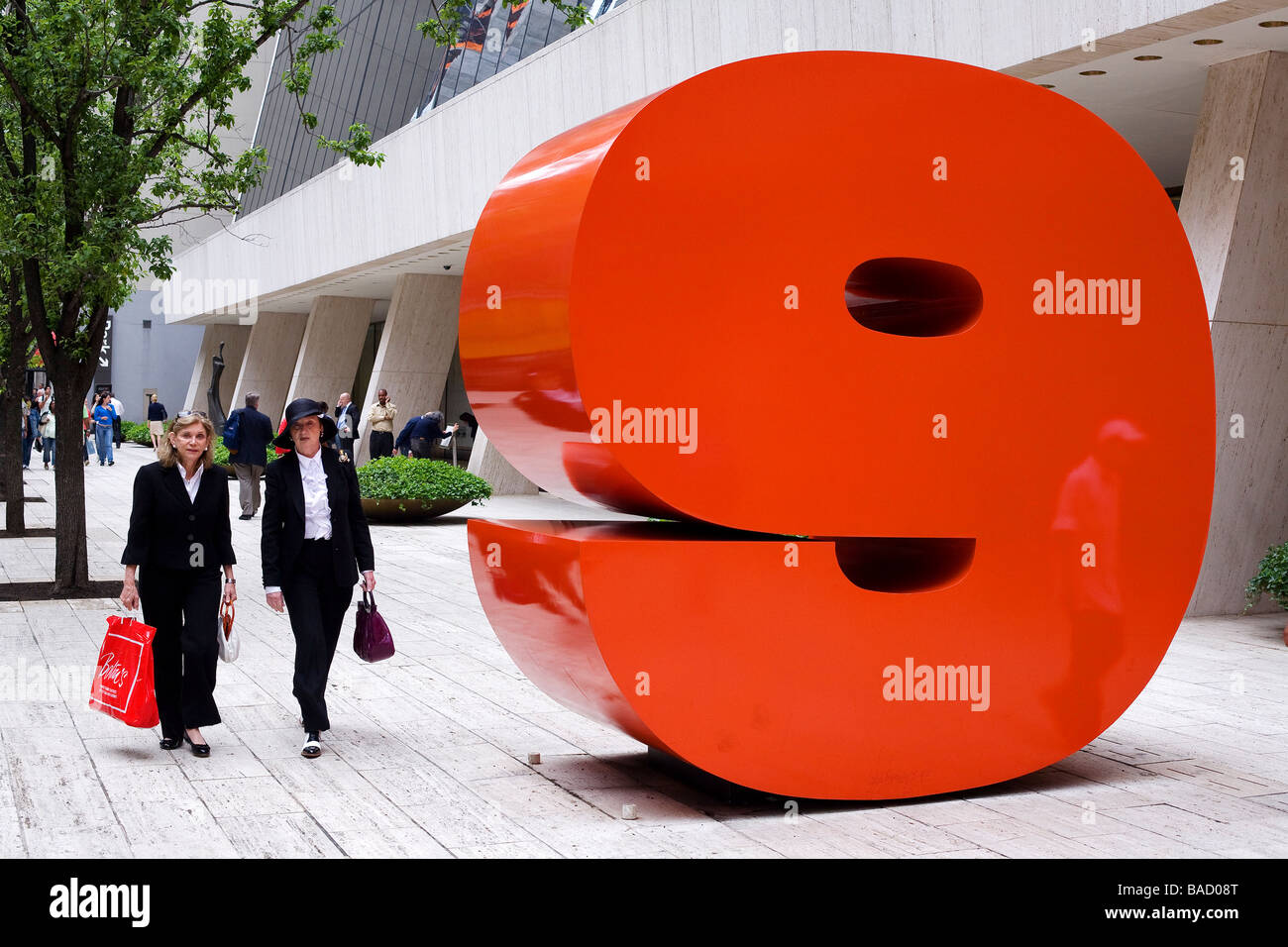
9 West 57th Street, also known as the Solow Building, is a premier 50-story skyscraper located in the Plaza District of Midtown Manhattan. Renowned for its distinctive sloping "bell-curve" architecture and unobstructed views of Central Park, it remains one of the most prestigious and expensive commercial addresses in the world as of 2026.
Designed by Gordon Bunshaft of Skidmore, Owings & Merrill (SOM) and completed in 1974, 9 West 57th Street is more than just an office tower; it is a symbol of mid-century modernism and the aggressive real estate ambition of its late developer, Sheldon Solow. The building’s concave vertical slope was a revolutionary response to New York City’s zoning laws, which required setbacks to allow light to reach the street. Rather than traditional stepped tiers, Bunshaft created a fluid, sloping facade of dark glass that has become an indelible part of the New York City skyline.
In 2026, the building continues to command some of the highest rents in the global real estate market. Despite the rise of newer "super-tall" developments like One Vanderbilt and the massive expansion of Hudson Yards, 9 West 57th Street maintains its allure through a combination of its irreplaceable location, iconic design, and a multi-year modernization program that has updated its infrastructure to meet contemporary environmental and technological standards.
The Architectural Vision of Gordon Bunshaft
The architectural significance of 9 West 57th Street cannot be overstated. When Gordon Bunshaft designed the tower, he was already a titan of American architecture, having designed Lever House and the Beinecke Rare Book & Manuscript Library. For 9 West 57th, he utilized a unique structural expression. The north and south facades are characterized by their dramatic sweep, while the east and white elevations are clad in stark, elegant travertine.
The use of travertine—a light-colored limestone—provides a sharp contrast to the dark, heat-absorbing glass of the sloping facades. This juxtaposition highlights the building's geometry. Inside, the lobby continues this theme of austere luxury. The high ceilings and expansive use of white stone create a gallery-like atmosphere, which was fitting given Sheldon Solow’s legendary private art collection, portions of which were often associated with the building's identity.
The Iconic Red "9" Sculpture
At the base of the building on 57th Street sits one of New York's most recognizable pieces of corporate art: the large, red, steel "9" sculpture. Created by graphic designer Ivan Chermayeff and executed by sculptor Milton Hebald, the sculpture serves as a bold way-finding element and a piece of pop-art history. In the decades since its installation, it has become a favorite subject for photographers and a landmark for tourists and locals alike. The sculpture’s bright red color pops against the neutral tones of the building's travertine and the black glass, grounding the skyscraper's soaring ambition with a playful, human-scale touch.
Interior Specifications and Tenant Experience
The building offers approximately 1.6 million square feet of Grade-A office space. Because of the building's unique shape, the floor plates vary in size. The lower floors, which form the "bell" of the curve, provide much larger footprints suitable for high-density operations, while the upper floors taper into more boutique, exclusive layouts.
Unparalleled Central Park Views
Perhaps the most significant selling point of 9 West 57th Street is its northern exposure. Because of its height and its position on the 57th Street corridor (often referred to as "Billionaires' Row"), the upper floors offer a direct, axial view of Central Park that is largely protected from future development. For the hedge funds and private equity firms that occupy the tower, these views are not merely a luxury; they are a hallmark of status and a primary driver of the building's premium pricing.
Modernization and 2026 Amenities
To remain competitive in the 2026 office market, the Solow Building has undergone significant upgrades. These include:
- Infrastructure Overhaul: Modernization of HVAC systems to include hospital-grade air filtration and energy-efficient climate control.
- The Solow Wellness Center: A state-of-the-art fitness and wellness facility exclusive to tenants, featuring spa services, high-end locker rooms, and personal training.
- Smart Building Integration: Enhanced fiber-optic connectivity and touchless entry systems integrated via tenant mobile applications.
- Dining and Hospitality: The addition of elite dining options that cater to the "power lunch" culture synonymous with the Plaza District.
The Economic Impact and Tenant Profile
Historically, 9 West 57th Street has been the home of "the masters of the universe." Sheldon Solow was famous for his selective leasing strategy, often preferring to keep floors vacant for years rather than lowering his asking rent. This created a sense of extreme exclusivity that appealed to high-net-worth organizations.
Current and former tenants include some of the most influential names in finance and law:
- Apollo Global Management: A long-term anchor tenant that has occupied significant portions of the building.
- Tiger Global Management: Known for its aggressive investment strategies, fitting for a building of this stature.
- Kohlberg Kravis Roberts (KKR): Though they have expanded to other locations, their tenure at 9 West 57th helped cement the building's reputation as a private equity hub.
- Och-Ziff Capital Management (now Sculptor Capital): Another example of the elite alternative investment firms that flock to the 57th Street corridor.
As of 2026, the asking rents for the top floors are rumored to exceed $200 per square foot, a price point that remains among the highest in Manhattan. This reflects the "flight to quality" trend, where firms are willing to pay a premium for buildings that offer prestige, location, and high-end amenities to lure employees back to the office in a post-pandemic world.
Comparative Analysis of Midtown Elite Office Spaces
To understand the standing of 9 West 57th Street in 2026, it is helpful to compare it to its primary competitors in the luxury office market.
| Feature | 9 West 57th Street (Solow Building) | One Vanderbilt | 270 Park Avenue (JPMorgan Chase) | 432 Park Avenue (Commercial) |
|---|---|---|---|---|
| Architect | Gordon Bunshaft (SOM) | KOHB Pedersen Fox | Foster + Partners | Rafael Viñoly |
| Primary View | Direct Central Park | Empire State / Chrysler | East River / Midtown | Central Park / Skyline |
| Year Built | 1974 (Renovated 2020s) | 2020 | 2025 | 2015 |
| Design Style | Modernist Bell-Curve | Neo-Futurist Tiered | International Modern | Minimalist Slender |
| Key Amenity | Private Wellness / Art Lobby | Summit Observation / Daniel Boulud | Integrated Wellness / Sustainability | Boutique Privacy |
| Market Segment | Hedge Funds / Private Equity | Fortune 500 / Global Law | Corporate Headquarters | Family Offices / Ultra-Boutique |
While One Vanderbilt offers more "smart building" features and direct transit access to Grand Central, 9 West 57th Street maintains an edge in architectural heritage and the specific park-facing orientation that newer buildings on 42nd Street cannot replicate.
Navigating the Building: Logistics and Access
For those visiting or working at 9 West 57th Street, the building operates with a high level of security.
Security and Entry
Access is strictly controlled through the main lobby entrance on 57th Street. Visitors must generally be pre-registered through a tenant's security system and provide government-issued identification. The lobby is staffed 24/7 by a professional security detail and a concierge service.
Location and Neighborhood
The building is situated in the heart of the Plaza District, widely considered the most expensive commercial neighborhood in the United States. It is flanked by:
- The Plaza Hotel: A few blocks to the north and east.
- Bergdorf Goodman: Located across the street, offering world-class luxury retail.
- The Museum of Modern Art (MoMA): A short walk to the south.
- Transportation: The building is easily accessible via the N, R, W, and F subway lines, with the 5th Avenue-59th Street station serving as the primary transit point.
Environmental Responsibility and Sustainability in 2026
In the current regulatory environment of 2026, older buildings face significant pressure to reduce their carbon footprints. The Solow Building management has invested heavily in meeting the requirements of New York City's Local Law 97. This involves retrofitting the building's glass facade to improve thermal insulation and upgrading the steam-based heating systems to more sustainable electric-hybrid models.
These efforts have allowed 9 West 57th Street to maintain a high LEED (Leadership in Energy and Environmental Design) rating, ensuring that it remains an attractive option for institutional tenants who are increasingly bound by ESG (Environmental, Social, and Governance) mandates.
Practical Guidance for Prospective Tenants
Leasing space at 9 West 57th Street is a complex process handled by elite commercial brokerage firms. Prospective tenants should be prepared for:
- Rigorous Financial Vetting: The ownership requires extensive financial disclosures, given the high value of the leases.
- Long-term Commitment: While some "pre-built" suites may be available for shorter terms, the building typically favors long-term leases of 10 to 15 years.
- Build-out Costs: While the building provides a world-class shell, the costs for custom high-end interior finishes in the Plaza District can be substantial.
For smaller firms or family offices looking for the 9 West 57th pedigree without the need for an entire floor, there are occasionally sublease opportunities from larger tenants, though these are highly sought after and move quickly.
Frequently Asked Questions
Can the public visit the top of 9 West 57th Street?
No, 9 West 57th Street is a private commercial office building. Unlike the Empire State Building or One Vanderbilt, it does not have a public observation deck. Access to the upper floors is restricted to tenants and their authorized guests. The public is generally permitted to view the lobby and the red "9" sculpture from the sidewalk.
How much is the rent at 9 West 57th Street?
As of 2026, rents vary based on the floor height and view. Lower-level floors may start in the $120–$140 per square foot range, while the highly coveted "trophy" floors at the top of the building command $200 per square foot or more.
Who owns 9 West 57th Street?
The building is owned and managed by Soloviev Group (formerly Solow Residential and Commercial), the family firm established by the late Sheldon Solow. The company continues to manage the legacy of the building under the leadership of Stefan Soloviev.
Why does the building have a curved shape?
The sloping shape was a creative architectural solution to New York's 1961 Zoning Resolution. By curving the building back from the street as it rises, the architects were able to build a taller, more continuous structure while still allowing light to reach 57th and 58th Streets, fulfilling the city's "sky exposure plane" requirements.
Is 9 West 57th Street the same as the "9" building?
Yes, it is frequently referred to as the "9 Building" or the "Solow Building" due to the prominent red number sculpture at its entrance.
Final Recommendations for Stakeholders
For investors and market analysts, 9 West 57th Street remains the "gold standard" barometer for the health of the Midtown luxury office market. If this building maintains high occupancy and record-breaking rents, it signals continued strength in the high-end financial services sector.
For prospective tenants, the building offers a level of prestige that is difficult to match. However, it is essential to weigh the heritage and views of 9 West 57th against the technological "newness" of Hudson Yards or East Midtown's newest towers. A thorough "Stay vs. Go" analysis should consider the impact of the address on client perception and employee recruitment.
Finally, for architecture enthusiasts, a visit to the base of the building to appreciate Gordon Bunshaft’s travertine-and-glass masterpiece is a must. It stands as a testament to a time when corporate architecture was unafraid to be bold, sculptural, and unapologetically elite.