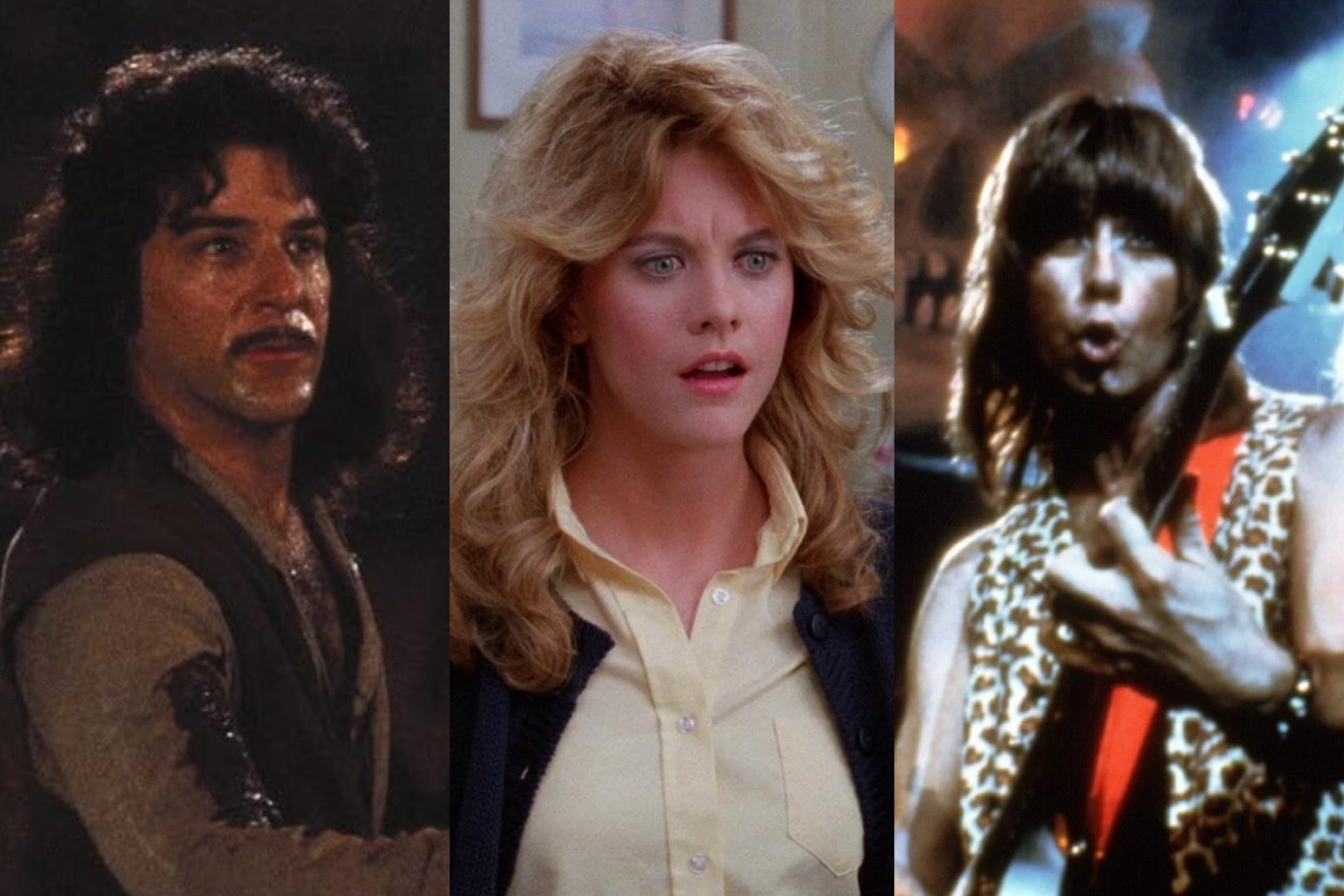
Rob Reiner’s directorial filmography represents one of the most successful and diverse runs in Hollywood history, spanning groundbreaking mockumentaries, definitive romantic comedies, and tense psychological thrillers. To truly appreciate his work, you must watch This Is Spinal Tap, Stand by Me, The Princess Bride, When Harry Met Sally..., Misery, A Few Good Men, The American President, and The Sure Thing. These films defined their respective genres throughout the 1980s and 1990s.
The Directorial Legacy of Rob Reiner
Rob Reiner first entered the public consciousness as "Meathead" on the classic sitcom All in the Family, but his transition behind the camera in the early 1980s solidified his place as a master storyteller. Unlike "auteur" directors who possess a singular, recognizable visual gimmick, Reiner is often celebrated for his "invisible" directing style. He prioritizes the script, the rhythm of the dialogue, and the authenticity of the performances above flashy camera work.
As of 2026, Reiner’s "golden era"—roughly from 1984 to 1995—is still studied in film schools as a masterclass in genre versatility. During this decade, he managed to release at least five films that are considered the "gold standard" of their specific categories. This article explores the eight essential films that every cinephile should see to understand the breadth of Reiner's impact on American cinema.
1. This Is Spinal Tap (1984)
The "mockumentary" is a ubiquitous format today, seen in everything from The Office to What We Do in the Shadows, but it owes its structural DNA to This Is Spinal Tap. Reiner directed and starred (as documentarian Marty DiBergi) in this improvised look at a fading British heavy metal band on a disastrous US tour.
Innovation Through Improvisation
While most films rely on a rigid script, This Is Spinal Tap was largely improvised based on a 24-page outline. This allowed the actors—Michael McKean, Christopher Guest, and Harry Shearer—to inhabit their characters with a level of deadpan sincerity that made many early audiences believe the band was real. The film captures the absurdity of the music industry, from the "none more black" album cover controversy to the iconic "Stonehenge" stage prop mishap.
Cultural Impact
The phrase "turn it up to eleven" has become part of the English lexicon, originating from Nigel Tufnel’s explanation of his custom-made Marshall amplifiers. The film’s brilliance lies in its affection for the characters; despite their dim-wittedness, the members of Spinal Tap are treated with a strange dignity that makes the comedy resonate deeper than a simple parody.
2. Stand by Me (1986)
Based on Stephen King’s novella The Body, Stand by Me is frequently cited as the greatest coming-of-age film ever made. Reiner captured the specific, fleeting moment in late childhood when the world begins to lose its innocence.
The Power of the Ensemble
The film’s success rests entirely on the shoulders of its four young leads: Wil Wheaton, River Phoenix, Corey Feldman, and Jerry O'Connell. Reiner reportedly spent weeks with the boys before filming to build a genuine rapport, a technique that translated into the most realistic portrayal of adolescent friendship ever captured on celluloid. The late River Phoenix’s performance as Chris Chambers remains a haunting reminder of his immense talent.
Themes of Mortality and Memory
Set in the summer of 1959, the film uses a framing device (an adult narrator played by Richard Dreyfuss) to reflect on the nature of friendship. The quest to find a dead body serves as a macabre catalyst for the boys to discuss their fears, their abusive homes, and their uncertain futures. Reiner’s ability to balance the "gross-out" humor of the "Lard-Ass" story with the profound sadness of the campfire scenes is a testament to his emotional range as a director.
3. The Princess Bride (1987)
Adapting William Goldman’s "unfilmable" novel was a passion project for Reiner. The Princess Bride is a rare "four-quadrant" movie—appealing to children, adults, critics, and casual viewers alike by blending fantasy, adventure, romance, and meta-commentary.
Genre-Bending Brilliance
The film is structured as a grandfather (Peter Falk) reading a book to his sick grandson (Fred Savage). This allows the movie to poke fun at fairy tale tropes while simultaneously embracing them. It contains some of the most quotable lines in film history, from Inigo Montoya’s vengeful mantra to the Vizzini’s "inconceivable" outbursts.
Technical Precision
The sword fight between the Man in Black and Inigo Montoya at the Cliffs of Insanity is widely regarded as one of the best-choreographed duels in cinema. Cary Elwes and Mandy Patinkin trained for months to perform the sequence themselves, avoiding the use of stunt doubles to maintain the scene's fluidity. Reiner’s direction ensures that the humor never undercuts the stakes of the romance between Westley and Buttercup.
4. When Harry Met Sally... (1989)
If The Princess Bride mastered the fairy tale, When Harry Met Sally... reinvented the romantic comedy for the modern era. Written by Nora Ephron, the film addresses the central question: "Can men and women ever just be friends?"
The Anatomy of a Rom-Com
Reiner used his own experiences as a single man following his divorce from Penny Marshall to inform the character of Harry Burns (Billy Crystal). The film’s structure—following the characters over twelve years through various chance encounters in New York City—allows for a deep exploration of how people change and how love often requires timing as much as chemistry.
The "Interviews" and Realism
Interspersed throughout the film are documentary-style interviews with elderly couples explaining how they met. These were based on real stories Reiner and Ephron collected, adding a layer of authenticity to the central fictional romance. The infamous deli scene, filmed at Katz's Delicatessen, remains a cultural touchstone, but the film’s lasting legacy is its sharp, observational dialogue about sex, relationships, and Pesto.
5. Misery (1990)
Reiner returned to the work of Stephen King for Misery, but the tone couldn't be further from Stand by Me. This psychological thriller is a claustrophobic exercise in tension, focusing on a famous novelist (James Caan) held captive by his "number one fan" (Kathy Bates).
A Masterclass in Suspense
Most of the film takes place in a single bedroom, making the direction inherently difficult. Reiner uses tight framing and specific foley work—the sound of a turning key or a scraping chair—to build an atmosphere of dread. The "hobbling" scene remains one of the most visceral moments in 90s cinema, even though Reiner famously toned it down from the even more graphic version in the novel.
The Performance of Kathy Bates
Kathy Bates won the Academy Award for Best Actress for her portrayal of Annie Wilkes. Reiner guided her to play Annie not as a cartoon monster, but as a deeply lonely, mentally ill woman whose sudden pivots from motherly kindness to homicidal rage are terrifying because they feel grounded in a warped internal logic.
6. A Few Good Men (1992)
Adapting Aaron Sorkin’s stage play, Reiner delivered a powerhouse courtroom drama that explored themes of honor, duty, and the corruption of power within the military.
Dialogue as Action
In a Sorkin script, the dialogue is the action. Reiner understood that he didn't need car chases or explosions; he needed to capture the rhythm of the legal repartee. The film features a heavyweight ensemble including Tom Cruise, Demi Moore, and Kevin Bacon, but it is the confrontation between Cruise’s Lt. Kaffee and Jack Nicholson’s Col. Jessep that defines the movie.
"You Can't Handle the Truth!"
Nicholson’s courtroom monologue is one of the most famous scenes in cinema history. Reiner’s decision to keep the camera tightly focused on Nicholson’s face—allowing every sneer and beads of sweat to be visible—maximizes the impact of the character’s arrogance. The film was a massive commercial success and earned a Best Picture nomination.
7. The American President (1995)
Before The West Wing brought political idealism to television, Reiner and Sorkin collaborated on The American President. It is a sophisticated blend of romantic comedy and political drama, starring Michael Douglas as a widowed President and Annette Bening as an environmental lobbyist.
Idealism in High Places
The film explores the difficulty of having a private life while holding the most powerful office in the world. As of 2026, the film’s optimistic view of American politics feels like a time capsule of 90s liberalism. Reiner balances the wonky policy discussions with a genuine, adult romance that avoids the clichés of younger "meet-cutes."
Production Design and Authenticity
The production team built a highly detailed replica of the West Wing, which was so accurate that it was later reused for the television show The West Wing. Reiner’s focus on the "procedural" aspects of the presidency—how bills are passed, how polling works—adds a layer of gravitas to what is essentially a high-stakes dating story.
8. The Sure Thing (1985)
Often overlooked in favor of his bigger hits, The Sure Thing is a foundational road-trip movie that helped launch the career of John Cusack. It follows two college students who dislike each other but are forced to share a ride across the country during winter break.
The Evolution of the Teen Movie
While many 80s teen movies were preoccupied with slapstick and tropes, The Sure Thing treats its characters with intelligence. It is essentially a college-aged reimagining of It Happened One Night. The chemistry between Cusack and Daphne Zuniga drives the film, turning a simple premise into a thoughtful exploration of attraction and personality clashes.
Reiner’s Foundations
This film was Reiner’s second directorial effort, and you can see the seeds of When Harry Met Sally... in its DNA. It establishes his interest in the "enemies-to-lovers" dynamic and his ability to make a low-budget production feel expansive through character development.
Comparison of Key Rob Reiner Classics
The following table summarizes the technical and critical standings of these eight essential films.
| Film Title | Release Year | Primary Genre | Key Cast Members | Main Theme |
|---|---|---|---|---|
| This Is Spinal Tap | 1984 | Mockumentary | Christopher Guest, Michael McKean | The absurdity of fame |
| The Sure Thing | 1985 | Rom-Com/Road Trip | John Cusack, Daphne Zuniga | Opposites attracting |
| Stand by Me | 1986 | Coming-of-Age | River Phoenix, Wil Wheaton | Loss of innocence |
| The Princess Bride | 1987 | Fantasy/Adventure | Cary Elwes, Robin Wright | True love and heroism |
| When Harry Met Sally... | 1989 | Rom-Com | Billy Crystal, Meg Ryan | Friendship vs. Romance |
| Misery | 1990 | Thriller | Kathy Bates, James Caan | Obsession and isolation |
| A Few Good Men | 1992 | Courtroom Drama | Tom Cruise, Jack Nicholson | Honor and accountability |
| The American President | 1995 | Political Romance | Michael Douglas, Annette Bening | Power and personal integrity |
Analyzing Reiner’s Directing Style
What makes a "Rob Reiner movie" distinct? Critics often point to his ability to step back and let the story breathe. His technical choices—lighting, editing, and camera movement—are always subservient to the emotional beat of the scene.
Mastery of Pacing
Whether it is the quick-fire dialogue of A Few Good Men or the slow, agonizing build-up of Misery, Reiner’s films are expertly paced. He knows exactly when to linger on a character's reaction and when to cut away to maintain comedic or dramatic momentum.
Performance-Driven Filmmaking
Reiner is a "performer’s director." Having been an actor himself, he knows how to communicate with his cast to elicit career-defining performances. It is no coincidence that Kathy Bates won an Oscar, or that Jack Nicholson and Billy Crystal delivered some of their most iconic work under his guidance. He creates an environment where actors feel safe to take risks, particularly in the improvised environment of Spinal Tap.
Common Mistakes When Approaching Reiner’s Work
- Dismissing them as "too mainstream": Because Reiner’s films were so successful and have become part of the pop-culture furniture, some modern viewers dismiss them as "safe." However, at the time, a movie like Spinal Tap was a massive formal risk, and Misery was a significant departure for a director known for comedies.
- Overlooking the Writing: Reiner often collaborated with the best writers in the business (William Goldman, Nora Ephron, Aaron Sorkin). A common mistake is attributing all the success to the script alone, ignoring Reiner's role in translating that text into a visual rhythm that works on screen.
- Expecting a Visual Signature: If you are looking for the symmetrical framing of Wes Anderson or the lens flares of J.J. Abrams, you won't find them here. Reiner’s signature is the feeling of the film rather than a specific visual quirk.
Frequently Asked Questions
Which Rob Reiner movie won the most awards?
A Few Good Men received four Academy Award nominations, including Best Picture. However, Misery is the only film in this list to secure a win in a major acting category (Best Actress for Kathy Bates). When Harry Met Sally... and The Princess Bride have both been inducted into the National Film Registry by the Library of Congress for being "culturally, historically, or aesthetically significant."
Is Rob Reiner still directing in 2026?
Yes, Rob Reiner remains active in the film industry. While his output slowed down in the 2010s, he has continued to produce and direct projects that focus on social and political issues, as well as sequels to his earlier work, such as the long-awaited Spinal Tap II.
What is the best Rob Reiner movie for families?
The Princess Bride is the definitive choice. It was designed to be a story told by a grandfather to a grandson, making it perfectly suited for multi-generational viewing. It contains enough action for kids and enough sophisticated wit for adults.
Why is "The Body" called "Stand by Me"?
Reiner changed the title of Stephen King’s novella because "The Body" sounded too much like a horror movie or a generic thriller. He chose "Stand by Me" after the Ben E. King song, which he felt better represented the heart of the film: the enduring bond of friendship.
Did Rob Reiner write his own movies?
While Reiner is a talented writer, he is primarily known as a director who collaborates with elite screenwriters. He famously worked with William Goldman on The Princess Bride and Misery, and with Aaron Sorkin on A Few Good Men and The American President. His contribution often involves heavy "script doctoring" and shaping the story during the rehearsal process.
Final Recommendation
If you are new to Rob Reiner’s filmography, the best place to start is When Harry Met Sally... for its brilliant dialogue and relatable themes, or The Princess Bride if you want to see a perfect execution of genre filmmaking. For those who prefer intensity, Misery remains one of the most effective thrillers ever produced by the Hollywood system. Watching these eight films provides not just a tour of Reiner’s career, but a tour of the very best of American cinema from the late 20th century.