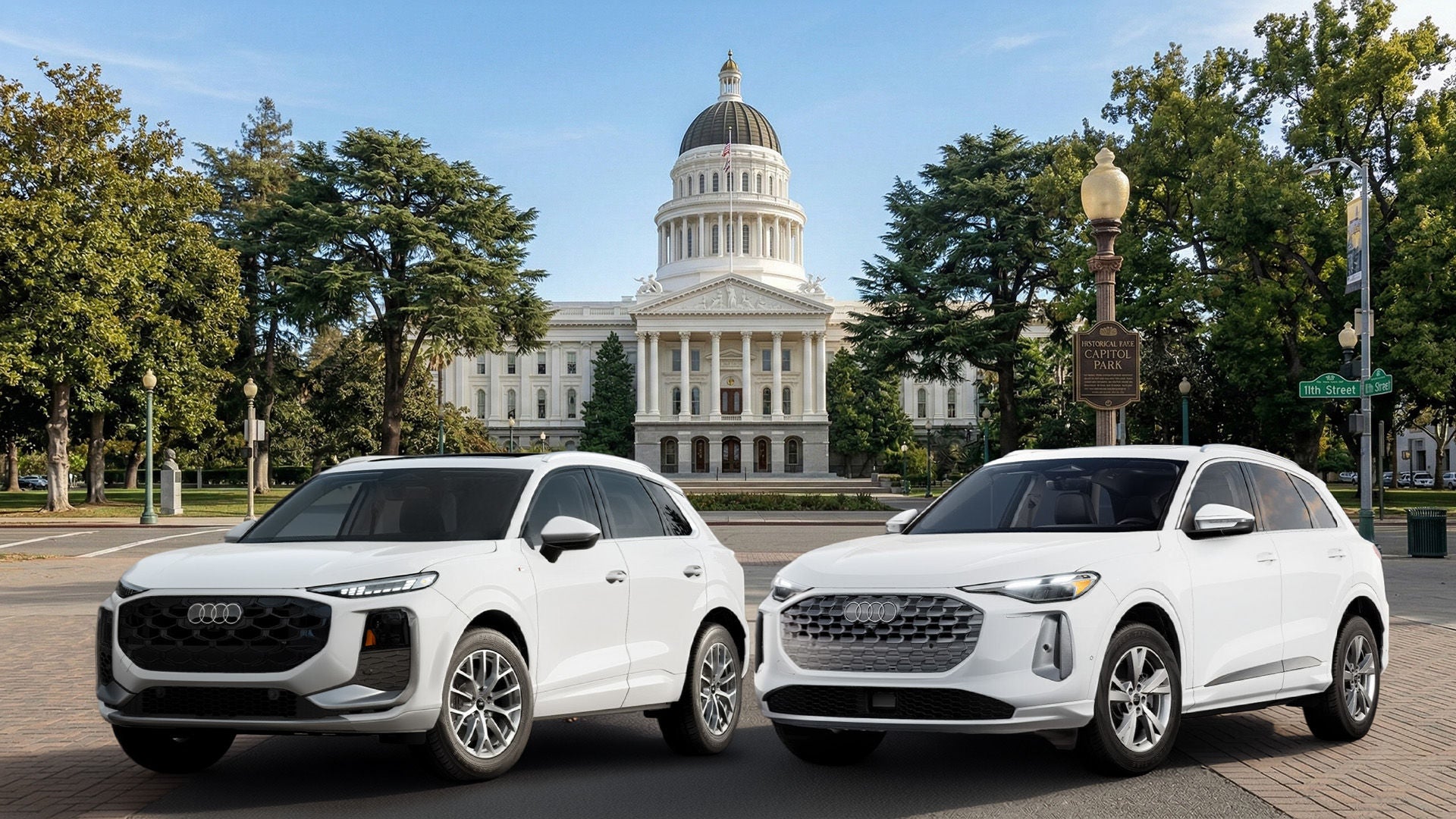
The 2026 Audi Q3 represents a pivotal moment for the luxury compact SUV, blending traditional German engineering with next-generation digitalization and sustainable performance. This year’s model focuses on seven core updates: advanced plug-in hybrid powertrains, the third-generation Audi Virtual Cockpit, Digital OLED lighting signatures, eco-conscious interior materials, enhanced Level 2+ driver assistance, refined Quattro dynamics, and expanded personalization through the S-line and Black Optic packages.
The Evolution of the Luxury Compact SUV
As we move through 2026, the Audi Q3 continues to anchor Audi's SUV lineup by offering a premium experience in a maneuverable, city-friendly footprint. While the previous iterations established the Q3 as a leader in interior quality, the current model year focuses on bridging the gap between internal combustion legacy and the brand's "Vorsprung durch Technik" electric future.
The 2026 Q3 is more than a mere facelift; it is a response to a shifting market where buyers demand higher technological integration and lower carbon footprints without sacrificing the utility of a sport utility vehicle. Whether you are a first-time luxury buyer or a long-time Audi enthusiast, understanding these seven key features and configuration choices is essential for navigating the current lineup.
1. Advanced Electrified Powertrains: The Rise of the TFSI e
For 2026, the most significant "choice" for buyers revolves around the powertrain. Audi has refined its engine lineup to emphasize efficiency through hybridization. The standard 45 TFSI remains a staple, featuring a 2.0-liter turbocharged four-cylinder engine, but it is now paired with a more robust 48-volt mild-hybrid system (MHEV).
However, the headline feature is the enhanced TFSI e Plug-in Hybrid (PHEV). This system combines a 1.5-liter turbocharged engine with a high-capacity battery pack and an electric motor integrated into the S-tronic transmission.
- Extended Electric Range: The 2026 PHEV variants now offer an estimated electric-only range of up to 60 miles (approx. 96 km) on the WLTP cycle, making it possible for many commuters to operate entirely without gasoline during daily drives.
- Charging Infrastructure: Audi has improved the on-board charging speed, allowing the Q3 PHEV to replenish its battery significantly faster at Level 2 home chargers compared to earlier versions.
- Hybrid Strategy: The vehicle’s predictive efficiency assistant uses navigation data to manage the battery charge, ensuring the motor is used in stop-and-go traffic while preserving the engine for highway cruising.
2. Next-Generation Audi Virtual Cockpit Plus
The Audi Virtual Cockpit was a revolutionary feature when first introduced, and for 2026, the "Plus" version comes standard on most trims. This 12.3-inch high-resolution digital instrument cluster is no longer just a digital version of analog gauges; it is a fully customizable command center.
The 2026 update introduces the MIB 3+ Infotainment Architecture. This system offers 10 times the processing power of previous generations, resulting in near-instantaneous touch response and fluid transitions.
- Dynamic Graphics: Drivers can choose between three distinct layouts: Classic, Sport, and the new "E-tron" inspired layout which prioritizes energy flow and efficiency metrics.
- Integrated App Store: For the first time in a Q3, users can download third-party apps directly to the MMI (Multi-Media Interface) without needing a smartphone. This includes native integration for Spotify, Amazon Music, and various weather or parking apps.
- Enhanced Navigation: The 3D city models are now more detailed, providing better visual cues in complex urban environments, supported by real-time traffic data from Audi’s "Car-to-X" services.
3. Digital OLED Rear Lights and Matrix LED Headlights
Lighting has become a hallmark of Audi design, and the 2026 Q3 brings flagship-level lighting technology to the compact segment. The new "Digital OLED" (Organic Light Emitting Diode) rear lights are a standout choice for those prioritizing safety and aesthetics.
OLEDs allow for incredibly precise, homogeneous light distribution. In the Q3, this translates to:
- Customizable Signatures: When purchasing the vehicle, or via "Functions on Demand," owners can select from different light signatures for the rear lamps, changing the vehicle’s visual personality.
- Proximity Sensing: A new safety feature uses the OLED panels to alert vehicles behind the Q3. If another car comes within two meters of a stationary Q3, all OLED segments illuminate to provide a larger surface area of light, warning the approaching driver.
- Matrix LED Precision: At the front, the Matrix LED headlights can "mask" out oncoming traffic. By selectively dimming individual LEDs, the Q3 maintains high-beam illumination on the rest of the road without blinding other drivers.
4. Sustainable Interior Design and "Dinamica" Materials
In 2026, luxury is increasingly defined by sustainability. Audi has moved away from traditional leather-only options, introducing high-performance recycled materials that offer a superior tactile experience while reducing the vehicle's environmental impact.
- Dinamica Microfiber: This material looks and feels like suede but is made from 45% recycled polyester fibers. It is used on seat bolsters and door inserts, providing a grip that is particularly useful in the S-line’s sport seats.
- Recycled PET Textiles: The "Puls" upholstery choice features fabric made from recycled PET bottles. Through a sophisticated weaving process, Audi has created a material that is durable, breathable, and visually indistinguishable from premium virgin textiles.
- Sustainable Wood Inlays: For those choosing the "Design" trim, the open-pore wood inlays are sourced from FSC-certified forests, treated with low-VOC (Volatile Organic Compound) finishes to ensure better cabin air quality.
5. Advanced Driver Assistance Systems (ADAS)
The 2026 Q3 sees a significant jump in autonomous capabilities. While it remains a "hands-on" system, the suite of sensors—including a long-range radar, front camera, and ultrasonic sensors—now provides a more seamless Level 2+ driving experience.
- Adaptive Cruise Assist with Lane Guidance: This system doesn’t just maintain distance; it actively centers the car in the lane even in construction zones with narrowed lanes or faded markings.
- Emergency Assist: If the system detects that the driver is inactive (due to a medical emergency or distraction), it can initiate a series of warnings and, if necessary, bring the car to a controlled stop within its lane while activating the hazard lights.
- Park Assist Plus: The Q3 can now maneuver into and out of parallel or perpendicular spaces with minimal driver intervention, controlling steering, braking, and acceleration.
6. Refined Quattro Dynamics and Torque Vectoring
Audi's Quattro all-wheel-drive system is legendary, but for 2026, the Q3 benefits from software refinements that mimic the "Torque Splitter" technology found in higher-performance RS models.
While the Q3 remains primarily front-wheel-biased for efficiency, the latest electronic multi-plate clutch can engage the rear axle faster and more aggressively.
- Selective Torque Control: In spirited cornering, the system applies slight braking pressure to the inside wheels, effectively "tucking" the car into the turn and reducing understeer.
- Drive Select Modes: Drivers can choose between Efficiency, Comfort, Auto, Dynamic, and Off-road. Each mode recalibrates the steering weight, throttle response, and the Quattro system's power distribution.
- Hill Descent Control: Standard on all Quattro models, this feature maintains a constant speed on steep declines, allowing the driver to focus solely on steering during light off-road excursions.
7. Personalization: S-Line and Black Optic Choices
The "Choice" aspect of the 2026 Q3 is broader than ever, allowing buyers to move away from the "one size fits all" luxury approach.
- The S-Line Package: This remains the most popular choice for those seeking a sporty aesthetic. It includes a more aggressive front bumper with larger air intakes, a unique rear diffuser, and 19-inch wheels (upgradable to 20-inch).
- The Black Optic Package: For 2026, this package has been expanded. It now includes high-gloss black finishes for the Audi rings, model badges, window surrounds, and roof rails. This provides a "stealth" look that contrasts sharply with the new 2026 paint colors like "Navarra Blue" and "District Green."
- Interior Ambient Lighting Plus: This choice allows users to select from 30 different colors to illuminate the footwells, door panels, and the "Audi" logo on the dashboard, creating a bespoke nighttime atmosphere.
Comparison of 2026 Audi Q3 Trim Configurations
The following table summarizes the primary specifications for the three most popular configurations available in 2026.
| Feature | 40 TFSI (Standard) | 45 TFSI (S-Line) | 45 TFSI e (PHEV) |
|---|---|---|---|
| Engine Type | 2.0L Turbo MHEV | 2.0L Turbo MHEV | 1.5L Turbo PHEV |
| Horsepower | 184 hp | 228 hp | 242 hp (combined) |
| Drive System | Quattro AWD | Quattro AWD | Front-Wheel Drive* |
| 0-60 mph (sec) | 7.4 | 7.0 | 6.7 |
| Electric Range | N/A | N/A | Up to 60 Miles |
| Wheel Size | 18" Standard | 19" Standard | 18" Aero-design |
| Primary Use | Urban Commuting | Performance/Sport | Efficiency/Eco-Focus |
*Note: Some regional markets may offer Quattro on the PHEV, but the standard configuration focuses on weight reduction for maximum EV range.
Frequently Asked Questions
Does the 2026 Audi Q3 come with a manual transmission?
No, Audi has phased out manual transmissions for the Q3 in most global markets, including North America and much of Europe. The 2026 model uses a 7-speed S-tronic dual-clutch transmission across all internal combustion and hybrid variants, providing faster shifts and better fuel economy than a traditional manual.
Can the new OLED lights be retrofitted to older Q3 models?
Generally, no. The Digital OLED lighting system requires a specific electrical architecture and software (MIB 3+) that is only available in the newest generation of the Q3. The hardware housing and the control modules are not compatible with the pre-2025 wiring harnesses.
Is the 2026 Audi Q3 fully electric?
The Q3 is not a fully electric (BEV) vehicle. Audi’s fully electric compact SUV is the Q4 e-tron. The Q3 remains a versatile option for those who want hybridization (PHEV or MHEV) but still require the convenience of a gasoline engine for long-distance travel without charging stops.
What is the cargo capacity of the 2026 Q3?
The Q3 offers approximately 18.7 cubic feet of space behind the rear seats, which expands to about 48 cubic feet when the 40/20/40 split-folding seats are down. Note that in the 45 TFSI e (PHEV) model, the cargo floor is slightly higher to accommodate the battery pack, resulting in a small reduction in total volume.
How does the Audi App Store work?
The Audi App Store is integrated into the MMI system and uses the vehicle's built-in data connection. You do not need to connect your phone to use these apps, though a subscription to Audi Connect is typically required after the initial trial period to maintain the data link.
Selecting Your Configuration
When choosing your 2026 Audi Q3, the decision ultimately rests on your driving environment. For city dwellers with access to home charging, the 45 TFSI e is the clear winner, offering significant fuel savings and a silent, electric driving experience. However, for those who frequently travel long distances or live in climates with harsh winters, the 45 TFSI with Quattro remains the benchmark for confidence and grip.
The 2026 model successfully addresses the criticisms of past generations by refining the touch interface, introducing meaningful sustainable materials, and providing a significant boost to safety through its updated ADAS suite. It remains a top-tier choice in the luxury compact segment, balancing Audi's technical prowess with the practical needs of modern drivers.