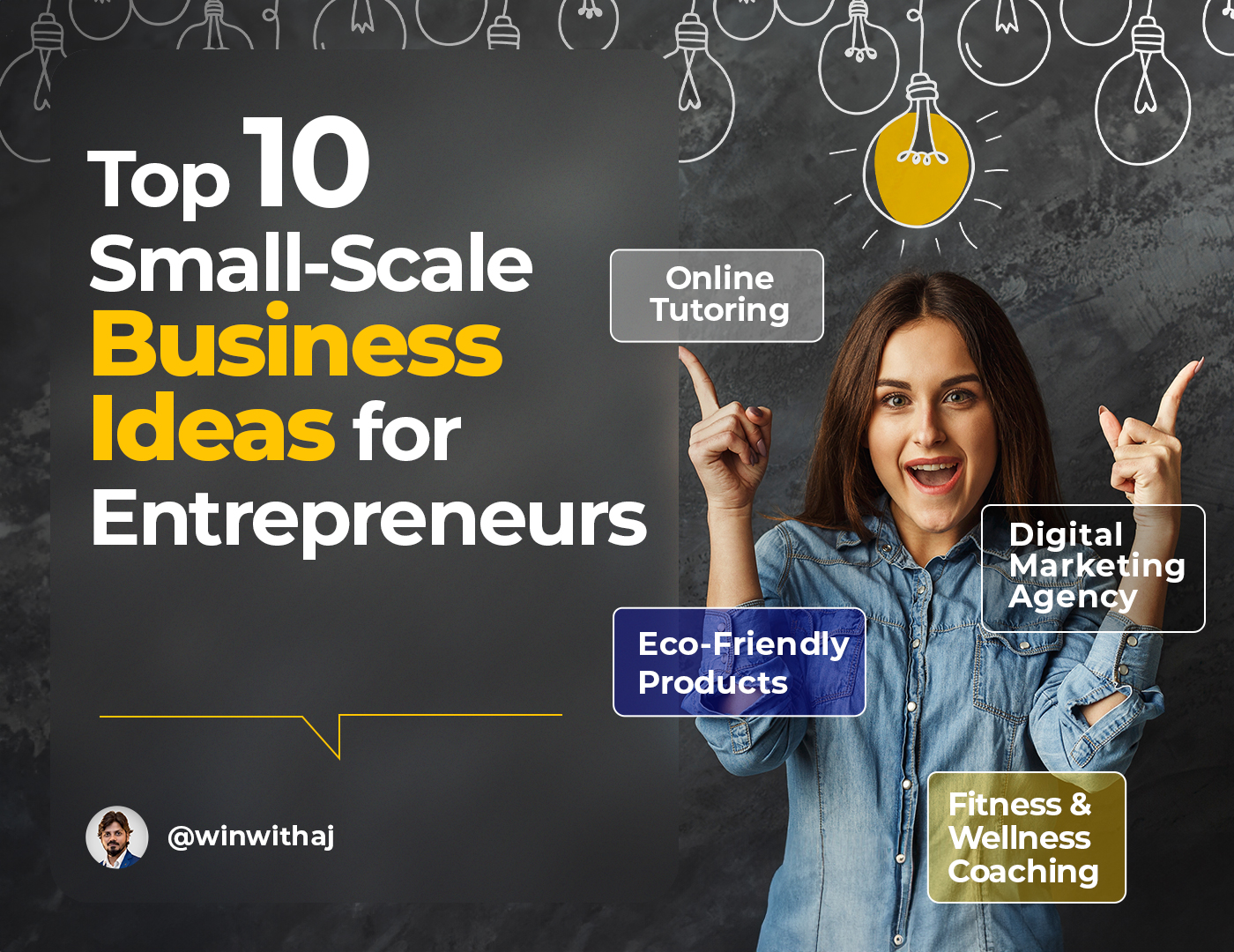
Launching a venture from a residential setting no longer means managing a modest side hustle or a low-impact freelance gig. Today, modern at-home entrepreneur ideas are fundamentally reshaping the small business landscape, driven by cloud infrastructure, specialized digital marketplaces, and a shift toward flexible, localized operations. Operating a enterprise from a spare room, garage, or dedicated home office allows founders to minimize overhead while building scalable, high-margin commercial entities that rival traditional storefronts.
The Evolution of the Home-Based Enterprise
The modern home-based enterprise bears little resemblance to the traditional cottage industries of the past. Advances in high-speed fiber internet, enterprise resource planning (ERP) software, automated logistics, and global payment gateways have leveled the playing field. Solopreneurs and lean founding teams can now manage international supply chains, deliver high-tier consulting, or manufacture specialty goods entirely from a residential address.
This structural shift alters how small businesses compete. Without the burden of commercial lease payments, property taxes, and lengthy utility contracts, at-home entrepreneurs can direct capital toward product development, targeted digital marketing, and research. Consequently, many industries—from specialized digital services to artisanal manufacturing—now see their most disruptive innovations originating from kitchen tables and converted guest rooms.
1. Niche Digital Consulting and Specialized Agency Services
The demand for hyper-focused, agile professional services has created an ideal environment for home-based knowledge entrepreneurs. Rather than working within large, bureaucratic agencies, experts in fields such as search engine optimization (SEO), data privacy compliance, fractional human resources, and artificial intelligence integration are building lucrative agencies from home offices.
Operational Mechanics and Setup
Establishing a digital consulting agency requires minimal physical infrastructure: a secure computer, encrypted cloud storage, high-speed connectivity, and professional communication tools. However, success depends heavily on intellectual property, verified credentials, and strategic networking. Entrepreneurs in this space often leverage platforms like LinkedIn, industry forums, and specialized freelance networks to acquire high-value B2B clients.
- Prerequisites: Deep domain expertise, professional indemnity insurance, and a robust digital portfolio.
- Startup Costs: Typically low ($500 to $2,000 for software subscriptions, legal entity formation, and branding).
- Revenue Model: Retainer agreements, project-based fees, or hourly advisory billing.
2. Artisanal E-Commerce and Micro-Manufacturing
Consumer demand for authentic, locally produced, and sustainably sourced goods has fueled the growth of home-based micro-manufacturing. Utilizing compact production tools—such as desktop 3D printers, laser cutters, industrial sewing machines, or small-batch cosmetic formulation stations—at-home creators are turning hobbies into scalable product lines.
Scaling Without a Warehouse
While manufacturing at home introduces spatial and zoning considerations, modern inventory management software and third-party logistics (3PL) providers make it possible to scale efficiently. Entrepreneurs can craft or assemble products domestically and utilize fulfillment centers or direct carrier pickups to handle distribution, effectively bridging the gap between handmade craftsmanship and automated retail.
- Prerequisites: Compliance with local cottage industry laws, health and safety regulations (especially for consumables or topicals), and commercial liability insurance.
- Startup Costs: Moderate to high ($2,000 to $10,000+ for equipment, raw materials, and initial packaging inventory).
- Revenue Model: Direct-to-consumer (D2C) online sales via marketplaces like Etsy, Shopify, or specialized boutique storefronts.
3. Specialized Virtual Education and Digital Course Creation
The global shift toward remote learning has normalized digital education, enabling educators, practitioners, and industry veterans to package their knowledge into scalable digital assets. Creating online academies, cohort-based bootcamps, or pre-recorded masterclasses allows entrepreneurs to monetize their expertise without trading hours for dollars directly.
Overcoming the Content Saturation Challenge
Because the barrier to entry in digital education is low, differentiation is critical. Successful home-based education entrepreneurs focus on hyper-niche subjects—such as software-specific engineering workflows or regulatory compliance training for specific sectors—and couple their courses with live community support, accountability coaching, and accredited certifications.
- Prerequisites: Instructional design capability, reliable audio-visual recording equipment, and learning management system (LMS) hosting.
- Startup Costs: Low to moderate ($1,000 to $3,000 for studio equipment, editing software, and hosting platforms).
- Revenue Model: One-time course purchases, monthly membership subscriptions, or enterprise licensing.
4. Specialized Content Production and Micro-Media Networks
Modern media consumption habits have shattered the monopoly of traditional broadcasting. Independent creators are building profitable micro-media networks from home studios, producing specialized podcasts, newsletters, and video series that cater to dedicated, highly engaged audience segments.
Monetizing Attention Through Diverse Streams
Unlike traditional advertising models that rely solely on high-volume page views, home-based media entrepreneurs often monetize through multi-channel strategies. These include premium subscription tiers (via platforms like Substack or Patreon), high-ticket sponsorships, affiliate partnerships, and digital product sales, turning audience trust into a sustainable revenue engine.
- Prerequisites: High-quality microphones, cameras, acoustic treatment, and consistent publishing schedules.
- Startup Costs: Moderate ($1,500 to $5,000 for professional-grade recording gear and lighting).
- Revenue Model: Sponsorships, paywalled content subscriptions, and affiliate commissions.
5. Eco-Friendly Residential Services Coordination
While the service sector often requires field execution, many modern home-based entrepreneurs operate as the digital and administrative hubs for specialized residential services, such as green home retrofitting, sustainable landscaping management, or smart-home automation coordination.
The Hub-and-Spoke Operational Model
In this model, the entrepreneur manages client acquisition, scheduling, quoting, and customer service from a home office, while contracting out the physical labor to vetted technicians or building strategic partnerships with local tradespeople. This approach eliminates the need for commercial office space while scaling a service-oriented business across an entire metropolitan area.
- Prerequisites: Industry certifications, robust field service management software, and comprehensive commercial liability policies.
- Startup Costs: Low to moderate ($1,000 to $4,000 for software licenses, permits, and digital marketing).
- Revenue Model: Service project fees, recurring maintenance contracts, or referral commissions.
6. Remote Bookkeeping, Tax Preparation, and Virtual CFO Services
Financial administration remains an essential, non-negotiable operational requirement for every small business. As regulatory frameworks evolve and accounting software becomes increasingly sophisticated, remote financial professionals are stepping in to provide fractional bookkeeping, tax preparation, and virtual Chief Financial Officer (CFO) services entirely from home.
Security and Trust as Competitive Advantages
Operating a financial services firm remotely requires stringent data security protocols. Successful at-home accounting entrepreneurs invest in bank-grade encryption, multi-factor authentication, and secure client portals to ensure compliance with privacy regulations such as GDPR or the Gramm-Leach-Bliley Act (GLBA).
- Prerequisites: Professional certifications (such as CPA, EA, or certified bookkeeper designations), professional liability (errors and omissions) insurance.
- Startup Costs: Low ($500 to $1,500 for secure software subscriptions and professional accreditation fees).
- Revenue Model: Monthly recurring retainers for bookkeeping and tiered pricing for advisory services.
7. Sustainable Resale, Curation, and Upcycling
The circular economy has transformed secondhand retail from a niche hobby into a major economic force. Home-based entrepreneurs specializing in the curation, restoration, and resale of vintage furniture, designer apparel, or specialized industrial equipment are capitalizing on consumer demand for sustainable, high-quality goods.
Logistics and Quality Assurance at Scale
Success in home-based resale hinges on efficient sourcing, accurate digital cataloging, and reliable logistics management. Entrepreneurs utilize specialized inventory tools and established secondary marketplaces to reach global buyers, turning residential garages and basements into staging areas for circular commerce.
- Prerequisites: Keen eye for product valuation, storage space, and familiarity with regional shipping logistics for oversized or delicate items.
- Startup Costs: Low to moderate ($500 to $3,000 for initial inventory acquisition and shipping supplies).
- Revenue Model: Product markup margins on peer-to-peer marketplaces and boutique e-commerce sites.
Comparing Home-Based Entrepreneur Models
Evaluating which business model aligns with your skills, capital, and spatial constraints requires a clear comparison of startup requirements, scalability, and operational overhead.
| Business Model | Primary Startup Cost | Technical Barrier | Scalability Potential | Primary Operational Risk |
|---|---|---|---|---|
| Niche Digital Consulting | Low ($500 - $2,000) | High | Moderate (Time-constrained) | Client concentration and churn |
| Artisanal E-Commerce | Moderate ($2,000 - $10,000+) | Moderate | High (With fulfillment partners) | Supply chain disruptions and inventory cost |
| Virtual Education | Low ($1,000 - $3,000) | Moderate | Very High (Zero marginal cost) | Content piracy and audience saturation |
| Micro-Media Networks | Moderate ($1,500 - $5,000) | Moderate | High | Algorithm changes and ad-market shifts |
| Eco-Services Coordination | Low ($1,000 - $4,000) | Low | High (Subcontractor network) | Labor quality control and liability |
| Virtual Accounting & CFO | Low ($500 - $1,500) | Very High | Moderate | Data security breaches and compliance errors |
| Sustainable Resale | Low ($500 - $3,000) | Low | Moderate (Sourcing dependent) | Inconsistent inventory flow and shipping damage |
Frequently Asked Questions
Do I need a formal business license to run an enterprise from home?
Yes. Operating a commercial venture from a residential address typically requires a general local business license, and you may need to check municipal zoning laws to ensure your specific business activity is permitted in a residential zone. Home-based food production, childcare, and manufacturing often require specialized health, safety, and environmental permits.
How do I separate personal and business finances as a home-based founder?
You should establish a dedicated business checking account and obtain an Employer Identification Number (EIN) or equivalent tax identifier immediately upon launching. Never commingle personal funds with business revenue, as doing so can pierce the corporate veil of a Limited Liability Company (LLC) or corporation, exposing your personal assets to business liabilities.
What insurance coverage do home-based businesses require?
Standard homeowner's or renter's insurance policies almost universally exclude coverage for business-related equipment, inventory, and liability claims. At-home entrepreneurs typically need a Business Owner's Policy (BOP) or commercial general liability insurance, alongside specialized riders for business property stored on the premises.
Can I claim home office tax deductions for my business?
In many jurisdictions, including the United States, you can claim a home office deduction if a specific area of your home is used exclusively and regularly for conducting business. Consult a certified public accountant (CPA) to determine whether the simplified or regular method aligns with your local tax authority guidelines.
Practical Next Actions for Aspiring Founders
Transitioning from an idea to an operational home-based business requires a methodical, step-by-step approach:
- Validate Market Demand: Before investing capital in equipment or software, conduct customer interviews, analyze competitor pricing, and test your product or service offering on a small scale.
- Ensure Regulatory Compliance: Check local zoning laws, secure necessary permits, and register an appropriate legal entity (such as an LLC or sole proprietorship) to protect personal assets.
- Establish Secure Infrastructure: Set up dedicated business banking, secure cloud storage, and reliable communication channels to maintain professional standards from day one.
- Draft a Lean Operating Plan: Define your pricing strategy, customer acquisition channels, and scaling milestones to ensure long-term viability without incurring unnecessary debt.