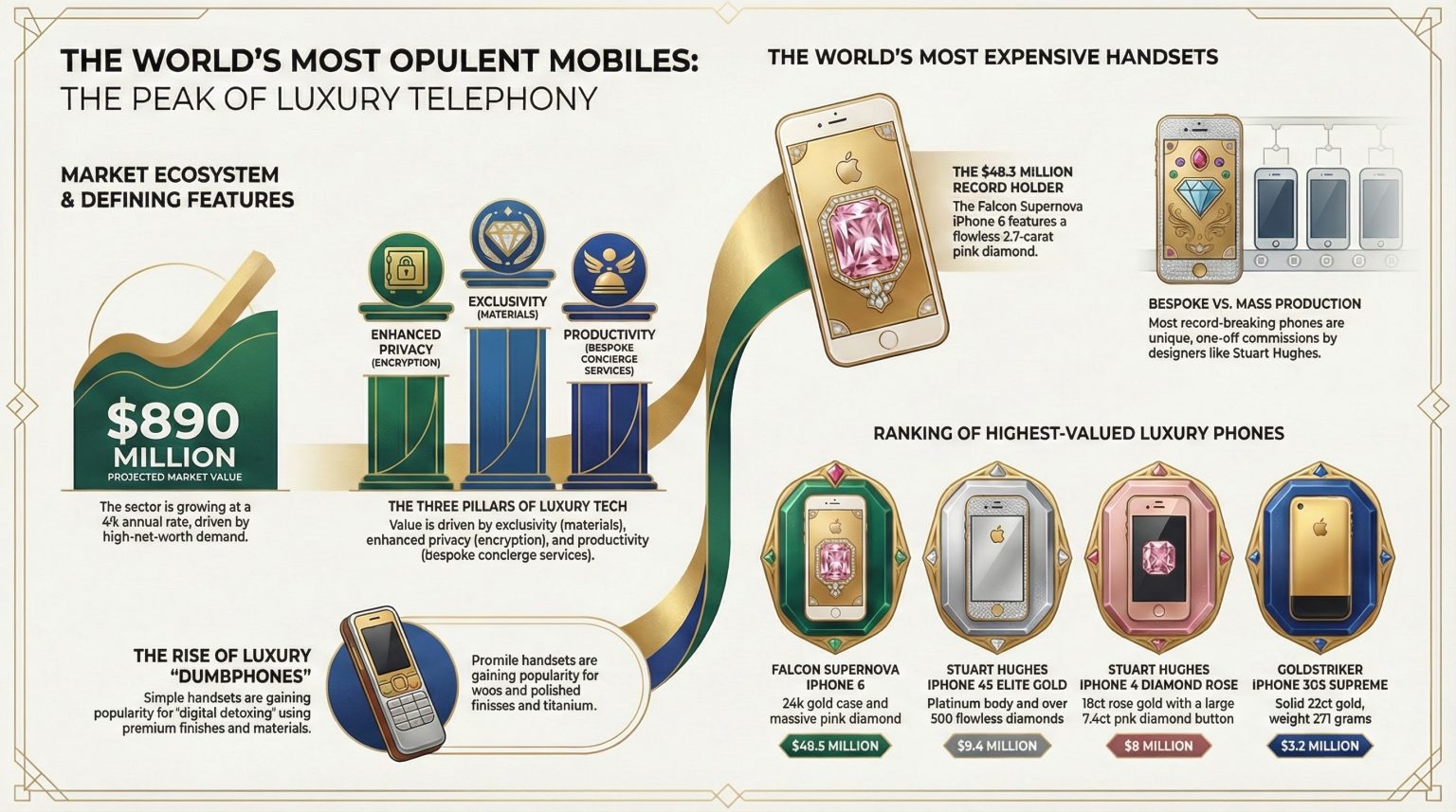
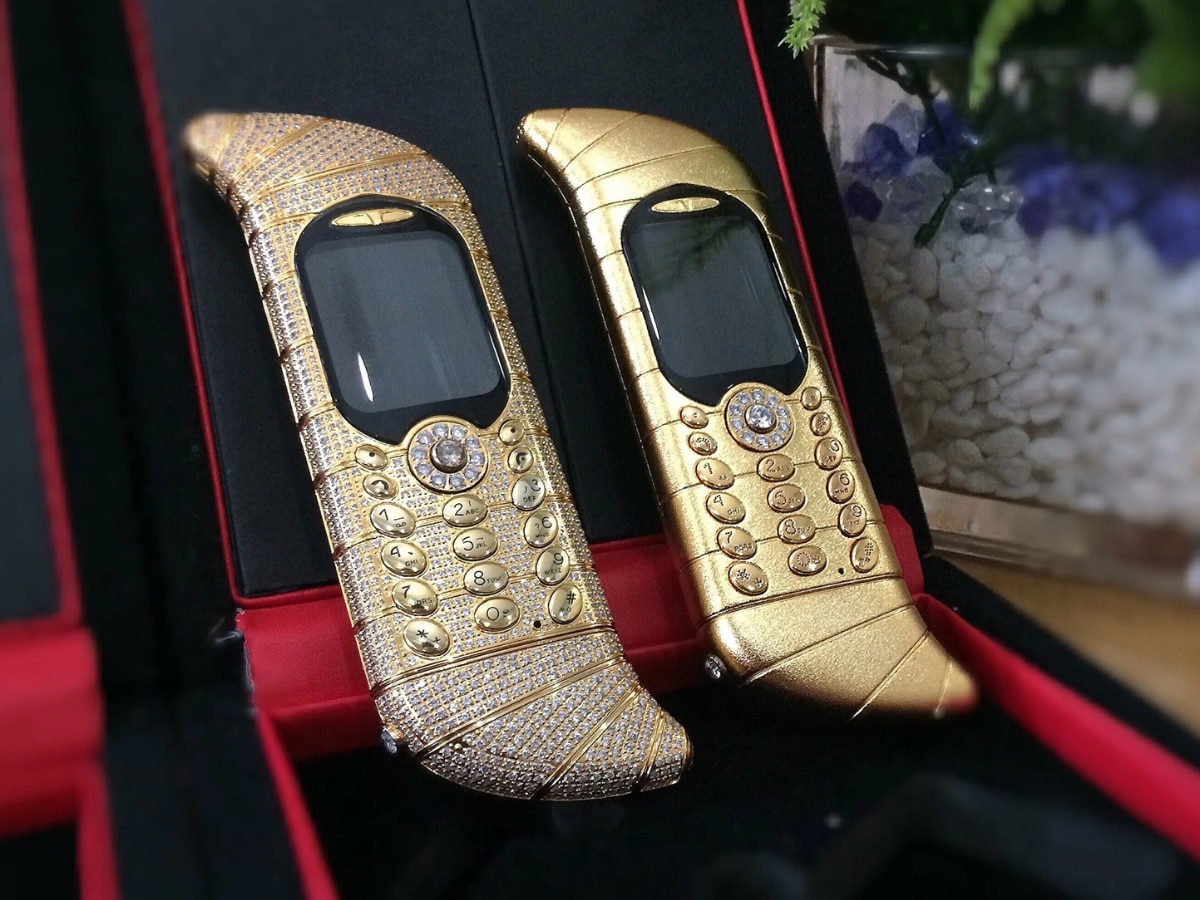
The year 2018 represented a fascinating transition point for ultra-premium and bespoke mobile devices, a period when traditional luxury craftsmanship intersected with rapidly evolving smartphone technology. Five distinct ultra-luxury smartphones defined this era, catering to an elite demographic that prioritized exclusive materials, bespoke concierge services, and status-driven design over mere processing benchmarks. These devices established benchmarks for how high-end manufacturers could customize mass-production internal hardware into unique status symbols.
The Evolution of Ultra-Luxury Mobile Technology in 2018
The luxury smartphone market occupies a unique intersection of consumer electronics, high-end jewelry, and bespoke automotive engineering. Unlike mainstream flagships that compete on megapixels, screen refresh rates, and benchmark scores, luxury phones in 2018 focused on tactile experience, material rarity, and personalized human services.
By 2018, the industry had moved past simple gold-plated conversions of mainstream devices. Instead, specialized manufacturers and elite internal divisions of major tech corporations began engineering custom chassis, deploying proprietary software security layers, and integrating physical concierge triggers directly into the device hardware. Buyers of these devices were not merely purchasing a communication tool; they were acquiring an exclusive membership, an art piece, and a statement of personal achievement. Understanding how these five specific devices defined 2018 requires examining their design philosophies, manufacturing challenges, and target audiences.
1. Vertu Aster P: The Pinnacle of Handcrafted British Engineering
Vertu remains the most historically significant name in the luxury mobile space. Even as the original corporate entity faced financial restructuring, the brand's design language and manufacturing ethos culminated in the release of the Vertu Aster P in late 2018. Assembled by hand in England by a single master craftsman whose signature is engraved inside the SIM card tray, the Aster P represented traditional luxury values.
The device featured a grade-5 titanium chassis, sapphire crystal display protection measuring 133 carats, and rear panels wrapped in genuine leather sourced from specialized European tanneries, including alligator and ostrich hides. Mechanically, the Aster P introduced a unique "wing" opening mechanism for the SIM card slot, resembling the gull-wing doors of a supercar.
Technical Specifications and Concierge Integration
While its internal specifications—such as the Qualcomm Snapdragon 660 processor, 6GB of RAM, and 128GB of internal storage—were decidedly mid-range compared to standard 2018 flagships, its software suite justified its price tag, which started around $5,000 and escalated past $14,000 depending on customization.
The Aster P included Vertu’s legendary dedicated ruby key on the side of the device, providing instant, 24/7 access to a personal concierge service. This service could arrange private jet charters, secure reservations at fully booked Michelin-starred restaurants, or dispatch security personnel globally. Furthermore, the device prioritized elite data privacy through encrypted voice and messaging protocols, making it a favorite among diplomats, executives, and high-net-worth individuals.
2. Caviar iPhone Max "Tesla Pioneer": When Tech Billionaires Inspire Custom Art
While Apple never manufactured an official luxury tier above its standard iPhone XS Max in 2018, the ultra-luxury customization market stepped in to fill the void. The most culturally significant custom device of that year was the Caviar iPhone Max "Tesla Pioneer," a modified iPhone XS Max created by the luxury modification brand Caviar.
Priced upwards of $6,000, this device was conceptualized as a tribute to Elon Musk, SpaceX, and Tesla. The rear panel was completely redesigned, replacing the standard glass back with a reinforced titanium plate featuring intricate geometric engravings, gold-plated accents, and a functional solar charging panel integrated directly into the chassis.
The Intersection of Customization and Modern Hardware
Unlike Vertu, which used proprietary internal layouts, Caviar utilized off-the-shelf Apple hardware—leveraging the powerful A12 Bionic chip, the expansive 6.5-inch OLED display, and advanced dual-camera systems. This approach ensured that buyers did not have to sacrifice modern computational performance, battery efficiency, or software updates to own a luxury item.
The inclusion of a solar charging panel was an innovative, albeit largely symbolic, nod to sustainable energy. It captured the zeitgeist of 2018, a time when renewable energy and space exploration captured the imaginations of the global elite. The device appealed directly to Silicon Valley executives, tech venture capitalists, and collectors who viewed traditional gold and diamond plating as antiquated.
3. Porsche Design Huawei Mate RS: Motorsport Aerodynamics Meets Mobile Powerhouse
In 2018, mainstream manufacturers recognized the commercial viability of luxury co-branding. Huawei partnered with Porsche Design to create the Porsche Design Huawei Mate RS, a device that successfully merged high-performance automotive aesthetics with cutting-edge mobile engineering.
Priced at approximately $2,000 for the top-tier 512GB model, the Mate RS was a technological showcase. It featured an asymmetrical curved glass back inspired by the sleek, aerodynamic lines of Porsche sports cars, available in rich black and a striking Porsche-exclusive red.
Cutting-Edge Biometrics and Imaging Performance
Unlike many boutique luxury phones that lagged behind in hardware, the Mate RS was an industry leader. It was one of the very first smartphones to feature an in-display fingerprint scanner alongside a traditional rear-mounted capacitive sensor, offering users dual biometric authentication methods.
Powered by Huawei’s Kirin 970 processor with a dedicated Neural Processing Unit (NPU) for artificial intelligence tasks, and equipped with a Leica triple-camera system, the Mate RS delivered uncompromising performance. It bridged the gap between functional luxury and tech enthusiast desires, proving that an ultra-premium device could lead the market in raw innovation rather than relying solely on precious metals.
4. Tonino Lamborghini Alpha One: Italian Industrial Design and Aggressive Luxury
Drawing inspiration from the legendary sports car heritage of its parent brand, the Tonino Lamborghini Alpha One brought aggressive, unapologetic Italian styling to the 2018 luxury smartphone market. Retailing around $2,450, the device was crafted from "Liquid Metal," a proprietary alloy that offered superior corrosion resistance, high tensile strength, and a distinctive tactile finish compared to standard aluminum or stainless steel.
The rear of the device was wrapped in handmade Italian leather, accented by gold-plated or silver-plated steel elements and dominated by the iconic charging bull logo. The geometric lines, sharp angles, and heavy, industrial feel of the Alpha One made it instantly recognizable in any boardroom.
Audio Excellence and Ergonomic Philosophy
Beyond its striking exterior, the Alpha One placed heavy emphasis on acoustic performance. It featured dual front-facing stereo speakers powered by Dolby Audio processing, providing exceptional audio clarity for media consumption and conference calls.
Under the hood, it ran on a Snapdragon 835 processor with 4GB of RAM and 64GB of expandable storage. While its technical specifications placed it firmly in the upper-mid tier by late 2018 standards, its target market valued its distinct visual identity, robust physical durability, and ergonomic design, which was sculpted to fit comfortably in the palm despite its angular appearance.
5. Sirin Labs Finney: The Blockchain-Centric Luxury Secure Device
The final device that defined the luxury and specialized mobile landscape of 2018 was the Sirin Labs Finney. While Sirin Labs had previously targeted the ultra-elite with its $14,000 Solarin smartphone in 2016, the Finney—launched in late 2018 following a successful crowdfunding campaign—shifted focus toward high-net-worth cryptocurrency investors, traders, and blockchain enthusiasts. Priced around $1,000, it occupied a more accessible tier of luxury while offering unprecedented hardware security.
The Finney’s defining feature was its secondary, slide-out "SafeScreen" display. This mechanical slider housed an integrated cold-storage cryptocurrency wallet, allowing users to store digital assets completely offline, isolated from the phone's primary Android operating system to prevent hacking and malware attacks.
Security Architecture and Market Significance
The device was encased in a sleek aluminum and Gorilla Glass body, reflecting a modern, minimalist luxury aesthetic tailored to the tech-savvy crypto elite. It featured a Snapdragon 845 processor, 6GB of RAM, and 128GB of storage.
The Finney defined 2018 because it captured the cultural peak of the initial cryptocurrency boom. It proved that luxury in the modern era was shifting away from simple displays of wealth—such as heavy gold plating and diamonds—toward data sovereignty, financial privacy, and elite technological utility.
Comparative Overview of 2018 Luxury Smartphones
| Device Name | Primary Material Base | Estimated 2018 Launch Price | Core Differentiator / USP | Target Audience |
|---|---|---|---|---|
| Vertu Aster P | Titanium, Sapphire, Alligator Leather | $5,000 – $14,000+ | 24/7 Live Concierge & Handmade British Assembly | Diplomats, Traditional Luxury Collectors |
| Caviar iPhone Max "Tesla Pioneer" | Titanium, Gold Plating, Solar Panel | $6,000+ | Custom Art Design & Integrated Solar Charging | Tech Entrepreneurs, Silicon Valley Executives |
| Porsche Design Huawei Mate RS | Curved Glass, Aluminum Alloy | ~$2,000 | In-Display Fingerprint Sensor & Leica Triple Camera | Motorsport Enthusiasts, Tech Power Users |
| Tonino Lamborghini Alpha One | Liquid Metal, Italian Leather | ~$2,450 | Aggressive Italian Industrial Design & Dolby Audio | Executive Professionals, Sports Car Owners |
| Sirin Labs Finney | Aluminum, Gorilla Glass, SafeScreen | ~$1,000 | Built-in Cold Storage Crypto Wallet & Hardware Security | Cryptocurrency Investors, Security-Focused Executives |
Maintenance, Care, and Practical Considerations
Owning a luxury smartphone from 2018 requires a specialized approach to maintenance and hardware preservation. Unlike mass-market glass-and-plastic devices that users replace every two years, luxury devices are often viewed as long-term investments or collector's items.
Material Upkeep
Leather components on devices like the Vertu Aster P and Lamborghini Alpha One require periodic conditioning with specialized leather balms to prevent drying and cracking from hand oils. Precious metals, such as gold plating or polished titanium, are susceptible to micro-scratches and require microfiber cleaning cloths rather than abrasive chemical solvents. Furthermore, sapphire crystal displays, while exceptionally resistant to scratching, can still fracture under severe point-impact drops due to their crystalline structure.
Software and Longevity Limitations
Because luxury manufacturers produce devices in extremely small batches, long-term software support often lags behind mainstream tech giants like Apple or Samsung. Devices running customized versions of Android from 2018 frequently stopped receiving operating system updates after one or two years. Users must balance the aesthetic and status value of these phones against potential software obsolescence and application compatibility challenges in modern digital environments.
Frequently Asked Questions
Why were 2018 luxury phones often behind in raw technical specifications?
Luxury manufacturers prioritize artisanal craftsmanship, bespoke materials, proprietary security chips, and human concierge services over rapid silicon iteration. Designing custom titanium chassis, hand-stitching leather panels, and developing secure hardware enclaves requires months of engineering, meaning internal processors are often finalized before standard mass-market flagships are released.
Can luxury smartphones from 2018 still be used effectively today?
While basic communication, messaging, and media consumption functions remain operational, performance limitations and outdated security patch levels mean these devices are best utilized as secondary statement pieces, collector's items, or secure communication nodes rather than primary daily drivers.
What happened to the Vertu brand after 2018?
Vertu underwent multiple ownership changes, corporate restructurings, and liquidations throughout the late 2010s. Despite corporate shifts, the brand maintains a dedicated following among collectors, and its historical devices, including the Aster P, remain prized examples of ultra-luxury mobile craftsmanship.
How do custom modded phones like Caviar differ from factory luxury brands like Vertu?
Factory luxury brands like Vertu design their devices entirely from scratch using proprietary architecture, custom motherboards, and integrated concierge keys. Custom modification houses like Caviar take mass-production flagship devices—such as Apple iPhones or Samsung Galaxies—and rebuild the exterior casing with precious metals and unique artistic elements while leaving the internal electronics untouched.
Were 2018 luxury phones waterproof?
Most boutique luxury phones from 2018 lacked official IP68 water and dust resistance ratings. Because these devices were assembled by hand using mechanical screws, leather backing, and complex moving parts like the Vertu's SIM wing, maintaining airtight water resistance seals was secondary to tactile luxury and material authenticity.
Conclusion and Next Actions
The luxury smartphones that defined 2018 proved that mobile technology could transcend utilitarian electronics to become expressions of personal identity, status, and engineering art. Whether through the uncompromising British hand-assembly of the Vertu Aster P, the automotive inspiration of the Porsche Design Mate RS, or the blockchain-focused security of the Sirin Labs Finney, these devices mapped out the boundaries of elite mobile design. For collectors and enthusiasts seeking to explore this niche, examining historical auction listings, verifying material authenticity certificates, and understanding software limitations are essential preliminary steps before acquiring a piece of mobile history.