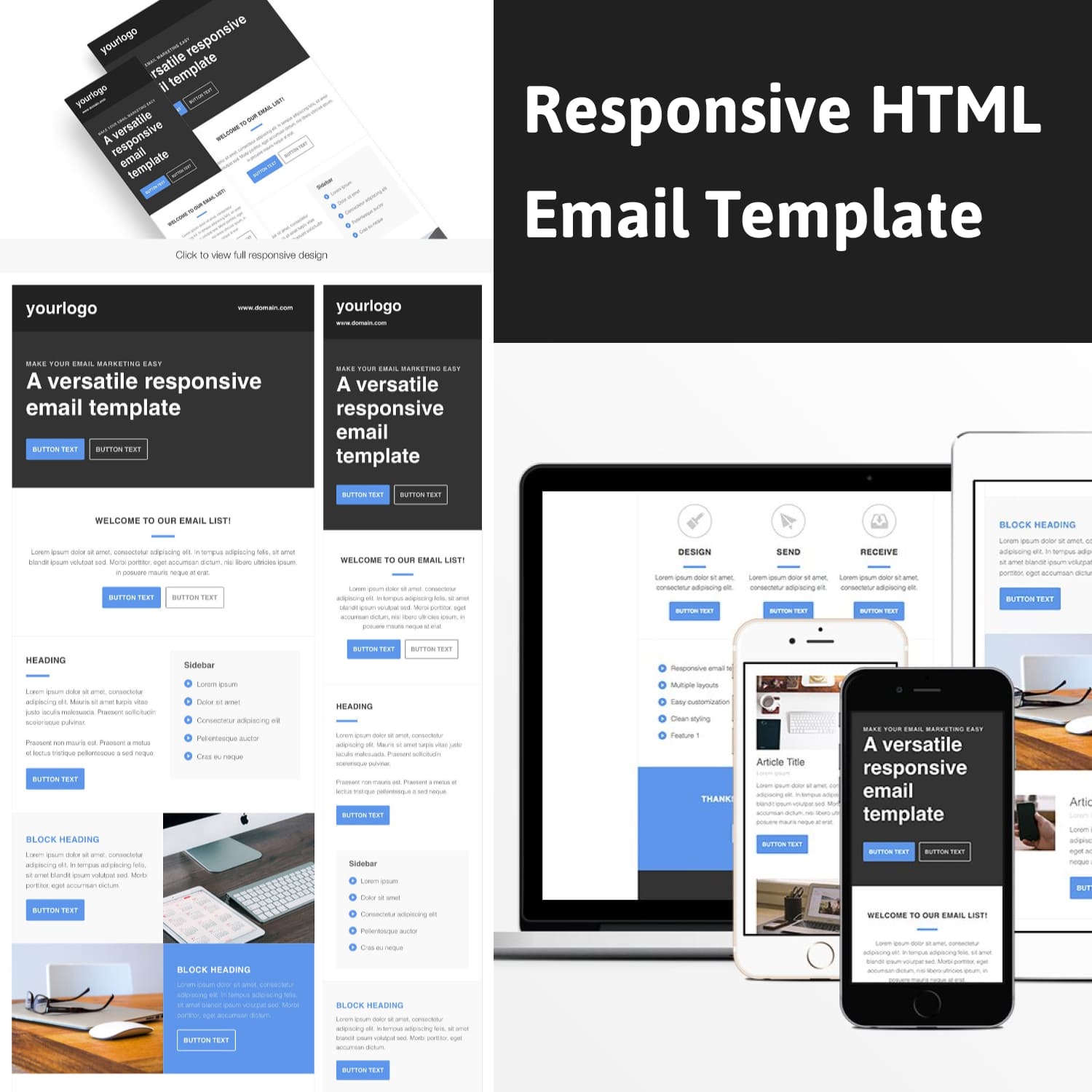
Successful email marketing templates balance personalized value with a clear call-to-action. By utilizing specific structures for welcome series, cart recovery, educational content, re-engagement, and product launches, businesses can automate their communication while maintaining a high level of engagement and conversion across diverse audience segments.
The Evolution of Email Marketing Templates in 2026
In 2026, email marketing has moved far beyond static layouts and generic "blast" messaging. The most effective templates today are those that integrate hyper-personalization through AI-driven data and prioritize user experience across various devices and dark mode settings. While the aesthetic design of an email is important, the structural logic—how information is tiered and how the call-to-action (CTA) is presented—determines the actual success of the campaign.
Before implementing any template, it is essential to understand that a template is merely a skeleton. Its effectiveness relies on the quality of your underlying data and your adherence to modern deliverability standards. Ensuring your technical setup includes properly configured SPF, DKIM, and DMARC records is a prerequisite for these templates to even reach the inbox. Furthermore, with the maturation of privacy laws and "hide my email" features, templates must now focus on building immediate trust to prevent being flagged as spam or ignored.
1. The High-Conversion Welcome Sequence Template
The welcome email is arguably the most critical piece of real estate in your marketing funnel. Statistics consistently show that welcome emails have the highest open rates—often exceeding 60%—because they arrive at the peak of the user's interest.
Why This Template Works
This template works because it leverages the psychological principle of "recency." The user has just interacted with your brand, and they are expecting a response. A successful welcome template does three things: it confirms the subscription, delivers the promised value (like a lead magnet or discount), and sets expectations for future communication.
The Structure
- The Hook: A warm greeting that acknowledges the specific action the user took (e.g., "Welcome to the community" or "Here is your guide").
- The Value Delivery: A prominent button or link to the resource they signed up for.
- The "Why": A brief 2-3 sentence summary of what your brand stands for and what the subscriber can expect to receive in their inbox (e.g., weekly tips, exclusive sales).
- The Soft CTA: Instead of a hard sell, ask a question to encourage a reply, which improves your sender reputation.
Implementation Tip
In 2026, use dynamic blocks within your welcome template to show different content based on the sign-up source. A user who signed up via a blog post about SEO should see a different welcome message than one who signed up via a product webinar.
2. The Abandoned Cart Recovery Template
Cart abandonment remains a multi-billion dollar challenge for e-commerce. A well-structured recovery template serves as a gentle reminder rather than a high-pressure sales tactic.
Why This Template Works
It addresses the friction points that prevented the purchase. Whether it was a technical glitch, a distraction, or "sticker shock" regarding shipping costs, the recovery email provides a path back to the checkout page. In 2026, these templates often include live inventory updates and dynamic pricing to create authentic urgency.
The Structure
- The Visual Reminder: A dynamic image of the exact item left in the cart.
- The Low-Friction Copy: Phrases like "Did you forget something?" or "We saved your bag" work better than "Buy this now."
- Social Proof: A one-sentence testimonial from another customer who bought the same item.
- The Direct Link: A large, high-contrast button that takes the user directly back to a pre-filled checkout page.
Technical Requirement
To make this work, your email service provider (ESP) must be deeply integrated with your e-commerce platform (like Shopify or Magento). This allows for the "Deep Link" functionality, which skips the cart page and goes straight to payment, reducing the number of clicks required.
3. The Educational "Value-First" Newsletter Template
The educational template is designed for long-term brand building. It is not intended to sell immediately but to establish your brand as an authority in your niche.
Why This Template Works
It respects the "Rule of Seven," which suggests a prospect needs to see your brand multiple times before making a purchase. By providing consistent value without asking for anything in return, you build a "reciprocity" bank with your subscribers. When you finally do make an offer, they are much more likely to accept it because of the trust established.
The Structure
- The Editorial Lead: A short, insightful commentary on a current industry trend (relevant to 2026).
- The "How-To" Content: A bulleted list or a short paragraph explaining a specific solution to a common pain point.
- Curated Links: 2-3 links to external high-quality resources, showing that you are a helpful curator, not just a self-promoter.
- The Passive CTA: A link in the footer or a P.S. section that mentions your primary service or product as a way to "dive deeper."
Avoiding Common Mistakes
Do not make these emails too long. In 2026, with the prevalence of mobile reading and AI-summarization tools, concise, scannable content with clear headings is vital. If your educational content is a 2,000-word essay, link to a blog post instead of putting the whole text in the email.
4. The Re-engagement (Win-back) Template
List hygiene is crucial for deliverability. The re-engagement template is a "hail mary" to win back subscribers who haven't opened an email in 90 days or more.
Why This Template Works
It forces a decision. It essentially says, "We noticed you're not interested; should we stay or should we go?" This is often referred to as the "break-up email." Even if the user unsubscribes, it benefits you by cleaning your list and improving your overall open rates and sender score with ISPs like Gmail and Outlook.
The Structure
- The Honest Subject Line: "Is it over?" or "Should we stop emailing you?"
- The "Why We’re Writing" Paragraph: Acknowledge their inactivity and offer a reason for them to stay (e.g., "We’ve updated our content to focus more on [Topic]").
- The Incentive: Sometimes, a "we miss you" discount or an exclusive piece of content can reignite interest.
- The Binary Choice: Two clear buttons: "Yes, keep me on the list" and "No, unsubscribe me."
Strategic Insight
If they don't click either button within 7 days, they should be automatically moved to a "suppression list." Keeping unengaged users on your main list in 2026 is a fast track to the spam folder.
5. The Promotional/Product Launch Template
When it is time to sell, the promotional template must be focused, urgent, and benefit-driven. This is the template used for Black Friday, new product drops, or seasonal clearances.
Why This Template Works
It uses the "Inverted Pyramid" model. The most important information (the offer) is at the top, followed by the supporting details (the benefits), and ending with a sharp point (the CTA).
The Structure
- The Hero Image: A high-quality visual of the product or the "result" of using the service.
- The Headline: A bold statement of the primary benefit or the specific discount (e.g., "Save 30% on the New 2026 Framework").
- The Scarcity Element: A countdown timer or a "limited stock" notice.
- The CTA: A single, unmistakable button. Avoid having multiple competing CTAs in a promotional email; give the user one clear path.
Comparing Template Performance and Use Cases
The following table compares the five template types based on their primary goals and typical performance metrics observed in 2026 marketing environments.
| Template Type | Primary Goal | Average Open Rate | Complexity | Best Frequency |
|---|---|---|---|---|
| Welcome Sequence | Brand Introduction | 60% - 85% | Low | Once per user |
| Abandoned Cart | Revenue Recovery | 40% - 50% | High (Technical) | Triggered by action |
| Educational | Trust & Authority | 25% - 35% | Medium | Weekly / Bi-weekly |
| Re-engagement | List Hygiene | 10% - 20% | Low | Every 3-6 months |
| Promotional | Immediate Sales | 15% - 25% | Medium | Seasonal / Occasional |
Best Practices for Email Design in 2026
To ensure these templates actually "work," you must adhere to the technical and design standards of 2026.
1. Dark Mode Optimization
Over 70% of users now view emails in dark mode. If your template uses "hard-coded" white backgrounds or non-transparent PNGs with white borders, your email will look broken. Use transparent images and CSS media queries to ensure colors invert gracefully.
2. Accessibility (A11y)
Email accessibility is no longer optional; it is a legal and ethical requirement. Your templates should use:
- Logical Heading Structure: Use
throughtags properly. - Alt Text: Every image must have descriptive alt text so screen readers can interpret the content.
- Contrast Ratios: Ensure text is legible against the background color.
3. AI-Driven Personalization
Generic "First Name" tags are the bare minimum. In 2026, successful templates use "Predictive Content Blocks." These blocks change based on the user's past browsing behavior on your website. If a user has been looking at "Enterprise" solutions, the template should automatically swap out "Small Business" case studies for "Enterprise" ones.
Frequently Asked Questions
How many emails should be in a welcome sequence?
A welcome sequence should typically consist of 3 to 5 emails. The first email delivers the immediate value, the second introduces the brand story, the third provides helpful resources or "quick wins," and the fourth or fifth introduces your primary product or service. Spreading this out over a week prevents overwhelming the new subscriber.
What is the ideal length for a marketing email?
For promotional and transactional emails, brevity is key—aim for under 200 words. For educational newsletters, you can go longer (up to 500-800 words), provided the content is broken up with clear subheadings, bullet points, and images to allow for easy scanning.
Should I use plain text or HTML templates?
In 2026, the best approach is a "hybrid" or "miminalist HTML" template. While pure plain text can feel personal and often has high deliverability, HTML allows for the tracking and branding necessary for professional marketing. Aim for a design that looks like a personal letter but uses HTML for buttons and layout stability.
How often should I update my email templates?
You should review your core templates (Welcome, Cart Abandonment) at least every six months. Check for broken links, outdated branding, and changes in how email clients render code. Additionally, refreshing the "Social Proof" section with recent testimonials keeps the content feeling current.
Are emojis in subject lines still effective in 2026?
Yes, but they should be used sparingly. One emoji can help a subject line stand out in a crowded inbox, but "emoji stuffing" (using three or more) often triggers spam filters or makes the brand look unprofessional. Always test how specific emojis render across different operating systems.
Practical Recommendation
To begin improving your email marketing performance, start with the Welcome Sequence. Since this sequence has the highest engagement potential, even a 5% improvement in its conversion rate will have a disproportionate impact on your bottom line.
Once your welcome sequence is optimized, audit your Abandoned Cart flow. Ensure that it is technically sound and that the "Direct Link" to checkout is working flawlessly. By focusing on these two high-intent areas first, you create a solid foundation for your educational and promotional efforts. Finally, always perform A/B testing on your subject lines and CTAs to gather data-driven insights specific to your unique audience.