For road trip photographers in 2026, the best Contour products include the Contour+2 for its GPS-enabled data overlays, the ContourROAM3 for rugged waterproofing, and the Rotating Flat Surface Mount for versatile vehicle mounting. Additionally, the 270-degree rotating lens and the ConnectView system remain essential for achieving professional-grade, low-profile captures during long-distance travels.
The Unique Value of Contour for Road Trip Photography
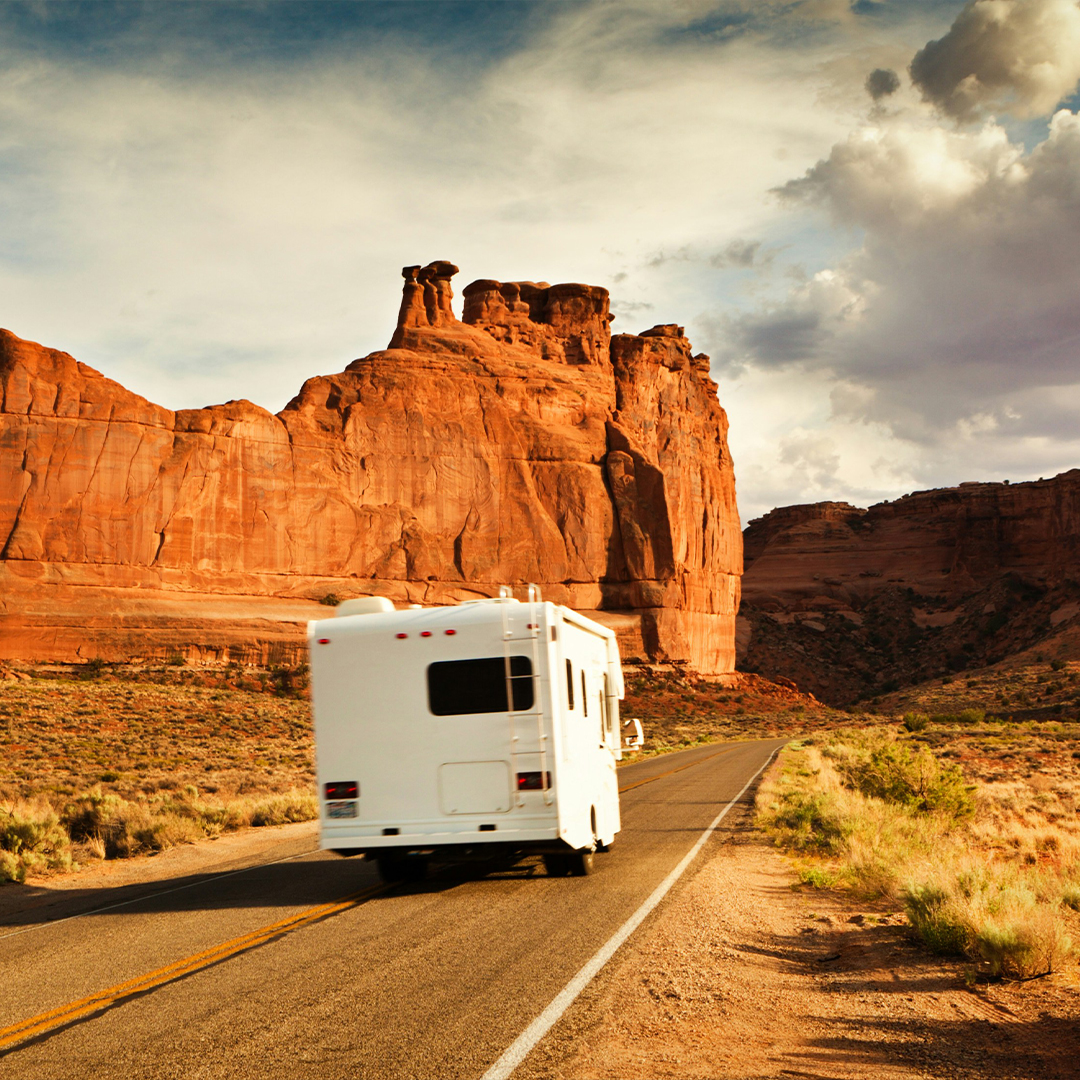
Road trip photography presents a unique set of challenges that traditional DSLRs or boxy action cameras often struggle to meet. When driving through varying climates, from the humid coastlines to the dusty trails of the high desert, equipment must be aerodynamic, resilient, and easy to operate without distracting the driver. The Contour ecosystem, characterized by its signature "bullet" form factor, has carved out a permanent niche for photographers who prioritize a low-profile silhouette and mechanical simplicity.
Unlike cameras that require a separate waterproof housing or complex gimbal setups, Contour products focus on a rail-based mounting system known as the T-Rail. This system allows for immediate attachment to car fenders, helmets, or side mirrors with minimal wind resistance. For the road trip photographer, this means less wind noise in audio recordings and less vibration in the video feed—two critical factors when documenting a journey at highway speeds.
In 2026, the "Contour look" remains highly sought after for its organic color science and the specific way the wide-angle lens handles the horizon. The ability to rotate the lens independently of the camera body is a technical advantage that remains largely unmatched in the action camera market, providing a level of creative freedom essential for capturing the "long road ahead" aesthetic.
1. Contour+2: The GPS-Enabled Flagship
The Contour+2 remains the gold standard for road trip photographers who want to do more than just record images; they want to document the data of their journey. This camera is designed for those who view a road trip as a series of measurable achievements.
Technical Precision and Data Overlay
The standout feature of the Contour+2 is its integrated GPS receiver. In the context of a road trip, this allows the photographer to overlay speed, elevation, and distance onto their footage during post-production. When traveling through mountainous regions or scenic byways, having a visual record of the altitude and velocity adds a documentary layer that standard cameras lack.
The camera captures 1080p high-definition video with a sensor optimized for high-contrast environments. Road trips often involve driving directly into the sun during "golden hour." The Contour+2 handles these lighting transitions by utilizing a fast-reacting exposure algorithm that prevents the road from becoming a white "blown-out" mess while keeping the dashboard or car interior visible.
Versatile Connectivity
Equipped with a ConnectView card, the Contour+2 transforms a smartphone into a wireless viewfinder. For a photographer on the move, this is vital. You can mount the camera to the roof of your vehicle and use your phone to ensure the frame is perfectly aligned before you hit the road. It also features an external microphone jack, which is essential for road trippers who want to record the roar of an engine or provide a clear narrative commentary without the muffled quality of internal mics.
2. ContourROAM3: The Rugged All-Weather Workhorse
If the road trip leads into unpredictable environments—such as the rainy Pacific Northwest or the muddy backroads of the South—the ContourROAM3 is the most reliable companion. Its primary advantage is its "Instant-On" recording switch and its built-in waterproof capabilities.
Built-In Durability
The ContourROAM3 is waterproof up to 30 feet (10 meters) without requiring an external case. For a road trip photographer, this means you can mount the camera to the exterior of a vehicle and drive through a heavy rainstorm or cross a shallow river without a second thought. The aluminum housing acts as a heat sink, preventing the camera from overheating during long summer drives across the desert—a common failure point for plastic-bodied competitors.
Simplified Operation
One of the greatest risks for a road trip photographer is missing a moment because they were fiddling with settings. The ROAM3 solves this with a large, tactile slide switch. Sliding the switch forward both powers the camera on and starts recording instantly. This mechanical certainty is preferred over digital buttons that may or may not have registered a press. The camera also includes a built-in tripod mount (1/4"-20), which allows it to interface directly with standard photography gear without needing an adapter.
3. The 270-Degree Rotating Lens System
While technically a feature of the camera bodies, the Contour Rotating Lens is so fundamental to the photographer's workflow that it is treated as a core "product" or technology of the brand. This feature is the primary reason many photographers refuse to switch to other brands for vehicle-based work.
Achieving the Perfect Horizon
When mounting a camera to the curved surface of a car door, a motorcycle tank, or a slanted roof rack, the camera is rarely sitting perfectly level. With most cameras, this results in a tilted horizon that must be corrected in post-production, leading to a loss of resolution due to cropping.
The Contour lens allows the user to manually rotate the internal sensor up to 270 degrees. This means you can mount the camera sideways or at an awkward diagonal angle and simply twist the front of the lens until the internal laser level (built into the Contour+2 and ROAM series) indicates that the shot is perfectly horizontal. This mechanical solution ensures that 100% of the sensor's resolution is used for the actual image, preserving the highest possible quality for the final road trip edit.
4. Contour Rotating Flat Surface Mount
Mounting is the most critical logistical challenge of road trip photography. The Contour Rotating Flat Surface Mount is the essential hardware that makes exterior vehicle shots possible.
Engineering and Stability
This mount uses a high-strength adhesive base designed to withstand high-velocity wind resistance. Unlike suction cups, which can lose pressure during altitude changes (common on mountain passes), the flat surface mount provides a semi-permanent bond that reduces micro-vibrations.
The "Rotating" aspect of the mount allows for 360-degree horizontal panning. If a photographer wants to switch from a forward-facing "driver's eye" view to a rear-facing "disappearing road" view, they can do so in seconds without unmounting the camera. The T-Rail interface ensures that the camera can be slid off the mount and tucked into a pocket when the photographer stops for gas or food, providing security in unfamiliar locations.
5. Contour Lens Filter Kits and Protection
Road trips expose camera glass to sand, bugs, and road salt. The Contour Lens Filter Kit is the final essential product for the serious road trip photographer, acting as both a creative tool and a protective barrier.
Creative Control and Maintenance
The kit typically includes a Circular Polarizer (CPL). For road trips, a CPL is indispensable; it cuts through the glare on the windshield and deepens the blues of the sky, making landscape footage appear more saturated and professional.
Furthermore, the kit provides replaceable lens shields. When driving at 70 mph, a single stray pebble can crack a camera lens. By using the Contour protective shields, the photographer ensures that the expensive internal optics remain pristine. For long-term travelers, having a pack of these shields is a prerequisite for any journey involving unpaved roads or high-speed interstates.
Comparative Specifications for Contour Products
| Feature | Contour+2 | ContourROAM3 | Rotating Surface Mount |
|---|---|---|---|
| Max Resolution | 1080p @ 30fps / 720p @ 60fps | 1080p @ 30fps | N/A |
| Waterproofing | With Case (included) | Built-in (up to 30ft) | Weatherproof Adhesive |
| GPS Tracking | Yes (Internal) | No | N/A |
| Lens Rotation | 270 Degrees | 270 Degrees | 360-Degree Base |
| Best Use Case | Vlogging / Data Tracking | Extreme Weather / Exterior | High-Speed Mounting |
| Audio | External Mic Jack + Internal | Internal Only | Vibration Dampening |
Best Practices for Road Trip Data Management
Capturing the footage is only half the battle; managing it during a multi-day trip requires a structured approach. Because Contour cameras utilize MicroSD cards, photographers should adhere to the following workflow:
- Card Cycling: Use 128GB or 256GB cards (ensure they are Class 10 or UHS-I for bit-rate stability). Label them by day or by state to keep the narrative organized.
- Power Management: While Contour batteries are long-lasting, the "Instant-On" feature of the ROAM3 consumes very little standby power. For the Contour+2, keeping a 12V car charger connected during "cockpit" shots ensures the battery is always topped off for exterior mounting later.
- Angle Verification: Always use the built-in laser level before starting the car. Vibrations from the engine can make it difficult to adjust the lens once the trip has begun.
- Audio Buffering: When mounting externally, use a "dead cat" or foam windscreen over the internal microphone to reduce wind noise. Even the aerodynamic shape of the Contour cannot entirely eliminate wind buffeting at highway speeds.
Frequently Asked Questions
Can I use modern MicroSD cards in older Contour models?
Yes, most Contour models from the +2 and ROAM3 era support MicroSD cards up to 32GB natively, but with the latest firmware updates available in 2026, many units can handle 64GB or 128GB cards formatted to FAT32. Always check the firmware version to ensure compatibility with high-capacity storage, as this prevents file corruption during long recording sessions.
How does the laser level feature help with road trip photography?
The laser level is a small beam emitted from the front of the camera when the status button is pressed. It projects a horizontal line onto the surface in front of the camera. This allows you to calibrate the 270-degree rotating lens perfectly, ensuring your road trip footage doesn't look tilted, even if the camera is mounted on a curved car fender or a slanted roof rack.
Is the Contour+2 still relevant for 4K workflows?
While the Contour+2 is primarily a 1080p device, its footage is highly "upscalable" due to the high-quality glass and the lack of aggressive digital sharpening found in modern budget 4K cameras. For road trip photographers, the GPS metadata and the ability to record for hours without overheating often outweigh the need for 4K resolution, especially for social media or documentary use.
What is the best mount for a car's dashboard?
The Contour Dashboard Mount or the Rotating Flat Surface Mount are the best choices. The Rotating Flat Surface Mount is generally preferred because it can be used both inside and outside the vehicle. Its low profile prevents it from obstructing the driver's view while providing a stable platform for time-lapse photography of the horizon.
How do I maintain the waterproof seals on the ROAM3?
During a road trip, salt and dust can accumulate around the rear door seal of the ROAM3. It is vital to wipe the rubber gasket with a damp cloth every few days. Avoid using silicone grease unless specified, as the ROAM3's seal is designed for a dry fit. Ensuring this area is clean will maintain its 30-foot waterproof rating throughout the journey.
Final Recommendation for Your Journey
For the photographer embarking on a cross-country journey in 2026, the ideal setup is a dual-camera system. Use the Contour+2 inside the cabin or on the primary mount to capture GPS data and high-quality audio via an external mic. Simultaneously, mount a ContourROAM3 to the exterior of the vehicle for "B-roll" footage, such as wheel-well shots or roof-top panoramas. This combination leverages the technical data-tracking strengths of the flagship model with the indestructible, all-weather reliability of the ROAM series, ensuring that every mile of the road trip is documented with professional precision.