Choosing the best wax for facial hair removal in 2026 requires balancing efficacy with skin safety. The top five options include hard wax for its ability to grip short hairs without pulling the skin, sugaring paste for sensitive and eco-conscious users, pre-waxed strips for maximum convenience, cream-based soft wax for fine vellus hair, and precision wax pens for detailed eyebrow shaping.
Removing facial hair is a delicate process because the skin on the face is significantly thinner and more sensitive than the skin on the rest of the body. In 2026, the technology behind wax formulations has advanced to prioritize lower melting points and higher flexibility, reducing the risk of thermal burns and skin lifting. Whether you are dealing with "peach fuzz" or coarser terminal hairs on the upper lip or chin, selecting the correct medium is the first step toward a successful, irritation-free result.
Understanding the Biology of Facial Hair Removal
To appreciate why certain waxes work better than others, it is essential to understand the nature of facial hair. Most facial hair consists of vellus hair, which is fine, light-colored, and short. However, areas like the chin and upper lip may contain terminal hair, which is thicker and rooted deeper in the follicle.
The facial epidermis is susceptible to "lifting," a painful condition where the top layer of skin is removed along with the wax. This occurs when the wax adheres too strongly to the skin cells rather than just the hair shaft. Modern formulations in 2026 often include lipophilic resins or polymers that are designed to shrink-wrap the hair as they cool, creating a mechanical grip that bypasses the skin.
The Role of Skin Sensitivity and Barrier Health
Before choosing a wax, you must evaluate your current skincare routine. The use of retinoids (Vitamin A derivatives), Alpha Hydroxy Acids (AHAs), or Beta Hydroxy Acids (BHAs) can thin the stratum corneum. If you are using these active ingredients, your skin is at a higher risk for injury during waxing. Professional dermatologists often recommend stopping these treatments at least five to seven days before a waxing session to ensure the skin barrier is sufficiently robust.
1. Hard Wax (Stripless Wax)
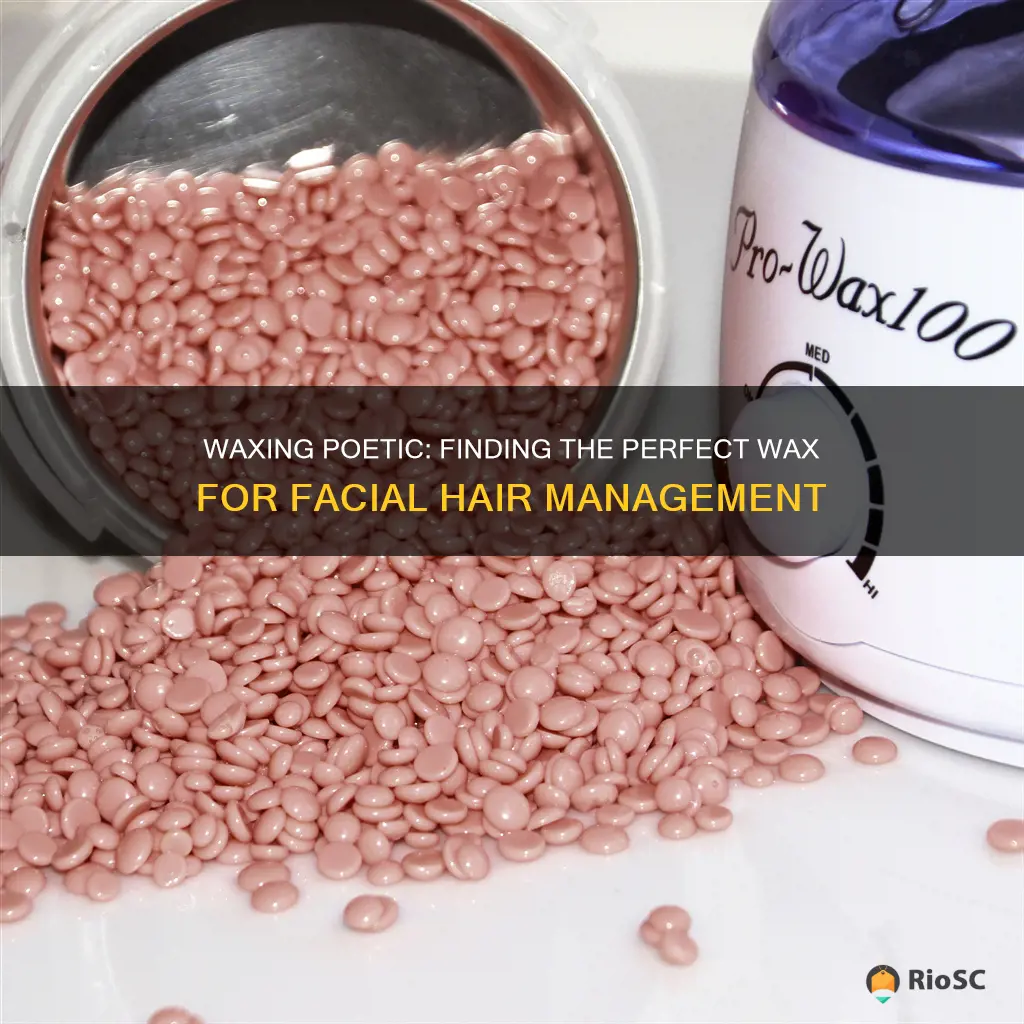
Hard wax remains the gold standard for facial hair removal in both professional and at-home settings in 2026. Unlike soft wax, hard wax is applied in a thick layer, allowed to harden, and then removed without the use of paper or muslin strips.
Why It Is Effective for the Face
Hard wax is unique because it only adheres to the hair, not the skin. As the wax cools, it slightly contracts, "shrink-wrapping" each individual hair. This makes it ideal for sensitive areas like the nostrils, upper lip, and jawline. Because it does not pull at the skin, it significantly reduces the likelihood of redness and irritation.
Key Ingredients to Look For:
- Beeswax or Synthetic Cera Alba: Provides the base and flexibility.
- Rosin (Colophonium): Provides the necessary "stick," though synthetic rosins are preferred for sensitive skin to avoid allergic reactions.
- Titanium Dioxide: Often added to make the wax creamier and gentler on the skin.
Application Nuances
Hard wax must be heated to a specific temperature—usually between 105°F and 125°F. In 2026, many kits come with digital warmers that ensure the temperature never reaches a level that could cause a second-degree burn. It should be applied in the direction of hair growth and removed against it, while keeping the skin extremely taut.
2. Sugaring Paste (The Natural Alternative)
Sugaring is an ancient technique that has seen a massive resurgence in 2026 due to the "clean beauty" movement and its inherent benefits for ultra-sensitive skin. The "paste" is composed of just three ingredients: sugar, lemon juice, and water.
The Mechanical Advantage of Sugaring
Sugaring differs from traditional waxing in its direction of removal. The paste is applied against the direction of hair growth and flicked off in the direction of growth. This method is far less stressful on the hair follicle and significantly reduces the occurrence of ingrown hairs and hair breakage.
Because sugar is water-soluble, cleanup is effortless. If you accidentally apply it to an area you didn't intend to wax (like part of an eyebrow), you can simply wash it off with warm water—a luxury not afforded by resin-based waxes.
Suitability
Sugaring is best for those with eczema, psoriasis, or highly reactive skin. However, it requires more manual dexterity than other methods. The "flicking" motion takes practice to master without causing bruising.
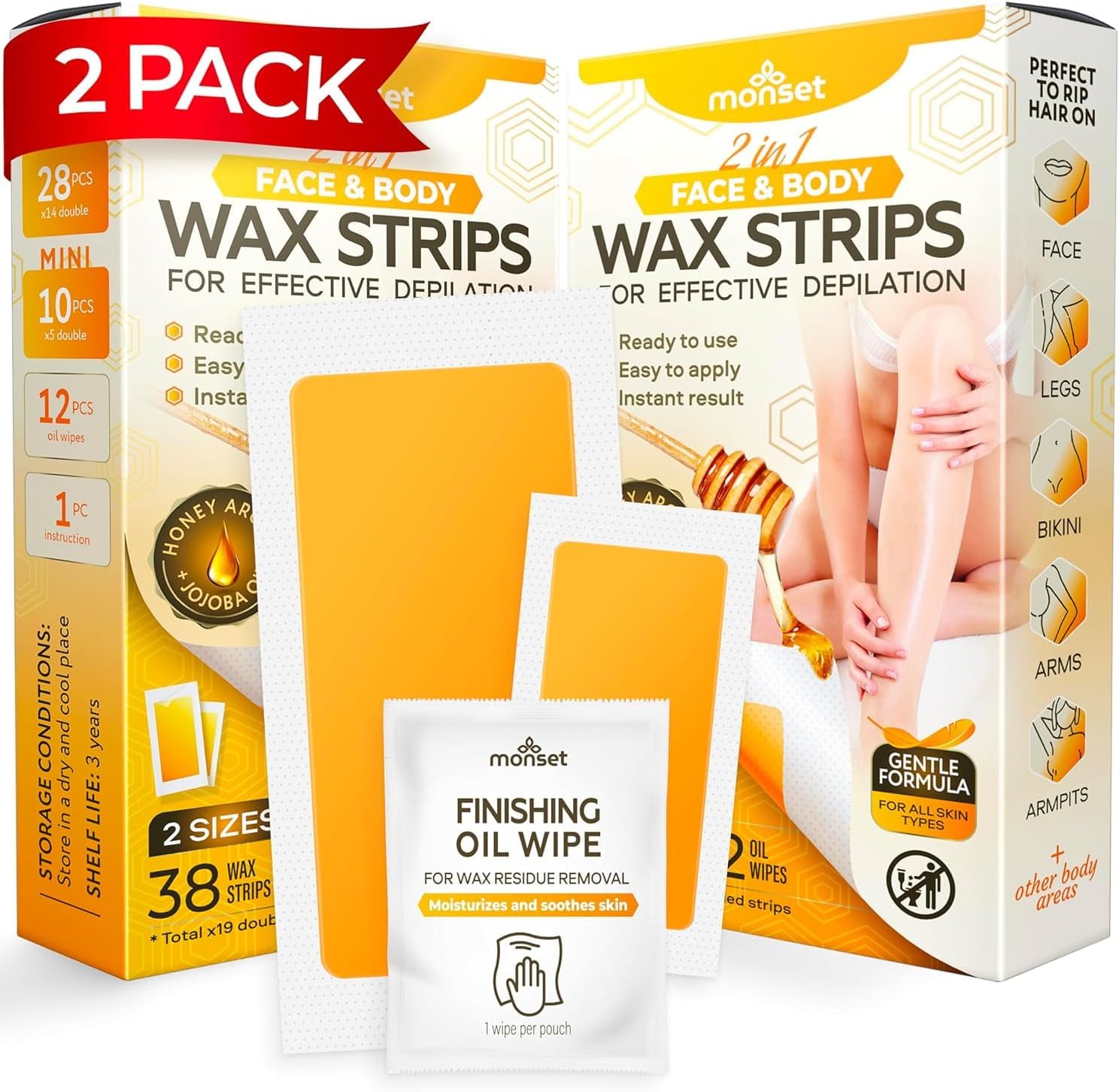
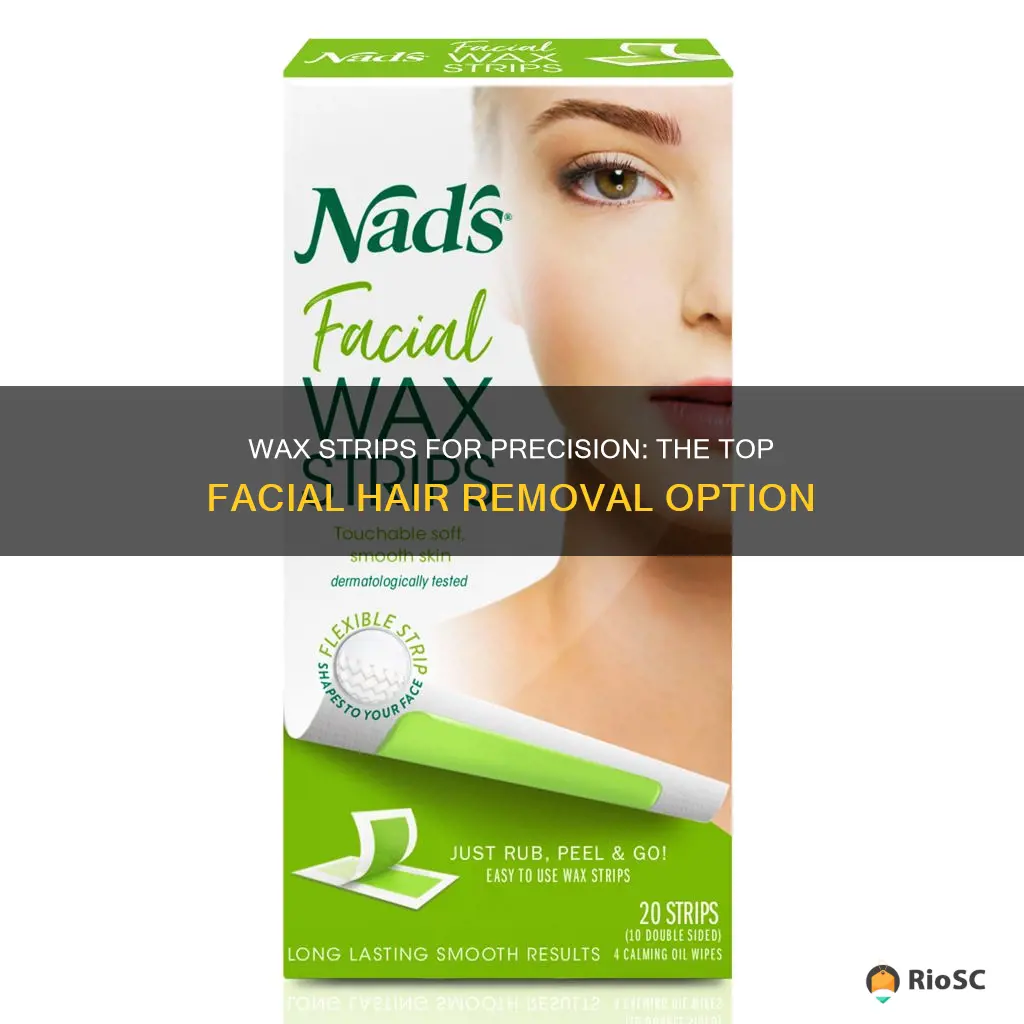
3. Pre-Waxed Strips (Cold Wax)
For many users in 2026, convenience is the primary factor. Pre-waxed strips are ready to use out of the box and do not require a heating element, making them the safest option regarding burn prevention.
Innovation in Cold Wax Technology
Historically, cold wax was less effective because it couldn't "wet" the hair as well as warm wax. However, 2026 formulations utilize advanced soft-touch polymers that remain pliable at room temperature. These strips are often infused with oils like jojoba or almond oil to help soothe the skin during the pull.
Pros and Cons:
- Pros: No mess, portable, no burn risk, very affordable.
- Cons: Often requires multiple passes on the same area, which can lead to skin irritation; less effective on very short or coarse hair.
4. Cream-Based Soft Wax (Strip Wax)
Soft wax is applied in a very thin layer and removed using a cloth or paper strip. While often used for larger body areas, cream-based versions are specifically formulated for the face.
Targeted Use for Vellus Hair
Cream soft waxes often contain zinc oxide, which acts as a barrier and anti-inflammatory agent. This type of wax is exceptionally good at removing "peach fuzz"—those fine, translucent hairs that hard wax might occasionally miss. Because it is applied thinly, it is very economical, but it carries a higher risk of skin lifting if the technician is not experienced.
When using soft wax on the face, it is imperative to use a "pre-epilation oil." This oil creates a microscopic barrier so the wax sticks to the hair rather than the moisture on the skin's surface.
5. Precision Wax Pens
Precision wax pens represent a specialized category of facial hair removal designed specifically for the eyebrows and the "monobrow" area. In 2026, these pens allow for surgical-level accuracy.
Design and Utility
The pen features a twist-up or click-delivery system that extrudes a small amount of gel-like wax through a narrow tip. This allows the user to trace the exact arch of the eyebrow without the risk of the wax running or spreading into the eyelashes or the main body of the brow.
Most precision pens use a "no-heat" or "low-heat" formula. Some are even "sugar-based" for easy cleanup. They are the ideal tool for maintenance between professional shaping appointments.
Technical Comparison of Facial Wax Options
| Wax Type | Best For | Temperature | Skin Impact | Skill Level Required |
|---|---|---|---|---|
| Hard Wax | Coarse/Short hair | Medium (Warm) | Low (Sticks to hair) | Moderate |
| Sugaring | Sensitive skin | Body Temp | Lowest | High (Technique-heavy) |
| Cold Strips | Convenience/Travel | Room Temp | Moderate | Low |
| Soft Wax | Fine/Vellus hair | Medium-High | Highest | Moderate |
| Wax Pens | Eyebrow shaping | Low/None | Low | Low-Moderate |
Essential Prerequisites for Facial Waxing
Before applying any wax to your face, you must ensure the skin is properly prepared. Failure to follow these steps can lead to suboptimal results or skin damage.
- Cleansing: Use a gentle, non-oily cleanser to remove makeup, sweat, and surface oils. Oil acts as a lubricant that prevents the wax from adhering to the hair.
- Hair Length: For the best results, hair should be about 1/4 inch long (roughly the length of a grain of rice). If the hair is too short, the wax cannot get a mechanical grip. If it is too long, the wax may tangle, leading to increased pain and hair breakage.
- The Patch Test: This is non-negotiable. Even if you have waxed before, a new formula can cause an allergic reaction. Apply a small amount of wax to the side of your neck or behind your ear and wait 24 hours to check for adverse reactions.
- Environmental Control: Ensure you are in a cool, dry room. Humidity can prevent wax (especially sugaring paste) from setting correctly, leading to a sticky mess that is difficult to remove.
Managing Potential Complications
Even with the best products, side effects can occur. Knowing how to troubleshoot these issues is vital for maintaining skin health.
Post-Wax Redness (Erythema)
It is normal for the skin to be pink or red for up to two hours after waxing. This is caused by increased blood flow to the area. If the redness persists for more than 24 hours, it may be a sign of a mild thermal burn or an allergic reaction. Applying a cold compress or pure aloe vera gel (without alcohol) can help constrict blood vessels and soothe the area.
Folliculitis and Breakouts
Sometimes, small white bumps appear a day or two after waxing. This is often folliculitis, an inflammation of the hair follicles caused by bacteria (usually Staphylococcus aureus) entering the empty follicle. To prevent this, avoid touching your face after waxing and use a clean, disposable applicator for every single dip into the wax pot (no "double-dipping").
Ingrown Hairs
Ingrown hairs occur when the hair breaks off below the skin line or when the new, finer hair cannot penetrate the skin surface. To prevent this, begin a gentle exfoliation routine (using a mild chemical exfoliant like salicylic acid) 48 hours after your waxing session. This keeps the follicle opening clear.
Post-Wax Care Protocols
The 24 to 48 hours following a facial wax are critical for recovery. During this window, the follicles are open and the skin is vulnerable.
- Avoid Heat: Stay away from saunas, steam rooms, and hot showers.
- Sun Protection: Waxed skin is highly photosensitive. Apply a broad-spectrum SPF 30 or higher if you plan to be outdoors, as the freshly exposed skin is prone to hyperpigmentation (sun spots).
- No Heavy Makeup: Avoid thick foundations or comedogenic products that could clog the open pores.
- Soothing Agents: Use products containing chamomile, azulene, or allantoin to calm the skin. Avoid products with synthetic fragrances or high alcohol content, as these will sting and further irritate the area.
Frequently Asked Questions
Can I wax if I am using prescription acne medication?
If you are taking oral Isotretinoin (Accutane), you must not wax any part of your body. This medication severely thins the skin, and waxing can result in significant "skin tearing" and permanent scarring. You should wait at least six months after finishing the medication before attempting to wax. For topical medications like Tretinoin or Adapalene, consult your dermatologist; generally, you must pause use for several days prior to waxing.
How long does facial waxing results last?
Typically, results last between three to six weeks. This depends on your individual hair growth cycle. Because waxing removes the hair from the root, the new hair that grows back is often softer and finer than hair that has been shaved. Over years of consistent waxing, some hair follicles may stop producing hair altogether due to repeated "trauma" to the bulb.
Is hard wax better than soft wax for the upper lip?
For the majority of people, hard wax is superior for the upper lip. The upper lip is a highly mobile, sensitive area with many nerve endings. Hard wax's ability to firm up and be removed without a strip allows for a faster, less painful extraction that doesn't tug on the delicate lip line.
How do I remove wax residue from my skin?
If you are using a resin-based wax (hard or soft), you need an oil-based cleanser. Water and soap will not work. You can use a specialized "after-wax oil" or simple kitchen staples like olive oil or coconut oil. Apply the oil to a cotton pad and gently rub the area until the wax dissolves. For sugaring or water-soluble waxes, a warm, damp cloth is all that is required.
Why did the wax fail to remove my hair?
This usually happens for three reasons: the hair was too short for the wax to grip, the wax was not allowed to cool/set properly, or there was oil/moisture on the skin. Ensure the skin is bone-dry (using a small amount of unscented talc-free powder can help) and that the hair is at least 1/4 inch long before your next attempt.
Final Recommendation
For most users in 2026, the Cirepil Blue Hard Wax or a similar high-quality polymer hard wax remains the best all-around option for facial hair removal due to its safety profile and effectiveness on all hair types. If you have extremely sensitive skin or are prone to ingrown hairs, transitioning to professional-grade sugaring paste offers a gentler, more natural alternative. Always prioritize skin barrier health over hair removal; if your skin is currently irritated, peeling, or undergoing intensive treatment, postpone your waxing session to avoid long-term damage.