Choosing direct auto insurance along the Highway 70 corridor in Hickory, North Carolina, involves evaluating regional carrier options, assessing specific local driving risks, and balancing state-mandated coverage minimums with adequate personal protection. By understanding local agency footprints, leveraging digital direct-to-consumer platforms, and reviewing physical or virtual storefronts near major commercial arteries like US-70, drivers can secure policies that match their vehicle financing terms and budget constraints.
North Carolina drivers face unique local traffic patterns, varying commute distances toward industrial parks or downtown Hickory, and state-specific regulatory requirements governed by the North Carolina Department of Insurance (NCDOI). Because North Carolina is an at-fault state that mandates specific liability limits—commonly structured as 30/60/25—selecting the right insurance policy requires careful navigation of direct-writer models versus traditional independent agencies.
Understanding the Highway 70 Corridor and Hickory Auto Insurance Landscape
Highway 70 serves as a primary commercial and commuter thoroughfare through Catawba County, connecting Hickory with neighboring municipalities like Conover and Newton. The physical geography of this corridor features heavy commercial traffic, dense retail plazas, and frequent intersections, which directly influence how insurers calculate risk profiles for motorists who regularly travel these routes.
When drivers search for direct auto insurance along Highway 70, they typically seek to bypass traditional third-party broker fees or lengthy intermediary negotiations. Direct auto insurance refers to purchasing a policy straight from the insurance company—either through an online portal, a proprietary mobile application, or a dedicated captive agent office situated along commercial routes like US-70.
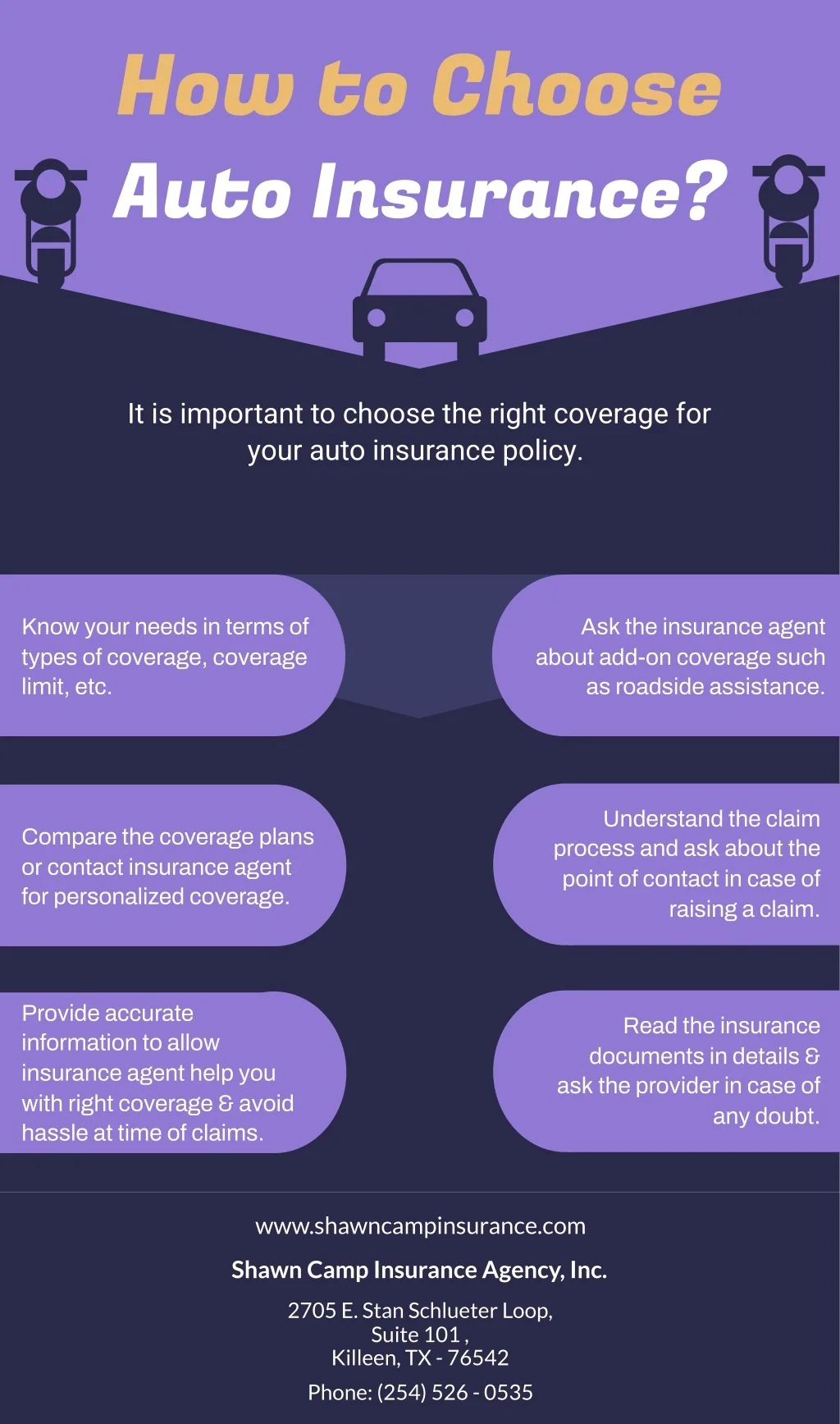
Navigating this local market requires a methodical approach. Motorists must first understand state legal baselines, evaluate whether a digital-first or a localized brick-and-mortar direct writer fits their communication preferences, and systematically compare quotes using identical coverage parameters.
Way 1: Evaluate Direct-to-Consumer Digital Platforms and Captive Agent Offices
The most direct way to secure coverage is to interface with insurers that operate on a direct-writer model. In Hickory, NC, this manifests in two distinct ways: purely digital platforms accessible via mobile devices from anywhere along Highway 70, and physical captive agent offices located within commercial strip malls and business parks lining the highway.
Comparing Digital Direct Platforms vs. Local Captive Offices
- Digital-First Direct Writers: Companies that sell policies entirely online or via phone without local storefronts. These platforms often provide instant quotes, automated document generation, and digital ID cards accessible via smartphone apps.
- Local Captive Agents on US-70: Insurance offices tied to a single major carrier (such as State Farm, Allstate, or Nationwide) with physical brick-and-mortar locations along Highway 70. These offices allow face-to-face consultations, local claims advocacy, and personalized policy walk-throughs.
Assessing the Pros and Cons of Direct Distribution
Choosing a direct channel eliminates broker commissions built into independent agency models, but it places the responsibility of coverage selection squarely on the consumer.
| Feature / Attribute | Digital Direct Platforms | Local Captive Offices on US-70 |
|---|---|---|
| Convenience | 24/7 access from any location via app or web | Available during standard business hours; requires travel |
| Personal Guidance | Self-service quote builders and automated chat | Face-to-face interaction with a licensed representative |
| Claims Support | Centralized national call centers and app-based uploads | Local agent assistance and regional claims coordination |
| Customization Speed | Instant adjustments via user dashboard | Adjustments processed through agent or customer service line |
When utilizing digital portals or visiting a physical office on Highway 70, drivers should verify that the carrier is licensed to write policies within North Carolina and check the insurer’s financial strength ratings through independent evaluators like A.M. Best.
Way 2: Match Coverage Limits to North Carolina Legal Requirements and Personal Assets
Selecting the correct coverage levels is a critical step when establishing a direct auto insurance policy in North Carolina. Unlike no-fault states, North Carolina operates under a tort system, meaning the driver responsible for an accident is liable for the resulting medical bills and property damage.
Mandatory State Minimums vs. Recommended Protection
The North Carolina General Statutes mandate that every registered vehicle maintain continuous liability insurance meeting or exceeding the following minimum limits:
- $30,000 for bodily injury liability per person injured in an accident.
- $60,000 for total bodily injury liability when two or more people are injured in a single accident.
- $25,000 for property damage liability per accident.
- Uninsured/Underinsured Motorist (UM/UIM) Coverage: North Carolina also mandates UM coverage matching bodily injury limits, protecting drivers if they are struck by an uninsured motorist or a hit-and-run driver along corridors like Highway 70.
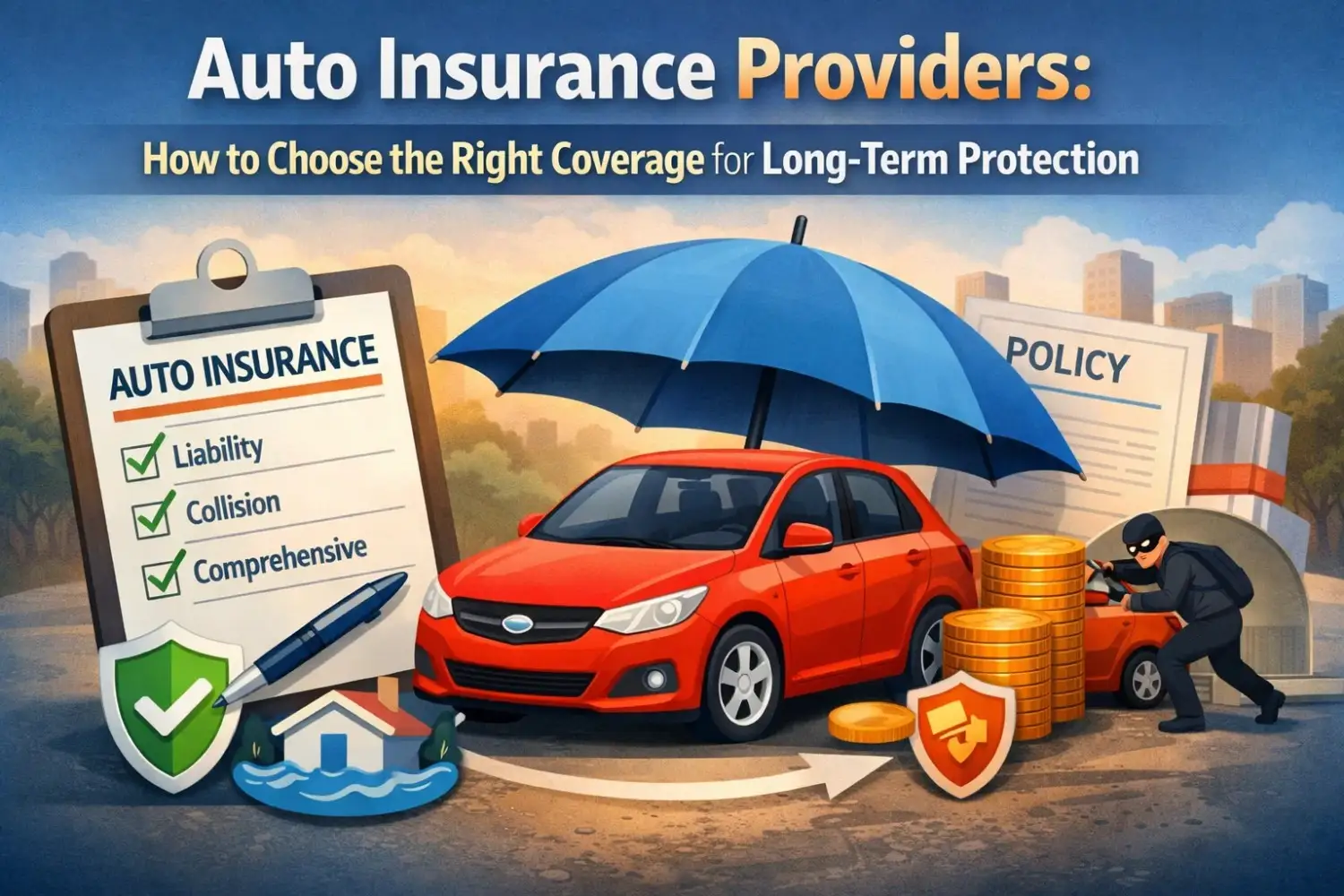
Relying solely on state minimums can expose personal assets to significant financial risk in a severe collision. Direct insurance buyers should evaluate comprehensive and collision coverages, especially if their vehicle is financed through a bank or credit union, which typically requires physical damage protection regardless of where the vehicle is driven.
- North Carolina Insurance Stack
- [Mandatory] Liability (30/60/25) + Uninsured Motorist (UM/UIM)
- [Mandatory if Financed] Comprehensive & Collision Coverage
- [Optional Recommended] Medical Payments / Personal Injury Protection
- [Mandatory if Financed] Comprehensive & Collision Coverage
- [Mandatory] Liability (30/60/25) + Uninsured Motorist (UM/UIM)
Way 3: Audit Driving History, Discounts, and Rate Calculations Specific to Catawba County
Auto insurance premiums in Hickory, NC, are heavily influenced by geographic risk factors, individual driving histories, and available policyholder discounts. Insurance companies utilize statistical models to assess the likelihood of claims along specific zip codes and highway segments.
Factors Impacting Rates Along the Highway 70 Corridor
- Commuting Distance and Traffic Density: Regular travel along high-traffic commercial zones like US-70 increases exposure to fender-benders and intersection collisions, which carriers factor into baseline rates.
- Driving Record and Safe Driver Points: North Carolina utilizes a Safe Driver Incentive Plan (SDIP) point system. Traffic violations and at-fault accidents add points that substantially increase premium costs over a three-to-five-year lookback period.
- Vehicle Safety Features: Anti-lock brakes, airbag configurations, and advanced driver-assistance systems (ADAS) installed in modern vehicles can trigger direct manufacturer- or insurer-sponsored discounts.
Leveraging Direct Policy Discounts
When configuring a direct policy online or with an agent, consumers should actively audit their eligibility for common rate reducers:
- Multi-Policy Bundling: Combining auto insurance with homeowners, renters, or umbrella policies through the same direct writer.
- Paperless and Electronic Pay (E-Pay): Enrolling in automatic deductions and electronic document delivery to eliminate billing fees.
- Telematics and Usage-Based Insurance: Opting into mobile apps or plug-in devices that track driving habits, braking speed, and mileage along routes like Highway 70 to secure safe-driving discounts.
- Good Student Discounts: Applicable for policyholders or dependents maintaining qualifying grade point averages in high school or college.
Comparing Insurance Providers for Hickory Drivers
To make an informed choice, consumers should compare multiple direct carriers based on service availability, customer satisfaction, and digital tool robustness.
| Insurance Provider Type | Primary Advantage | Potential Limitation | Best Suited For |
|---|---|---|---|
| National Direct Writers (e.g., GEICO, Progressive) | Robust mobile apps, competitive baseline pricing, 24/7 service | Impersonal claims handling, lack of local physical storefronts | Tech-savvy drivers seeking low-cost, self-managed policies |
| Captive Regional Writers (e.g., NC Farm Bureau, State Farm) | Local offices on US-70, community presence, dedicated agents | Potentially higher premiums, single-brand restriction | Drivers who value face-to-face relationships and local advice |
| Direct-to-Consumer Non-Standard (e.g., Direct Auto, Acceptance) | Flexible payment plans, high acceptance for high-risk drivers | Higher overall rates for drivers with clean records | Motorists needing immediate SR-22 filings or non-standard coverage |
Frequently Asked Questions
What are the mandatory auto insurance limits required in Hickory, NC?
North Carolina requires all registered vehicles to carry at least $30,000 for bodily injury per person, $60,000 for total bodily injury per accident, and $25,000 for property damage. Additionally, uninsured motorist coverage matching your bodily injury limits is legally required.
Is it cheaper to buy direct auto insurance online or through a local agent on Highway 70?
Buying direct online can sometimes reduce costs by cutting out independent broker commissions. However, local captive agents along Highway 70 may offer bundling discounts and localized risk adjustments that balance out the pricing, making direct comparison essential.
Does driving on busy roads like US-70 increase my insurance rates?
Insurers evaluate zip code-level risk data rather than individual street names, but dense commercial corridors with high accident frequencies contribute to broader regional rate adjustments across Catawba County.
How do North Carolina Safe Driver Incentive Plan (SDIP) points affect my direct policy?
SDIP points are assessed following traffic violations or at-fault accidents. Accumulating points adds a percentage surcharge to your base premium, which direct insurers automatically apply upon pulling your North Carolina Motor Vehicle Record (MVR).
Can I purchase direct auto insurance immediately if I need to register a vehicle at the Hickory DMV?
Yes. Digital direct insurers allow you to bind a policy instantly via smartphone or web browser, generating immediate digital proof of insurance and insurance binders required for vehicle registration and tag issuance in North Carolina.
Conclusion and Next Actions
Selecting direct auto insurance along Highway 70 in Hickory, NC, requires balancing convenience, cost, and legal compliance. Begin by obtaining quotes from at least three direct-writing carriers or visiting local captive offices along the corridor, ensuring each quote uses identical coverage limits—ideally exceeding the 30/60/25 state minimums to protect your personal assets. Review your driving record for potential SDIP points, apply all eligible bundling and telematics discounts, and confirm that your chosen policy generates instant proof of insurance for local registration needs.