Mixed life insurance, often referenced in specific industry contexts as the "242" structure, refers to a strategic blend of term and permanent coverage designed to provide both immediate financial protection and long-term asset accumulation. By integrating these two distinct mechanisms, policyholders can address short-term liabilities, such as mortgage debt or education costs, while simultaneously building cash value that grows on a tax-advantaged basis for retirement or estate planning.
Understanding the Core Components of Mixed Insurance
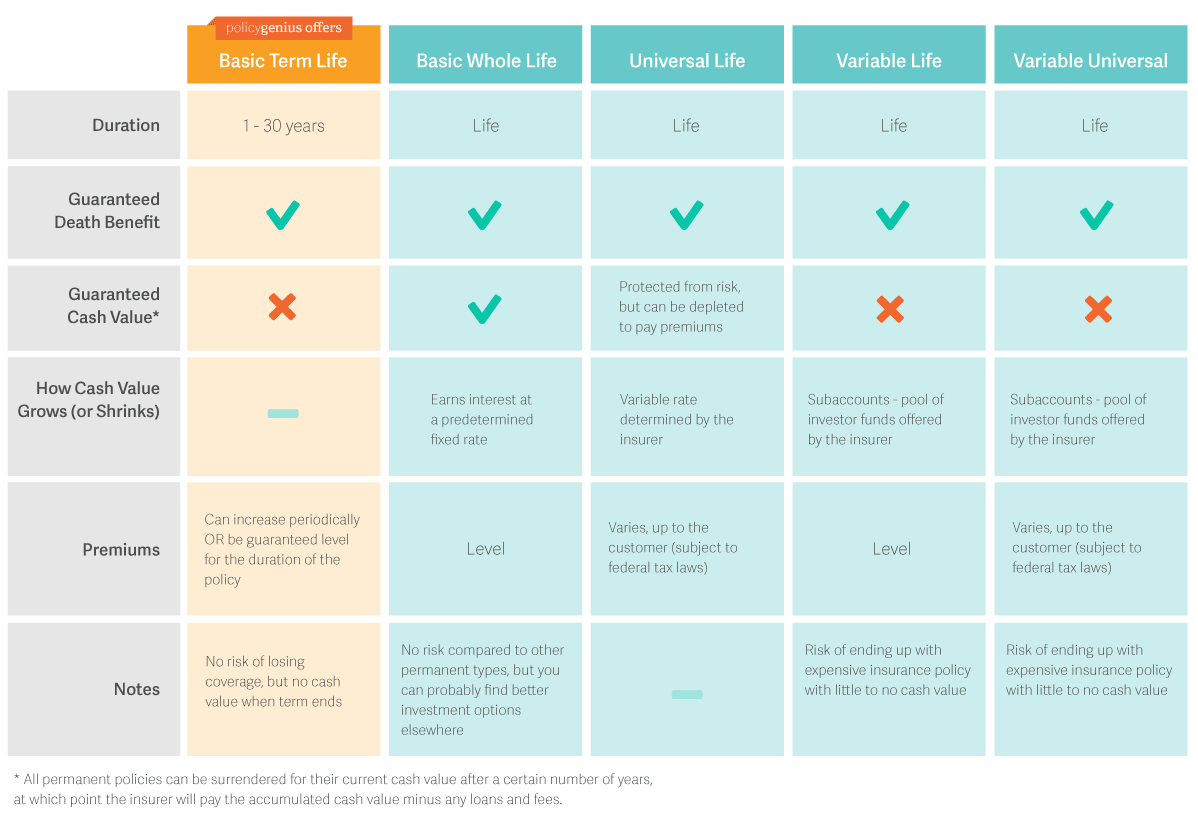
To understand the "242" framework, one must first deconstruct the two primary vehicles that underpin it: term life insurance and permanent (typically whole or universal) life insurance.
Term life insurance functions as a pure protection product. It provides a death benefit for a specified period—typically 10, 20, or 30 years. Because it does not contain a savings or investment component, it is the most cost-effective way to secure high coverage amounts during years of high financial vulnerability, such as when children are young or business loans are outstanding.
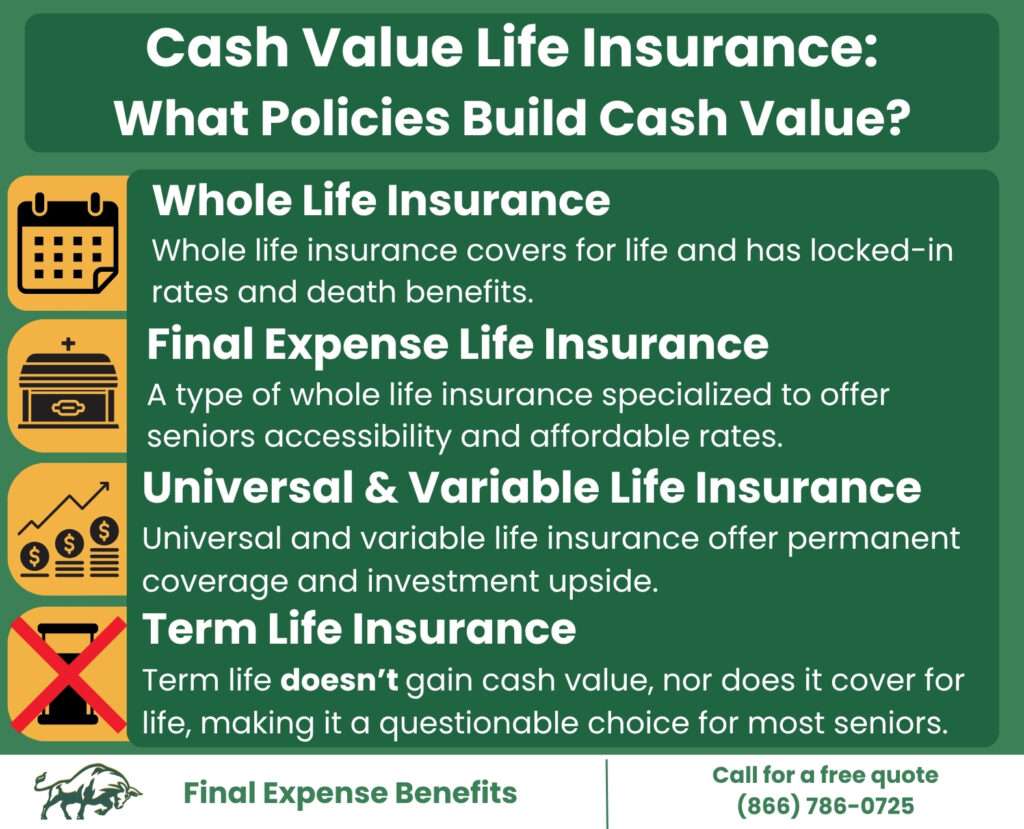
Permanent life insurance, conversely, is designed to remain in force for the duration of the policyholder’s life, provided premiums are paid. These policies feature a cash value component that grows over time. A portion of each premium payment is directed toward the insurer’s general account or an investment sub-account, where it earns interest or market-linked returns. This accumulation is the "mixed" element that transforms the policy from a simple safety net into a financial asset.
Why the 242 Structure Matters
The 242 model is not a specific proprietary product sold by every insurer under that exact name, but rather a common shorthand in financial advisory circles for a layered coverage strategy. In this strategy, the policyholder ensures that their death benefit is robust enough to cover immediate obligations (the 2) while maintaining a baseline of permanent, cash-accumulating coverage (the 4) and ensuring flexibility for future conversion (the 2).
This structure allows families to avoid the "all or nothing" dilemma. Relying solely on term insurance leaves the individual unprotected once the term expires, often at an age when premiums for new policies become prohibitively expensive. Relying solely on permanent insurance can be financially unsustainable due to the high premium costs required to achieve significant death benefit levels. By mixing them, you optimize the cost-to-benefit ratio.
Strategic Advantages of the Mixed Approach
The primary benefit of this arrangement is flexibility. Many term policies under these arrangements include a "conversion rider," which allows the policyholder to convert a portion of the term coverage into permanent coverage without needing to undergo a new medical underwriting process.
- Risk Management: The term portion covers "temporary" risks (e.g., mortgage balances, child-rearing years).
- Wealth Preservation: The permanent portion provides a guaranteed death benefit that stays in place regardless of age, which is essential for estate tax planning or leaving a legacy.
- Liquidity: The cash value accumulated in the permanent component can be accessed through policy loans or withdrawals, providing a source of emergency funds or supplemental income that is generally tax-efficient under current tax codes.
Assessing Financial Requirements and Eligibility
Before committing to a mixed coverage structure, applicants must undergo a rigorous evaluation of their financial needs. This process typically involves a "needs analysis," where a licensed advisor reviews your income, existing debt, potential education costs for dependents, and retirement goals.
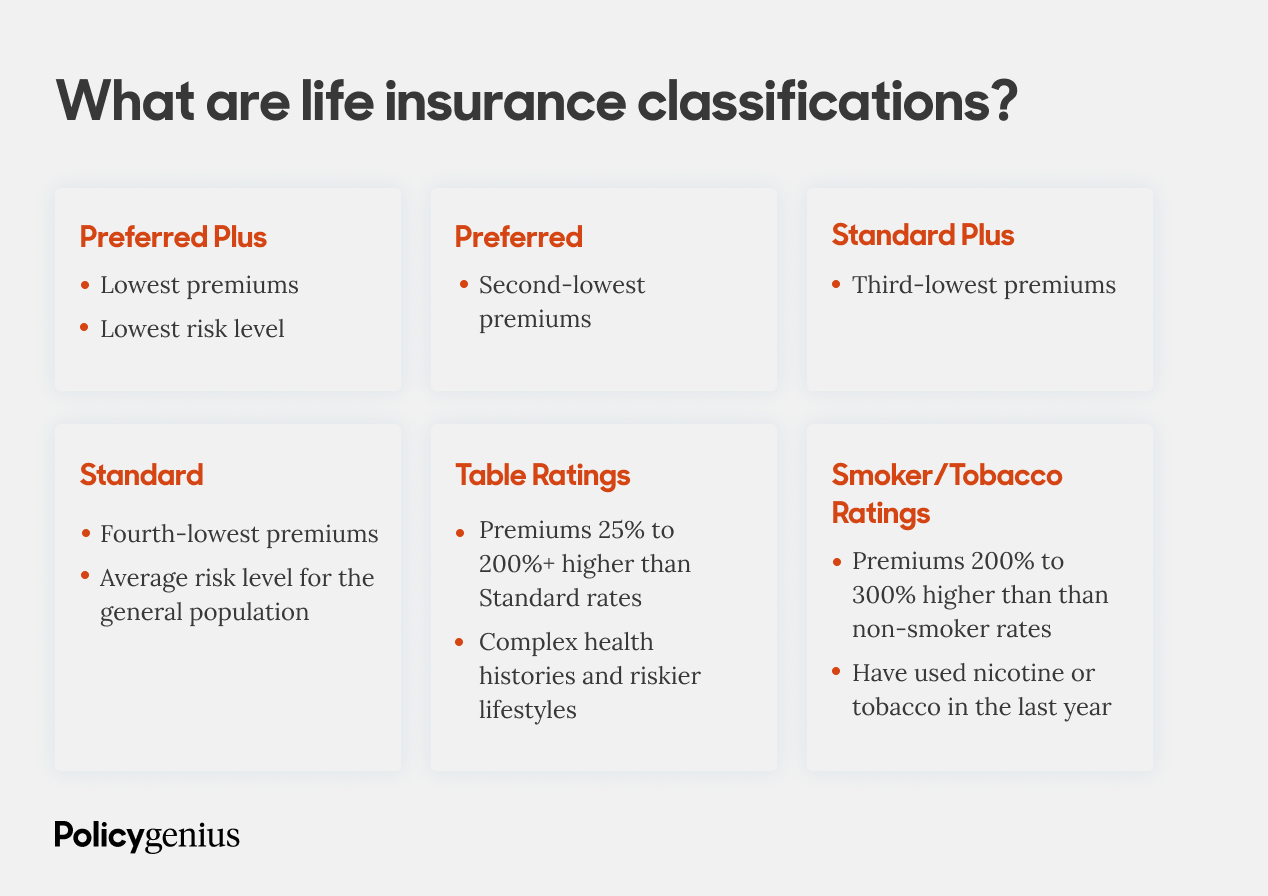
The underwriting process for 242-style arrangements is generally more involved than for simple term insurance. Because you are purchasing a permanent product, the insurer is taking on a long-term liability. Consequently, they will assess your health, lifestyle, and financial capacity to pay premiums. Expect the following requirements:
- Medical Examination: Often required for higher death benefits.
- Financial Documentation: Evidence of income and asset levels to justify the size of the permanent portion.
- Suitability Review: A declaration that you understand the long-term nature of the permanent coverage and the implications of early cancellation.
Comparative Analysis: Term vs. Permanent vs. Mixed
| Feature | Term Life | Permanent Life | Mixed (242) |
|---|---|---|---|
| Duration | Fixed (e.g., 20 years) | Lifetime | Variable |
| Cost | Lowest | Highest | Moderate |
| Cash Value | None | Yes | Yes (in Perm portion) |
| Flexibility | Low | Moderate | High |
| Primary Goal | Short-term protection | Long-term legacy/wealth | Balanced |
Operational Limitations and Considerations
While the 242 structure is versatile, it is not without risks. The primary challenge is premium persistency. If the policyholder faces a financial downturn and cannot pay the premiums, the permanent portion may lapse, potentially resulting in the loss of both the death benefit and the accumulated cash value.
Furthermore, the "mixed" nature of the policy means that it is inherently more complex. You must pay close attention to the fee structure of the permanent portion. Universal life components, for instance, often have fluctuating cost-of-insurance charges that can erode cash value if investment returns underperform. It is critical to review your "in-force illustration" annually to ensure the policy is performing as projected.
Common Mistakes to Avoid
- Underestimating Future Needs: Many policyholders set the term portion based on current debt but fail to account for the impact of inflation on the cost of living for their survivors.
- Neglecting Policy Reviews: Insurance is not a "set it and forget it" product. Periodic reviews—ideally every three years—are necessary to adjust for changes in family size, debt levels, or tax laws.
- Over-Leveraging Cash Value: While accessing cash value via a loan is a benefit, excessive borrowing can trigger a policy lapse if the loan interest exceeds the growth within the policy.
Frequently Asked Questions
Is a 242 mixed policy a standardized investment product? No. It is a configuration of two standard insurance types. It is not an investment security regulated by the SEC, but rather an insurance contract regulated by state insurance commissioners.
Can I convert my term policy to a mixed policy later? Most term policies include a conversion option. However, check your policy document for the specific "conversion period," as this window often closes before the term expires.
How does the cash value grow within the mixed structure? The cash value in the permanent portion grows based on the underlying structure of the policy (e.g., Whole Life's dividends, Universal Life's interest credits, or Indexed Universal Life's market-linked indices).
Are there tax advantages to this setup? Yes. Under current law, the death benefit is generally received income-tax-free by beneficiaries, and the growth of cash value within the policy is tax-deferred. Policy loans are also generally tax-free, provided the policy remains in force.
What happens if I stop paying premiums on my 242 policy? If you stop paying, the term portion will lapse immediately. The permanent portion may stay in force temporarily if there is sufficient cash value to cover the internal costs, but the policy will eventually lapse unless the premiums are resumed.
Is this suitable for everyone? Not necessarily. Individuals with minimal debt or those who prefer to keep their insurance and investment strategies separate (the "buy term and invest the difference" philosophy) may find that simple term insurance is more cost-effective.
Professional Recommendation for Next Steps
If you are considering a mixed life insurance strategy, your first step should be to request a "ledger" or "illustration" from a licensed life insurance agent. This document will show you exactly how the premiums are split between the term and permanent components and how the cash value is projected to grow over the next 20 to 30 years.
Before signing, ensure that you have a clear understanding of the "surrender charges" associated with the permanent portion. These charges can be significant in the early years of the policy, meaning this is a long-term commitment. Compare at least three different illustrations from different providers to ensure you are getting a competitive cost-of-insurance charge for the permanent portion of your plan. Consult with a qualified financial planner to ensure this insurance structure aligns with your broader retirement and estate goals.