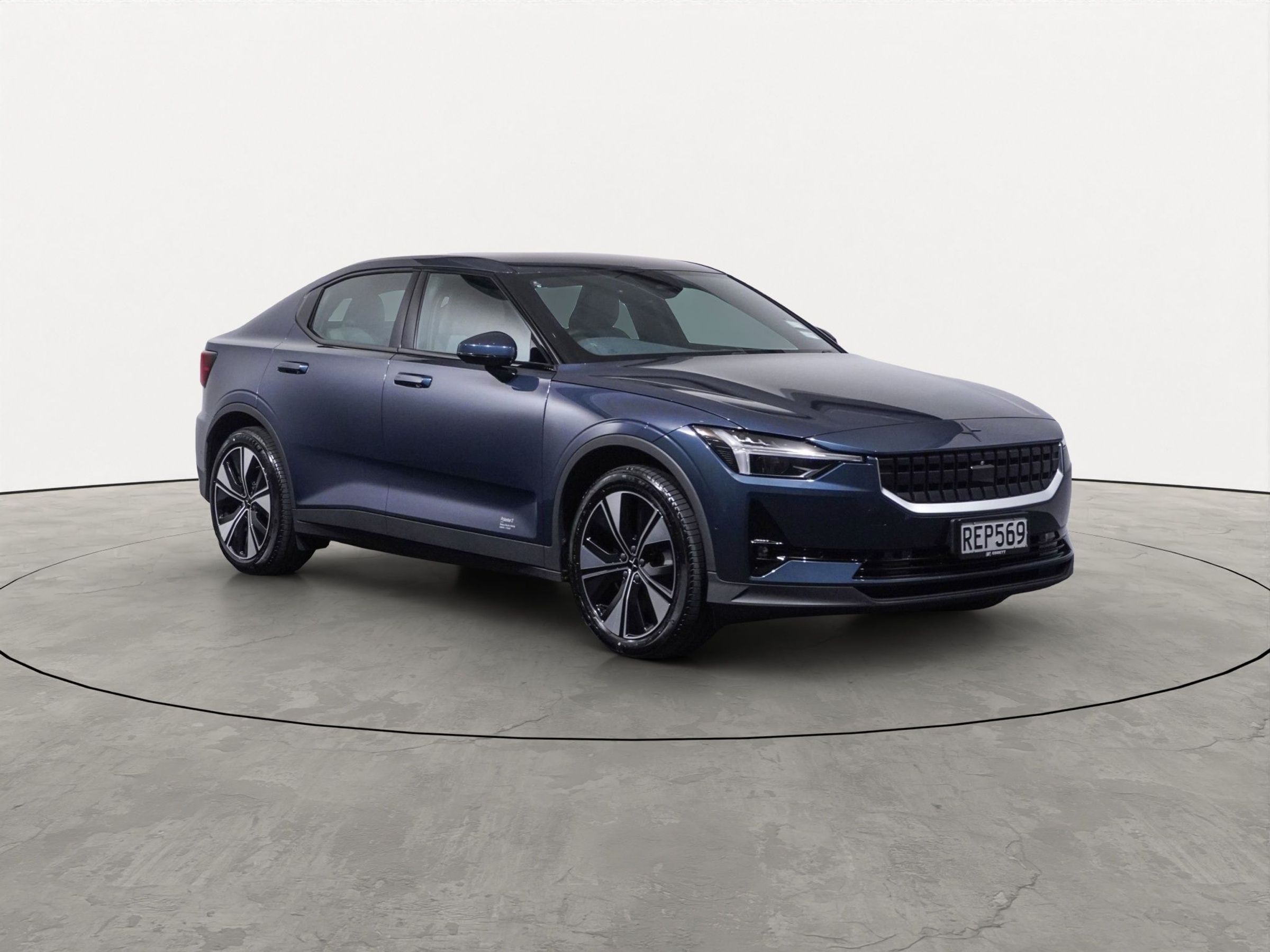
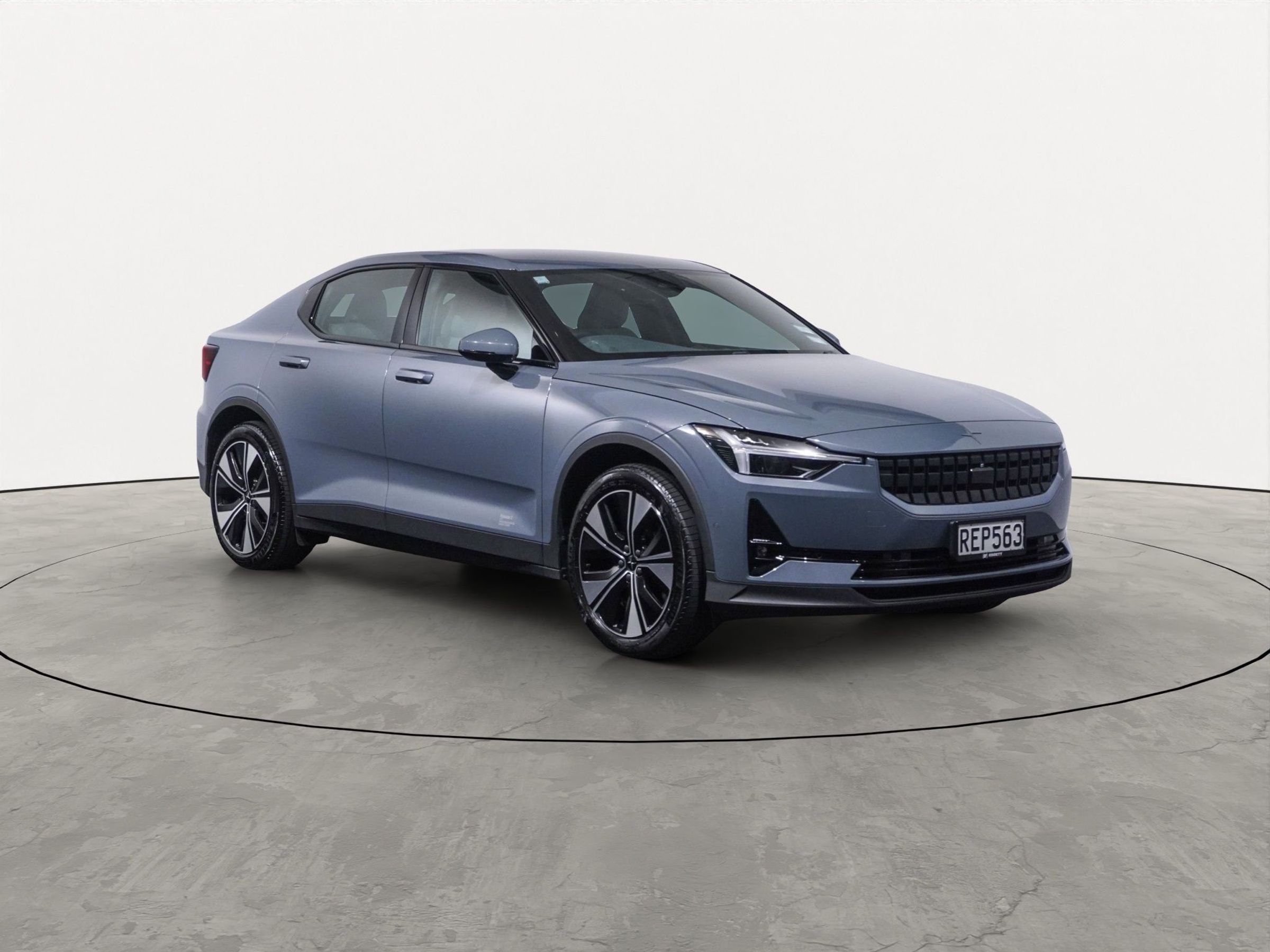
The 2025 Polestar 2 represents a pivotal evolution for the Swedish electric vehicle manufacturer, shifting its drivetrain configurations from front-wheel drive to rear-wheel drive while refining performance, range, and interior packaging. This comprehensive guide breaks down the technical specifications, trim levels, pricing structure, and the broader brand roadmap guiding Polestar's future vehicle lineup.
Introduction to the 2025 Polestar 2
The Polestar 2 has established itself as a distinctive alternative in the premium electric fastback market, blending Scandinavian minimalist design with athletic driving dynamics. For the 2025 model year, Polestar builds upon the extensive mechanical overhaul introduced in the previous cycle—notably the transition to high-efficiency permanent magnet motors and silicon carbide inverters—while streamlining packaging options to make configurations more intuitive for buyers.
Positioned directly against rivals like the Tesla Model 3, BMW i4, and Hyundai Ioniq 6, the 2025 Polestar 2 focuses on incremental refinements rather than a ground-up redesign. Buyers navigating this model year face choices between single-motor rear-wheel-drive variants prioritizing maximum range and dual-motor all-wheel-drive variants built for high-output performance. Understanding these specifications, alongside Polestar’s evolving corporate roadmap, is essential for anyone evaluating the brand's current and upcoming electric vehicle offerings.
Core Technical Specifications and Powertrain Options
Performance and efficiency define the 2025 Polestar 2 lineup, which is divided into two primary powertrain architectures: the Single Motor (rear-wheel drive) and the Dual Motor (all-wheel drive). Both configurations utilize advanced battery chemistry and thermal management systems designed to optimize real-world range and charging speeds.
Single Motor (Rear-Wheel Drive)
The entry-point configuration abandons the legacy front-wheel-drive layout in favor of a rear-wheel-drive setup powered by a newly developed permanent magnet motor.
- Power Output: 299 horsepower (220 kW) and 361 lb-ft of torque.
- Acceleration (0-60 mph): Approximately 5.9 seconds.
- Battery Capacity: 82 kWh nominal (extended range variant) utilizing lithium-ion pouch cells.
- Estimated Range: Up to 320 miles depending on wheel size and atmospheric conditions.
Dual Motor (All-Wheel Drive)
For drivers seeking maximum traction and performance, the dual-motor variant pairs a rear-biased setup with an asynchronous front motor that can completely decouple when not needed, reducing parasitic drag to maximize cruising efficiency.
- Power Output: 421 horsepower (310 kW) and 546 lb-ft of torque.
- Performance Pack Upgrade: Boosts output to 476 horsepower, dropping the 0-60 mph sprint to 4.1 seconds.
- Battery Capacity: 78 kWh nominal (Standard Range) or 82 kWh nominal (Long Range).
- Estimated Range: Up to 276 miles for the Long Range Dual Motor variant.
| Powertrain Variant | Drivetrain | Horsepower | Torque (lb-ft) | Estimated Range (EPA) | Max DC Fast Charging |
|---|---|---|---|---|---|
| Single Motor (Standard) | RWD | 272 hp | 361 | ~270 miles | 135 kW |
| Single Motor (Long Range) | RWD | 299 hp | 361 | ~320 miles | 205 kW |
| Dual Motor (Long Range) | AWD | 421 hp | 546 | ~276 miles | 205 kW |
| Dual Motor + Performance | AWD | 476 hp | 546 | ~247 miles | 205 kW |
Charging Infrastructure and Battery Performance
Charging capability remains a crucial purchasing factor for electric vehicle owners. The 2025 Polestar 2 supports DC fast charging up to 205 kW on models equipped with the larger 82 kWh battery pack (supplied by CATL and LG Energy Solution). Under ideal conditions, a DC fast-charging session can take the battery from 10% to 80% in approximately 28 minutes.
For home charging, the vehicle features an 11 kW onboard AC charger. Utilizing a Level 2 (240V) home wall connector, a full charge from empty takes roughly 8 hours. Polestar integrates Google built-in software, allowing the native navigation system to automatically route drivers through DC fast-charging stations, pre-condition the battery pack en route to ensure optimal charging speeds upon arrival, and display real-time charger availability.
Trim Levels, Packages, and Interior Amenities
Rather than traditional standalone options, Polestar structures its vehicles around core powertrains augmented by bundled equipment packages. This strategy simplifies manufacturing while giving buyers targeted customization options.
Standard Equipment
Every 2025 Polestar 2 comes standard with LED exterior lighting, frameless mirrors, dual-zone automatic climate control, a power liftgate, and an 11.1-inch central touchscreen running the Android Automotive OS interface. Apple CarPlay capability is included wirelessly, alongside over-the-air update capabilities.
Available Packages
- Pilot Pack: Enhances driver assistance technology, including Pilot Assist (adaptive cruise control and lane centering), Pixel LED headlights with adaptive bending lights, and 360-degree surround-view cameras.
- Plus Pack: Focuses on interior luxury and comfort, adding a panoramic glass roof with projected Polestar symbol, a 13-speaker Harman Kardon premium audio system, full power-adjustable front seats with memory, heated rear seats, a heated steering wheel, and sustainable WeaveTech upholstery (or optional Nappa leather).
- Performance Pack: Exclusive to the Dual Motor variant, this package adds manually adjustable Öhlins dual-flow valve dampers, 20-inch forged alloy wheels, high-performance Brembo brake calipers with gold detailing, and signature Polestar-gold seatbelts.
Safety Ratings and Driver Assistance Architecture
Polestar continues to prioritize active and passive safety, building on the structural rigidity inherited from Volvo's safety engineering lineage. The 2025 Polestar 2 features an advanced array of radar, ultrasonic sensors, and camera units that feed into its safety suite.
Standard safety features include Collision Avoidance and Mitigation (detecting vehicles, cyclists, and pedestrians), Run-off Road Mitigation, Lane Keeping Aid, and Oncoming Lane Mitigation. When equipped with the Pilot Pack, the vehicle gains advanced semi-autonomous driving features capable of handling highway cruising with minimal driver intervention, subject to regulatory requirements and steering wheel touch detection.
The Broader Polestar Roadmap: Future Models and Strategic Direction
The 2025 Polestar 2 does not exist in a vacuum; it serves as the foundational stepping stone for Polestar’s aggressive expansion into a multi-segment luxury EV brand. Understanding the company's vehicle roadmap provides crucial context for where the Polestar 2 fits within the overarching corporate strategy.
Polestar 3 and Polestar 4
Following the establishment of the Polestar 2, the brand launched the Polestar 3—a performance-focused midsize luxury SUV sharing a platform with the Volvo EX90. Shortly after, the Polestar 4 introduced an aerodynamic coupe-SUV silhouette that notably omits the traditional rear window, replacing it with a high-definition digital rearview camera feed. These vehicles expand Polestar’s footprint into more profitable utility segments.
Polestar 5 and Polestar 6
Looking further ahead, the roadmap includes the production translation of the Precept concept vehicle, designated as the Polestar 5. This four-door GT fastback is engineered on a bespoke bonded-aluminum platform designed in-house by Polestar's UK research and development facility. Following the Polestar 5, the brand plans to launch the Polestar 6—a retractable hardtop electric roadster derived from the O2 concept.
Software and Sustainability Goals
Beyond hardware expansion, Polestar’s future roadmap emphasizes software-defined vehicle architectures, deeper integration with Google’s ecosystem, and aggressive lifecycle carbon reduction targets. The company aims to produce a truly climate-neutral car by 2030, reducing supply chain emissions through traceable battery materials, renewable energy utilization in manufacturing, and increased use of recycled aluminum and plastics.
Maintenance Costs, Ownership Experience, and Warranty
Owning a 2025 Polestar 2 involves different financial and operational considerations compared to traditional internal combustion vehicles. Because electric vehicles have fewer moving parts, scheduled maintenance is significantly reduced, primarily consisting of cabin air filter replacements, brake fluid flushes, tire rotations, and multi-point inspections.
Warranty Coverage
Polestar provides a competitive warranty package for the North American and European markets:
- Vehicle Warranty: 4 years or 50,000 miles bumper-to-bumper.
- Battery Warranty: 8 years or 100,000 miles, guaranteeing that the battery capacity will not degrade below 70% of its original state of health during the warranty period.
- Roadside Assistance: 4 years of 24/7 roadside assistance coverage.
Frequently Asked Questions
What is the primary difference between the 2024 and 2025 Polestar 2 models?
The 2025 model year brings minor equipment realignments and packaging updates following the major mechanical overhaul of the previous year. The transition to rear-wheel-drive single-motor variants and improved battery chemistry established in 2024 remains the performance foundation for 2025, with streamlined option packages making configuration more straightforward.
Can the 2025 Polestar 2 use Tesla Superchargers?
Yes. Polestar has secured access agreements enabling its vehicles to utilize the Tesla Supercharger network across North America via approved NACS (North American Charging Standard) adapters, significantly expanding long-distance travel convenience.
Is the panoramic glass roof standard on the 2025 Polestar 2?
No. The fixed panoramic glass roof is included as part of the optional Plus Pack. Base models feature a standard metal roof painted to match the body color.
How does the Polestar 2 handle in winter weather conditions?
The Single Motor (rear-wheel drive) variant performs adequately with proper winter tires, but the Dual Motor (all-wheel drive) variant provides superior traction in heavy snow and icy conditions. Additionally, the available Performance Pack allows drivers to manually adjust the Öhlins damper settings to a softer setup suitable for rough winter road surfaces.
What is the expected real-world range compared to EPA estimates?
Real-world range varies based on ambient temperature, driving style, climate control usage, and wheel size. Highway driving at sustained high speeds typically yields slightly lower efficiency than EPA mixed ratings, whereas city and suburban driving can match or exceed published estimates due to regenerative braking efficiency.
Conclusion and Buying Recommendation
The 2025 Polestar 2 remains a compelling choice for buyers seeking premium build quality, understated Scandinavian design, and engaging driving dynamics without the ubiquity of competing electric brands. For maximum driving range, the Single Motor Long Range variant is the optimal choice. For enthusiasts prioritizing traction and outright acceleration, the Dual Motor configuration with or without the Performance Pack delivers sports-car-rivaling dynamics. As Polestar expands its lineup with the Polestar 3, 4, 5, and 6, the Polestar 2 solidifies its role as the dynamic anchor of the brand's electric vehicle portfolio.