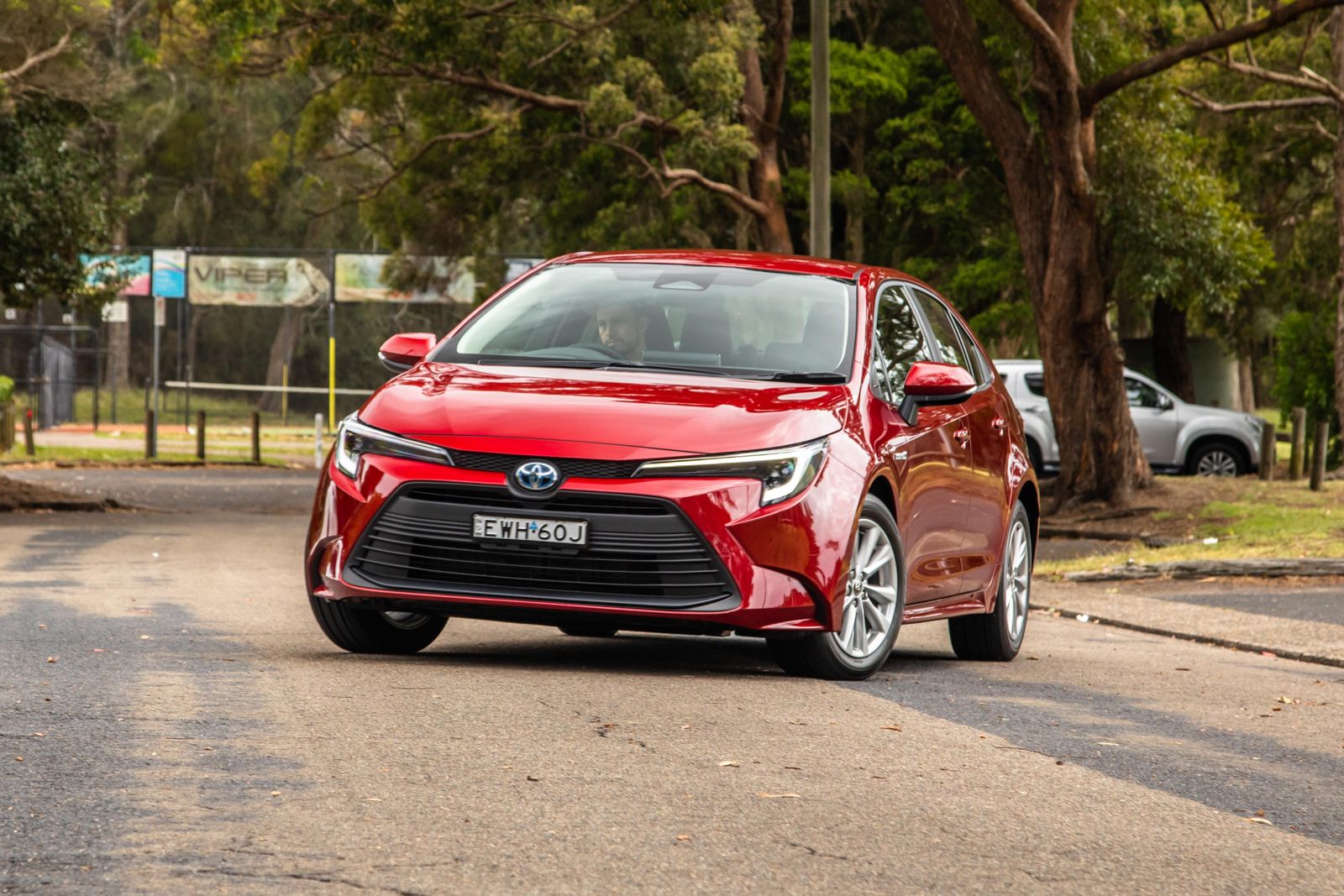
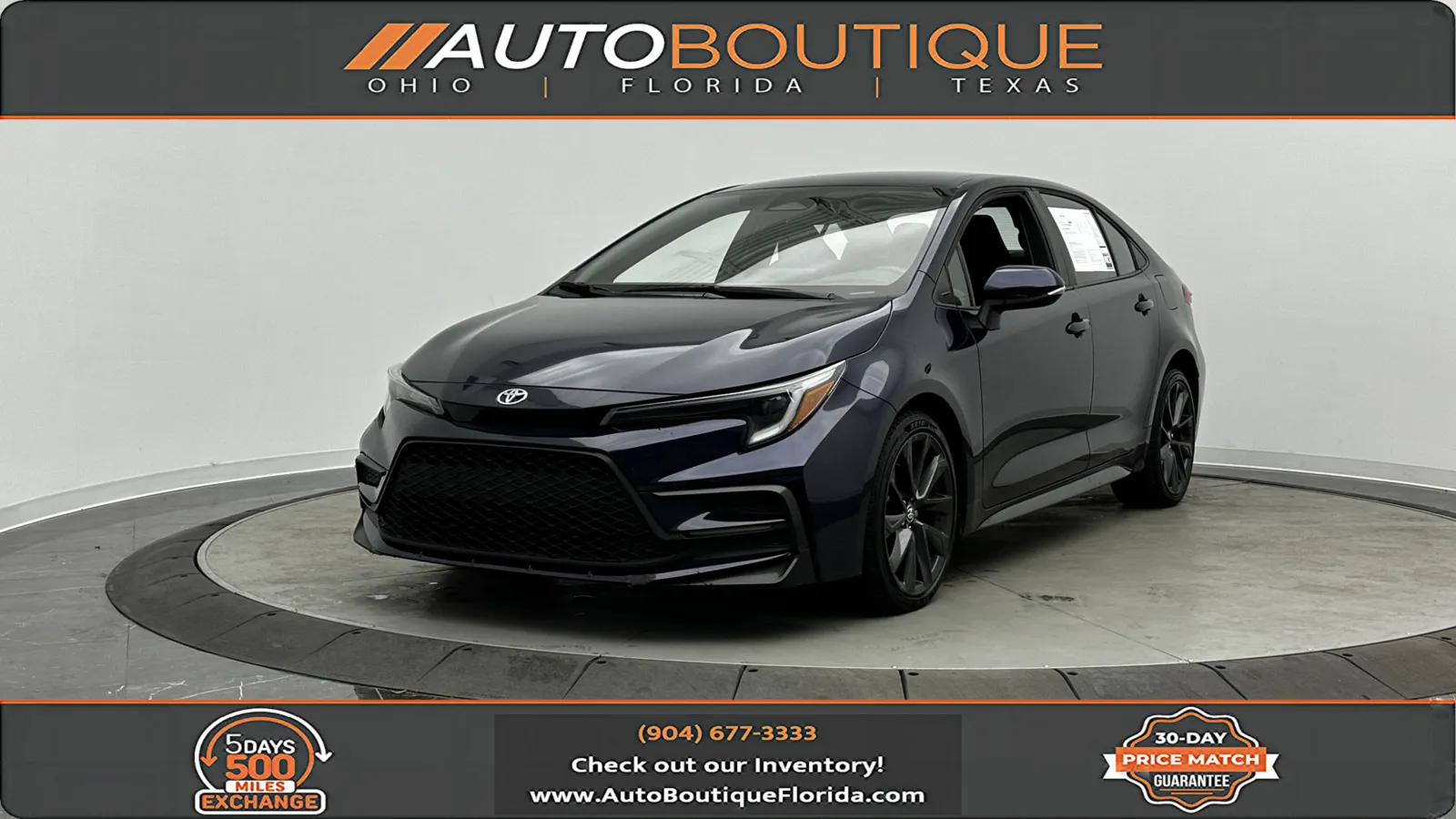
The 2023 Toyota Corolla SE Hybrid bridges the gap between high fuel economy and engaging everyday drivability by pairing an updated hybrid system with sport-tuned styling, sharper handling characteristics, and standard all-wheel-drive availability for the first time in North America.
The introduction of the hybrid powertrain to the sport-oriented SE trim marks a significant evolution for Toyota's compact car lineup. Historically, choosing a Corolla Hybrid meant sacrificing aesthetic aggression and driving dynamics for the sake of hyper-miling. The 2023 model year changes this narrative by bringing aggressive exterior styling, a retuned suspension, and updated electronic architecture to the efficient platform. Understanding the vehicle requires breaking down its engineering, interior updates, safety technology, trim-specific features, and overall market positioning.
Powertrain Engineering and Hybrid Performance
At the heart of the 2023 Toyota Corolla SE Hybrid is a 1.8-liter four-cylinder gasoline engine working in tandem with a pair of motor-generators and an electronically controlled planetary gear set, forming Toyota's fifth-generation Hybrid Synergy Drive. While the previous generation of this powertrain produced 121 horsepower, the updated system bumps output to 138 horsepower and 105 lb-ft of torque.
The increase in power stems from revised motor-generators that use smaller, more powerful permanent magnets, along with an upgraded lithium-ion battery pack located beneath the rear seats. This repositioning lowers the vehicle's center of gravity and preserves cargo volume in the trunk. The SE trim can be configured with front-wheel drive (FWD) or an Electronic On-Demand All-Wheel Drive (AWD) system. The AWD variant introduces a dedicated, rear-mounted permanent-magnet motor that drives the rear wheels autonomously when slip is detected, improving traction in inclement weather without adding a mechanical driveshaft that would otherwise sap fuel economy.
Fuel economy remains the primary draw for hybrid buyers. Front-wheel-drive variants achieve EPA-estimated figures around 50 mpg city and 43 mpg highway, while the electronic all-wheel-drive configuration trades a minimal amount of efficiency for all-weather confidence, returning roughly 47 mpg city and 41 mpg highway. Power delivery is managed by an electronically controlled Continuously Variable Transmission (e-CVT) designed to minimize the rubber-band sensation often associated with older CVT units through simulated stepped shifts during heavy acceleration.
Exterior Design and Aerodynamics
The SE trim distinguishes itself from base LE hybrid models and higher-end XLE trims through an aggressive design language tailored toward younger buyers or enthusiasts seeking daily efficiency. The front fascia features a distinct mesh grille, dark gray metallic accents, and sharp LED headlights with integrated daytime running lights.
Aerodynamic efficiency dictates much of the Corolla's exterior form. The body shape is sculpted to channel air cleanly around the vehicle, reducing the drag coefficient and maximizing highway fuel economy. The SE grade adds a distinct rear lower diffuser, a color-matched rear lip spoiler, and chrome-tipped dual exhaust finishers.
Riding on 18-inch alloy wheels finished in gloss graphite—a notable step up from the smaller 15- or 16-inch wheels found on efficiency-focused trims—the SE fills out its wheel arches much better than its predecessors. These larger wheels come wrapped in P225/40R18 all-season tires, which contribute to a firmer, more planted contact patch that benefits lateral grip during cornering.
Interior Layout, Comfort, and Technology
Stepping inside the 2023 Toyota Corolla SE Hybrid reveals a cabin that balances utilitarian durability with modern digital integration. The SE trim features heavily bolstered sport fabric seats designed to keep occupants secure during spirited driving maneuvers. A leather-wrapped steering wheel and shifter add tactile quality to the driver's interface.
Infotainment and Connectivity
The 2023 model year overhaul brought the Toyota Audio Multimedia system to the Corolla lineup. Gone is the laggy, dated infotainment software of previous years; it has been replaced by an 8-inch touchscreen interface powered by a cloud-capable operating system.
- Wireless Integration: Apple CarPlay and Android Auto come standard, allowing seamless smartphone mirroring without the clutter of cables.
- Over-the-Air Updates: The system supports OTA software updates for maps, media, and vehicle diagnostics, reducing dealership visits.
- Voice Recognition: A virtual assistant activated by the phrase "Hey Toyota" manages climate control, audio selection, and navigation requests.
- USB-C Ports: Multiple USB-C charge ports are distributed across the front and rear cabins to support modern device charging speeds.
Handling, Ride Quality, and Driving Dynamics
While no one will mistake a Corolla Hybrid for a dedicated sports car, the SE trim benefits from a sport-tuned suspension setup that includes unique coil springs, damper valving, and stabilizer bar tuning. Combined with the stiffer TNGA-C (Toyota New Global Architecture) platform, the chassis resists body roll remarkably well for a compact hybrid sedan.
Steering weight is handled by an electric power steering (EPS) system calibrated specifically for the SE trim. It offers a heavier, more direct on-center feel compared to the lighter steering setup on standard LE models. Braking blends regenerative deceleration with traditional hydraulic friction brakes. Toyota has refined the pedal transition point, meaning the regenerative bite does not feel overly grabby or unpredictable—a common pitfall in early-generation hybrid vehicles.
Safety and Driver-Assistance Systems
Safety equipment is comprehensive across all 2023 Corolla variants, courtesy of the standard Toyota Safety Sense 3.0 (TSS 3.0) suite. This camera- and radar-based safety network includes several active driver aids designed to mitigate collisions and ease driver fatigue during long commutes.
| Safety Feature | Primary Function | Operational Scope |
|---|---|---|
| Pre-Collision System with Pedestrian Detection | Detects vehicles, pedestrians, cyclists, and motorcyclists; applies emergency braking if driver fails to react. | Operates across a wide speed range; includes intersection support. |
| Lane Departure Alert with Steering Assist | Warns driver via audio/visual cues and applies corrective steering torque if vehicle drifts out of lane. | Active on marked roads above specified speeds. |
| Lane Tracing Assist | Centers vehicle within its lane using lane markers or the path of the preceding vehicle when Dynamic Radar Cruise Control is active. | Highway and major thoroughfare assistance. |
| Dynamic Radar Cruise Control | Maintains a preset distance from the vehicle ahead, capable of full-stop capability in traffic. | Full-speed range adaptive cruise control. |
| Road Sign Assist | Detects speed limit signs, stop signs, and yield signs, displaying them on the multi-information display. | Camera-based recognition. |
| Automatic High Beams | Automatically toggles between high and low beams based on oncoming traffic and surrounding lighting conditions. | Operates at night above set speeds. |
Comparative Overview: SE Hybrid vs. Competitors
The compact hybrid sedan market features distinct choices. To understand where the 2023 Toyota Corolla SE Hybrid stands, it helps to examine its competitive matrix against class alternatives.
- Toyota Corolla SE Hybrid vs. Honda Civic (Gasoline): While the Civic offers sharper driving dynamics and more rear legroom, it cannot match the fuel economy of the Corolla Hybrid, especially in urban driving cycles where hybrids excel.
- Toyota Corolla SE Hybrid vs. Hyundai Elantra Hybrid: The Elantra Hybrid offers comparable fuel economy and a larger digital display layout, but the Corolla counters with legendary long-term reliability scores and the option for electronic all-wheel drive.
- Toyota Corolla SE Hybrid vs. Corolla LE Hybrid: The LE emphasizes pure efficiency with smaller wheels and softer suspension tuning, whereas the SE trades minor fuel economy for sporty exterior styling, larger wheels, and sharper handling response.
Pros, Cons, and Ownership Considerations
Evaluating the 2023 Toyota Corolla SE Hybrid requires balancing its inherent strengths against operational limitations.
Advantages
- Exceptional Fuel Efficiency: Real-world mileage frequently hovers near or above EPA estimates, significantly cutting fuel expenditures.
- AWD Availability: The electronic all-wheel-drive system provides crucial stability in snow-belt regions without requiring a complete vehicle redesign.
- Modernized Infotainment: The shift to Toyota's newer software architecture eliminates previous complaints regarding slow screen response and lack of wireless smartphone integration.
- Resale Value: Toyota vehicles retain high residual values compared to direct class competitors.
Limitations
- Rear Seat Space: Rear legroom is adequate for children and average-sized adults, but taller passengers may find knee room tight on long trips.
- Cabin Noise: Under hard acceleration, the engine drone characteristic of e-CVT transmissions penetrates the cabin, though cruising noise levels remain well-managed.
- Firm Ride: The sport-tuned suspension and 18-inch low-profile tires on the SE trim transmit sharper impacts over broken pavement compared to the base LE.
Common Maintenance and Reliability Factors
Maintaining a Corolla Hybrid follows a predictable, cost-effective schedule. Routine services involve standard oil changes every 10,000 miles or 12 months, tire rotations, and cabin air filter replacements. The hybrid battery cooling filter, located near the rear passenger seat, requires periodic inspection and cleaning to prevent dust buildup and maintain thermal efficiency.
Toyota covers the hybrid components with an eight-year/100,000-mile warranty, while the hybrid battery itself is backed by a 10-year/150,000-mile federal warranty, offering long-term peace of mind for buyers purchasing used or keeping the vehicle for extended ownership cycles.
Frequently Asked Questions
Does the 2023 Toyota Corolla SE Hybrid require plugging in?
No, the Corolla SE Hybrid is a traditional hybrid electric vehicle (HEV), meaning it self-charges via regenerative braking and excess energy from the internal combustion engine. It cannot be plugged into an external power source.
What is the difference between the LE Hybrid and SE Hybrid?
The LE Hybrid focuses on maximum fuel economy, featuring 15-inch wheels, softer suspension, and traditional comfort tuning. The SE Hybrid adds sport-tuned suspension, 18-inch alloy wheels, aggressive body styling, sport fabric seats, and a leather-wrapped steering wheel.
Is all-wheel drive standard on the SE Hybrid?
All-wheel drive is optional on the SE Hybrid. Buyers can choose between front-wheel drive (FWD) and the Electronic On-Demand All-Wheel Drive (AWD) system, which adds a dedicated rear motor for enhanced traction.
How does the e-CVT differ from a traditional automatic transmission?
The electronic Continuously Variable Transmission uses a planetary gear set to blend power from the engine and electric motors continuously, avoiding physical gear ratios. However, Toyota programs simulated shift points into the SE trim to mimic the feel of a traditional geared transmission during hard acceleration.
Can you fit a roof rack or tow a trailer with this vehicle?
Toyota does not rate the Corolla Hybrid for towing. Installing aftermarket trailer hitches may void powertrain warranties. Roof racks can be installed using certified aftermarket crossbars designed for the Corolla's roof mounting points.
Final Recommendation
The 2023 Toyota Corolla SE Hybrid represents a smart choice for commuters and drivers who want the financial benefits of exceptional fuel economy without driving a penalty box. By combining sharp styling, modern infotainment, and available all-wheel drive, it delivers balanced performance for everyday transit. Prioritize the AWD variant if you reside in a climate with severe winter weather, or stick with the front-wheel-drive model to maximize every drop of fuel on long highway commutes.