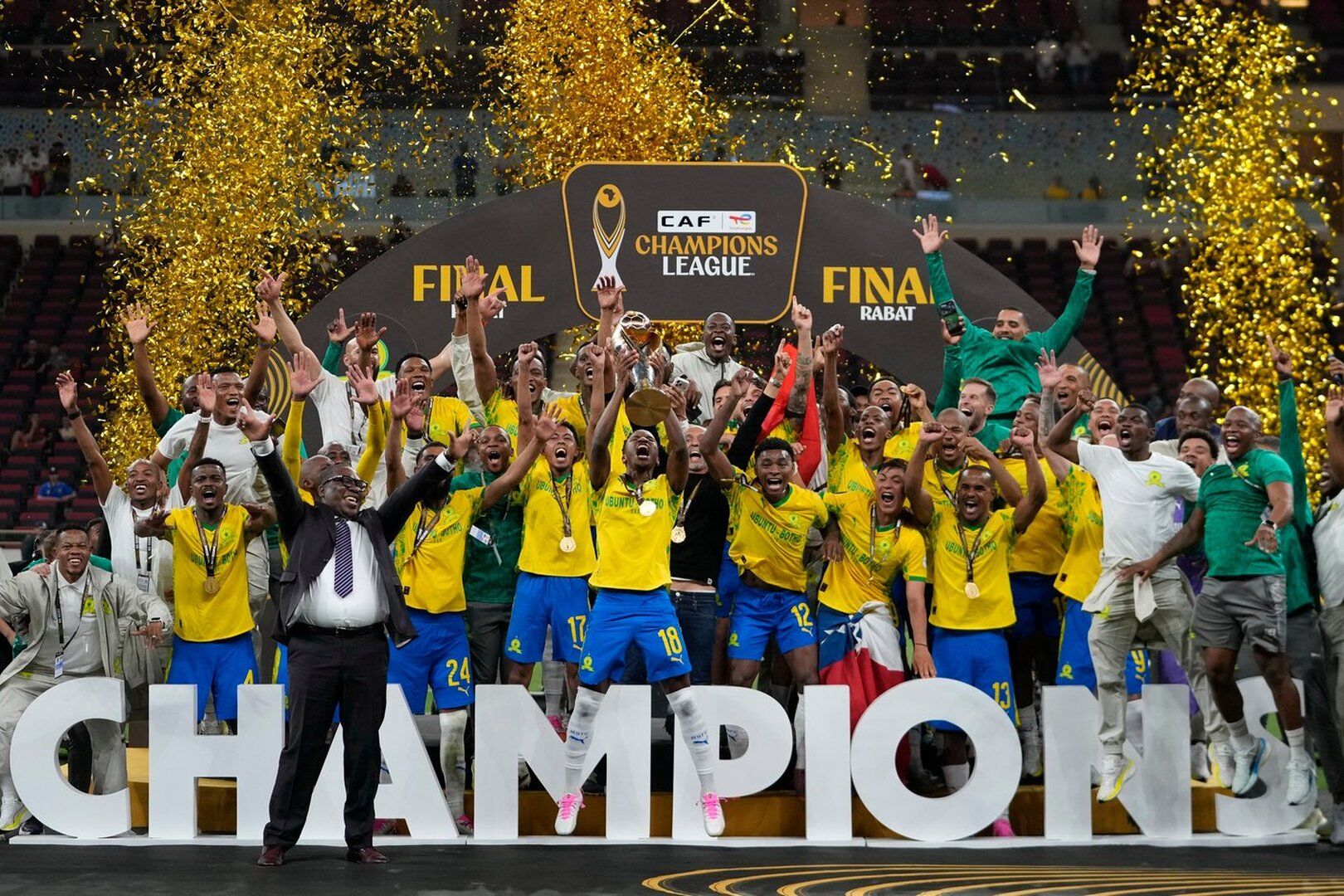
The 2020 African Champions League—officially designated as the 2020 Total CAF Champions League—stands as one of the most uniquely disrupted, dramatic, and historically significant editions in the annals of African club association football. Organized by the Confederation of African Football (CAF), this premier continental tournament brought together the finest domestic league champions and runners-up from across the African continent, culminating in a dramatic conclusion that reshaped the modern landscape of inter-club competition. Navigating unprecedented global health crises, structural reforms, and intense rivalries on the pitch, the 2020 campaign tested the operational resilience of federations, clubs, and players alike.
This comprehensive overview examines the structural framework, the dramatic progression of the tournament phases, the profound impact of external disruptions, the tactical battles, and the ultimate legacy of the 2020 African Champions League. By analyzing how teams adapted to empty stadiums, rearranged schedules, and single-leg knockout formats, football enthusiasts and sports analysts can fully understand how this extraordinary tournament reshaped continental competition.
Structural Framework and Qualifying Landscape
To understand the magnitude of the 2020 African Champions League, one must examine the rigorous qualification pathways and the organizational framework governing the tournament. The Confederation of African Football allocates entry slots based on its 5-year ranking system, which rewards member associations according to the performance of their clubs in both the CAF Champions League and the CAF Confederation Cup over the preceding five seasons.
The top 12 national associations in the CAF 5-year ranking earn the privilege of entering two clubs into the Champions League: the domestic league champion and the league runner-up. Associations ranked 13th and below enter only their domestic league champion. This merit-based distribution ensures that powerhouse football nations such as Egypt, Tunisia, Morocco, Algeria, South Africa, and the Democratic Republic of Congo regularly field multiple contenders, raising the baseline competitive intensity.
Preliminary Rounds and Group Stage Entry
The tournament structure begins with preliminary rounds—the preliminary round and the first round—where lower-ranked entrants compete in home-and-away ties to secure passage to the group stage. Surviving clubs join the pre-seeded elite in the group stage, where 16 teams are divided into four groups of four.
- Group Stage Format: Double-legged round-robin schedule (home and away fixtures against each group opponent).
- Advancement Criteria: The top two teams from each of the four groups advance directly to the two-legged quarter-finals.
- Tie-breaking Rules: Head-to-head results, goal difference in head-to-head matches, away goals in head-to-head matches, overall goal difference, and overall goals scored are sequentially applied to resolve level standings.
The Impact of the Global Pandemic and Tournament Disruption
No historical account of the 2020 African Champions League is complete without addressing the profound disruption caused by the global COVID-19 pandemic. In March 2020, as the group stage concluded and teams prepared for the decisive knockout phases, public health emergencies forced CAF to suspend all football activities indefinitely.
The suspension stretched across several months, creating unprecedented logistical challenges for clubs, players, and tournament administrators. Leagues across the continent faced different restart protocols, player contracts expired or required temporary extensions, and international travel restrictions fluctuated wildly between North Africa, Sub-Saharan Africa, and Southern Africa.
Rescheduling and Format Adjustments
When CAF announced the resumption of the tournament for late 2020, structural adjustments became necessary to protect player welfare and complete the competition before the next continental cycle:
- Single-Leg Semifinals: Traditionally played over two legs (home and away), the semifinal fixtures were hastily converted into single-leg knockout matches hosted at neutral venues or predetermined locations to minimize international travel.
- Staggered Timelines: The final match, originally slated for May 2020, was ultimately pushed to November 2020, creating a bizarre calendar overlap where domestic leagues for the 2020-2021 season were already underway while the 2019-2020 continental champion was still being crowned.
- Strict Health Protocols: Matches resumed behind closed doors without spectators, shifting the traditional home-advantage dynamic where raucous home crowds regularly influence refereeing decisions and player psychology.
Group Stage Highlights and Quarter-Final Contenders
The group stage of the 2020 CAF Champions League delivered intense tactical battles and notable upsets, establishing clear favorites early while eliminating several traditional contenders.
In Group A, five-time champions Zamalek (Egypt) and defending champions Espérance de Tunis (Tunisia) secured their progression, overcoming resilient challenges from TP Mazembe's traditional dominance and Petro de Luanda. Group B saw record title-holders Al Ahly (Egypt) secure second place behind a surging Étoile du Sahel (Tunisia), while Platinum FC and Al Hilal bowed out.
Group C featured a fierce battle where Mamelodi Sundowns (South Africa) claimed the top spot with disciplined tactical performances, accompanied by Wydad AC (Morocco). Finally, Group D witnessed Raja Casablanca (Morocco) and Espérance's domestic rivals secure advancement in tightly contested fixtures.
Summary of Quarter-Final Pairings
| Matchup | First Leg Result | Second Leg Result | Aggregate Winner |
|---|---|---|---|
| Al Ahly vs. Mamelodi Sundowns | Al Ahly 2 - 0 Mamelodi Sundowns | Mamelodi Sundowns 1 - 1 Al Ahly | Al Ahly (3–1) |
| Raja Casablanca vs. TP Mazembe | Raja Casablanca 2 - 0 TP Mazembe | TP Mazembe 1 - 0 Raja Casablanca | Raja Casablanca (2–1) |
| Zamalek vs. Espérance de Tunis | Zamalek 3 - 1 Espérance de Tunis | Espérance de Tunis 1 - 0 Zamalek | Zamalek (3–2) |
| Wydad AC vs. Étoile du Sahel | Wydad AC 2 - 0 Étoile du Sahel | Étoile du Sahel 1 - 0 Wydad AC | Wydad AC (2–1) |
The quarter-finals underscored the enduring strength of North African clubs, as all four semifinalists hailed from Egypt and Morocco—a testament to the deep financial, infrastructural, and tactical investment found within the Botola Pro and the Egyptian Premier League.
The Historic Cairo Derby Final: Al Ahly Versus Zamalek
The climax of the 2020 African Champions League produced a fixture that football historians had anticipated for decades: the first-ever single-match continental final contested between two clubs from the same city and the same country—Cairo's fierce arch-rivals, Al Ahly and Zamalek. Dubbed the "Final of the Century" (Nahaey El Qarn), this match transcended typical sporting rivalries, capturing the attention of the global football community.
Al Ahly entered the match under the tactical guidance of South African coach Pitso Mosimane, who had taken the managerial reins mid-season. Zamalek, coached by Portuguese tactician Jaime Pacheco, boasted a dynamic, counter-attacking unit anchored by creative midfielders and clinical finishers.
Tactical Breakdown of the Decisive Match
The final, played at the Cairo International Stadium, unfolded as a tactical chess match characterized by high intensity and cautious risk management:
- Early Breakthrough: Al Ahly seized the initiative early when Tunisian left-back Ali Maâloul delivered a precise corner kick, allowing midfielder Amr El Solia to power home a header in the 5th minute, giving the Red Eagles an optimal start.
- Zamalek Response: Rather than crumbling, Zamalek reorganized and began dominating possession. Their persistence paid off in the 31st minute when star winger Shikabala collected a loose ball, dribbled past multiple defenders, and unleashed a sensational curling shot into the top corner from outside the box—widely regarded as one of the finest goals in Champions League final history.
- The Late Winner: As the match appeared destined for extra time, Al Ahly midfielder Mohamed Magdy (commonly known as "Afsha") capitalized on a defensive clearance in the 86th minute. Controlling the ball on the half-volley, Afsha struck a dipping, curling shot past Zamalek goalkeeper Mohamed Abou Gabal, securing a dramatic 2–1 victory for Al Ahly.
This victory marked Al Ahly’s record-extending 9th CAF Champions League title, cementing their status as the undisputed kings of African club football while breaking a seven-year continental drought for the club.
Statistical Overview and Key Performers
Analyzing the numbers behind the 2020 tournament reveals the tactical trends that defined the season. While attacking flair captured headlines, defensive solidity and tactical discipline proved to be the decisive factors in navigating the knockout stages.
- Top Goalscorers: Jackson Muleka (TP Mazembe) finished among the tournament's leading marksmen with 7 goals before his team's exit, showcasing lethal finishing in the preliminary and group phases. Achraf Bencharki (Zamalek) also played a pivotal role in his club's run to the final with crucial goals.
- Defensive Records: Both Al Ahly and Raja Casablanca demonstrated exceptional defensive organization, leveraging experienced central defensive partnerships and disciplined holding midfielders to stifle opponent transitions.
- Managerial Impact: Pitso Mosimane’s mid-tournament transition from Mamelodi Sundowns to Al Ahly highlighted the growing mobility and tactical sophistication of African coaching talent, proving that indigenous tactical strategies can successfully command elite continental giants.
Legacy and Long-Term Impact on African Football
The 2020 African Champions League left an indelible mark on the governance, scheduling, and commercial viability of club football organized by CAF.
Operational Lessons Learned
The severe disruptions forced CAF to re-evaluate tournament logistics, leading to more robust contingency planning for subsequent editions. The successful implementation of single-leg knockout rounds under emergency conditions demonstrated that flexibility is achievable without sacrificing sporting integrity, paving the way for future format discussions regarding neutral-venue finals.
Furthermore, the heightened global viewership of the Cairo Derby final proved the immense commercial potential of elite African club fixtures. Broadcasting rights, digital engagement, and sponsorship valuations experienced upward momentum, encouraging clubs to professionalize their academy structures, medical departments, and media operations to compete at the highest tier.
Frequently Asked Questions
Who won the 2020 African Champions League?
Al Ahly of Egypt won the 2020 CAF Champions League by defeating their arch-rivals Zamalek 2–1 in the final. The decisive match took place in Cairo, secured by a late 86th-minute goal from Mohamed Magdy (Afsha), earning Al Ahly their historic ninth continental title.
Why was the 2020 CAF Champions League delayed?
The tournament was significantly delayed due to the global COVID-19 pandemic, which forced CAF to suspend all football matches in March 2020. The competition resumed several months later with modified single-leg semifinal fixtures and a rescheduled final played in November 2020.
Where was the 2020 CAF Champions League final played?
The final was played at the Cairo International Stadium in Cairo, Egypt. Because it was contested between two Egyptian clubs (Al Ahly and Zamalek) and held under health restrictions, the match took place behind closed doors without fans in attendance.
How many teams participate in the CAF Champions League group stage?
The CAF Champions League group stage features 16 teams. These clubs are divided into four groups of four teams each, playing a double round-robin format where home and away fixtures determine which top two teams from each group advance to the quarter-finals.
What is the significance of the Cairo Derby in the 2020 final?
The 2020 final marked the first time in history that two clubs from the same city—and the same country—faced each other in the championship match of the CAF Champions League. The intense rivalry between Al Ahly and Zamalek elevated global interest and media coverage to unprecedented levels.
Conclusion and Next Actions
The 2020 African Champions League remains a masterclass in resilience, tactical evolution, and sporting drama. For researchers, analysts, and passionate fans studying the history of African football, examining this specific campaign reveals how structural adaptability and elite individual brilliance can overcome external disruption. To deepen your understanding of continental football history, review subsequent CAF tournament reports, examine the historical performance metrics of North African powerhouses, and explore official archives maintained by the Confederation of African Football.