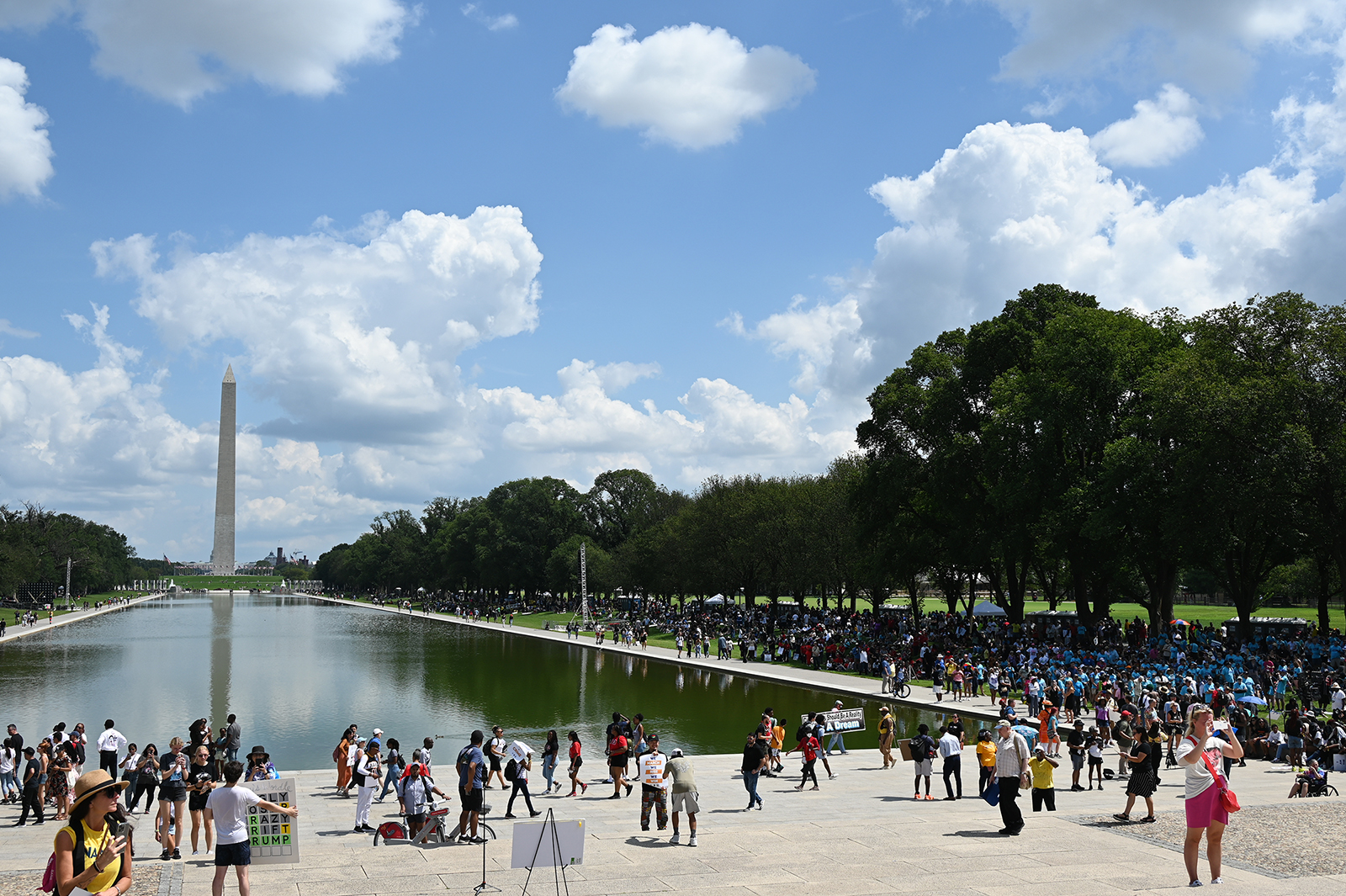
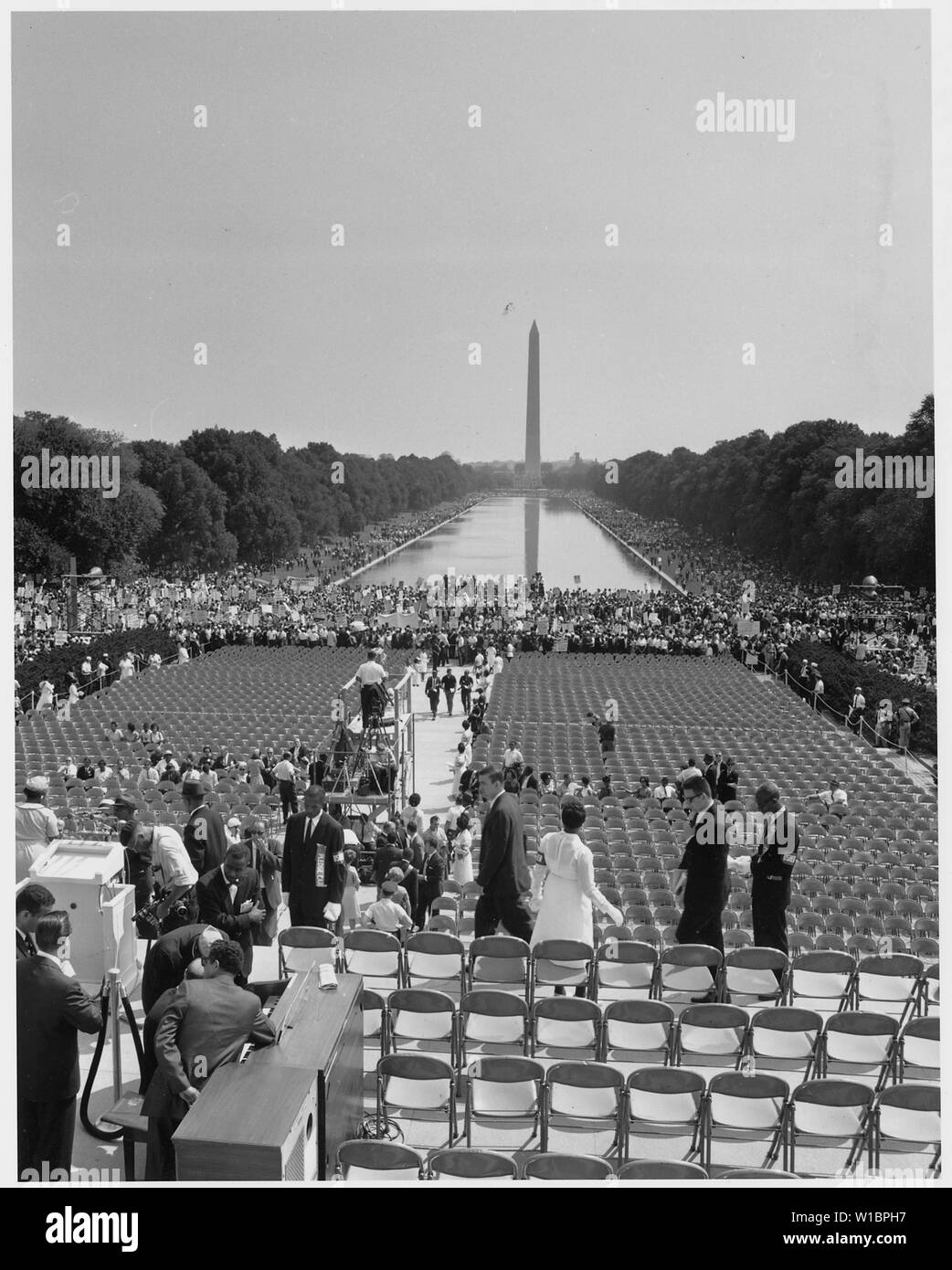
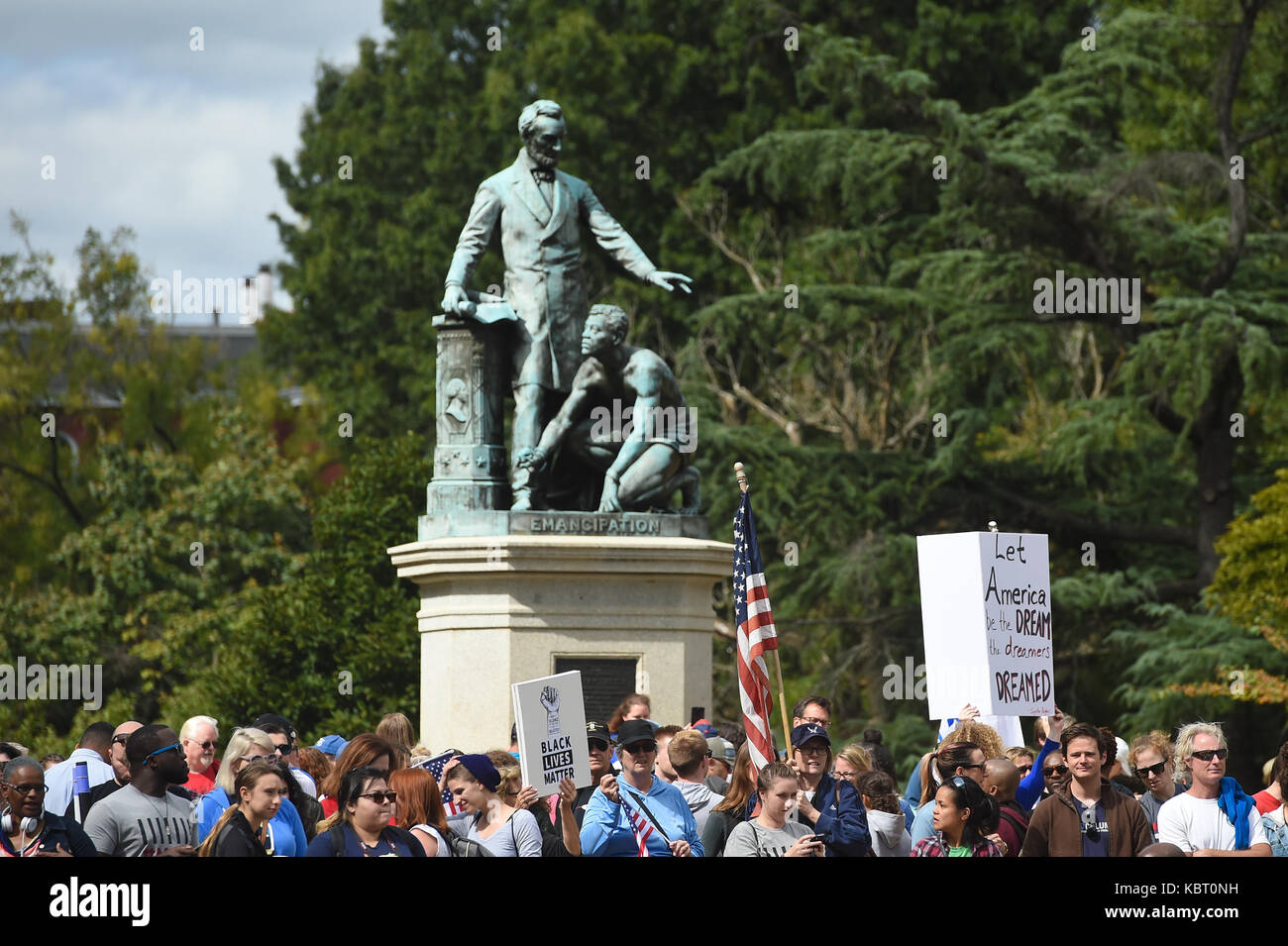
The 2019 Emancipation March in Washington, D.C., refers to the localized grassroots commemorative activities surrounding the anniversary of the District of Columbia Compensated Emancipation Act. This event serves as an annual public observance held in the nation's capital to honor the signing of the act on April 16, 1862, which freed enslaved people in the District nine months before the national Emancipation Proclamation.
The Historical Significance of Compensated Emancipation
To understand the 2019 commemoration, one must first recognize the unique status of the District of Columbia in American history. On April 16, 1862, President Abraham Lincoln signed the Compensated Emancipation Act into law. This legislation was unique because it applied specifically to the District of Columbia, making it the only place in the United States where the federal government directly abolished slavery.
Under the terms of the act, slaveholders who remained loyal to the Union were compensated up to $300 for each person they emancipated. While the act was a significant legal milestone, historians note that the compensation aspect remains a point of intense scholarly discussion regarding the commodification of human freedom. Every year, D.C. residents and activists gather to acknowledge this date, marking a pivotal moment in the transition toward universal abolition. By 2019, the observance had evolved into a multifaceted demonstration of local identity, racial justice advocacy, and reflection on the unfinished work of civil rights.
Contextualizing the 2019 March
The 2019 commemorative events were characterized by a strong emphasis on the intersection of local history and contemporary social movements. In Washington, D.C., "Emancipation Day" is not merely a historical memorial; it is an official local holiday that carries significant weight regarding the city's ongoing quest for political autonomy.
During the 2019 period, the march and associated activities were focused on the dual themes of remembering the enslaved people who gained their freedom through the 1862 Act and highlighting the modern struggle for D.C. statehood. Organizers and participants utilized the platform to bridge the gap between 19th-century abolitionist history and 21st-century concerns about voting representation. The march functioned as a public stage for community leaders to remind the federal government that the citizens of the District of Columbia, who are subject to federal law, still lack full congressional representation.
Structure of the 2019 Commemorative Events
The commemorative efforts in 2019 were structured to provide both educational value and space for political advocacy. Unlike a single centralized protest, the activities around the anniversary usually comprise a series of events held across the District, with the march acting as a focal point.
- Educational Outreach: Local historical societies and museum programs provided deep dives into the lives of those emancipated by the 1862 act.
- Public Procession: The march served as a visual representation of the community's commitment to civil rights, moving through historic corridors to connect past sites of slavery with current sites of political power.
- Advocacy Forums: Following the march, organizers held forums to address the legal and constitutional barriers preventing D.C. statehood.
- Cultural Performances: The integration of music, spoken word, and religious observance played a critical role in the 2019 events, reflecting the cultural heritage of the city’s African American population.
Comparative Timeline: Historical Emancipation vs. Modern Observance
The following table outlines the key differences in how the themes of the original 1862 act were interpreted during the 2019 march compared to the original legislative event.
| Feature | 1862 Compensated Emancipation Act | 2019 Commemorative March |
|---|---|---|
| Primary Goal | Legal abolition of slavery in D.C. | Civic engagement and statehood advocacy |
| Key Entities | Abraham Lincoln and Congress | Local D.C. activists and civic groups |
| Economic Context | Compensation paid to slaveholders | Economic focus on fair federal taxation |
| Political Status | Jurisdictional move for the District | Push for equal representation/Statehood |
| Public Sentiment | Intense division over abolition | Unified push for democratic rights |
The Role of Advocacy and Local Leadership
The 2019 march was significantly shaped by the leadership of local organizations dedicated to the "51st State" movement. For these groups, the anniversary of Emancipation is an opportune time to frame the lack of statehood as a modern, albeit different, form of disenfranchisement. The logic follows that just as the District was used to test the legal framework of slavery and its abolition, it is now being used to test the limits of American democracy in the 21st century.
Participants in 2019 emphasized that the commemoration is an essential reminder that history is not static. By marching, residents asserted their right to participate in the legislative process. The event served as a troubleshooting mechanism for the local democracy, forcing observers to confront the question: Can a population truly be "emancipated" if it lacks the power to influence the laws that govern it?
Identifying and Addressing Misconceptions
A common error in understanding the 2019 march is conflating it with broader, nationwide protests. While the 2019 march in D.C. drew inspiration from national civil rights movements, it remained firmly rooted in the specific jurisdictional and historical context of Washington, D.C.
Another frequent point of confusion is the distinction between the D.C. Emancipation Act and the national Emancipation Proclamation. The 1862 act was a localized, legislative solution that preceded the executive order signed by President Lincoln in 1863. The 2019 march organizers made concerted efforts to educate attendees on this nuance to ensure the historical accuracy of the protest's messaging.
Prerequisites for Understanding Modern D.C. Advocacy
If you are researching the 2019 event to better understand the current landscape of the D.C. statehood movement in 2026, you should consider the following prerequisites:
- Knowledge of the Residence Act of 1790: Understanding how D.C. was formed is essential to understanding why it lacks voting representation in the Senate.
- Awareness of Local Governance: Recognizing that the D.C. Home Rule Act of 1973 governs the city’s ability to pass its own laws provides context for why residents march.
- Distinction Between Federal and Local Authority: The 2019 marchers frequently highlighted how federal oversight complicates the city's ability to manage its own budget and judicial processes.
Challenges and Operational Limitations
The 2019 march faced operational challenges common to large-scale urban demonstrations. These included the management of traffic, coordination with the Metropolitan Police Department, and the securing of public permits for marches along federal land—which is managed by the National Park Service.
Successful organization of the 2019 event required meticulous planning. Organizers had to navigate the administrative landscape of the capital, balancing the desire for a disruptive, impactful march with the necessity of maintaining permit compliance to ensure the safety and legality of the protest. These logistical hurdles are a constant in D.C. activism, as the city’s layout and high security profile require significant coordination between civil society and government agencies.
Frequently Asked Questions
What is the difference between D.C. Emancipation Day and Juneteenth? D.C. Emancipation Day (April 16) commemorates the 1862 act that abolished slavery specifically in the nation’s capital. Juneteenth (June 19) commemorates the end of slavery in the United States at large, marking the date in 1865 when news of emancipation reached enslaved people in Galveston, Texas.
Why is the 2019 march relevant to my current search? The 2019 march serves as a historical case study for how local activists leverage historical anniversaries to push for modern political change, specifically concerning D.C. statehood and voting rights.
How is the D.C. Compensated Emancipation Act viewed by modern historians? It is viewed as a complex legislative achievement. While it ended slavery in the District, historians critique the "compensation" provision that essentially rewarded slaveholders for their loss of "property," acknowledging the ongoing pain associated with that aspect of the law.
Can I still find materials or documentation from the 2019 march? Yes, local archives and news outlets in the D.C. area documented the 2019 events. Searching local library digital collections or the archives of the Washington Informer or similar D.C.-focused publications will yield the most accurate primary source reporting from that year.
Is D.C. Emancipation Day an official holiday? Yes, it is a legal public holiday in the District of Columbia. Government offices and schools in the city are typically closed on April 16 to observe the event.
Next Actions and Recommendations
If you are interested in the ongoing struggle for D.C. statehood or the history of emancipation in the capital, your next action should be to consult the official records provided by the District of Columbia’s Office of the Secretary. They maintain historical documentation regarding the 1862 act and offer information on how the city continues to observe this legacy. Furthermore, if you are conducting research for academic purposes, review the legislative archives of the 37th United States Congress to see the original text of the Compensated Emancipation Act, which provides the foundational legal context for all subsequent marches and commemorations.