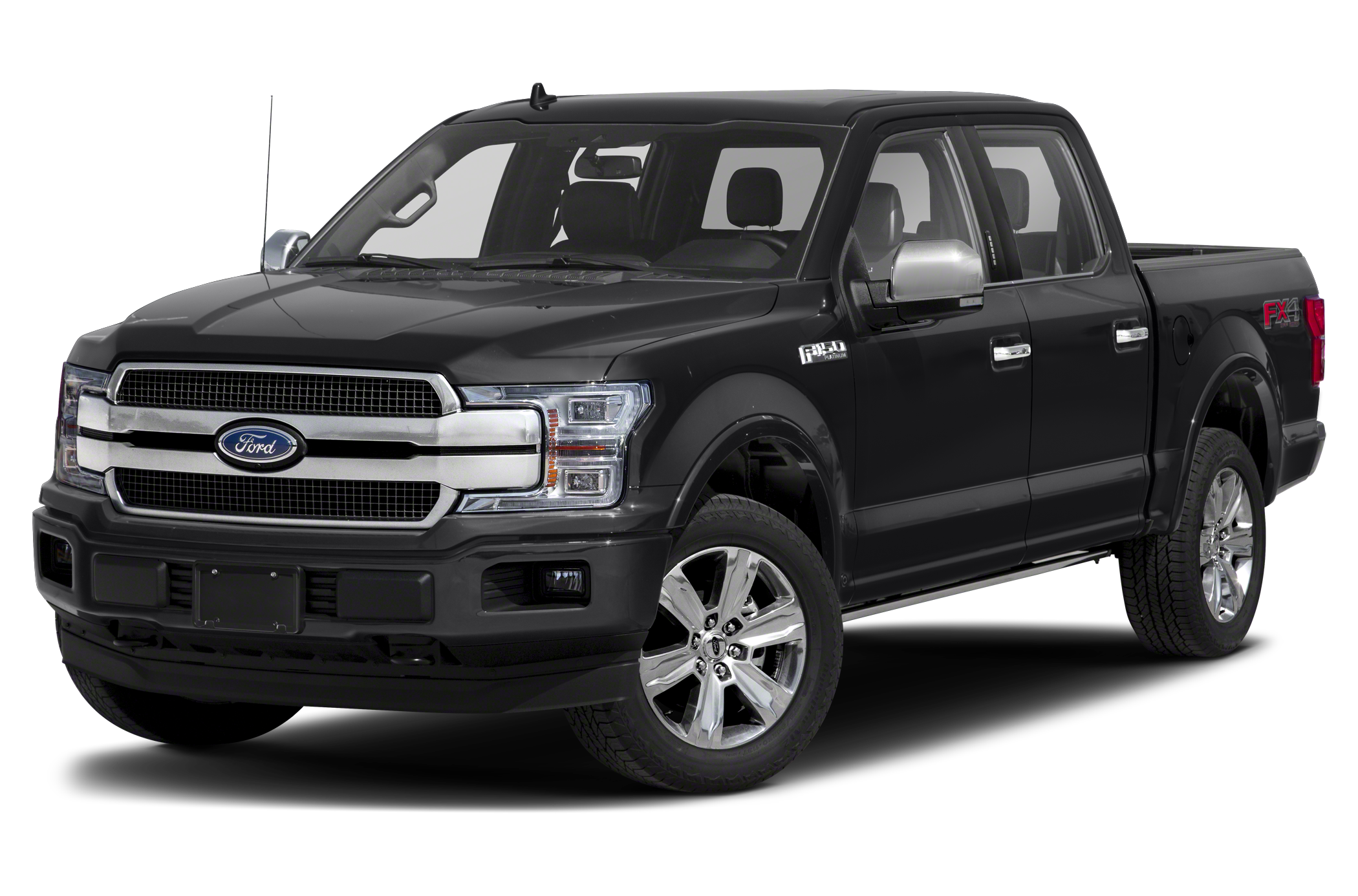
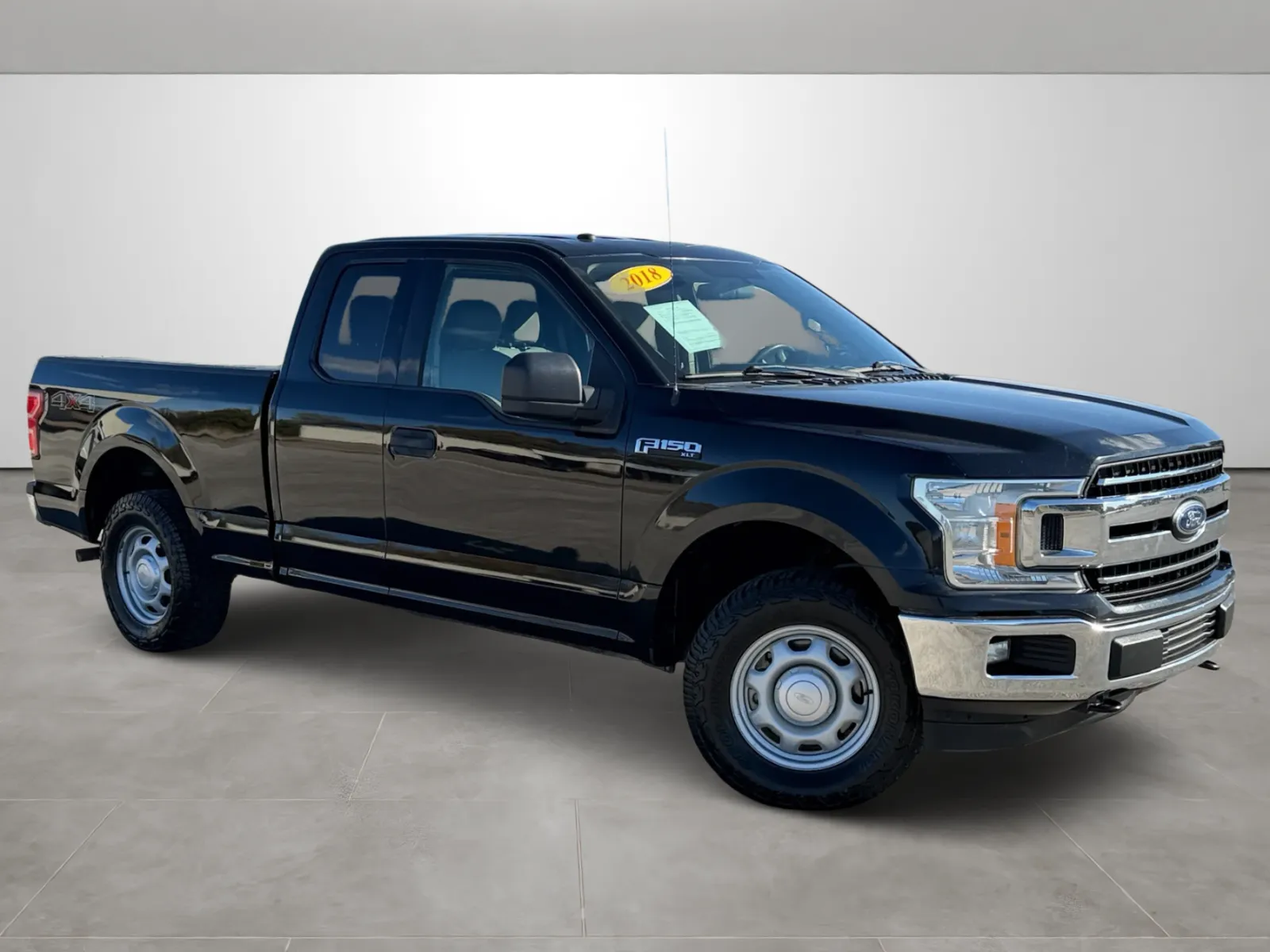
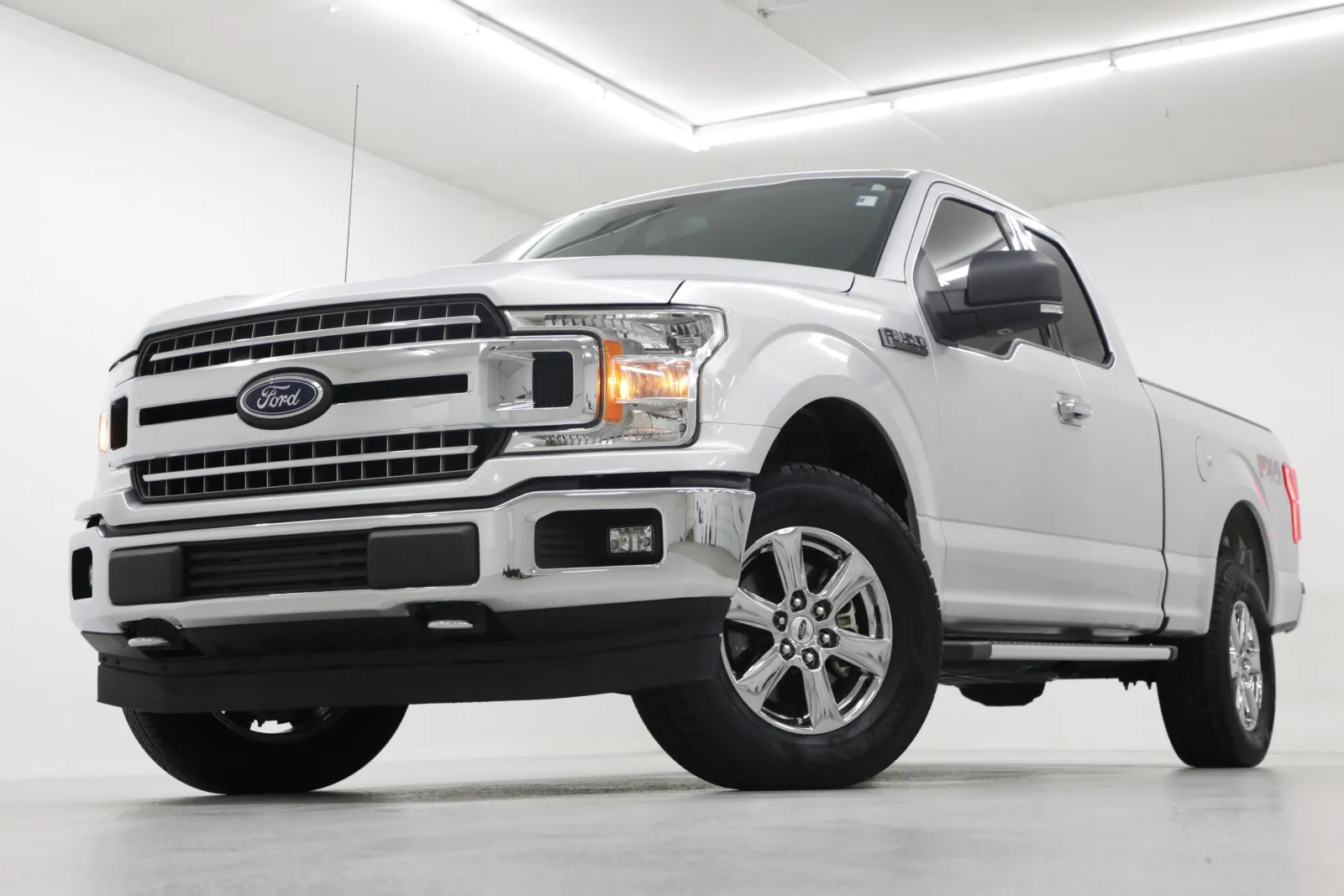
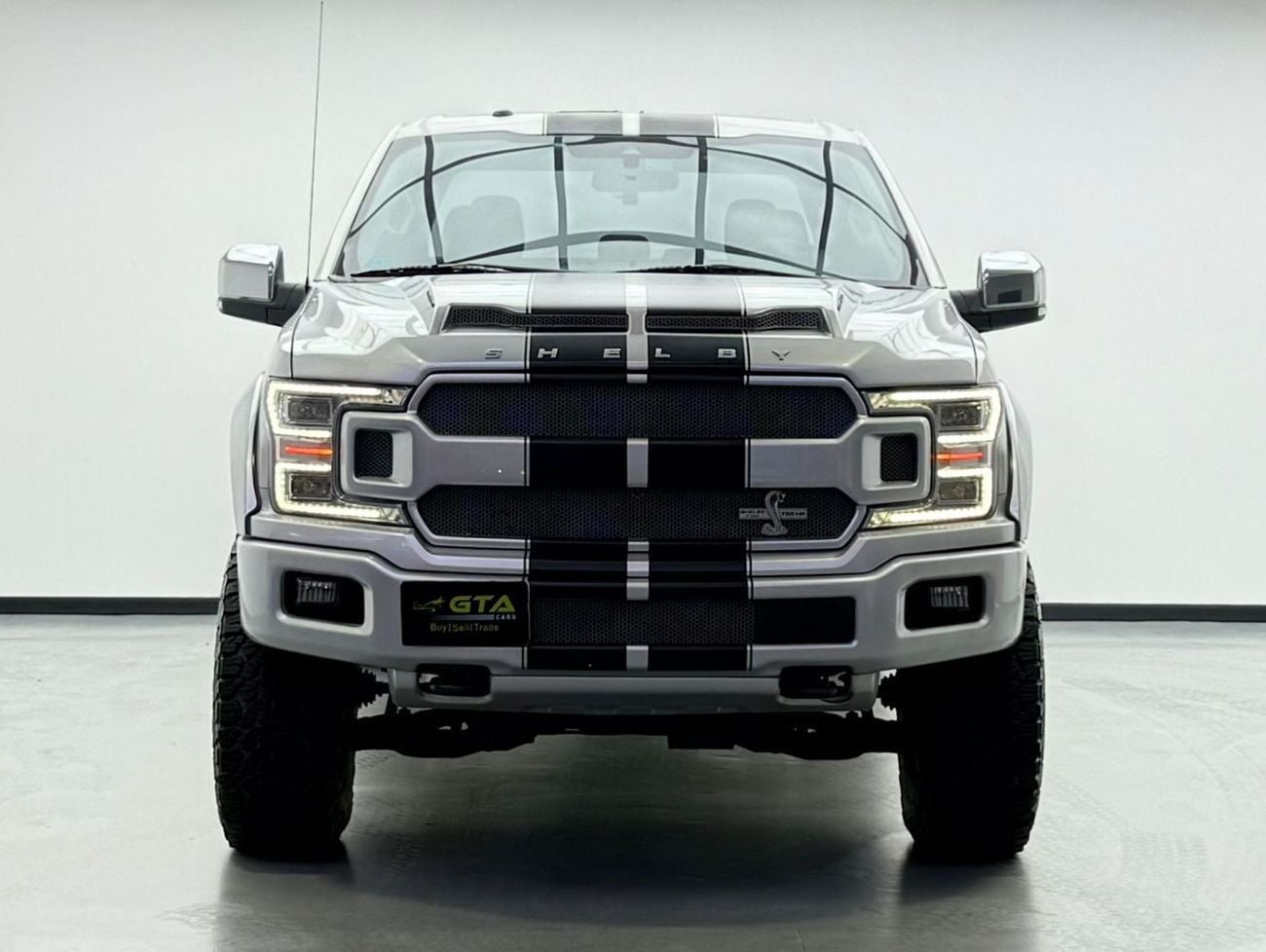
The 2018 Ford F-150 equipped with the 5.0-liter Coyote V8 engine produces an output of 395 horsepower at 5,750 RPM and 400 lb-ft of torque at 4,500 RPM. This iteration marked a major mechanical overhaul for the legendary engine platform, introducing dual-fuel injection, plasma-transferred wire-arc cylinder liners, and a pairing with a 10-speed automatic transmission.
Choosing a half-ton pickup truck often comes down to engine preference, and for truck traditionalists, the V8 remains a staple. When Ford refreshed its best-selling F-150 lineup for the 2018 model year, the iconic 5.0-liter "Coyote" engine received its most extensive engineering update since its inception. Beyond the raw horsepower and torque numbers, these mechanical updates altered how the truck towed, accelerated, and consumed fuel. Analyzing this engine involves examining its core output, internal structural redesigns, transmission pairing, real-world utility, and common ownership considerations.
The 2018 Coyote V8 Engine Architecture
To understand the 395 horsepower output of the 2018 Ford F-150 5.0L engine, it is necessary to look inside the block. Prior to 2018, the second-generation Coyote V8 utilized traditional cast-in-iron cylinder liners. For the third-generation engine introduced in 2018, Ford Performance engineers borrowed technology from the Shelby GT350 Mustang program: plasma-transferred wire-arc (PTWA) spray coating.
Instead of heavy iron sleeves, a microscopic layer of alloyed steel is sprayed directly onto the cylinder bores. This engineering shift reduced internal friction, shaved weight off the engine block, and allowed for an increased displacement. The bore was widened slightly, expanding total displacement from 4.95 liters (5.0L) to 5.03 liters (though commercially marketed as the 5.0L).
Furthermore, the 2018 engine adopted a port-and-direct-injection (PFDI) fuel system. By combining low-pressure port fuel injection with high-pressure direct injection, the engine optimizes combustion efficiency across all RPM ranges. Under light loads, port injectors keep the intake valves clean; under heavy acceleration or towing loads, direct injectors spray fuel straight into the combustion chambers for maximum cooling and power output.
| Specification | 2017 Ford F-150 5.0L V8 | 2018 Ford F-150 5.0L V8 |
|---|---|---|
| Horsepower | 385 hp @ 5,750 RPM | 395 hp @ 5,750 RPM |
| Torque | 387 lb-ft @ 3,850 RPM | 400 lb-ft @ 4,500 RPM |
| Displacement | 4,951 cc | 5,038 cc |
| Fuel System | Port Fuel Injection (PFI) | Dual Port and Direct Injection (PFDI) |
| Cylinder Liners | Cast Iron | Plasma-Transferred Wire-Arc (PTWA) |
| Transmission Pairing | 6-speed Automatic | 10-speed Automatic (SelectShift) |
Power Delivery and the 10-Speed Automatic Transmission
The 395 horsepower and 400 lb-ft of torque generated by the 2018 5.0L V8 are channeled through Ford’s then-new 10R80 10-speed automatic transmission. In previous model years, the Coyote V8 was mated to a 6-speed automatic. The transition to a 10-speed gearbox dramatically transformed the driving dynamics of the truck.
With closer gear ratios, the transmission keeps the engine operating within its optimal power band much more frequently. When towing heavy loads or climbing steep grades, the transmission can downshift or upshift instantly without suffering from large drops in RPM. While the EcoBoost twin-turbo V6 engines deliver their peak torque much lower in the rev range (starting around 2,500 RPM), the 5.0L V8 requires the driver to explore higher tachometer numbers to access its maximum output. Peak horsepower arrives at 5,750 RPM, while peak torque is achieved at 4,500 RPM. This high-revving nature rewards drivers who prefer a traditional, linear power curve that builds progressively as the throttle is pressed.
Towing Capacities and Payload Performance
Engine horsepower and torque directly dictate a truck's capability. When properly equipped with the appropriate axle ratio (such as the 3.73 electronic-locking rear axle) and the Max Trailer Tow Package, a 2018 Ford F-150 5.0L V8 can achieve a maximum towing capacity of up to 11,600 pounds. Payload capacity for this configuration frequently exceeds 2,000 pounds, depending on cab style, bed length, and drivetrain configuration (4x2 versus 4x4).
When hauling heavy loads, the 5.0L V8 operates smoothly, though drivers accustomed to turbocharged engines will notice a distinct difference in driving technique. EcoBoost engines create a wave of low-end grunt that makes pulling away from a stoplight effortless at partial throttle. The 5.0L V8 requires more throttle input to get heavy loads moving, but it excels at sustained highway cruising and high-RPM passing maneuvers. Engine braking is also a notable strength of the naturally aspirated V8 when descending grades, as engine vacuum helps manage vehicle speed alongside the braking system.
Fuel Economy and Efficiency Realities
EPA fuel economy estimates for the 2018 Ford F-150 5.0L V8 generally hover around 16 mpg city, 22 mpg highway, and 18 mpg combined for rear-wheel-drive models, with four-wheel-drive variants dropping slightly to roughly 15 mpg city, 21 mpg highway, and 17 mpg combined.
However, real-world fuel economy heavily depends on driving habits and payload weight. Because the third-generation Coyote engine loves to rev, aggressive driving directly impacts fuel consumption. Furthermore, owners should monitor engine oil levels regularly. The implementation of the PTWA spray-coated cylinder liners, combined with variable cam timing and low-tension piston rings, led to documented instances of oil consumption in early-production units of this engine generation. Ford issued technical service bulletins (TSBs) to address PCM recalibrations and dipstick redesigns for affected vehicles.
Maintenance, Reliability, and Common Ownership Issues
The 2018 Ford F-150 5.0L V8 is widely regarded as a durable, long-lasting powertrain, but it does have specific maintenance quirks that buyers and current owners should keep in mind:
- Oil Consumption: As noted, early 2018 models can consume oil between changes. Regular monitoring of the dipstick every 1,000 miles is strongly advised until oil consumption patterns are established.
- Transmission Shifting Behavior: The 10R80 10-speed transmission relies heavily on adaptive learning software. Some owners experience harsh shifting, hesitation, or gear-hunting. Software updates performed by a dealership can often resolve these electronic calibration issues.
- Spark Plugs and Ignition Coils: Direct-injection engines subject spark plugs to harsher thermal and pressure environments. Recommended replacement intervals should be adhered to strictly to prevent misfires.
- Timing Chain and Phasers: While less problematic than early EcoBoost variants, maintaining clean oil with frequent changes (every 5,000 to 7,500 miles) is vital to preserve the longevity of the variable camshaft timing (VCT) phasers and timing chain guides.
Frequently Asked Questions
What is the horsepower of a 2018 Ford F-150 5.0L V8?
The 2018 Ford F-150 5.0L V8 produces 395 horsepower at 5,750 RPM and 400 lb-ft of torque at 4,500 RPM. This represents an increase of 10 horsepower and 13 lb-ft of torque over the 2017 model year due to a displacement bump and the introduction of dual port and direct injection.
Does the 2018 F-150 5.0 have a turbo?
No, the 5.0-liter Coyote engine is a naturally aspirated V8. It relies entirely on atmospheric pressure and its advanced fuel injection system to generate power, unlike the 2.7L and 3.5L EcoBoost V6 engines available in the same model lineup, which utilize twin turbochargers.
What transmission is paired with the 2018 5.0L V8?
It is paired with a 10-speed SelectShift automatic transmission (the 10R80). This replaced the 6-speed automatic transmission used in previous model years, helping improve both acceleration performance and highway fuel economy by maintaining optimal engine RPM across a broader range of driving conditions.
What is the maximum towing capacity for a 2018 F-150 5.0L?
When properly configured with the correct rear axle ratio and towing packages, the maximum towing capacity for the 2018 F-150 with the 5.0L V8 engine reaches up to 11,600 pounds. Actual towing capacity varies based on cab style, drivetrain (4x2 vs. 4x4), and cargo weight.
Why do some 2018 5.0 engines consume oil?
Some 2018 models experience oil consumption due to lower-tension piston rings and the interaction with the plasma-transferred wire-arc cylinder liners. Ford released powertrain control module (PCM) updates and revised dipsticks to monitor and mitigate this condition, making service history verification essential when evaluating a used vehicle.
Final Recommendation
For truck buyers evaluating a used half-ton pickup, the 2018 Ford F-150 5.0L V8 offers a compelling blend of traditional V8 sound, linear high-RPM horsepower, and competitive towing capability. If your priority is effortless low-end torque for heavy towing without revving the engine, a 3.5L EcoBoost may suit your driving style better. However, if you value simplicity, sustained high-speed passing power, and the mechanical character of a naturally aspirated V8, ensure you inspect the service records, check for completed TSBs regarding oil consumption, and verify the operation of the 10-speed transmission before making a purchase.