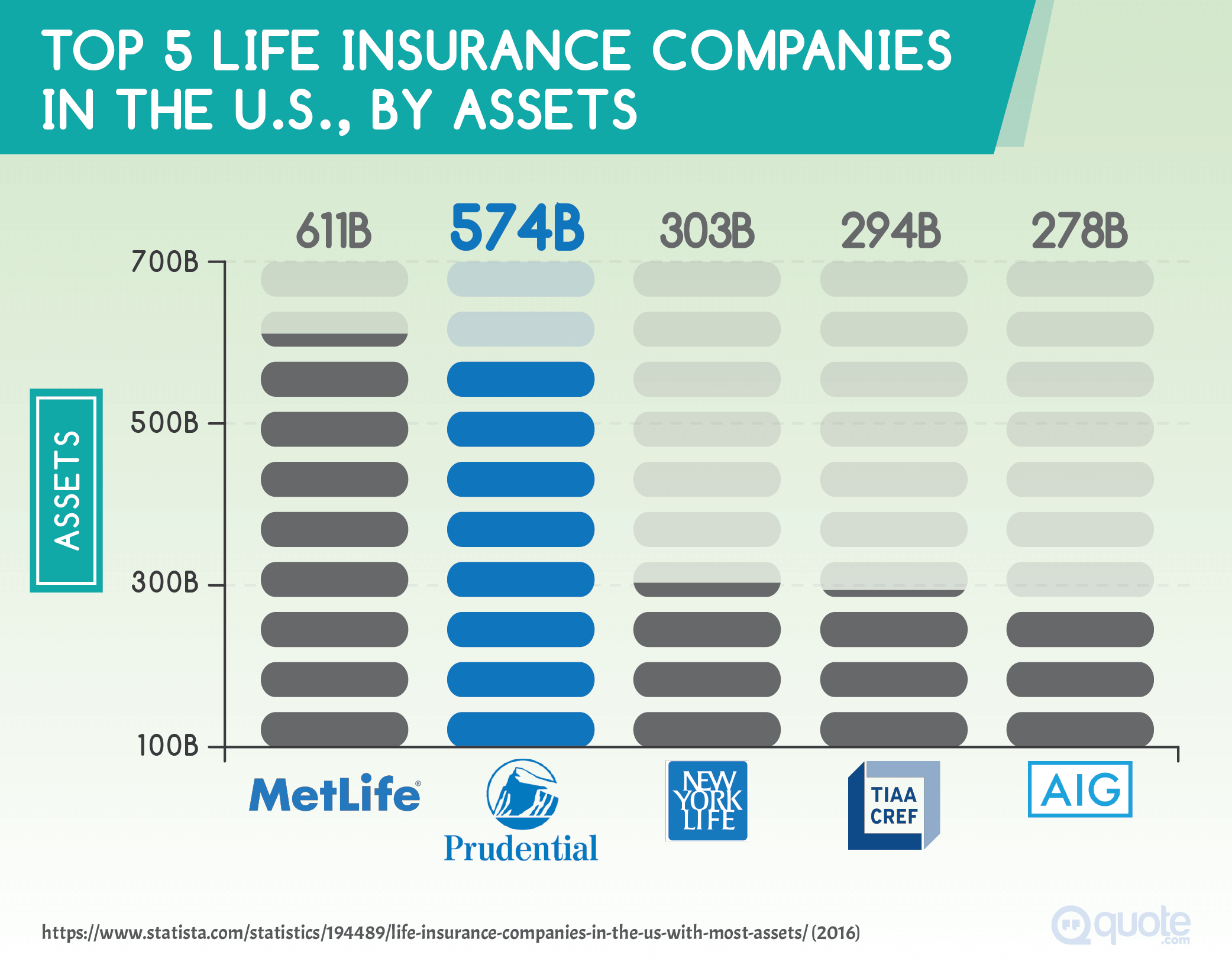
Evaluating the top variable life insurance companies of 2018 requires understanding permanent life coverage combined with investment-linked sub-accounts. Leading providers during this period offered competitive variable universal life (VUL) insurance options, balancing cash value growth potential with equity and bond market exposure, robust policy features, and strong financial stability ratings.
Variable life insurance stands out in the permanent insurance landscape due to its unique integration of a guaranteed death benefit and a cash value component directly tied to financial market performance. When examining the market landscape, policyholders and financial planners often looked back at historical benchmarks from 2018 to understand how major mutual and stock insurance carriers structured their variable universal life (VUL) portfolios. Choosing the right provider involved balancing investment flexibility, historical sub-account performance, administrative costs, and the underlying financial strength of the issuing institution.
Navigating this niche requires a comprehensive look at how these products functioned, the criteria used to evaluate carriers, and the long-term commitments required to maintain market-linked permanent policies.
Understanding Variable Life Insurance and the 2018 Landscape
Variable life insurance is a type of permanent life insurance where the cash value can be invested in a variety of sub-accounts, similar to mutual funds. These sub-accounts typically span domestic equities, international stocks, bonds, and money market portfolios. Because the cash value fluctuates with market performance, the policy’s cash value and, in some cases, the death benefit can grow significantly during bull markets or decline during market downturns.
In 2018, the macroeconomic environment was characterized by steady economic growth, rising interest rates, and a generally upward-trending stock market. This environment made variable universal life insurance an attractive tool for affluent individuals, business owners, and estate planners seeking tax-advantaged equity exposure alongside permanent death benefit protection. However, the complexity and risk profile of VUL policies meant that selection criteria for insurance carriers were rigorous, focusing heavily on rider flexibility, expense loads, and the diversity of available investment choices.
Key Evaluation Criteria for Variable Life Carriers
When financial analysts and consumer advocates assessed the top variable life insurance companies, several core metrics dictated which providers rose to the top. Unlike term life insurance—where price is often the primary differentiator—variable life policies require evaluating the financial institution as both an insurance provider and an investment platform manager.
Financial Strength and Stability Ratings
Because permanent life insurance contracts span decades, the insurer's long-term financial stability is paramount. Independent rating agencies such as A.M. Best, Standard & Poor's, Moody's, and Fitch evaluate insurers on their capitalization, investment risk management, and claims-paying ability. Top-tier companies in 2018 consistently maintained ratings of "A" (Excellent) or higher, ensuring policyholders that the insurer could weather macroeconomic shifts and honor long-term contractual guarantees.
Sub-Account Selection and Fund Management
A VUL policy is only as strong as its underlying investment options. The best companies partnered with premier institutional asset managers—such as Vanguard, Fidelity, BlackRock, and PIMCO—to offer a diverse lineup of sub-accounts. Policyholders needed access to asset classes spanning various market caps, geographic regions, and fixed-income strategies to properly diversify their cash value portfolios.
Policy Fees and Cost of Insurance (COI) Charges
Variable life insurance is subject to various fees, including administrative charges, mortality and expense (M&E) risk fees, surrender charges, and underlying fund management expenses. The most competitive companies in 2018 minimized these frictional costs or provided transparent fee structures that allowed cash value to compound more efficiently over time.
Flexibility and Policy Riders
Life circumstances change over decades, making policy flexibility essential. The leading carriers offered robust options for adjusting death benefit amounts, altering premium payment schedules, and adding specialized riders such as chronic illness riders, guaranteed minimum death benefit (GMDB) riders, and cash value accumulation test (CVAT) or guideline premium test (GPT) flexibility.
Leading Variable Life Insurance Providers of 2018
While the insurance market features numerous carriers, a select group of companies historically dominated the variable universal life space due to their proprietary product lines, financial backing, and distribution networks.
Prudential (The Prudential Insurance Company of America)
Prudential established a strong reputation in the variable life market through its PruLife series of products. Known for extensive sub-account lineups and sophisticated asset-allocation models, Prudential catered to high-net-worth clients seeking robust investment choices. Their policies often featured flexible underwriting guidelines and comprehensive living benefits, making them a fixture in estate planning discussions during 2018.
Lincoln Financial Group
Lincoln Financial was widely recognized for competitive pricing on variable universal life products designed for accumulation and estate preservation. Their VUL solutions often combined guaranteed minimum death benefit features with efficient cost-of-insurance structures. Lincoln provided extensive digital tools for tracking sub-account performance and executing transfers, appealing to fee-conscious policyholders and independent financial advisors.
Transamerica
Transamerica offered accessible variable life insurance options that appealed to a broader segment of the market. Their product suites emphasized accumulation potential alongside traditional protection. Transamerica partnered with well-known fund families to populate their sub-account menus, giving policyholders exposure to diverse asset categories without excessive administrative hurdles.
Pacific Life
Pacific Life built a strong market share in the VUL space by focusing on wealth accumulation and retirement supplement strategies. Their policies frequently featured innovative investment options, specialized crediting strategies, and sophisticated death benefit continuation options. Pacific Life's emphasis on portfolio management made them a frequent choice for clients working closely with wealth managers.
| Carrier | Primary Strengths | Typical Product Focus | Notable Considerations |
|---|---|---|---|
| Prudential | Extensive sub-account menus, strong brand reputation | Estate planning, wealth accumulation | Variable cost structures require active monitoring |
| Lincoln Financial | Competitive pricing, strong digital management tools | Cash value growth, income supplementation | Underwriting standards can be strict for high-risk profiles |
| Transamerica | Accessible fund choices, flexible premium designs | Broad market reach, family protection | Surrender charges can impact early liquidity |
| Pacific Life | Sophisticated asset management, wealth transfer strategies | High-net-worth accumulation, advanced planning | Complex policy mechanics demand ongoing professional oversight |
Risks and Operational Considerations of Variable Life Insurance
Variable life insurance introduces market risk that is absent in whole life or standard universal life policies. If the underlying sub-accounts experience sustained negative returns, the cash value can erode rapidly. When cash value falls below the level required to cover monthly mortality and administrative charges, the policy can lapse unless the policyholder injects substantial additional premium payments.
Furthermore, policyholders must remain mindful of the tax implications associated with VUL policies. While cash value grows on a tax-deferred basis and death benefits pass to beneficiaries generally income-tax-free, withdrawing funds or surrendering the policy prematurely can trigger significant ordinary income tax liabilities and steep surrender charges. Working with a fee-only financial planner or certified financial analyst is standard practice to ensure proper policy monitoring.
Frequently Asked Questions
What makes variable life insurance different from whole life insurance?
Whole life insurance offers guaranteed cash value growth and fixed premiums determined by the insurer's general account performance. Variable life insurance ties cash value growth directly to market sub-accounts chosen by the policyholder, offering higher growth potential alongside the risk of market losses.
Can I lose my death benefit in a variable life policy?
Yes, if the policy's cash value drops too low due to poor market performance or insufficient premium payments to cover monthly fees, the policy can lapse, terminating the death benefit unless sufficient guarantees or riders were put in place.
Are variable life insurance fees higher than other policies?
Generally, yes. VUL policies carry mortality and expense risk charges, administrative fees, surrender charges, and underlying investment management fees for the mutual funds or sub-accounts utilized within the portfolio.
How are gains taxed inside a variable life insurance policy?
Investment gains within the sub-accounts grow on a tax-deferred basis. Policyholders can typically access cash value tax-free via policy loans and withdrawals up to their basis, provided the policy maintains its status as life insurance under IRS guidelines.
Who is the ideal candidate for a variable life insurance policy?
High-net-worth individuals, business owners, and investors who have maxed out traditional retirement accounts (such as 401ks and IRAs) and seek tax-advantaged equity exposure combined with permanent life insurance protection.
Next Actions for Policyholders and Evaluators
Reviewing historical options like the 2018 variable life insurance market highlights the importance of matching product structures with long-term financial goals. If you currently hold a legacy VUL policy or are exploring market-linked permanent coverage, begin by requesting an in-force illustration from your carrier. Analyze current sub-account performance, review underlying fee disclosures, and consult with an independent financial advisor to ensure your asset allocation aligns with your current risk tolerance and estate planning objectives.