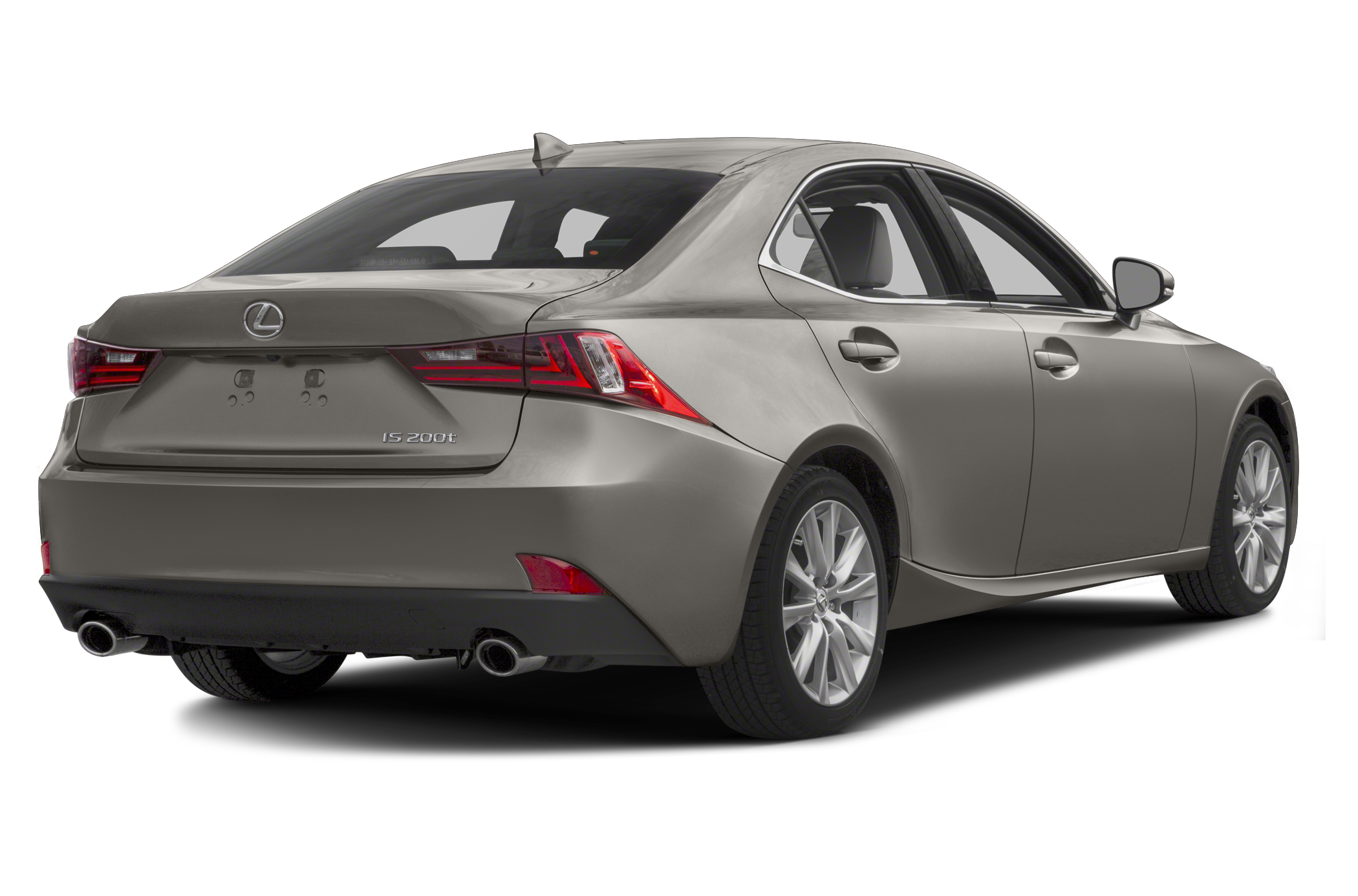
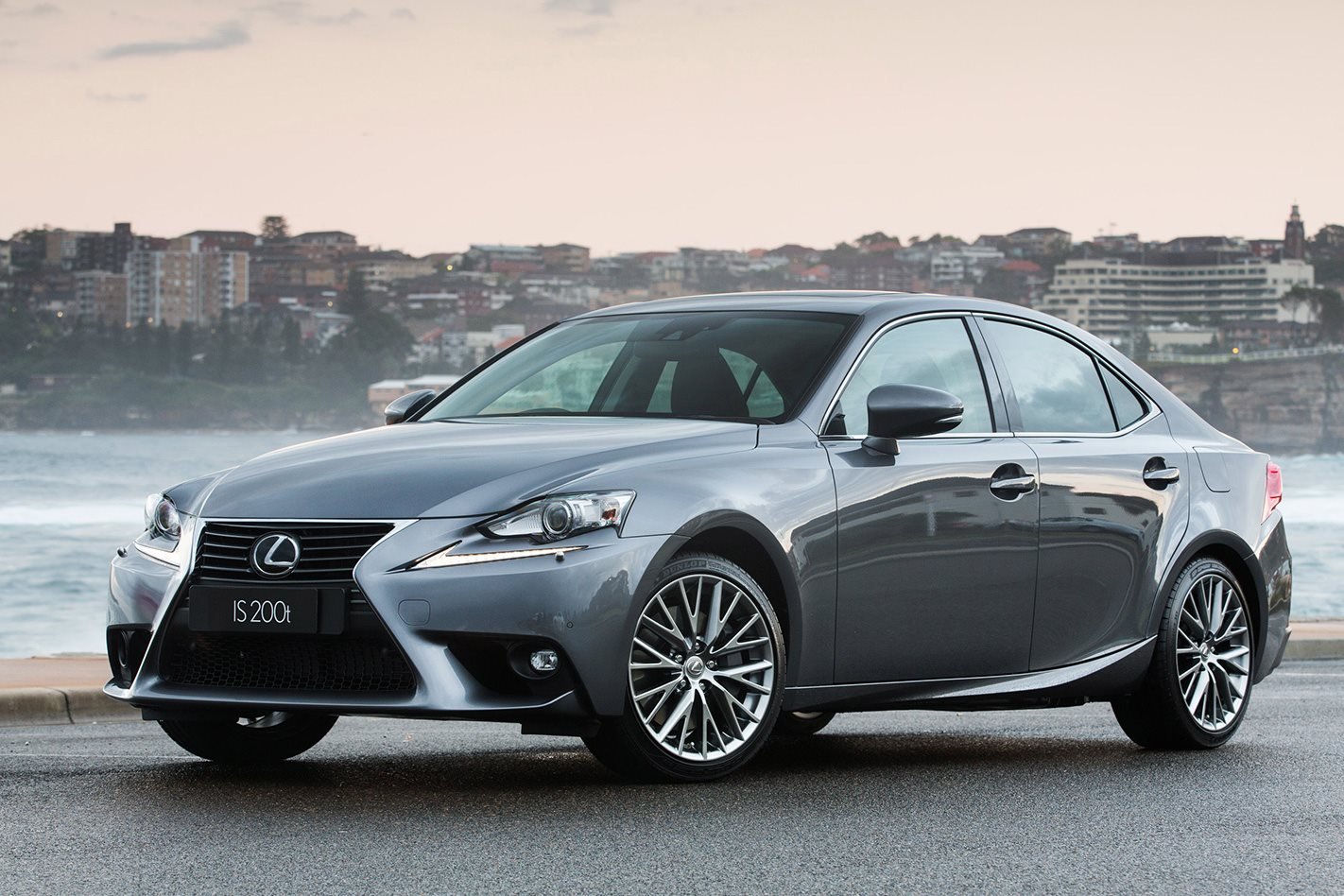
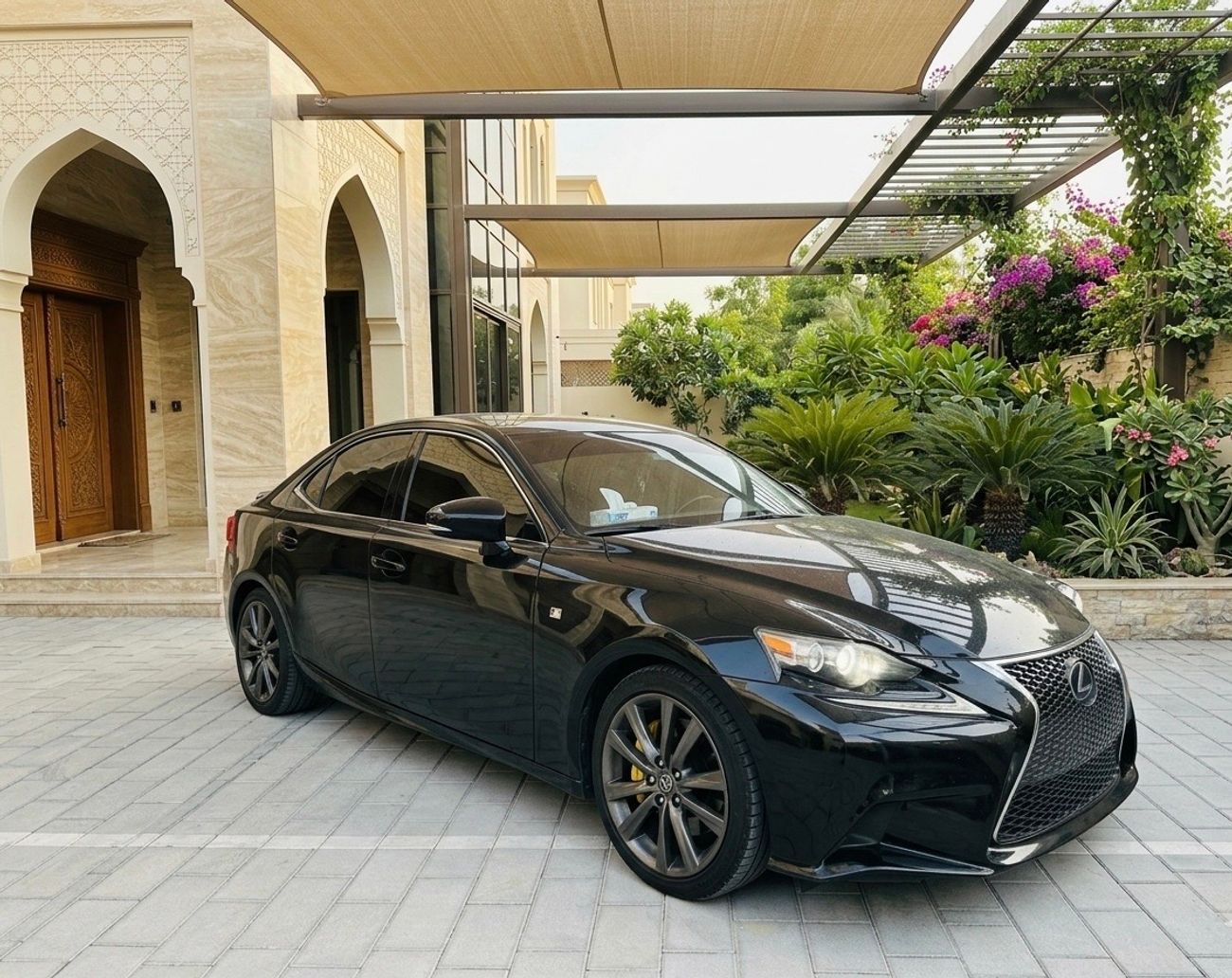
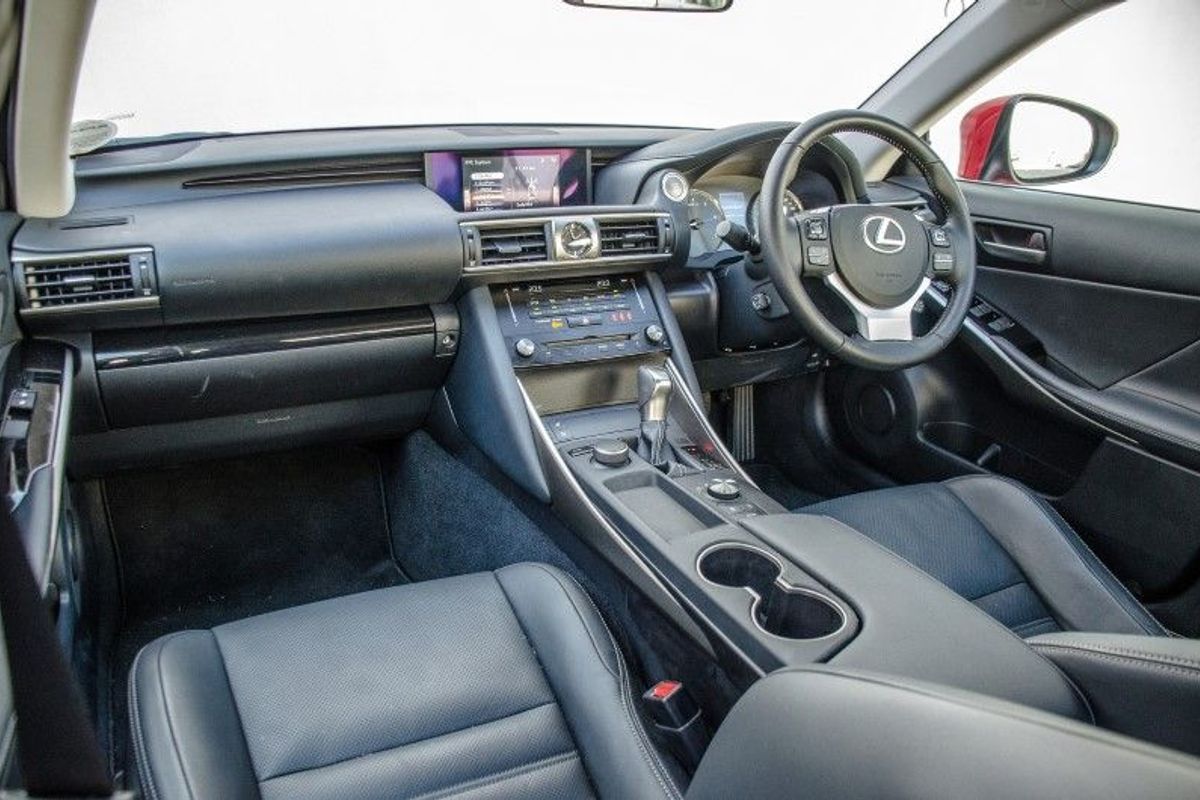
The 2016 Lexus IS200t delivers a factory-claimed 0–60 mph time of 6.9 seconds, though independent testing often places it between 6.8 and 7.0 seconds depending on conditions. While respectable for a compact luxury sedan, it trails German competitors of the same era, prioritizing linear power delivery and long-term reliability over raw off-the-line aggression.
Understanding the 2016 Lexus IS200t Powertrain
The 2016 model year marked a significant shift for the Lexus IS lineup with the introduction of the IS200t. This was the first time the IS utilized a turbocharged four-cylinder engine, replacing the aging 2.5-liter V6 found in the previous IS250. This engine, internally designated as the 8AR-FTS, is a 2.0-liter twin-scroll turbocharged inline-four that produces 241 horsepower and 258 lb-ft of torque.
The engineering behind this engine is sophisticated, utilizing Lexus’s D-4S injection system, which combines both direct and port fuel injection. This allows the engine to optimize combustion across various RPM ranges, contributing to a broader torque curve that peaks as low as 1,650 RPM. This low-end torque is crucial for a 0–60 mph sprint, as it helps the vehicle overcome its initial inertia. However, despite the modern turbocharging, the IS200t is often described as "smooth" rather than "punchy," a characteristic that defines its 0–60 performance.
Another technical highlight is the engine’s ability to switch between the Otto cycle and the Atkinson cycle. By using Variable Valve Timing-intelligent Wide (VVT-iW), the engine can delay intake valve closure to operate on the Atkinson cycle during cruising for fuel efficiency, then switch back to the Otto cycle when the driver demands full acceleration. While this is a marvel of efficiency, the transition and the inherent nature of the Atkinson cycle prioritize thermal efficiency over the instantaneous "snap" found in more performance-oriented turbocharged engines from BMW or Audi.
The Role of the 8-Speed Sport Direct Shift Transmission
The 0–60 mph time of 6.9 seconds is heavily influenced by the transmission paired with the 2.0-liter engine. The 2016 IS200t came exclusively with an 8-speed Sport Direct Shift (SPDS) automatic transmission, which was originally derived from the unit found in the high-performance Lexus IS F. On paper, having eight gears should allow for tighter ratios that keep the engine in its power band longer.
In practice, the transmission tuning in the IS200t is relatively conservative. While it features "G-force Artificial Intelligence" (G-AI) control—which selects the optimum gear based on cornering forces—it is not as lightning-fast as the dual-clutch transmissions found in some competitors. During a 0–60 test, the first-to-second and second-to-third shifts are smooth, but they lack the aggressive "kick" that contributes to faster acceleration times.
Furthermore, the IS200t is a rear-wheel-drive (RWD) platform. Unlike the IS300 or IS350 of the same year, which offered all-wheel-drive (AWD) configurations, the 200t's RWD setup means that traction off the line is entirely dependent on the rear tires. While this reduces drivetrain power loss compared to AWD, it also means that on less-than-perfect surfaces, electronic traction control may intervene during a hard launch, momentarily cutting power and adding tenths of a second to the 0–60 time.
Real-World Testing: Expectation vs. Reality
When the 2016 Lexus IS200t was first released, major automotive publications like MotorTrend and Car and Driver conducted independent instrumented tests. These reviews often highlighted a discrepancy between the car’s aggressive styling and its actual clock speed.
In standardized testing, the IS200t frequently clocked in at 7.0 seconds flat. Several factors contribute to this:
- Curb Weight: The 2016 IS200t is not a light car. Tipping the scales at approximately 3,583 pounds, it carries significant weight for a 241-horsepower engine to move. This results in a weight-to-power ratio of roughly 14.8 lbs/hp.
- Turbo Lag: Despite the twin-scroll design intended to minimize lag, there is a perceptible delay when stomping the accelerator from a dead stop. This "dead zone" before the turbo fully spools accounts for the difference between a 6.5-second car and a 7.0-second car.
- Brake Boosting: Professional testers often employ "brake boosting"—holding the brake while building RPMs before release—to achieve the 6.8 or 6.9-second figures. For the average driver launching from a standard idle, a mid-7-second time is more realistic.
It is also worth noting that the IS200t requires 91 octane premium fuel to achieve its rated horsepower. Using lower-grade fuel will cause the engine management system to retard ignition timing to prevent knock, which directly degrades acceleration performance.
Comparative Performance Table (2016 Model Year)
To understand where the IS200t sits in the 2016 landscape, we must compare it to its primary entry-level luxury rivals.
| Vehicle | Engine Type | Horsepower | 0–60 MPH (Tested) | Drivetrain |
|---|---|---|---|---|
| Lexus IS200t | 2.0L Turbo I4 | 241 hp | 6.9 – 7.0s | RWD |
| BMW 328i | 2.0L Turbo I4 | 240 hp | 5.4 – 5.6s | RWD |
| Audi A4 (2.0T) | 2.0L Turbo I4 | 220 hp | 6.2 – 6.4s | FWD/AWD |
| Mercedes C300 | 2.0L Turbo I4 | 241 hp | 6.0 – 6.2s | RWD |
| Cadillac ATS 2.0T | 2.0L Turbo I4 | 272 hp | 5.7 – 5.9s | RWD |
As the table illustrates, while the IS200t has comparable horsepower to the BMW 328i and Mercedes C300, it is significantly slower to 60 mph. This is largely attributed to the Lexus's higher curb weight and the efficiency-focused tuning of its 8-speed gearbox compared to the more aggressive ZF 8-speed used by BMW or the snappy dual-clutch units in the Audi.
Driving Dynamics: F-Sport vs. Base Trim
It is a common misconception that the IS200t F-Sport trim is faster than the base model. In terms of 0–60 mph acceleration, the two are identical. Both use the same 8AR-FTS engine and 8-speed transmission. The F-Sport package focuses on "perceived" performance and handling rather than straight-line speed.
The F-Sport trim adds an Adaptive Variable Suspension (AVS), which can stiffen the dampers in Sport S+ mode. While this improves cornering flat-ness and steering response, it does not change the engine's output. However, the F-Sport does include a more aggressive intake sound generator that pumps engine noise into the cabin, which can make the car feel faster during a 0–60 run, even if the stopwatch says otherwise.
The wheels also play a minor role. The F-Sport comes with 18-inch staggered-width wheels (wider in the rear), which provides a slightly better contact patch for launching compared to the standard 17-inch square setup on the base model. Conversely, the larger wheels are heavier, which adds to the rotational mass the engine must overcome.
Long-term Performance and Reliability in 2026
As we look at the 2016 Lexus IS200t from the perspective of 2026, this vehicle is now a decade-old used car option. When evaluating its 0–60 performance today, mechanical wear becomes a factor.
A 2016 IS200t with 100,000 miles may not hit its original 6.9-second mark if maintenance has been deferred. Common issues that can sap performance include:
- Carbon Buildup: Despite the D-4S system’s port injectors helping to clean the intake valves, some carbon buildup is inevitable over 10 years, which can restrict airflow and reduce peak power.
- Vacuum Regulators: This specific engine has a known history with the vacuum regulator valve (VRV), which controls the turbo wastegate. If this valve begins to fail, boost pressure may become inconsistent, leading to sluggish acceleration.
- Intercooler Efficiency: The IS200t uses a water-to-air intercooler. Over a decade, the coolant in this secondary system can degrade, or the pump can lose efficiency, leading to higher intake temperatures and reduced power.
Despite these potential age-related issues, the Lexus IS200t remains one of the most reliable turbocharged cars of its era. For a buyer in 2026, the trade-off for a slightly slower 0–60 time is the peace of mind that the engine and transmission are built to much higher durability standards than many of its faster European counterparts.
Modifying the IS200t for Better Acceleration
For owners who find the 6.9-second 0–60 time underwhelming, the aftermarket offers several solutions. Because the engine is turbocharged, significant gains can be made through electronic tuning.
- ECU Reflashes: Companies like RR Racing have developed tunes for the 8AR-FTS that can increase boost pressure and optimize fueling. A stage 1 tune can often bring the 0–60 time down into the low 6-second range by unlocking an additional 30-40 horsepower.
- Turbo Inlets and Exhaust: Reducing backpressure allows the turbo to spool faster, shortening the delay off the line.
- Transmission Tunes: Some tuners offer software updates for the 8-speed automatic to sharpen shift points and reduce the delay between gear changes.
However, any modification to the factory parameters should be approached with caution, especially on a vehicle that is now 10 years old. Over-boosting can put excessive strain on the factory turbocharger and internal components.
Frequently Asked Questions
Is the 2016 Lexus IS200t considered a fast car?
By modern standards in 2026, a 0–60 time of 6.9 seconds is considered "adequate" rather than fast. It is comparable to a modern mid-sized crossover or a standard commuter sedan. While it provides enough power for confident highway passing, it is not a high-performance sports sedan in the traditional sense.
Did the 2016 IS200t come in All-Wheel Drive (AWD)?
No. For the 2016 model year, the 200t engine was only available with Rear-Wheel Drive. If you required AWD in a 2016 Lexus IS, you had to step up to the IS300 AWD or IS350 AWD, both of which utilized a 3.5-liter V6 engine instead of the turbocharged four-cylinder.
Why is the BMW 328i so much faster than the IS200t?
The BMW 328i benefits from a lighter chassis, a more aggressive ZF 8-speed transmission, and a factory power rating that many enthusiasts believe was underrated. BMW’s "TwinPower" turbo technology also tends to have less perceptible lag than the first-generation Lexus turbo-four.
Does the IS200t require premium gas?
Yes, Lexus specifies 91 octane (Premium) or higher for the 2016 IS200t. Using 87 octane (Regular) will not necessarily damage the engine immediately due to knock sensors, but it will significantly reduce performance and fuel economy, likely pushing the 0–60 time well into the 7.5-second range.
How does the IS200t compare to the older IS250?
The IS200t is a significant improvement over the IS250 it replaced. The old 2.5L V6 produced only 204 horsepower and was notably slower, often clocking 0–60 times in the high 7s or low 8s. The 200t provides much better mid-range torque and a more modern driving experience.
Practical Recommendation
If you are evaluating a 2016 Lexus IS200t in 2026, your decision should be based on your priorities. If your primary goal is winning stoplight drags or having the fastest "stat sheet" in the parking lot, you may find the 6.9-second 0–60 time disappointing, especially compared to a BMW 3 Series or an Audi A4 of the same vintage.
However, if you prioritize a balanced luxury experience, the IS200t is an excellent choice. Its 0–60 performance is more than sufficient for real-world driving, and the power delivery is exceptionally smooth. When buying one today, ensure the vehicle has a documented history of oil changes every 5,000 to 7,500 miles and check for the health of the vacuum regulator and turbo cooling system. For many, the slightly slower acceleration is a fair trade for the legendary Lexus build quality and lower long-term maintenance costs.