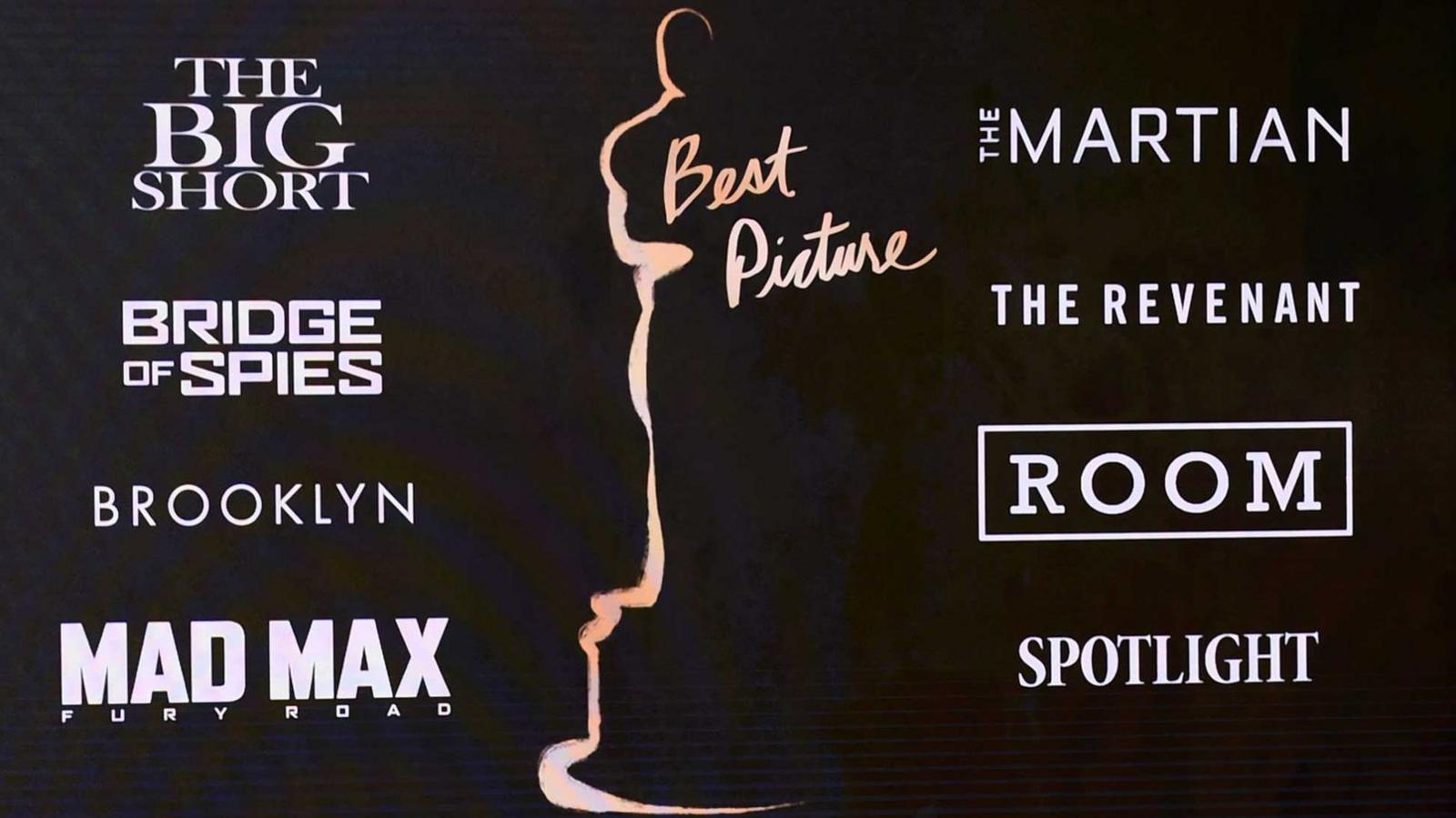
The 2016 Best Film Oscar nominations, officially known as the Best Picture nominees for the 88th Academy Awards, featured eight diverse films: Spotlight, The Big Short, Bridge of Spies, Brooklyn, Mad Max: Fury Road, The Martian, The Revenant, and Room. Spotlight ultimately won the prestigious Best Picture award during the ceremony held on February 28, 2016.
Overview of the 88th Academy Awards Best Picture Race
The 2016 Oscar season was marked by a blend of massive technical achievements, intimate dramas, and a significant cultural conversation regarding diversity in Hollywood. To understand the nominations, one must look at the films that the Academy of Motion Picture Arts and Sciences (AMPAS) chose to represent the pinnacle of cinematic achievement for the 2015 calendar year. Unlike some years where a single frontrunner dominates from the start, 2016 was a fluctuating race where several films held the lead at different stages of the awards circuit.
The selection process for Best Picture allows for anywhere between five and ten nominees based on a preferential balloting system. In 2016, eight films secured enough first-place votes to qualify. These films ranged from a high-octane post-apocalyptic action reboot to a methodical procedural drama about investigative journalism. This variety reflected a transitional period in the Academy, as it began to grapple with changing industry standards and the emergence of more aggressive campaigning strategies.
The Winner: Spotlight and the Power of the Ensemble
Spotlight, directed by Tom McCarthy, was the eventual winner of the Best Picture Oscar. The film tells the true story of the Boston Globe's "Spotlight" team, the oldest continuously operating newspaper investigative journalist unit in the United States, and its investigation into cases of widespread and systemic child sex abuse in the Catholic Church.
The victory of Spotlight was seen as a win for "the little film that could." While it did not have the massive budget of The Revenant or the technical flash of Mad Max: Fury Road, it relied on a tightly woven screenplay and a powerhouse ensemble cast including Mark Ruffalo, Michael Keaton, Rachel McAdams, and Liev Schreiber.
One reason for its success was its precision. The film avoided sensationalism, focusing instead on the grueling, often mundane work of investigative reporting. This resonated with the Academy’s voting bloc, which often favors films that highlight social importance and structural integrity. Spotlight also won the Oscar for Best Original Screenplay, further cementing its status as a writer-driven triumph.
The Revenant: A Tour de Force of Physical Filmmaking
Leading the pack with the most total nominations (12) was The Revenant, directed by Alejandro G. Iñárritu. The film was a visceral survival epic that became synonymous with its difficult production history. Stories of the cast and crew enduring freezing temperatures in remote locations added to the film's "must-see" aura.
The narrative of the 2016 Oscars was heavily focused on Leonardo DiCaprio. After years of nominations and perceived "snubs," his role as Hugh Glass—a frontiersman who survives a bear mauling and treks across a frozen wilderness for revenge—felt like his definitive "Oscar moment." DiCaprio did indeed win Best Actor, and Iñárritu won Best Director, making him one of the few directors to win back-to-back Oscars (having won the previous year for Birdman). Despite these major wins, The Revenant lost the top prize to Spotlight, a result that surprised many pundits who expected the film's technical momentum to carry it to Best Picture.
Mad Max: Fury Road and Technical Dominance
Perhaps the most surprising nominee for Best Picture in 2016 was George Miller’s Mad Max: Fury Road. It is rare for a high-concept action sequel to receive such high-level recognition from the Academy. However, the film's reliance on practical effects, its feminist undertones, and its relentless pacing made it a critical darling.
Mad Max: Fury Road dominated the "below-the-line" categories, winning six Academy Awards:
- Best Costume Design
- Best Production Design
- Best Makeup and Hairstyling
- Best Film Editing
- Best Sound Editing
- Best Sound Mixing
The film’s presence in the Best Picture category signaled a growing willingness by the Academy to recognize genre filmmaking when executed with exceptional craft. It remains one of the most highly-regarded action films in cinema history, a sentiment that has only strengthened as we look back from 2026.
Exploring the Other Nominees
The remaining five nominees each brought a unique flavor to the 88th Academy Awards, representing various genres and storytelling traditions.
The Big Short
Directed by Adam McKay, The Big Short utilized a fast-paced, meta-narrative style to explain the complex financial collapse of 2007–2008. By using celebrities to break the "fourth wall" and explain subprime mortgages, McKay turned a potentially dry subject into a biting satire. It won Best Adapted Screenplay and was a serious contender for Best Picture due to its timely relevance and innovative editing.
The Martian
Ridley Scott’s The Martian was a rare "hard science" blockbuster that found both critical and commercial success. Starring Matt Damon as an astronaut stranded on Mars, the film was praised for its optimistic tone and its celebration of scientific ingenuity. While it received seven nominations, it did not take home any trophies, often losing out to the more "gritty" The Revenant or the more "technical" Mad Max.
Room
Room, directed by Lenny Abrahamson, was the smallest-scale film in the lineup. Based on the novel by Emma Donoghue, it tells the story of a woman and her young son held captive in a small shed. The film’s emotional weight earned it a Best Picture nod, and it served as the breakout platform for Brie Larson, who won the Oscar for Best Actress. Her performance was lauded for its raw vulnerability and complexity.
Brooklyn
John Crowley’s Brooklyn provided a classic, beautifully shot immigrant narrative. Starring Saoirse Ronan, the film followed a young Irish woman navigating a new life in 1950s New York. Its inclusion in the Best Picture list was a testament to the power of traditional, character-driven storytelling.
Bridge of Spies
Steven Spielberg’s Bridge of Spies represented the "prestige" historical drama category. A Cold War thriller about the exchange of a captured American U-2 pilot for a Soviet spy, the film showcased Spielberg's reliable craftsmanship. It earned Mark Rylance a Best Supporting Actor win, an upset victory over the sentimental favorite, Sylvester Stallone for Creed.
Detailed Comparison of 2016 Best Picture Nominees
The following table summarizes the key statistics for the 2016 Best Picture nominees, including their directors and their eventual Oscar win counts at the 88th Academy Awards.
| Film | Director | Primary Genre | Nominations | Wins | Key Win(s) |
|---|---|---|---|---|---|
| Spotlight | Tom McCarthy | Biographical Drama | 6 | 2 | Best Picture, Original Screenplay |
| The Revenant | Alejandro G. Iñárritu | Western/Survival | 12 | 3 | Director, Lead Actor, Cinematography |
| Mad Max: Fury Road | George Miller | Post-Apocalyptic Action | 10 | 6 | Editing, Production Design, Sound |
| The Big Short | Adam McKay | Biographical Comedy-Drama | 5 | 1 | Adapted Screenplay |
| The Martian | Ridley Scott | Sci-Fi/Adventure | 7 | 0 | - |
| Room | Lenny Abrahamson | Drama | 4 | 1 | Lead Actress |
| Bridge of Spies | Steven Spielberg | Historical Thriller | 6 | 1 | Supporting Actor |
| Brooklyn | John Crowley | Romantic Drama | 3 | 0 | - |
The Cultural Context: #OscarsSoWhite
One cannot discuss the 2016 nominations without addressing the controversy that defined the ceremony: #OscarsSoWhite. For the second consecutive year, all 20 acting nominees were white. This sparked a massive outcry from both the public and industry professionals, leading to a boycott of the ceremony by figures like Spike Lee and Jada Pinkett Smith.
Host Chris Rock addressed the issue head-on in his opening monologue, famously referring to the Oscars as the "White People's Choice Awards." The backlash from the 2016 nominations forced the Academy of Motion Picture Arts and Sciences to announce historic changes to its membership rules. The goal was to double the number of women and diverse members by 2020. Looking back from 2026, the 2016 ceremony is seen as the ultimate catalyst for the "A2020" initiative, which significantly altered the demographics of the voting body and led to more diverse Best Picture winners in the years that followed, such as Moonlight and Parasite.
Acting and Directing Highlights
While Best Picture is the top prize, the 2016 nominations were equally defined by the individual achievements in acting and directing.
- Best Actor: Leonardo DiCaprio’s win for The Revenant was the night's most anticipated moment. His dedication to the role—including eating raw bison liver and filming in sub-zero conditions—became a central part of his campaign.
- Best Actress: Brie Larson’s win for Room was a definitive "star is born" moment. She beat out veterans like Cate Blanchett and Charlotte Rampling, showcasing the Academy's occasional penchant for honoring rising talent in challenging roles.
- Best Supporting Actor: Mark Rylance (Bridge of Spies) won in what was considered the night's biggest surprise. Most experts predicted Sylvester Stallone would win for his return as Rocky Balboa in Creed. Rylance’s understated, theatrical performance as spy Rudolf Abel was a choice that favored craft over sentimentality.
- Best Supporting Actress: Alicia Vikander won for The Danish Girl. While the film itself received mixed reviews, Vikander's performance was universally praised. There was some controversy regarding her category, as many felt her role was a lead rather than supporting, a common tactic in Oscar campaigning known as "category fraud."
Legacy of the 2016 Nominations in 2026
Ten years after the 2016 ceremony, the "Class of 2016" remains highly regarded. Mad Max: Fury Road is frequently cited in "Greatest Films of the 21st Century" lists. Spotlight continues to be the gold standard for films about journalism, often compared to All the President's Men.
Furthermore, the 2016 nominations marked the end of an era for the "old" Academy. The subsequent expansion of the voting body changed the "type" of movie that wins Best Picture. We see fewer "traditional" biopics and more adventurous, international, and diverse films winning the top prize today. The 88th Academy Awards stand as a bridge between the classic Hollywood era and the modern, more globalized Academy we recognize in 2026.
Frequently Asked Questions
Which film had the most nominations at the 2016 Oscars?
The Revenant held the most nominations at the 88th Academy Awards with a total of 12. These included Best Picture, Best Director, Best Actor, and Best Supporting Actor, along with several technical categories. Despite the high number of nominations, it won three awards, while Mad Max: Fury Road won the most overall with six.
Why did Spotlight win Best Picture over The Revenant?
While The Revenant was a technical marvel and won major precursor awards (like the Golden Globe and BAFTA), Spotlight had strong support from the Screen Actors Guild (SAG), winning the Outstanding Performance by a Cast in a Motion Picture award. In the Academy's preferential balloting system, Spotlight likely appeared as the second or third choice on almost every ballot, even if it wasn't the first. Its broad appeal and social relevance gave it the edge.
Was 2016 the year of the #OscarsSoWhite controversy?
Yes, 2016 was the second year in a row where all 20 acting nominees were white. This led to a significant public backlash and a social media movement under the hashtag #OscarsSoWhite. The Academy President at the time, Cheryl Boone Isaacs, subsequently announced major reforms to the organization’s membership to increase diversity and inclusion.
Who hosted the 2016 Oscar ceremony?
Chris Rock hosted the 88th Academy Awards. His hosting was notable for its heavy focus on the lack of diversity in the nominations. He used his platform to provide social commentary on the state of the film industry, a performance that remains one of the most discussed hosting turns in the history of the Oscars.
Did Leonardo DiCaprio win his first Oscar in 2016?
Yes, 2016 was the year Leonardo DiCaprio won his first Academy Award for Best Actor for his role as Hugh Glass in The Revenant. He had been previously nominated for acting in What's Eating Gilbert Grape, The Aviator, Blood Diamond, and The Wolf of Wall Street, but had not won until the 88th ceremony.
Final Recommendation for Film Enthusiasts
If you are looking to revisit the best of 2016, start with a "double feature" of Spotlight and Mad Max: Fury Road. These two films represent the two extremes of the 2016 nominations: one is a quiet, masterful example of storytelling and ensemble acting, while the other is a loud, visceral explosion of technical imagination. Together, they provide a complete picture of why 2016 was a landmark year for cinema. For those interested in the history of the Academy itself, researching the 2016 membership changes provides essential context for how the Oscars have evolved into the organization they are today in 2026.