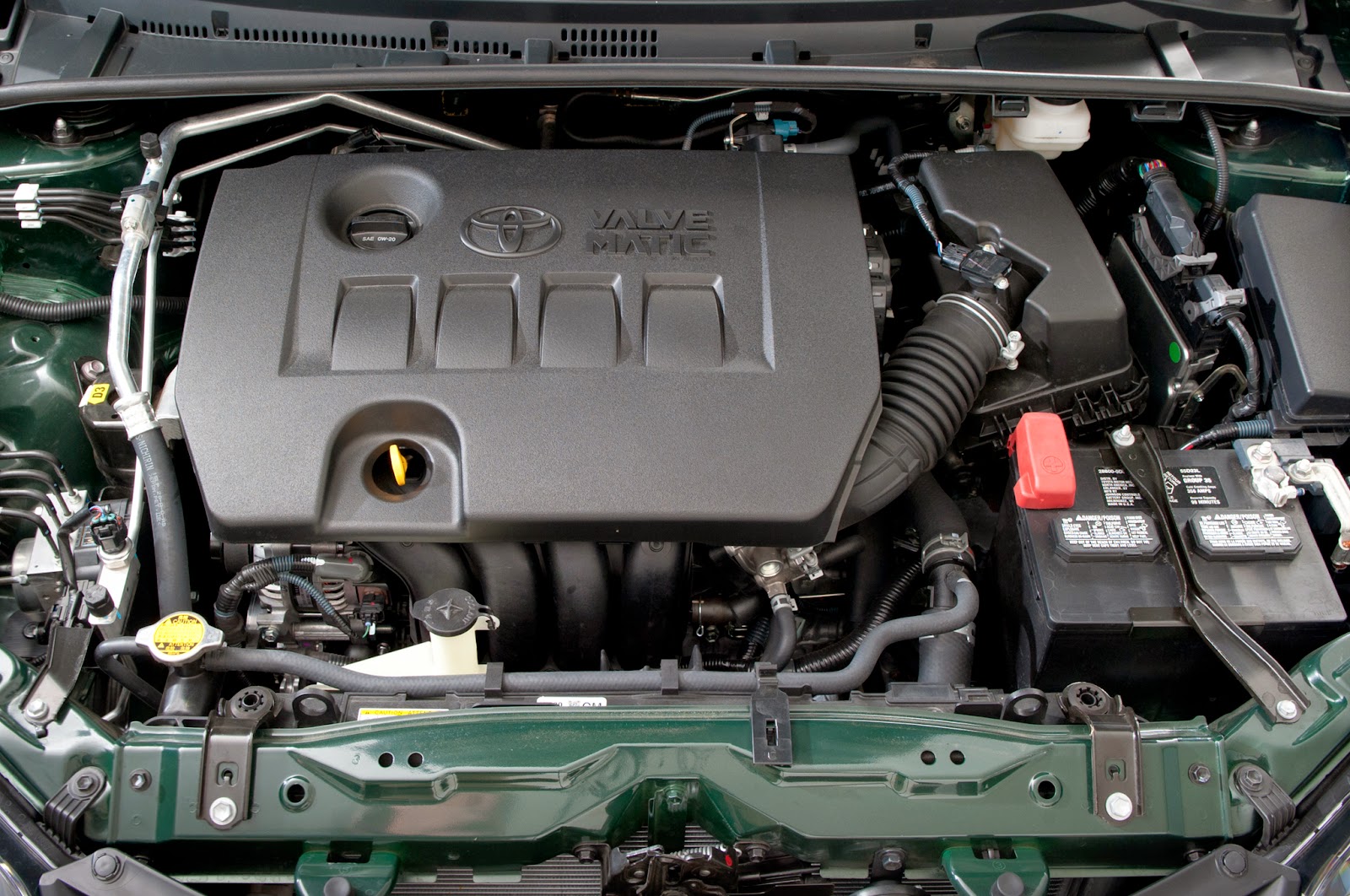
For the 2015 Toyota Corolla, the manufacturer-specified engine oil requirement is SAE 0W-20 synthetic oil. This specific viscosity is mandatory to achieve optimal fuel economy and ensure proper lubrication of the 1.8L engine's tight internal tolerances. The total oil capacity is 4.4 US quarts (4.2 liters) when replacing the filter.
The 2015 Toyota Corolla remains a staple of reliability on the road even in 2026. Whether you are a long-term owner or have recently acquired this 11th-generation sedan as a pre-owned vehicle, understanding its fluid requirements is the single most important aspect of its maintenance. While the Corolla is famous for its longevity, that reputation is built on the foundation of consistent oil changes using the correct specifications.
Understanding the 2ZR-FE and 2ZR-FAE Engines
The 2015 Toyota Corolla in the North American market primarily features the 1.8-liter 4-cylinder engine. Most trims, including the L, LE, and S, utilize the 2ZR-FE engine with Dual VVT-i (Variable Valve Timing with intelligence). The LE Eco trim uses a slightly different version, the 2ZR-FAE, which incorporates Valvematic technology for improved fuel efficiency and a slight bump in horsepower.
Despite these minor differences in head design and valve lift technology, both engines share identical oil requirements. These engines are designed with extremely narrow oil passages. Using an oil that is too thick (high viscosity) can prevent the oil from reaching critical components quickly during a cold start, leading to premature wear on the camshafts and timing chain.
Required Oil Viscosity: Why 0W-20 is Mandatory
Toyota specifically recommends SAE 0W-20 for the 2015 Corolla. The "0W" indicates the oil's flow characteristics at low temperatures (W stands for Winter), while the "20" indicates the viscosity at operating temperature.
The Role of Synthetic Oil
By 2015, Toyota had fully transitioned the Corolla line to synthetic-only requirements for the 0W-20 grade. Synthetic oil provides superior thermal stability compared to conventional (mineral) oil. It does not break down as quickly under high heat and maintains its flow properties in sub-zero temperatures. Because 0W-20 is almost exclusively a synthetic or synthetic-blend grade, you are essentially required to use synthetic oil to meet the warranty and performance standards set by Toyota.
Alternative Viscosity (The 5W-20 Exception)
The owner's manual states that SAE 5W-20 may be used if 0W-20 is unavailable. However, there is a caveat: if 5W-20 is used, it must be replaced with 0W-20 at the very next oil change interval. In the context of 2026, 0W-20 is universally available at every auto parts store and service center, making the use of 5W-20 unnecessary and generally discouraged.
Oil Capacity and Specifications
When performing an oil change, precision in volume is necessary to avoid overfilling, which can cause "foaming" as the crankshaft hits the oil in the pan, or underfilling, which leads to oil starvation.
Capacity Specifications
- With Filter Change: 4.4 US Quarts (4.2 Liters / 3.7 Imperial Quarts)
- Without Filter Change: 4.1 US Quarts (3.9 Liters / 3.4 Imperial Quarts)
It is standard practice to always change the oil filter during an oil change. Therefore, you should aim for the 4.4-quart mark. We recommend purchasing a 5-quart jug, which is often more cost-effective and leaves you with a small amount of extra oil for "top-offs" between service intervals.
Quality Standards (API and ILSAC)
The oil must meet specific industry certifications to be safe for your Corolla’s engine. When the 2015 Corolla was manufactured, the standard was API SN and ILSAC GF-5.
As of 2026, these standards have been superseded by API SP and ILSAC GF-6A. These newer standards are fully "backward compatible," meaning they are designed to work in older engines like the 2015 2ZR-FE. In fact, API SP oil offers better protection against low-speed pre-ignition (LSPI) and improved timing chain wear protection compared to the original 2015 requirements. Always look for the "Starburst" symbol (ILSAC) and the "Donut" symbol (API) on the back of the bottle.
Maintenance Intervals: 5,000 vs. 10,000 Miles
Toyota’s official service schedule for the 2015 Corolla is based on a 10,000-mile or 12-month interval, whichever comes first, provided you are using the required 0W-20 synthetic oil. However, this is for "Normal Driving Conditions."
The "Special Operating Conditions" Exception
Many drivers unknowingly operate under "Special Operating Conditions," which requires shortening the oil change interval to 5,000 miles or 6 months. You should follow this more frequent schedule if you:
- Drive primarily on short trips (under 5 miles) in freezing temperatures.
- Engage in extensive idling (e.g., heavy traffic or delivery work).
- Drive on dusty, muddy, or salt-spread roads.
- Frequently carry heavy loads or use a roof rack.
In 2026, as these vehicles approach or exceed 100,000 miles, many mechanics recommend reverting to a 5,000-mile interval regardless of driving conditions to compensate for potential engine wear and to monitor oil consumption, which can occur in high-mileage 2ZR engines.
The Oil Filter: Cartridge vs. Spin-on
The 2015 Toyota Corolla utilizes a cartridge-style oil filter (specifically the Toyota Genuine Part No. 04152-YZZA6 or equivalent). Unlike the traditional metal "spin-on" filters, this system uses a permanent plastic or aluminum housing that stays on the engine. You replace only the inner paper filter element and a rubber O-ring.
Necessary Components for Filter Change
- Filter Element: The pleated paper core.
- Large O-Ring: Seals the housing to the engine block.
- Small O-Ring: Seals the drain plug at the bottom of the filter housing.
- Plastic Drain Tool: Usually included with the filter kit to allow you to drain the housing before removal, reducing mess.
| Component | Specification / Value |
|---|---|
| Oil Grade | SAE 0W-20 Synthetic |
| Oil Capacity (w/ Filter) | 4.4 US Quarts (4.2L) |
| Oil Capacity (Dry Fill) | 4.9 US Quarts (4.6L) |
| Drain Plug Torque | 30 ft-lb (40 N·m) |
| Filter Housing Torque | 18 ft-lb (25 N·m) |
| Drain Plug Socket Size | 14 mm |
| Filter Wrench Size | 64 mm (14-flute) |
| Standard Interval | 10,000 Miles / 12 Months |
| Severe Interval | 5,000 Miles / 6 Months |
Step-by-Step Oil Change Procedure
If you are performing the maintenance yourself, follow these steps to ensure the requirements are met safely.
1. Preparation and Safety
Ensure the vehicle is on a level surface. Engage the parking brake. Raise the front of the car using a jack and support it with jack stands, or use automotive ramps. Never work under a car supported only by a jack.
2. Draining the Old Oil
Locate the oil drain plug (14mm bolt) on the rear of the oil pan. Place a drain pan underneath and loosen the bolt. Allow the oil to drain completely. Inspect the drain plug gasket (crush washer). It is a best practice to replace this washer (Toyota Part No. 90430-12031) with every change to prevent slow leaks. Reinstall the plug and torque it to 30 ft-lb.
3. Replacing the Filter Cartridge
The filter housing is located near the oil pan.
- Remove the small metal cap at the bottom of the housing.
- Insert the plastic drain tool (included with the filter) to let the trapped oil flow out.
- Use a 64mm Toyota-specific oil filter wrench to unscrew the housing.
- Remove the old paper element and the old O-ring.
- Clean the housing and install the new O-ring, lightly lubricating it with fresh oil.
- Insert the new filter element and screw the housing back onto the engine. Torque to 18 ft-lb.
4. Refilling the Engine
Remove the oil filler cap on top of the engine. Using a funnel, pour in 4.4 quarts of 0W-20 synthetic oil. Replace the cap and start the engine. Let it run for one minute to circulate the oil through the new filter.
5. Verification
Turn off the engine and wait 5 minutes for the oil to settle. Pull the dipstick, wipe it clean, reinsert it fully, and pull it out again. The oil level should be between the two dots on the dipstick. Check underneath the car for any signs of leaks around the drain plug or filter housing.
Common Mistakes and Troubleshooting
Using the Wrong Filter Wrench
The plastic housing on the 2015 Corolla is notorious for being easily damaged if a generic "claw" wrench is used. Always use a high-quality 64mm 14-flute aluminum socket designed specifically for Toyota filters. These grip the tabs on the housing and prevent rounding or cracking.
Over-Tightening the Housing
Because the housing is often made of plastic, over-tightening can lead to cracks that only manifest once the engine is hot and the oil is under pressure. Use a torque wrench to hit the 18 ft-lb spec exactly.
Forgetting the O-Ring Seating
The large O-ring must be seated in the groove, not flush against the mounting flange. If the O-ring is placed too high on the housing threads, it will pinch and cause a major oil leak immediately upon starting the engine.
Resetting the Maintenance Light
After the change, you must manually reset the "MAINT REQD" light on the dashboard:
- Turn the ignition to the "On" position (do not start the engine).
- Set the odometer display to "Trip A."
- Turn the ignition off.
- While pressing and holding the "Display" or "Trip" button, turn the ignition back to the "On" position.
- Continue holding the button until the odometer shows "000000" and the light turns off.
Frequently Asked Questions
Can I use 5W-30 oil in my 2015 Corolla?
While the engine might run on 5W-30, it is not recommended. The VVT-i and Valvematic systems rely on the specific flow rate of 0W-20 to operate the hydraulic actuators that control valve timing. Thicker oil can cause these systems to respond sluggishly, potentially triggering a "Check Engine" light (P0011 or P0012 codes) and reducing fuel economy.
How much oil does the 2015 Corolla burn?
Toyota considers oil consumption of up to 1 quart every 600 to 1,200 miles to be within "acceptable" limits for high-mileage engines, though most Corollas do not burn nearly this much. As of 2026, with many 2015 models exceeding 150,000 miles, it is wise to check the dipstick every 1,000 miles to ensure the level remains safe.
Is high-mileage oil necessary?
If your 2015 Corolla has over 75,000 miles, switching to a 0W-20 High-Mileage Synthetic oil is a proactive choice. These oils contain seal conditioners that help swell older gaskets, potentially preventing or slowing down leaks from the valve cover or front main seal.
Can I use a different brand of oil filter?
Yes, as long as it is a high-quality cartridge filter from a reputable brand like Wix, Mobil 1, or Purolator. However, the Toyota Genuine "YZZA6" filter is highly regarded for its fitment and the quality of the included O-rings, which are less prone to leaking than some budget aftermarket options.
What happens if I overfill the oil?
Overfilling by a small amount (0.2 quarts) is usually harmless. However, filling to 5 quarts or more can cause the oil to become aerated by the crankshaft. This "foamy" oil cannot be effectively pumped, leading to a drop in oil pressure and potential engine damage. If you significantly overfill, you must drain the excess.
Final Recommendation
To maximize the life of your 2015 Toyota Corolla, use 4.4 quarts of SAE 0W-20 full synthetic oil and a genuine Toyota cartridge filter every 10,000 miles. If you drive in heavy traffic, extreme heat, or perform mostly short trips, shorten that interval to 5,000 miles. Consistently checking your oil level once a month is the best insurance policy against the most common cause of engine failure: running low on lubricant.
For more technical details, refer to the Toyota Owners Manuals or consult the American Petroleum Institute (API) for the latest oil standard updates as of 2026.