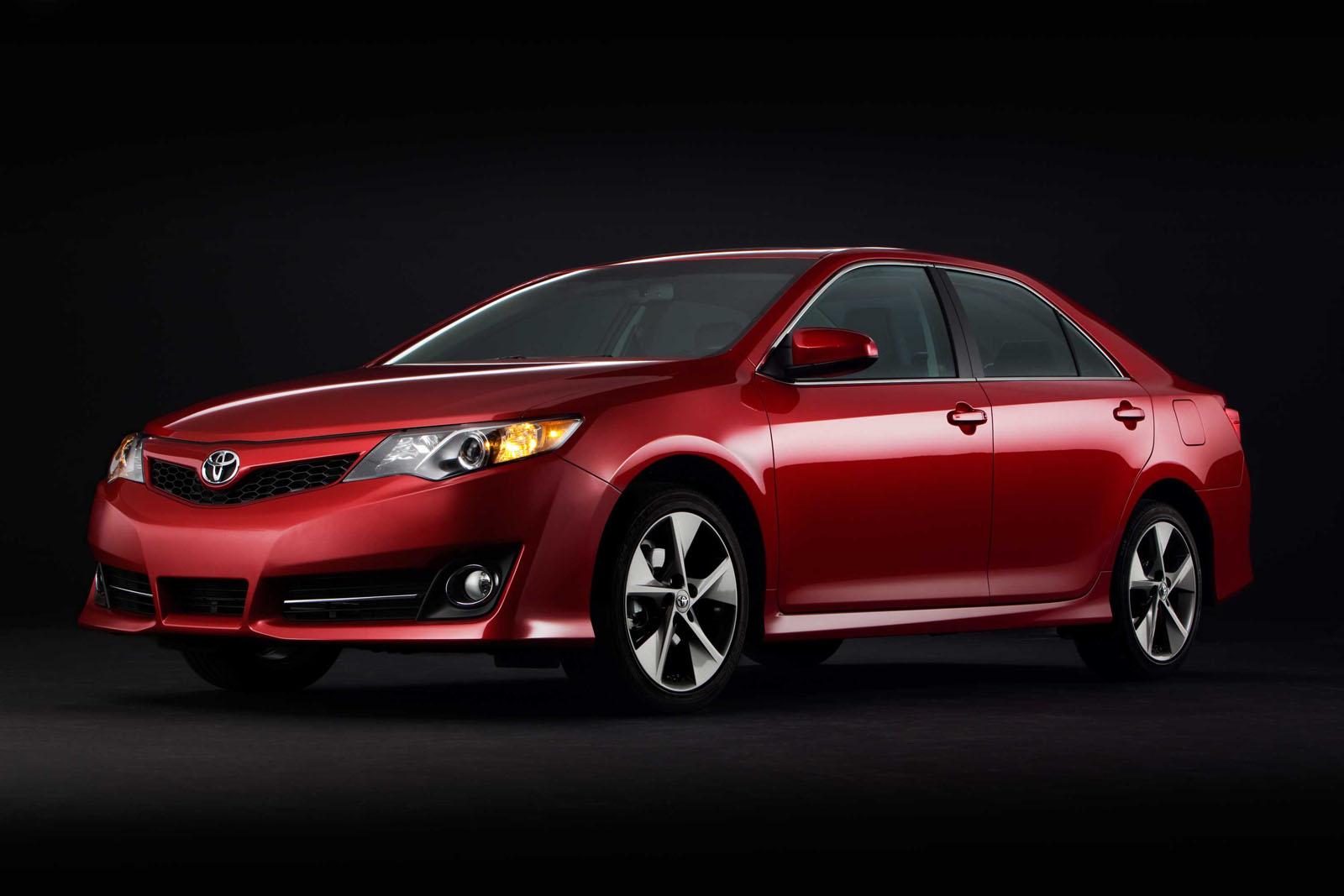
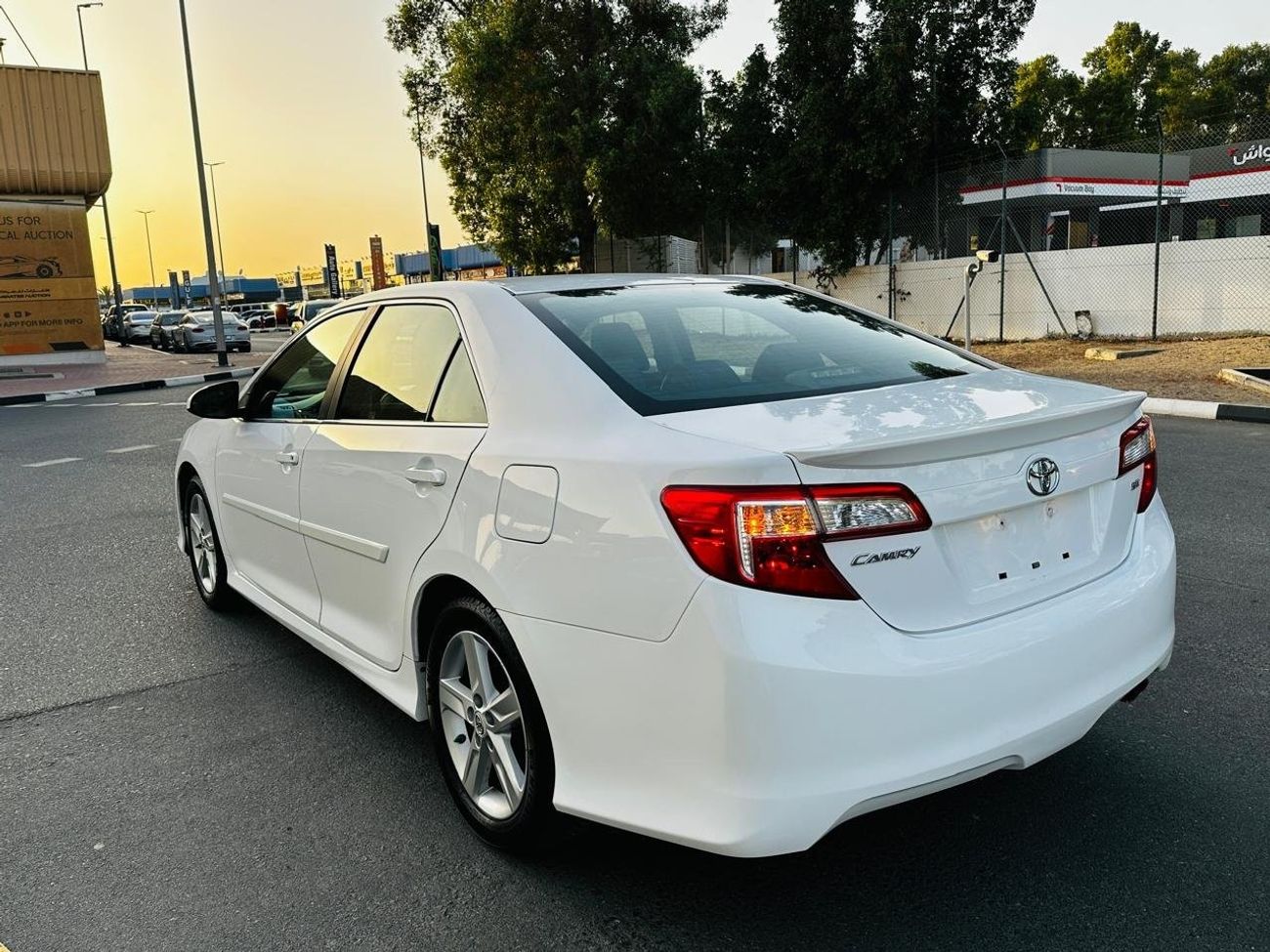
The 2012 Toyota Camry Sport (officially known as the SE trim) marked the debut of the seventh-generation (XV50) Camry, introducing a more aggressive design and sport-tuned suspension to the traditionally conservative sedan. In 2026, it remains a highly sought-after used vehicle due to its blend of mechanical simplicity, distinct styling, and the availability of both a fuel-efficient 2.5L four-cylinder and a potent 3.5L V6 engine.
The Genesis of the Seventh-Generation Camry Sport
When Toyota launched the 2012 Camry, the automotive landscape was shifting. Competitors were moving toward turbocharged small-displacement engines, but Toyota opted for a refined, evolutionary approach. The "Sport" model, or SE (Sport Edition), was the centerpiece of this strategy, aimed at attracting a younger demographic that wanted the reliability of a Camry without the "rental car" aesthetic.
The 2012 model year was a total redesign. While the wheelbase remained the same as the previous generation, the chassis was significantly stiffened, and the interior was repackaged to offer more legroom. For the SE model specifically, Toyota engineers focused on three pillars: aesthetic aggression, handling precision, and driver-centric interior ergonomics.
Defining the SE "Sport" Trim
In the 2012 hierarchy, the SE sat above the entry-level L and mid-grade LE, but it occupied a parallel space to the luxury-oriented XLE. Unlike the XLE, which prioritized a soft ride and wood-grain accents, the SE was about "road feel." It featured unique suspension components, including different springs and shock absorbers, and a specific steering rack ratio that provided a heavier, more connected feel to the road.
Exterior and Aerodynamic Enhancements
The 2012 Camry SE is easily distinguishable from its siblings through a series of "aero-trim" additions. Toyota’s goal was to lower the visual center of gravity and reduce the drag coefficient, which settled at a respectable 0.28.
- Front Fascia: The SE replaced the horizontal-slat grille of the LE with a more intricate, blackened mesh-style layout. The headlamps were finished with dark smoked-chrome bezels, and the lower bumper featured integrated fog lamps housed in aggressive, squared-off "pockets."
- Side Profile: Distinct rocker panels (side skirts) flared outward, connecting the front and rear wheels visually. This generation also introduced the 17-inch alloy wheels as standard on the four-cylinder SE, while the V6 SE received 18-inch wheels with a more intricate multi-spoke design.
- Rear Aesthetics: At the back, the SE featured a trunk-mounted lip spoiler and a unique lower bumper cover. Perhaps the most significant visual cue for the V6 Sport model was the dual exhaust system with chrome tips, whereas the four-cylinder model utilized a single-exit pipe.
Interior Design and Sport-Specific Amenities
Inside, the 2012 Camry SE moved away from the "couch-like" seats of the past. The cabin was redesigned with "Sport Fabric" or the then-new SofTex synthetic leather material. SofTex was designed to be lighter than traditional leather, more durable against spills, and more environmentally friendly to produce.
The SE interior was characterized by a four-spoke steering wheel (shared with other trims) but added paddle shifters—a first for the Camry line. These allowed drivers to manually override the 6-speed automatic transmission. The dashboard featured a unique silver-grain trim instead of the faux wood found in the XLE, reinforcing the technical, modern theme of the Sport model.
In terms of technology, the 2012 model launched with Toyota’s first-generation Entune multimedia system. While basic by 2026 standards, it was revolutionary at the time, offering Bing search, Pandora, and real-time weather and traffic updates via a paired smartphone.
Mechanical Specifications and Performance
The 2012 Camry Sport offered two distinct personalities based on the powertrain selected. Both engines were paired with a 6-speed ECT-i automatic transmission with sequential shift mode.
2.5L 4-Cylinder (2AR-FE)
The majority of SE models were equipped with the 2.5-liter dual VVT-i engine. This powerplant produced 178 horsepower and 170 lb-ft of torque. In 2012, this was considered the "sweet spot" for fuel economy, achieving roughly 25 MPG city and 35 MPG highway. Even by 2026 standards, this engine remains one of the most reliable four-cylinders ever manufactured, frequently reaching 250,000 miles with basic maintenance.
3.5L V6 (2GR-FE)
For those seeking a "sleeper" performance car, the 2012 Camry SE V6 was the answer. Delivering 268 horsepower and 248 lb-ft of torque, the V6 Sport could propel the Camry from 0 to 60 mph in less than six seconds. This version also featured even firmer suspension tuning to handle the extra weight of the six-cylinder engine and the increased torque.
Chassis and Suspension Tuning
The SE's "Sport" moniker wasn't just cosmetic. Toyota increased the spring rates by roughly 15% and utilized specialized dampers with internal rebound springs to reduce body roll. Furthermore, the SE featured a unique underbody bracing system to improve torsional rigidity, ensuring that the car felt more composed during high-speed cornering than the standard LE.
Technical Specifications Comparison
| Feature | 2012 Camry SE (I4) | 2012 Camry SE (V6) |
|---|---|---|
| Engine Type | 2.5L 4-Cylinder DOHC | 3.5L V6 DOHC |
| Horsepower | 178 hp @ 6,000 rpm | 268 hp @ 6,200 rpm |
| Torque | 170 lb-ft @ 4,100 rpm | 248 lb-ft @ 4,700 rpm |
| Transmission | 6-Speed Automatic | 6-Speed Automatic |
| Standard Wheels | 17-inch Alloy | 18-inch Alloy |
| Weight (lbs) | ~3,190 lbs | ~3,420 lbs |
| Fuel Economy (Est.) | 25 City / 35 Hwy | 21 City / 30 Hwy |
| Brakes | 11.6-in Ventilated Disc | 11.6-in Ventilated Disc |
Timeline of the Seventh-Generation (XV50) Sport Model
The 2012 model year was the "Ground Zero" for this generation. Understanding the timeline helps buyers distinguish the 2012 Sport from later iterations.
- 2011 (Late): The 2012 Camry SE is officially unveiled and goes on sale. It is marketed as "The Rebirth of the Camry."
- 2012: Full production year. The SE trim accounts for nearly 40% of Camry sales in some markets, proving the "Sport" strategy successful.
- 2013: Minor interior updates. A 6.1-inch touchscreen becomes standard across more sub-trims of the SE. Blind Spot Monitoring (BSM) becomes an available option on the Sport model.
- 2014: Known as "2014.5" in the industry. Toyota made structural changes to improve the Small Overlap Frontal Crash test ratings. Mid-year models received standard backup cameras.
- 2015: A massive "refresh" occurred. While the 2012-2014 look was popular, Toyota replaced almost every body panel for 2015. This marked the end of the 2012 original styling, though the mechanical underpinnings remained largely the same.
Long-Term Reliability and Common Issues
As of 2026, the 2012 Camry Sport is 14 years old. While its reputation for reliability is legendary, there are specific areas owners and buyers should monitor.
Transmission Shudder
One of the most documented issues for the 2012-2014 model years was a torque converter shudder. This usually occurred between 25 and 45 mph during light acceleration. Toyota released a software update and, in some cases, a warranty extension to replace the torque converter. When inspecting a 2012 model today, ensure the transmission fluid has been serviced and the software was updated.
Interior Plastics and Dash
Early 2012 models occasionally suffered from "sticky dashboard" syndrome in hot climates, where the plastic material would degrade and become tacky to the touch. Many were replaced under a secondary coverage program, but any remaining 2012 models with this issue are likely out of the coverage window.
Electric Power Steering (EPS)
The 2012 was the first year of the mass-adoption of EPS for the Camry. While generally reliable, some units develop a "clunk" in the intermediate steering shaft. This is usually a mechanical wear issue rather than a failure of the electric motor itself.
Buying Guide for the 2012 Camry Sport in 2026
If you are in the market for a 2012 Camry SE, your focus should be on maintenance records rather than just low mileage.
- Check for V6 vs. I4: The V6 is a "forever engine" but requires more expensive spark plug changes (the rear bank is difficult to access) and has a slightly more complex cooling system. The I4 is simpler and more economical for daily commuting.
- Inspect the Body Kit: Because the SE sits lower than the LE, the front "chin" spoiler is often scraped or cracked from high curbs. Verify that the side skirts are still securely fastened.
- Verify the Year: Check the door jamb sticker. A "2014.5" model (built after December 2013) is technically superior in safety ratings, but the 2012 model is the purest expression of this generation's original design intent.
- Suspension Wear: At this age, even a Toyota needs new struts. If the car feels "bouncy" or leans excessively in corners, it has lost its signature "Sport" feel and will need an investment in new dampers.
Frequently Asked Questions
Is the 2012 Camry SE faster than the LE?
Mechanically, if both have the same 2.5L engine, the 0-60 times are nearly identical. However, the SE feels faster due to the paddle shifters and the sport-tuned suspension, which reduces "squat" during hard acceleration. The SE V6, however, is significantly faster than any LE model.
Can I upgrade the 2012 Entune system to CarPlay or Android Auto?
The factory head unit in the 2012 Camry does not support modern smartphone mirroring. However, because the 2012 Camry uses a standard Double-DIN radio fitment behind the dash panel, it is very easy to install an aftermarket head unit that provides CarPlay and Android Auto while retaining steering wheel controls.
What is the difference between the 2012 SE and the 2012 XLE?
The SE focuses on sportiness, featuring a firmer suspension, 17/18-inch wheels, a body kit, and paddle shifters. The XLE focuses on luxury, featuring a softer ride, wood-grain interior trim, dual-zone climate control as standard, and chrome exterior accents instead of the SE's blackened trim.
Does the 2012 Camry Sport have a timing belt or a chain?
Both the 2.5L four-cylinder and the 3.5L V6 engines in the 2012 Camry use a timing chain. Unlike a timing belt, the chain is designed to last the life of the engine and does not require periodic replacement, provided the oil is changed regularly.
Why is the 2012 model year specifically mentioned as a "Sport" milestone?
2012 was the first year Toyota moved the Camry SE away from being just a "trim package" to being a specifically tuned model. It received its own steering calibration and structural bracing that the standard models did not have, making it a more distinct driving experience than previous generations.
Final Recommendation
The 2012 Toyota Camry Sport (SE) remains a hallmark of automotive pragmatism. It offers enough "soul" through its firmer suspension and aggressive styling to satisfy drivers who find standard sedans boring, yet it retains the bulletproof reliability that defines the Toyota brand. In 2026, finding a well-maintained V6 SE is akin to finding a "modern classic"—a car that offers contemporary power and safety without the over-complicated electronics or small-displacement turbocharged engines common in newer vehicles. For the best ownership experience, prioritize models with a documented history of transmission fluid exchanges and those that have spent their lives in temperate climates to avoid dashboard degradation.